
Quiet Corner Tourism Data: What the Heritage Corridor Number Actually

Updated: Aug 27
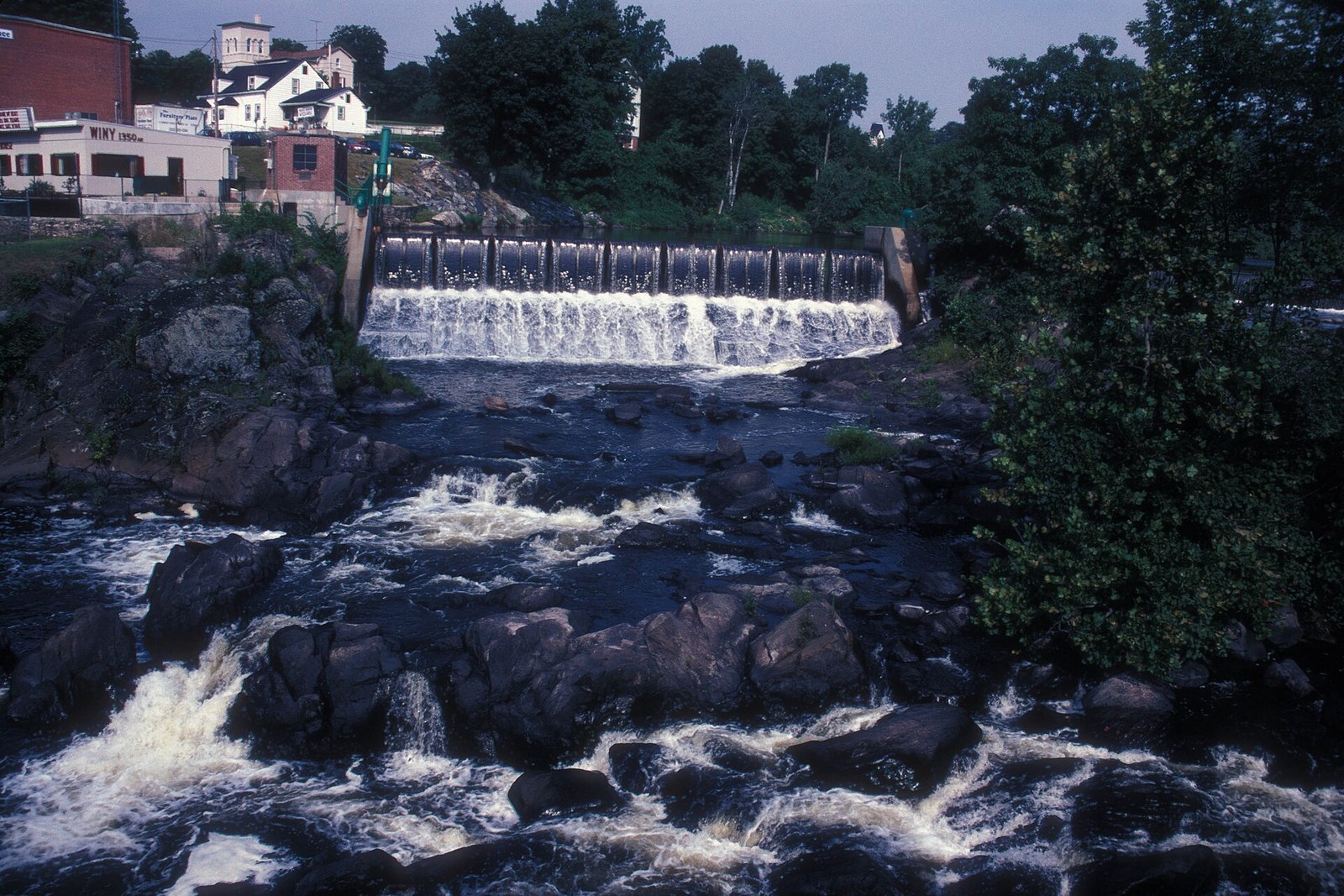
Independent hosts in Quiet Corner Connecticut run into the same mismatch every season: a heritage-corridor press release and a listing's booking calendar are not the same document. The Last Green Valley earned its National Heritage Corridor designation in 1994, and that label covers a driving region stretching across northeast Connecticut into south-central Massachusetts. It tells a visitor where to point the car. It does not tell a Woodstock host what one house will book in October.
This page works from two sources only: the AirROI market year published for Woodstock listings, and the facts already sitting on a live Quiet Corner listing. It adds no occupancy lift, no ranking, and no fee schedule that isn't already public record. Where a question turns into a legal, tax, or accessibility judgment call, this is not legal advice, and the right move is to confirm the specific answer with a qualified professional before changing anything on the listing. This is not legal advice.
The Heritage Corridor Label Describes a Region, Not a Rental Calendar
The Last Green Valley designation dates to 1994, and it functions the way most federal heritage-corridor programs do: it markets a multi-town driving route to people planning a day out, not a specific overnight stay. The corridor spans dozens of towns across two states, which means any single number attached to "the corridor" is already an average diluted across far more listings and far more towns than the one a host actually operates.
A host who borrows corridor-wide language for a Woodstock or Putnam listing is marketing a region nobody can book. Guests reserve a specific house on a specific road, not a heritage trail. The corridor designation is useful as a reason a guest might already be driving through , it is not a number to cite as if it were the listing's own performance.
Keep the corridor story in the paragraph that explains why guests are nearby in the first place, and keep the listing's own numbers in a separate, clearly labeled line. Blending the two makes both claims less credible.
Woodstock's Published Year: $38,291 on Twenty Listings
AirROI's typical year for Woodstock listings prints $38,291 in revenue on a sample of 20 active listings, with average daily rate at $382, occupancy at 40.9 percent, and RevPAR at $137. That is the one number on this page a Woodstock host can compare a real trailing year against , it is a market average, not a promise, and not a floor.
Twenty listings is a small sample. A single high-performing lakefront house or a single long vacancy can move that average more than it would in a market ten times the size. Treat $38,291 as the desk figure to measure against, not a target guaranteed by geography.
If a listing is underperforming that average, the fix usually sits in the photos, the pricing calendar, or the house description , not in adding more heritage-corridor language to the about section. If it's outperforming the average, that's worth stating plainly on the listing rather than hiding behind vague claims about the region.
Roseland Cottage Draws Museum Visitors, Not Booked Nights
Roseland Cottage sits in Woodstock as a well-known pink Gothic Revival house museum, and it draws its own visitor traffic independent of any nearby short-term rental. A person touring the cottage's parlor on a Tuesday afternoon is a museum guest, not a name on a booking calendar , the two audiences overlap in geography but not in behavior.
Museum foot traffic is a day-trip pattern: arrive, tour, leave. It says nothing about how many of those visitors need an overnight bed nearby, and nothing about which weekends they travel. Citing Roseland Cottage's popularity as evidence of rental demand skips the actual question, which is whether those visitors are staying overnight at all.
Where Roseland Cottage is genuinely useful is as a named, specific reason a guest might already be in Woodstock for the day , a detail that makes a listing description feel real instead of generic. It is not a stand-in for occupancy data.
Putnam's Antique District Is a Retail Draw, Not an ADR Signal
Putnam's antique shops pull a steady stream of shoppers on weekends, and that shopper count is a genuine, countable fact about the town. It is also a retail metric, not a lodging metric. A busy Saturday on Main Street measures foot traffic through storefronts, not room-nights booked at any rate.
Confusing the two produces the kind of marketing line that sounds impressive and means nothing: "Putnam draws thousands of visitors" says nothing about whether those visitors book a Quiet Corner listing or drive home the same evening. Antique shoppers are frequently day-trippers making a loop through several towns.
A host near Putnam can name the antique district specifically in a listing description , that's concrete and true , without implying that shopper traffic translates into a occupancy or ADR figure it was never designed to measure.
Mashamoquet Brook State Park Traffic Sits Outside the Booking Window
Mashamoquet Brook State Park sees its own visitor traffic for hiking, picnicking, and day recreation, separate from any lodging demand in the surrounding towns. Like the museum and retail examples above, park attendance is a day-use number, and a busy trailhead parking lot on a Saturday says nothing about whether those hikers reserved a bed anywhere overnight.
This matters most for hosts tempted to cite general park visitation as proof of a strong rental market. The park's popularity is real and worth mentioning as a nearby amenity. It is not a substitute for a listing's own occupancy history or the Woodstock AirROI figures already published.
Name the park as a reason to stay in the area for a weekend, not as evidence that a weekend was already booked.
A 45-to-60-Minute Drive From New York and Boston Explains the Demand, Not the Occupancy
The Quiet Corner sits roughly a 45-to-60-minute windshield from origin cities including New York and Boston along I-84 and US-44, and guests booking the corridor are 95.6 percent domestic. That drive-time window is genuinely useful context: it explains why a Friday-afternoon guest exists at all, and it's worth stating plainly in a listing's about section.
Hartford is the closer drive for many of these towns, but Hartford functions as a pass-through, not the origin market itself , most of the demand this page can verify traces back to the longer-distance New York and Boston trips, with some visitors treating the corridor as a day loop rather than an overnight stay.
Drive-time context answers "why would someone come here," which is a real marketing question. It does not answer "how many nights will this house book," which is a different question the Woodstock AirROI year already answers better.
Occupancy Tax Is a Remittance Line Item, Not a Revenue Number
Connecticut short-term rental stays are subject to state lodging tax that a host collects and remits , a pass-through obligation, not part of the listing's actual revenue. Confusing a tax remittance total with the AirROI revenue figure produces two different numbers that shouldn't be compared to each other.
This is not legal advice, and the exact rate, filing frequency, and registration requirement should be confirmed directly with the Connecticut Department of Revenue Services or a qualified tax professional rather than inferred from a marketing page. What belongs on a listing page is a plain statement that occupancy tax applies and is included in the total price guests see at checkout.
Keep the tax line and the revenue line in separate, clearly labeled places on any internal spreadsheet or public page. Treating them as the same number is a common and avoidable mistake.
How to Read the Woodstock Number Against Your Own Listing
Start by pulling a real trailing-twelve-month figure for the specific listing, then compare it against the Woodstock AirROI year of $38,291 revenue, $382 ADR, and 40.9 percent occupancy , not against a blended corridor-wide story that includes Pomfret, Putnam, and every other Quiet Corner town at once.
If the listing sits closer to Putnam or Pomfret than Woodstock, that's worth noting explicitly rather than borrowing the Woodstock figure as a stand-in. Each town's sample is small enough that mixing them produces a number nobody can actually verify.
The practical test for any claim on this page: could a stranger check it against the published AirROI year or the live listing itself? If the answer is no, it doesn't belong in the marketing copy.
Related Reading
More Quiet Corner , Woodstock, Pomfret, and Putnam, Connecticut reading already live on Crest & Cove.
Frequently Asked Questions
What does the Last Green Valley's 1994 heritage designation actually measure?
It's a federal National Heritage Corridor designation from 1994 covering a multi-town driving region across northeast Connecticut and south-central Massachusetts. It markets the corridor to day-trip and weekend visitors as a driving destination. It does not track occupancy, revenue, or booking counts for any individual listing, so it shouldn't be cited as a performance stat on a rental page.
Is Woodstock's $38,291 AirROI year a fair benchmark for my own listing?
It's a reasonable starting comparison, sourced from a 20-listing sample with $382 ADR and 40.9 percent occupancy — but 20 listings is small enough that one standout property can pull the average up or down. Use it as a baseline to measure your own trailing twelve months against, not as a guaranteed outcome tied to being in Woodstock.
Does Roseland Cottage's visitor traffic mean nearby listings should expect more bookings?
Not directly. Roseland Cottage draws its own day-trip museum audience touring the historic house, and that traffic is a separate behavior from overnight lodging demand. The two can coexist in the same town without one predicting the other. It's a fine detail to name in a listing description, but not evidence of occupancy.
How should hosts read Putnam's antique shop traffic in their marketing?
Putnam's antique district pulls real weekend shopper traffic, but that's a retail metric, not a lodging one. Shoppers frequently loop through several towns in a single day without booking anywhere overnight. Naming the antique district specifically is honest and useful; implying its foot traffic sets an ADR or occupancy expectation is not.
Does Mashamoquet Brook State Park's popularity drive occupancy the way it seems to?
No — park visitation is a day-use pattern of hikers and picnickers, and a full trailhead lot doesn't indicate how many of those visitors reserved lodging anywhere nearby. The park is a legitimate amenity to mention in a listing description, but its attendance figures aren't a stand-in for a listing's own booking history.
Why does the 45-to-60-minute drive from New York and Boston matter if it isn't an occupancy number?
It explains where demand originates. Guests booking Quiet Corner listings are 95.6 percent domestic, and that drive-time window along I-84 and US-44 is the actual reason a Friday guest exists in the first place. It's useful context for an about section, separate from the occupancy math the Woodstock AirROI figures already cover.
Do Connecticut short-term rental hosts need to worry about occupancy tax in the Quiet Corner?
Yes — state lodging tax applies and is a pass-through amount a host collects and remits, not part of the listing's actual revenue. This is not legal advice; confirm the current rate, registration, and filing requirement directly with the Connecticut Department of Revenue Services or a tax professional before setting up collection on a booking platform.
Should hosts combine Woodstock, Pomfret, and Putnam visitor numbers into one Quiet Corner story?
No. Each town's sample is small on its own, and blending them produces a number nobody can verify against a real source. Keep town-level figures labeled by town — Woodstock's AirROI year stands on its own and shouldn't be stretched to describe Pomfret or Putnam listings.
What is the single most useful number for a Quiet Corner host to actually use?
For Woodstock listings specifically, the AirROI year — $38,291 revenue, $382 ADR, 40.9 percent occupancy, $137 RevPAR — is the one figure sourced clearly enough to compare against. Every other figure on this page (drive time, museum traffic, antique shop counts) is context, not a comparable performance number.
When should a Quiet Corner host bring in a professional instead of handling this alone?
Bring in a qualified professional for anything touching tax registration and remittance, lease or contract terms, insurance coverage, or accessibility compliance — this page is not legal advice on any of those fronts. For marketing and listing-copy decisions, the AirROI figures and the live listing itself are the right sources to work from directly.
Work with Crest & Cove Creative
A federal heritage-corridor designation from 1994 tells a visitor which towns to drive through. It never tells a Woodstock host what one specific house will book in October.
Work with Crest & Cove Creative to rebuild a Quiet Corner listing page around the Woodstock AirROI year and the drive-time facts that are actually verifiable, not a regional tourism slogan borrowed from a heritage-corridor brochure. Reach out at crestcove.co/audit or (256) 998-7502 and we'll pressure-test which numbers on your page can actually be defended before it goes live.
Reach out at crestcove.co or (256) 998-7502.


Comments