
Rising Fawn Shoulder Season: January, February, and September Between Three Peaks

Updated: Aug 27
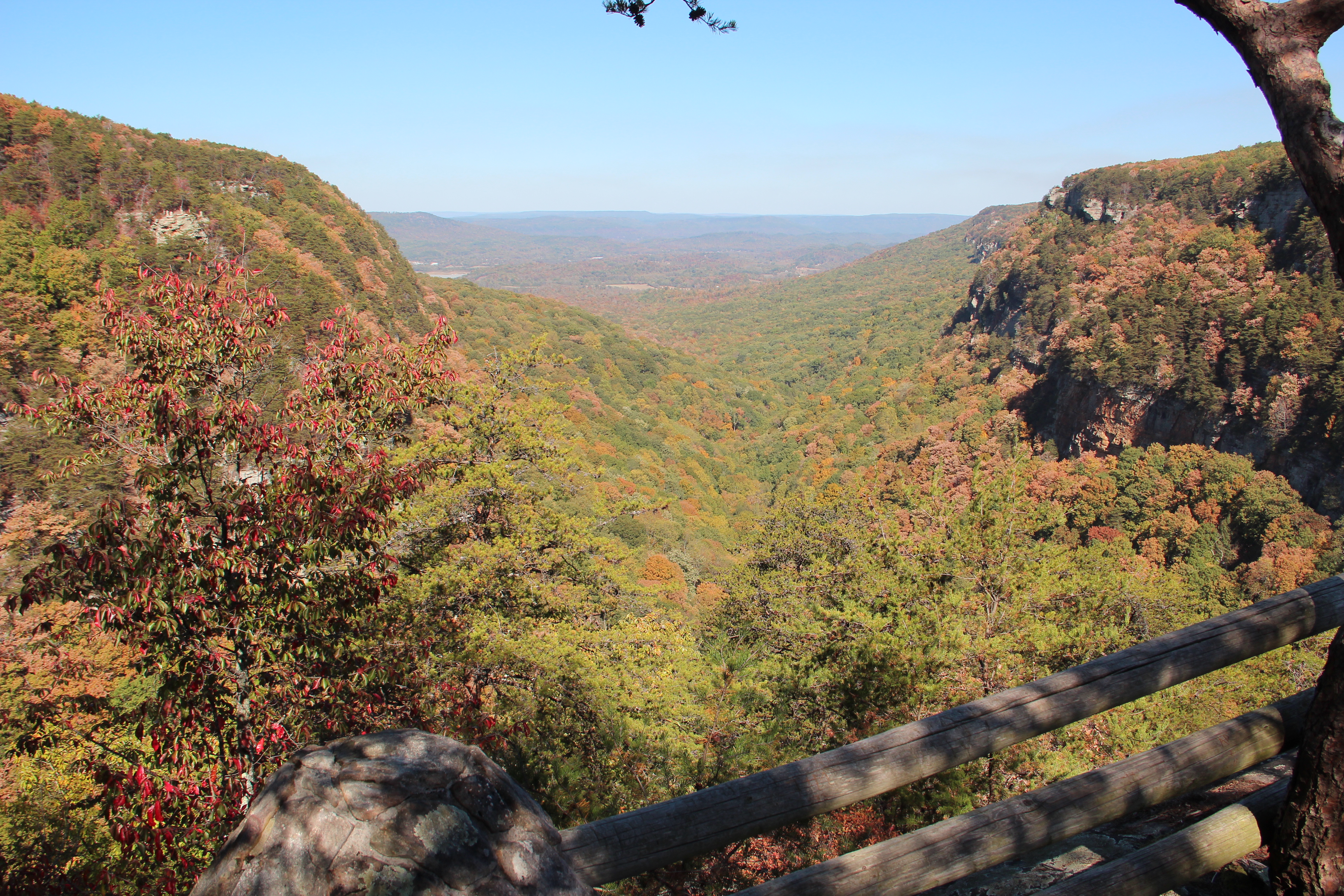
Rising Fawn does not run a leaf-and-ski calendar. AirROI's Rising Fawn file, locked August 8, 2026, prints a canyon year: peak month October, peak-three October, November, and March, with lows in January, February, and September. Shoulder on this rim means April through May. Those are the months that actually sit between a March waterfall Saturday and the October overlook shop window. September is a low month on this file. Do not steal it into a secret leaf peak and then wonder why the calendar looks like a brochure from another plateau.
Peak-season months on that file average about $4,487 in revenue, 51.1 percent occupancy, and an ADR near $258. The low band , January, February, September , averages about $2,794 and 32.7 percent occupancy, with an ADR near $239. Typical year prints $34,574, and median month prints $2,494. Occupancy for the typical year is 38.5 percent, and one hundred fifteen listings. This page will not invent an April nightly band, a May nightly band, or a September nightly band. Pull your own 2025 same-month comps the week you lock rates.
Themarket reportalready owns the file. The28-night cabinpage owns January, February, and September fill. Theweekend from Chattanoogapage owns the Friday I-24 and GA-136 clock. This page is the calendar wall: price April and May as the first honest shoulder, refuse to copy October onto a Tuesday in late September, and keep June from becoming a fake revenue peak just because the nightly printed high. Origin is Chattanooga, then Atlanta, and professionally managed share is 21.7 percent CLEAR.
October, November, and March are the peaks
Name the year the file actually printed. October is the revenue peak and the occupancy story of a West Rim Saturday. November sits with it because cooler porch light and a quieter stair day already shop as a high, not as leftover October. March is the third peak , waterfall flow on Cherokee and Hemlock after winter rain, not leftover February wearing a wildflower caption. Peak-three is October, November, and March. Those three months are the shop windows Chattanooga already understands. A host who writes "fall in the mountains" and then pastes a leaf caption onto a September Tuesday is arguing with the vendor months.
Do not flatten occupancy onto revenue. Peak-season months can print about $4,487 on average while a single October Saturday still wants your own 2025 comps, not a copied November total. That is season context, not permission to copy one nightly number across every Friday from Labor Day to Thanksgiving. One hundred fifteen listings is a small field, and superhost share is 77.4 percent. Professionally managed share is 21.7 percent CLEAR, and the field already grades the same honesty. Keep the first frame matched to the month the guest will arrive.
This page will not invent an October ADR cell, a November ADR cell, or a March ADR cell beyond those peak-season averages. The market report already owns the file, and link it. Do not reprint the table. The job here is simpler: keep March labeled as a peak. A host who moves March into a leftover-winter column will price a high like a leftover week and then meet a Chattanooga shopper who already treated it as a high. Photograph the house you will hand over in that month.
September is a low month, not a secret leaf shoulder
September is the trap. Hosts who grew up on a leaf brochure want to Keep it as a hidden high. AirROI does not. September sits in the low band with January and February. Low-season months average about $2,794, 32.7 percent occupancy, and an ADR near $239. Labor Day can still convert a Friday. The rest of the month is not a second October. The overlook shop window has not started, and peak-three has not arrived. Price September as a quieter rim week, not as discounted leaf.
Do not steal October into the shoulder column so September can look like a runway. October is already a peak month on this file. A host who writes "leaf season starts in September" is inventing a fourth high the vendor did not print. Keep the listing live so a Chattanooga two-night can still find you after Labor Day. Drop an October three-night rule if your own 2025 September comps show two-nights converting. Do not leave last October's minimum on a midweek in the third week of September. Labor Day is a dated Friday, not a license to copy October onto the rest of the month.
This page will not invent a September ADR band. Host the comps. Theweekend from Chattanoogapage already owns the Friday I-24 to GA-136 clock. This section only needs the product: a porch that is still honest, a canyon that is no longer pretending to be the October Saturday, and a park that still takes a Park Pass. Photograph that week. Do not photograph a packed West Rim lot you will not have. Lead time averages 44 days. A host who waits until October to open September has already missed the household that shops late summer in July.
April and May are the first honest shoulder
April and May are the real first shoulder. The canyon is still the product. Cloudland Canyon State Park still sits at 122 Cloudland Canyon Park Road, Rising Fawn, GA 30738, 3,538 acres,. Park Pass still prints $10 daily and $70 annual on gastateparks.org/Park Pass. Confirm the live park page the week a guest arrives. This draft will not invent a trail fee this park did not print. Sell a quieter rim weekend and a stair afternoon if the third night can hold it. Do not sell an October Saturday you cannot keep.
Stay length averages 3.3 nights across the year and drops to 2.7 in January. Do not keep an October four-night minimum on an April Friday. Chattanooga can still convert a Friday-to-Sunday if the first frame matches a rim morning and a porch that is honest about spring. Lead time averages 44 days. April is already a shorter stay, not a second October. Price the month off your own 2025 April comps. This page will not invent the nightly number. Photograph the house you will hand over, not last October's packed overlook.
Thecomplete visitor's guidecan hold the three-day spine. Thewho bookspage already split the rim hiker from the waterfall guest. Point, and do not rebuild either encyclopedia here. A listing that opens on an October hero and then accepts an April weekend is writing the review about a canyon the guest did not get. Change the first frame. Or keep the October minimum and accept the dark night. April and May are the first honest shoulder on this file, and the listing has to look like those months.
January and February are the trough, not a winter peak
January and February sit in the low band with September. They are remnant Chattanooga weekends and, if the house can work, a 28-night desk. They are not a ski shoulder. This hamlet is not a ski town. Do not Keep a snow-report caption onto a canyon porch. Heat you can photograph, a kitchen that works, and a closed door for a laptop are the product. Do not keep an October West Rim hero on the February listing. The review will name the empty lot you advertised.
A 28-night January is allowed as a separate product if the house can actually work. That page is the28-night cabin. January is still January if the guest stays four weeks. Do not sell January as fifteen percent off October. Leave out unverified a monthly ADR band. Leave out unverified a tax holiday from a blog. A 28-night stay is still a short-term stay under Dade's hotel-motel line on stays of 30 days or fewer. Hedge the 30-plus line from the county page, and file what you owe.
Minimum-stay and cleaning-fee math matter more in this band than a new hero photograph. Cleaning median is $125 and the average is $134 on 97.4 percent of listings. A two-night February turn has to clear that invoice or you do not have a February weekend product. You have a policy leftover from October, and change the minimum. Offer the month, and or accept the dark night. Do not hide the choice behind a ski adjective this rim does not earn. Origin is still Chattanooga, and a February Friday is still I-24 and GA-136. Confirm Maps, and Leave out unverified the minute.
June can print a higher nightly without being the revenue peak
June is the other trap. Hosts who watch a nightly cell will call June a peak because the ADR printed high. Revenue peak on this file is October, and peak-three is October, November, and March. A higher June nightly is not a June revenue peak. Leave out unverified the June ADR cell, and pull your own 2025 June comps. Do not copy October occupancy onto a June Tuesday and then wonder why the month did not print like leaf season. ADR and revenue are different columns, and keep them apart when you Keep the year.
Summer on this rim is still a canyon Saturday. It is not a beach calendar and not a second October. Hold weekend structure when your own book shows full Fridays. Drop the leftover March three-night rule if June midweeks sit dark. One-night stays already sit on 40.9 percent of the file. A one-night Saturday in a soft June week can cut the only weekend Chattanooga still wanted. Two-night sits on 31.3 percent. Instant Book is only 19.1 percent. If you turn it on in June, say why.
This page will not invent a June occupancy series. The market report already owns the year, and link it. The job here is the calendar wall: do not let a high nightly rewrite the peak-three. October still shops as the high, and march still shops as the stair high. June is a summer month you price off your own comps, not off a brochure that needed a different lake. Photograph the house you will hand over in heat, not last November's grey rim. Lead time averages 44 days. Open the June calendar before the shop window closes.
Two-night weekends and 28-night fill do not share a calendar
AirROI already shows 31.3 percent of listings on a two-night minimum, 40.9 percent on one-night, and 24.3 percent on a 30-night or longer floor. Those are two products sharing one published market year. Hold two-night Friday-to-Sunday or three-night Thursday-to-Sunday through October, through November, and through March weekends when your own book shows full Fridays. Drop to two-night or midweek-friendly in April, May, September after Labor Day, and the January-February trough. Do not leave an October three-night rule on a February Friday Chattanooga only wanted for two nights.
A 28-night product is hole fill when the house can actually work, not fifteen percent off October and not a March discount. The remote page is that desk. January, February, and September are when that desk can matter. A monthly at a discounted nightly is still better than a dark cabin. It is not a secret fourth peak. Do not blend a desk month into an October Saturday or a March waterfall Friday. Two products, and two calendars, and one published market year. Instant Book is only 19.1 percent on the file. If you turn it on for a February month, say why.
Publish a weekly total so a drive guest can do the math without opening a chat. A one-night Saturday in April cuts the only weekend Chattanooga still wanted. Lead time averages 44 days. A host who waits until the overlooks feel like October to open the calendar has already missed the household that shops spring in March. Keep the listing live, and match the minimum to the month. Twenty-four point three percent of this file already posts thirty-plus. That slice is real. It is not a reason to block the October Saturday you can still sell.
Match the first frame to the month the guest reserved
A listing that opens on an October West Rim hero and then accepts a February weekend is writing the review about a canyon the guest did not get. Change the first frame. Or keep the October minimum and accept the dark night. Peak-three photographs belong on peak-three reservations. January heat, a grey porch, and a measured kitchen belong on January. September is a low month. Do not leave a leaf stack on that Tuesday. Lead time averages 44 days. The shop window is already open while you are still looking at last October's lot.
Stay length averages 3.3 nights across the year and drops to 2.7 in January. That shorter January stay is not a reason to keep an October four-night rule. It is a reason to photograph the house you will actually hand over in that month. Instant Book is only 19.1 percent on this file. If you turn it on in a hole month, say why. If you leave it off, say why. Superhost share is 77.4 percent. The field already grades the match between the caption and the Saturday the guest walked.
Thewho bookspage already split the rim hiker from the waterfall guest. This section only needs the calendar half of that honesty. A March stair photograph on an April rim Saturday is the same class of error as a packed-overlook hero on a September Tuesday. Match the month, and match the person, and then stop. Leave out unverified a café name to fill a thin February caption. Leave out unverified a Friday minute to make a dark week feel closer to Chattanooga than it is. Confirm Maps, and confirm, and photograph the porch you still have.
What a Rising Fawn shoulder listing should not invent
Leave out unverified an ADR band for April, May, September, January, February, June, or the peak months. Pull your own 2025 same-month comps. Do not Keep September as a secret leaf peak. Do not steal March into a leftover-winter column. Do not Keep a generic ski-shoulder template over a canyon hamlet that peaks in October, November, and March. Leave out unverified a Friday minute from Chattanooga, and Leave out unverified a café name. Leave out unverified a Dade visitor-spend dollar, and confirm for the park.
Do not rebuild thevisitor hub, theweekenddrive, theoverlookspage, or thewaterfallspage, and link them, and reprint is the failure. Do not blend a 28-night desk month into an October Saturday. Do not leave an October four-night rule on an April Friday. Do not photograph a packed overlook on a September Tuesday.how to marketpage is the canyon copy job. Therulespage is the Dade-versus-Trenton map. This page is the calendar wall, not a second visitor encyclopedia.
April through May is the first honest shoulder, and september is a low month. January and February are the trough and the desk. October, November, and March are the peaks. June can print a higher nightly without becoming the revenue peak. Drop the peak minimum in the hole, and keep the listing live through the shop window. Match the first frame to the month. That is the only shoulder sentence this AirROI file will support. Facts lock August 16, 2026, and refresh AirROI the week you set the year. A leaf template will not become a canyon calendar.
Related Reading
More Rising Fawn, Cloudland Canyon, Dade County, and Trenton reading already live on Crest & Cove.
Cabin and Canyon: Rising Fawn GA Short-Term Rental Report 2026
How to Market a Rising Fawn Cabin: Cloudland Canyon, Not Rock City
DIY vs Hire in Rising Fawn: Canyon Photos on a 115-Listing Rim
Is a Property Manager Worth It in Rising Fawn? 21.7% PM on the Canyon Rim
Is Rising Fawn a Good Short-Term Rental Investment in 2026? One Unit at $2,494
Who Books a Rising Fawn Cabin: Rim Hiker, Waterfall, Chattanooga Overflow
Cloudland Visitation and Dade County Spend: What the Tourism Number Measures
The Complete Visitor's Guide to Rising Fawn and Cloudland Canyon
What It Actually Costs to Start an Airbnb in Rising Fawn, GA
Financing a Rising Fawn Canyon Cabin: DSCR vs Second-Home on $2,494
Cloudland Canyon West Rim Overlooks: Main Overlook, Overlook 2, and the Loop
Cloudland Waterfalls and Sitton's Gulch: A Different Trailhead Than the West Rim
Frequently Asked Questions
What are Rising Fawn's peak and low months?
Peak months are October, November, and March; the low band is January, February, and September. Peak-season months average about $4,487 in revenue with roughly 51.1% occupancy and an ADR near $258, while low-season months average about $2,794 with roughly 32.7% occupancy and an ADR near $239.
Is September a hidden fall-foliage peak?
No, September sits in the low band alongside January and February. It's a quiet stretch after summer and before the October leaf-viewing rush begins, not a secret high season, and pricing it like October risks leaving the calendar empty.
When is the real shoulder season in Rising Fawn?
April and May are the honest shoulder months, sitting between the March waterfall-season weekends and the October leaf-season rush. Since specific nightly rates for those months aren't part of this market's published data, pull your own prior-year comps for April and May before locking in rates.
Is June a revenue peak just because the nightly rate looks high?
Not necessarily, a higher nightly rate in June doesn't automatically mean it's a revenue peak, since ADR and total revenue are different measures. The confirmed revenue peak is October, with November and March rounding out the top three; June's actual performance should be checked against your own prior-year bookings rather than assumed from rate alone.
How should I treat January and February bookings?
Treat them as remnant weekend traffic from Chattanooga and, if the house is suited for it, a potential 28-night desk stay, not a ski-season product, since Rising Fawn isn't a ski destination. A working kitchen, reliable heat, and a closed-door workspace are what actually sell during this stretch.
How should minimum-stay requirements change across the year?
Hold a two-night Friday-to-Sunday or three-night Thursday-to-Sunday minimum through the October, November, and March peak weekends. Drop to a two-night or midweek-friendly minimum during April, May, September (after Labor Day), and the January-February low season; roughly 31.3% of area listings already run a two-night minimum, a reasonable baseline.
Is a 28-night stay a fourth peak season?
No, a 28-night monthly rate is meant to fill low-season vacancy when the house can support it, not a discount off October or March pricing. AirROI data shows about 24.3% of area listings already run a 30-night-or-longer minimum option, distinct from the two-night (31.3%) and one-night (40.9%) minimums used for weekend bookings.
What shouldn't I claim about the low-season months?
Avoid inventing an ADR figure for months where one hasn't been published, a "secret" September fall-color peak, unconfirmed cafe names or hours, or a specific visitor-spending dollar figure for Dade County that isn't documented. Stick to your own prior-year comps and the confirmed peak/low breakdown.
Where do most Rising Fawn guests come from?
Chattanooga is the primary origin, with Atlanta as a secondary source. That drive-market pattern is useful for targeting ads and messaging, but it doesn't change the underlying seasonal occupancy pattern or justify inflating a low month's pricing.
Does setting a 30-night minimum actually fill a slow month on its own?
No, a 30-night minimum is just a booking filter; the underlying typical stay length in this market is still short. Filling a slow month genuinely requires a monthly-rate product suited to real month-long living, not just a longer minimum-stay setting.
Work with Crest & Cove Creative
A Rising Fawn listing pricing September like a secret leaf-shoulder month is pricing against a trough, not the real peaks of October, November, and March. January and February deserve copy that matches the actual slow season, not a hopeful one.
We help Rising Fawn hosts match pricing and listing copy to the real calendar -- peak months, the September dip, and the January-February trough -- instead of guesswork. Send your live listing to crestcove.co or call (256) 998-7502 for a calendar-accurate rewrite.
Reach out at crestcove.co or (256) 998-7502.


Comments