
Rye, NH Shoulder Season Strategy for STR Hosts for Independent Hosts

Updated: Aug 28

Rye, NH runs on a short, intense clock. Memorial Day through Labor Day is where a cold-water Seacoast property like this makes most of its money, and the rest of the year looks nothing like that stretch. This isn't a market with a mild off-season that quietly keeps paying the mortgage , it's a market with a real, extended closure, and pretending otherwise leads to pricing and staffing decisions that don't hold up. The honest question for an owner here isn't "how do I fill winter." It's "how far can I stretch the edges of the season I actually have.".
Rye's Real Calendar, Not a Generic Northeast One
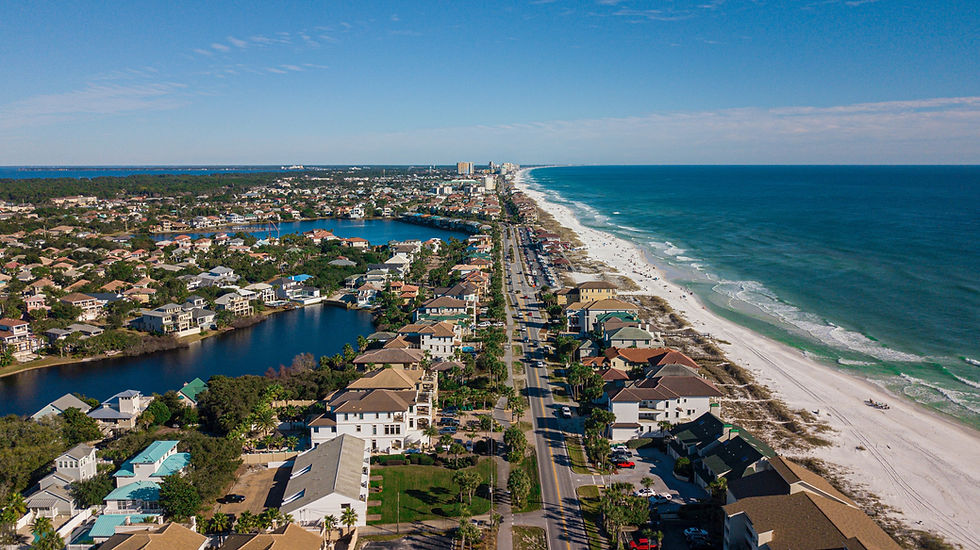
It matters that Rye is a coastal town and not a mountain one. There's no ski season propping up December through March here the way there is two hours north and west in the White Mountains, and there's no snowbird counter-season either , Rye doesn't pull the long-stay winter crowd that Florida or the Carolinas do. What Rye has is a compressed summer beach season (July and August are the hottest booking months, with June and September doing meaningful volume too), a real fall shoulder tied to foliage travelers passing through or heading further inland, and a winter that goes genuinely quiet. Whale watches and harbor fishing trips out of Rye Harbor typically run mid-May through mid-October and stop after that. State park facilities along this stretch of coast scale back staffing and close comfort stations for the off-season. None of that is a mountain-town template applied loosely to a beach market , it's specific to how this particular stretch of coast operates, and it should be treated as the working assumption until an owner's own multi-year booking data confirms or adjusts it.
The Two Windows Actually Worth Fighting For
Peak season sells itself. The real strategy work happens in the two to three weeks on either side of it , early-to-mid June before the crowds fully arrive, and September into early October after Labor Day thins them out. The weather in both windows is still genuinely good on the Seacoast, and there's a real, if smaller, base of guests still moving: leaf-peepers routing through New Hampshire's coast on the way to inland foliage, off-peak couples, and locals-in-the-know who deliberately avoid July and August. A calendar built entirely around a rigid 7-night peak-season minimum turns all of those guests away by default, not by choice.
The fix is specific, not vague. Drop the minimum stay to 3-4 nights in the defined shoulder weeks only , not sitewide, not year-round , and price 15-20% below true peak rate rather than holding full summer pricing into a month that can't support it. That gap is the difference between a listing that looks overpriced for the season it's actually in and one that reads as a smart, still-premium option. Shoulder-season guests are usually price-aware without being bargain hunters; they're not looking for a steep discount, they're looking for a rate that matches what June or late September actually offers compared to August.
Why the Winter Closure Deserves Honesty, Not a Workaround
A genuinely quiet Seacoast winter isn't a marketing problem to be solved with better photos or a lower nightly rate. Chasing occupancy through December, January, and February on a property built around beach access is usually fighting a market that was never going to deliver those bookings, and every dollar spent trying to manufacture winter demand here is a dollar not spent making the actual season better. The more realistic move is accepting the long vacancy stretch as structural, not as underperformance, and using it for something a short, intense summer season never leaves room for: real maintenance.
That means the deck refinish, the HVAC service that's hard to schedule in July, deep carpet and upholstery cleaning, exterior paint touch-ups, appliance replacements, and any renovation work that would otherwise eat into bookable nights. An owner who treats winter as planned downtime instead of a problem to chase tends to walk into the next summer with a property in better shape and a calendar that wasn't disrupted by contractors during a $400-a-night week. If a handful of winter bookings do come in , a storm-watching weekend, a holiday family gathering, a workation from someone drawn to the quiet coastline , treat them as a bonus on top of the maintenance plan, not the plan itself.
Pricing the Shoulder Weeks Without Guessing
Static shoulder pricing set once in the spring and left alone tends to leave money on the table in both directions. The better approach is a light, ongoing adjustment inside the defined shoulder windows: watch actual booking pace for early June and September-October specifically, and nudge rates within that 15-20%-below-peak band based on how quickly nights are filling relative to the same weeks the prior year. A slow-filling shoulder week can come down closer to 20% off; a shoulder week booking briskly can hold closer to 15% off. This isn't dynamic pricing software guesswork applied blindly , it's a deliberate, bounded range tied to a calendar the owner already knows is short.
Minimum-stay flexibility matters as much as rate here. A guest who wants a 3-night early-June weekend and is turned away by a leftover 7-night rule doesn't come back and book a longer stay instead , they book somewhere else that said yes. Loosening the minimum specifically inside shoulder weeks, and only there, captures demand a peak-season calendar structure was never designed to accept.
Why Rye's Distance From Boston Shapes the Shoulder Season
Rye sits about 57 miles from Boston, roughly an hour and ten minutes door to door on I-95, and that proximity matters more in the shoulder weeks than it does in peak summer. In July and August, Rye pulls from a wide radius , multi-state road trips, longer vacations, guests flying into Boston or Manchester and driving the rest of the way. In early June and September into October, the guest mix tilts noticeably toward a closer-in, shorter-trip Boston-metro traveler: a weekend away rather than a full vacation, booked with less lead time and less tolerance for a long drive on either end. That has a direct pricing implication. A shoulder-season guest weighing a Rye weekend against a similarly priced option in, say, coastal Maine or the Cape is often making the decision partly on drive time, and Rye's closer-to-Boston position is a real, usable selling point in a listing description or a search-ranking sense , not just a background fact about the town.
It also affects how far in advance shoulder-season bookings tend to come in. A guest planning a full week of summer vacation books months out. A guest grabbing a 3-night early-June or late-September weekend an hour from home often books two to four weeks out, sometimes less. An owner who only reviews and adjusts shoulder-season pricing once, back in the spring, is working off outdated assumptions by the time these closer-in bookings would actually arrive , which is part of why the pace-based rate nudging described above matters more in these windows than in peak season, where far-out demand is more predictable.
The Foliage Window, More Precisely
The "leaf-peeper" shoulder-season guest mentioned earlier isn't visiting on White Mountains timing, and treating the two as interchangeable undersells the opportunity. Peak foliage in the White Mountains typically lands in the last days of September into the first week or two of October. On the Seacoast, color peaks later , typically the second and third weeks of October, often October 10 through October 20 , because coastal microclimates and lower elevation delay the turn by a week or two compared to the mountains. That gap is useful. It means a Rye property can credibly market itself to a guest whose primary foliage trip already happened up north, positioning the coastal stay as a second, quieter foliage weekend rather than competing head-to-head with the White Mountains for the same early-October dates. A listing or pre-arrival note that gets specific about this , noting that coastal color is often best in mid-October, after the mountain crowds have thinned , reads as local expertise rather than generic New England marketing copy, and it gives an owner a legitimate reason to extend the shoulder pricing window a week or two later into October than a rougher, mountain-timed assumption would suggest.
Setting Expectations With Guests Booking the Edges
Shoulder-season guests booking Rye in early June or late September deserve an accurate picture before they arrive, not after. A listing description or pre-arrival message that notes which nearby restaurants and shops may be on reduced or seasonal hours, and which whale-watch or harbor tour operators have already wound down for the year, prevents the kind of disappointed review that has nothing to do with the property itself and everything to do with a guest expecting July conditions in late September. Owners who get ahead of this with a short, honest note in the listing or welcome guide tend to see better reviews from shoulder-season stays than owners who let guests find out on arrival.
The Bottom Line for a Property Like This
Rye isn't a market to force into a year-round occupancy story. It's a market with a real, short peak, two genuinely extendable shoulder windows worth specific pricing and minimum-stay adjustments, and an honest winter closure best used for maintenance rather than chased for bookings that were never coming. Getting the shoulder weeks right adds real nights to the calendar without discounting the peak season that actually funds the year. If it's been a while since the listing, pricing calendar, and shoulder-season minimums were reviewed together, a fresh look atcrestcove.cois a good place to start.
Frequently Asked Questions
When does Rye, NH's short-term rental season actually peak?
The core season runs Memorial Day through Labor Day, with July and August as the strongest booking months. June and September also see solid demand, especially in the specific shoulder weeks right before and after the core season. What Rye has is a compressed summer beach season (July and August are the hottest booking months, with June and September doing meaningful volume too), a real fall shoulder tied to foliage travelers passing through or heading further inland, and a winter that goes genuinely quiet.
Does Rye have a real winter tourism season?
Not in the way summer is a season here. Winter on this stretch of the Seacoast is genuinely quiet, with many seasonal operators , whale watch and harbor tour companies among them , stopping for the year by mid-October and not resuming until spring. This should be verified against a specific property's own booking history, since exact patterns can vary slightly by exact location and property type.
Is there a snowbird or long-stay winter market in Rye like there is in Florida?
The cold-water Seacoast doesn't attract the same long-stay winter visitor Florida or the Carolinas do. Winter demand here is limited and shouldn't be built into occupancy projections the way peak summer demand is. There's no ski season propping up December through March here the way there is two hours north and west in the White Mountains, and there's no snowbird counter-season either , Rye doesn't pull the long-stay winter crowd that Florida or the Carolinas do.
How much should shoulder-season rates come down from peak?
A real 15-20% below true peak rate is a reasonable range for the defined shoulder weeks , enough to look competitive for the season without undervaluing a still-desirable coastal property. Drop the minimum stay to 3-4 nights in the defined shoulder weeks only , not sitewide, not year-round , and price 15-20% below true peak rate rather than holding full summer pricing into a month that can't support it.
Should the minimum-stay requirement change for shoulder weeks?
Dropping from a peak-season 7-night minimum to 3-4 nights specifically in early-to-mid June and September into early October captures shorter shoulder-season bookings that a rigid peak-season structure turns away. The better approach is a light, ongoing adjustment inside the defined shoulder windows: watch actual booking pace for early June and September-October specifically, and nudge rates within that 15-20%-below-peak band based on how quickly nights are filling relative to the same weeks the prior year.
What should an owner do with the property during the winter closure instead of chasing bookings?
Use the extended winter vacancy for maintenance that a short, busy summer never leaves time for , deck and exterior work, HVAC servicing, deep cleaning, appliance replacement, and any renovation that would otherwise cost bookable nights during the real season. That means the deck refinish, the HVAC service that's hard to schedule in July, deep carpet and upholstery cleaning, exterior paint touch-ups, appliance replacements, and any renovation work that would otherwise eat into bookable nights.
Who books the shoulder weeks in Rye?
A mix of leaf-peepers passing through en route to inland foliage destinations, off-peak couples avoiding summer crowds, and repeat or local-area visitors who know the area well enough to prefer the quieter weeks. The weather in both windows is still genuinely good on the Seacoast, and there's a real, if smaller, base of guests still moving: leaf-peepers routing through New Hampshire's coast on the way to inland foliage, off-peak couples, and locals-in-the-know who deliberately avoid July and August.
Should the listing mention that nearby businesses may have reduced hours in the shoulder season?
A short, honest note about seasonal hours for nearby restaurants, shops, and tour operators helps set accurate expectations and heads off reviews based on surprise rather than the property's own quality. A listing description or pre-arrival message that notes which nearby restaurants and shops may be on reduced or seasonal hours, and which whale-watch or harbor tour operators have already wound down for the year, prevents the kind of disappointed review that has nothing to do with the property itself and everything to do with a guest expecting July conditions in late September.
Related Reading
Keep reading on same-cluster Crest & Cove pages that stay on labeled local lines without costume-corridor copy.
Rye, NH STR Market Report for Independent Hosts for Independent Hosts
DIY vs. Hire in Many, LA: Why Independent Hosts Still Run Most Listings
DIY or Hire in Depoe Bay: What the Numbers Say for STR hosts
DIY vs Hire in Seattle: Independents Still Write Most Listings
Financing a Springfield, MA Rental Without a Neighbor City Year
About the Authors
This guide was prepared by the Crest & Cove Creative team, which works with short-term rental owners across coastal New England on listing strategy, seasonal pricing, and market positioning grounded in each town's actual booking patterns rather than generic regional assumptions. A listing or pre-arrival note that gets specific about this , noting that coastal color is often best in mid-October, after the mountain crowds have thinned , reads as local expertise rather than generic New England marketing copy, and it gives an owner a legitimate reason to extend the shoulder pricing window a week or two later into October than a rougher, mountain-timed assumption would suggest.
Sources
Work with Crest & Cove Creative
A Rye listing pricing the foliage and Boston-weekend windows off a generic Northeast calendar leaves real nights unbooked or underpriced. This town's shoulder season runs on its own dates, not a regional average.
We help Rye hosts price the foliage window and the Boston-drive weekends around this property's actual calendar instead of a generic shoulder-season guess. Send your live listing to crestcove.co or call (256) 998-7502 for a dates-first review.
Reach out at crestcove.co or (256) 998-7502.


Comments