
Showing Cleaning Standards in Photos Without Looking Clinical

Updated: Aug 27
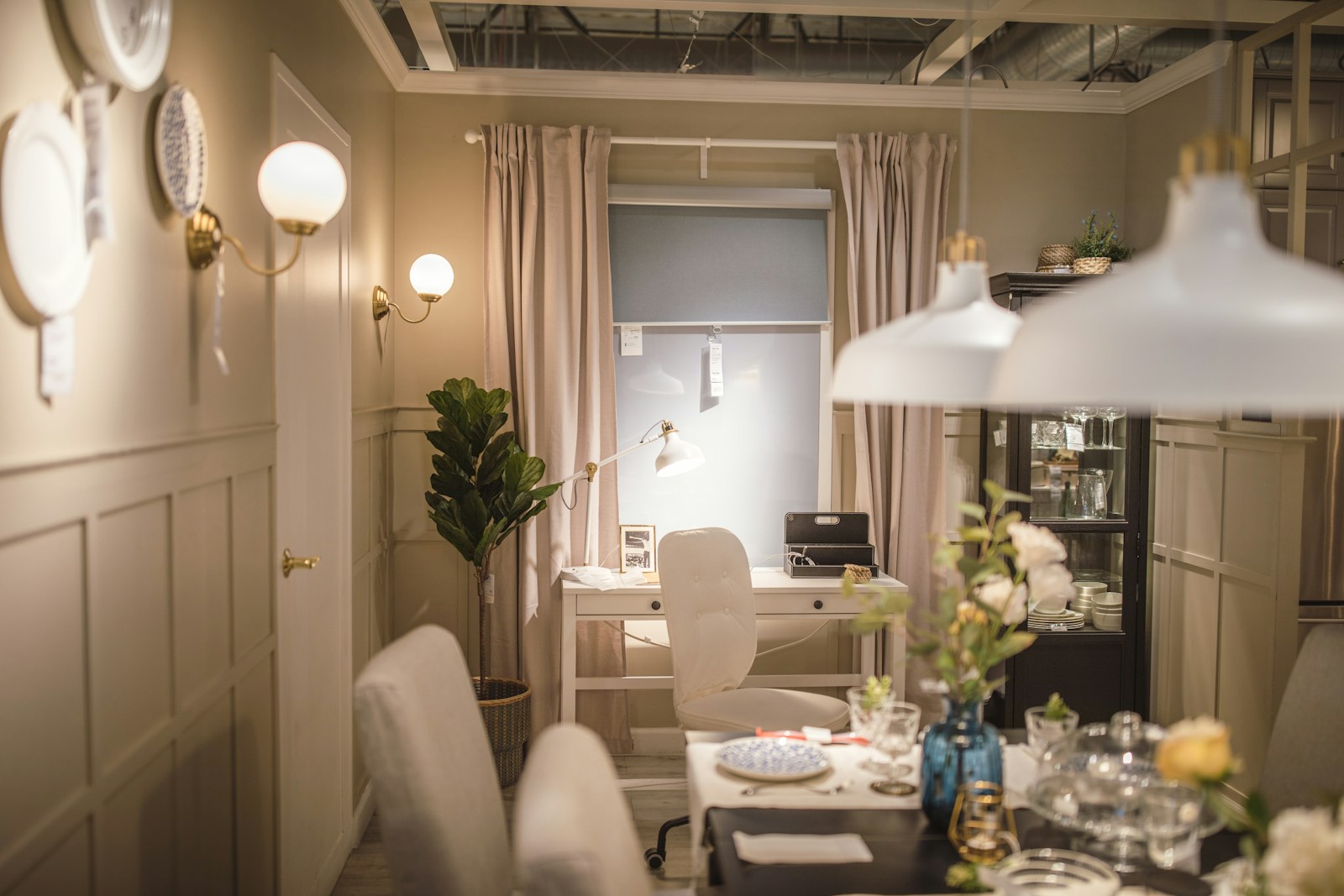
Cleanliness consistently ranks among the top factors guests cite when choosing a short-term rental, which pushes many hosts toward photos that over-signal it - a bathroom with towels folded into perfect triangles, a kitchen counter bare except for a single bottle of hand soap, lighting so bright and flat it looks more like a clinical inspection than an inviting stay.
That instinct comes from a real concern, but it usually backfires. A space that reads as sterile can feel less like somewhere a guest wants to relax and more like somewhere they're being processed through. The goal isn't proving cleanliness through visual sterility - it's showing a space that's genuinely clean and still feels like a place people actually live and enjoy.
This is about finding that balance: specific visual cues that communicate real cleanliness without stripping the warmth, personality, and lived-in comfort that make a guest actually want to book, not just trust that the sheets are washed. This is not legal advice.
Why Over-Staged Cleanliness Backfires
A bathroom photographed with every surface bare, every towel folded identically, and lighting so bright it flattens all texture reads as a stock photo or a hotel chain listing, not a specific, welcoming space a guest can picture themselves in.
Guests booking a short-term rental, as opposed to a hotel, are often looking for the opposite of clinical sterility - warmth, personality, a sense that real care went into the space beyond a checklist. Over-staged cleanliness photos undercut that positioning even while trying to reassure on a different dimension.
The irony is that excessive staging can actually undermine trust rather than build it - a space that looks too perfectly arranged can read as artificial, prompting a skeptical guest to wonder what the photos aren't showing rather than reassuring them about what they are.
What Actually Signals Real Cleanliness in a Photo
Crisp, well-made linens photographed in natural light communicate cleanliness more effectively than a stack of towels arranged like a hotel display - the goal is fresh and inviting, not staged and impersonal.
Clear surfaces with a few natural, in-place touches - a single plant, a stack of real books, a bowl of fruit - read as clean and lived-in simultaneously, which is a more accurate and more appealing representation of what a guest will actually experience.
Good lighting does more for perceived cleanliness than staging does. A well-lit room with natural light and minimal shadow reads as fresh and cared-for; a dim or oddly lit room can look uninviting even when it's spotless in person.
Bathroom and Kitchen Photos Specifically
For bathrooms, a clean mirror, fresh towels hung (not stacked) neatly, and a clutter-free counter communicate readiness without needing to be entirely bare - a small, tasteful arrangement of guest amenities can add warmth rather than undermine cleanliness.
For kitchens, a clean counter with a few purposeful items - a fruit bowl, a coffee setup - reads as more inviting and just as clean as a completely empty counter, which can otherwise look unused or impersonal rather than fresh.
Avoid photographing supply bottles, cleaning products, or anything that looks like evidence of a cleaning process in progress rather than its completed result - guests want to see the finished, ready space, not the labor behind it.
Bedroom Photos and the Balance of Crisp Versus Cold
Tightly made beds with fresh, wrinkle-free linens signal cleanliness clearly, but a bed styled with too few pillows or an entirely bare nightstand can tip from crisp into cold - a small amount of thoughtful styling keeps the warmth intact.
Natural light streaming into a well-made bedroom does more visual work than any amount of extra staging - if the room has good windows, shoot at the time of day that shows them off rather than over-relying on artificial lighting.
A folded throw blanket, a book on the nightstand, or a subtly placed decor item can add the sense of a real, cared-for space without undermining the crispness that signals the linens themselves are fresh.
Using Captions to Reinforce Cleaning Standards Without a Sterile Photo
A caption noting a specific, concrete cleaning practice - professional laundering between every stay, a detailed turnover checklist - can communicate real cleaning standards in words, freeing the photo itself to focus on warmth and inviting detail rather than trying to prove hygiene visually.
Specific claims work better than vague ones: naming an actual practice (professionally laundered linens, sanitized high-touch surfaces) is more credible and more useful to a guest than a generic "we take cleanliness seriously" statement with no detail behind it.
Only make claims that are actually true and consistently followed. A caption promising a specific standard that isn't reliably met creates a gap between marketing and experience that shows up in reviews far more damagingly than a modest, accurate claim would have.
Before-and-After or Process Content Has a Different Role
Content showing the actual turnover or cleaning process - a video of a thorough checklist being followed, a photo series of a room being prepared - can build trust in a different format than the listing's primary photos, often working well on social media rather than the main listing gallery.
This kind of content works best when it feels genuine rather than performative - an actual cleaner doing actual work, not a staged reenactment specifically for content. Guests can generally tell the difference, and the genuine version builds more trust.
Keep this process-focused content separate from the polished, aspirational photos that should headline the listing itself. Each format serves guests at a different point in their decision, and conflating them dilutes both.
Matching Cleanliness Signals to Property Type and Guest Expectations
A high-end property's cleanliness signals should feel effortless and understated - the space simply looks impeccable without any visible effort - while a budget-friendly property can lean slightly more toward visibly practical cleanliness cues without it feeling out of place.
A family-oriented property benefits from showing cleanliness in kid-relevant spaces specifically - a clean high chair, a tidy play area - since that's often the exact detail a parent guest is scanning for before booking.
A pet-friendly property should show cleanliness in a way that acknowledges pets will be present without looking sterile in a way that feels at odds with a pet-friendly claim - a clean, durable-looking floor rather than an all-white, precious-looking space that seems mismatched to the amenity.
A Simple Test Before Publishing Cleaning-Related Photos
Ask whether the photo would make a guest want to relax in the space, or whether it makes them think about a cleaning checklist. If the second reaction dominates, the styling has likely tipped too far toward sterile.
Ask whether the space in the photo still looks like somewhere a person actually lives or stays, with the small human details intact, or whether it looks staged specifically for the camera in a way that feels disconnected from reality.
Ask whether any specific cleaning claim in a caption is something you can confidently stand behind for every single guest stay, not just the one photographed. A claim that isn't consistently true is a liability, not an asset.
Related Reading
More independent-host cleanliness, turnover, and ops-messaging reading already live on Crest & Cove.
Frequently Asked Questions
Why do overly staged cleanliness photos sometimes backfire?
They can read as sterile or artificial, prompting a skeptical guest to wonder what isn't being shown rather than reassuring them. Guests booking a short-term rental are often looking for warmth, not hotel-level clinical staging.
What actually signals real cleanliness better than an empty, staged surface?
Crisp linens and clear surfaces photographed in good natural light, with a few purposeful, natural touches, a plant, a bowl of fruit, rather than a completely bare space that can look unused or impersonal.
Should cleaning supplies or products appear in listing photos?
No, avoid showing evidence of a cleaning process in progress. Guests want to see the finished, ready space, not the labor behind it. Supply bottles read as clutter or as an unfinished scene, not as reassurance.
How can a caption help communicate cleaning standards without a sterile photo?
A specific, true claim, professionally laundered linens, a detailed turnover checklist, communicates real standards in words, letting the photo itself focus on warmth rather than trying to visually prove hygiene.
Is process content, like a cleaning video, useful for a listing?
It can build trust, but it works best on social media or a separate format rather than the main listing gallery, and only when it feels genuine rather than staged specifically for content.
Should cleanliness photography differ between a luxury property and a budget one?
Yes, a high-end property benefits from understated, effortless-looking cleanliness, while a budget-friendly property can lean slightly more toward visibly practical cues without it feeling mismatched to the price point.
How should a pet-friendly property balance cleanliness photos with the pet amenity?
Show a clean, durable-looking space rather than an all-white, precious-looking one that seems at odds with a pet-friendly claim. The goal is clean and welcoming to pets, not sterile in a way that contradicts the amenity.
What's a simple test before publishing a cleaning-related photo?
Ask whether it makes a guest want to relax in the space or think about a checklist instead. If the checklist reaction dominates, the styling has likely tipped too far toward clinical.
Work with Crest & Cove Creative
A bathroom staged like a hospital room proves cleanliness at the cost of warmth, and guests notice the tradeoff. The goal is a space that's genuinely clean and still feels like somewhere they want to relax.
We help hosts style and caption their listings to show real cleanliness standards without losing the warmth that actually gets a stay booked. Reach out at crestcove.co or (256) 998-7502. Send the live listing draft and the facts you can actually cite.
Reach out at crestcove.co or (256) 998-7502.


Comments