
Slade, KY Shoulder Season: October Peaks, February Is the Hole

Updated: Aug 27
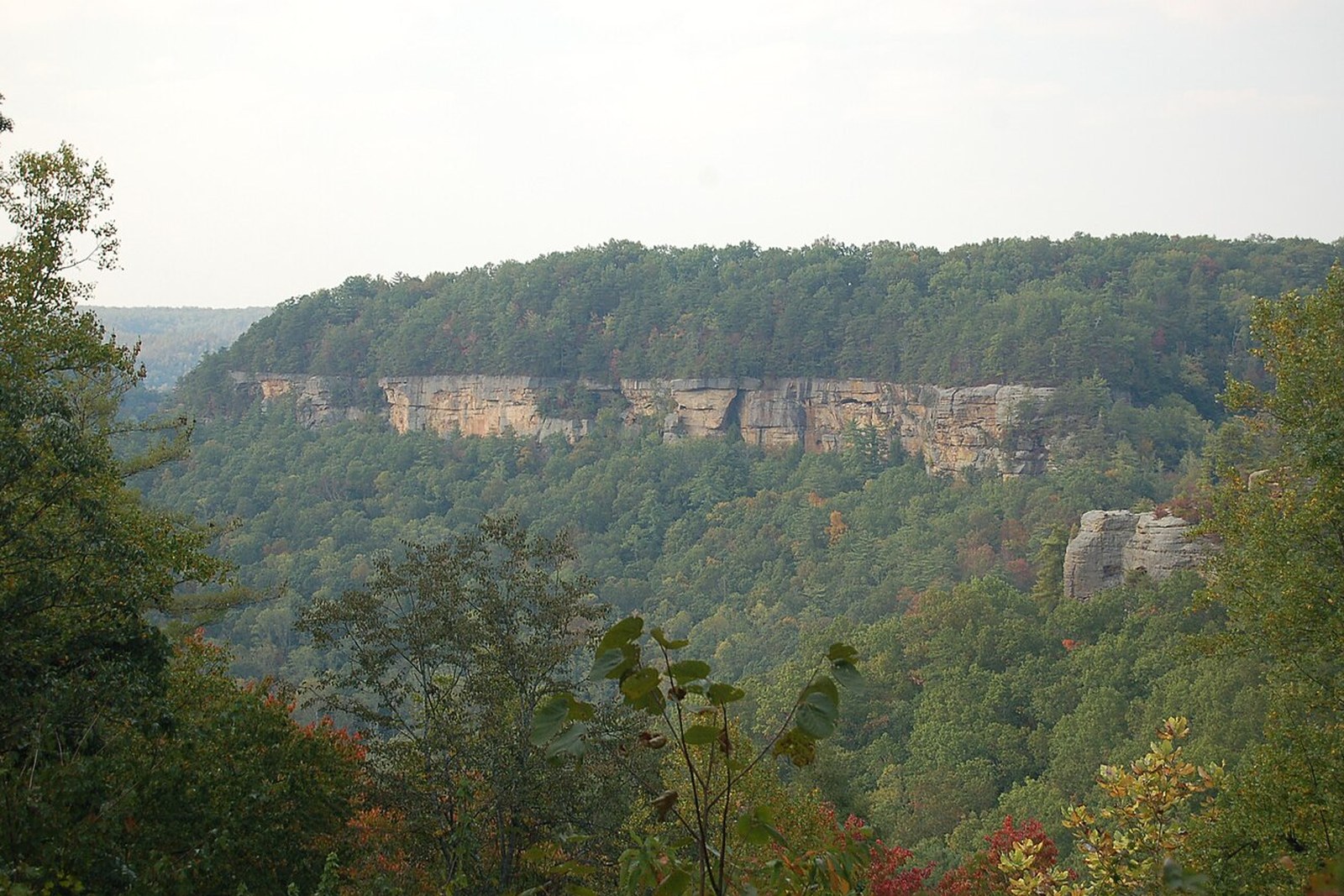
A Slade listing that treats every month from September through Thanksgiving as one long foliage caption is leaving real pricing power on the table. AirROI data for this Red River Gorge market names October, November, and April as the peak-three months, and treating them as interchangeable flattens a calendar that actually has distinct demand drivers.
This page exists to translate that peak-and-hole pattern into pricing decisions a host can actually make. It is not a generic seasonality lecture; it names the specific months this market's data supports and the specific ones where demand genuinely drops.
The typical year on the Slade AirROI extract runs $27,486 in annual revenue on an ADR near $220 and 37.7 percent occupancy, sampled across 57 listings. Those figures anchor everything that follows; nothing below goes beyond what that extract actually shows. This is not legal advice.
October Is the Peak Month, Not Leftover Foliage Costume
October reads as the strongest month in Slade's AirROI data, and it earns that position from a real, dateable driver: peak fall foliage stacked on top of Red River Gorge climbing season, which together pull in a guest base that books specifically for this window rather than defaulting to it out of habit.
Pricing October like a generic autumn month, rather than the market's actual highest-demand stretch, leaves revenue on the table during the one month a host can most confidently price up. A listing description that names foliage and climbing specifically, rather than a vague 'beautiful fall colors' line, also converts better with guests searching for this exact trip.
Because this demand is dateable, a host should build the pricing calendar around the specific weeks foliage historically peaks in this part of Kentucky, not a flat October premium applied evenly across the whole month.
April Climbing Is a Named Shoulder, Not an Afterthought
April sits inside the peak-three window in the Slade data, driven by spring climbing season at the Red River Gorge and the reopening of Muir Valley's parking lot, which carries a $15 daily fee or a membership option and starts mattering again once climbers return in numbers.
A host who treats April as a soft shoulder month, rather than a named peak driver, is underpricing a period the data actually supports pricing aggressively. Climbing guests booking this window tend to plan around access logistics like Muir Valley parking, which a listing can address directly in its description.
This is also the month to reference climbing-specific amenities, gear storage, or proximity to specific crags, since a listing speaking directly to this guest segment converts better than one written generically for all outdoor recreation.
February Is the Locked Hole
February shows up clearly as the hole in Slade's seasonal data, meaning it is the market's weakest month by a real margin, not a soft dip that a host can price through with a standard rate. Treating it as anything other than a genuine low point sets an unrealistic revenue expectation for that stretch of the calendar.
The right response to a locked hole is not a percentage discount pasted onto an otherwise unchanged listing. It is a real product change: adjusted minimum-stay rules, a different amenity emphasis, or accepting lower occupancy at a rate that still respects the property's value rather than racing to the bottom.
Hosts underwriting a Slade property for the first time should build February into the annual model as a genuine low month from the start, rather than discovering the gap after a full year of live pricing.
Leave Out Unverified Weekly Discounts
A weekly discount pasted onto every booking regardless of season risks giving away margin during peak months like October and April, when the market's own data shows demand strong enough that a discount is not needed to fill the calendar.
This does not mean discounts have no place in the Slade market; it means they should be targeted at genuinely soft stretches like February, where a real incentive can help move an otherwise slow week, rather than applied as a blanket policy that ignores the calendar's actual peaks and holes.
A host without a verified weekly discount figure specific to their property should build one from their own booking data rather than importing a generic percentage from an unrelated market.
Heat and a Table Beat a Ski Caption
Slade's calendar is a climbing calendar tied to Red River Gorge access and foliage timing, not a leftover ski-season narrative borrowed from a mountain market with a genuinely different demand driver. A listing description built around heat, gathering space, and a real table for a climbing group returning from a day outdoors reads more honestly than a generic winter-getaway pitch.
This distinction matters most in the shoulder months, where a listing that correctly identifies its actual guest, a climber or a foliage visitor rather than a skier, converts better because the copy matches what the guest is actually planning around.
Amenities worth foregrounding in copy include gear-drying space, a functional kitchen and dining setup for a group returning hungry from a full day at the Gorge, and clear information about drive time to major climbing access points.
Two-Night Minimums Match a 2.5-Night Stay
Slade's typical guest stay pattern supports a two-night minimum more naturally than a longer or shorter policy, since the underlying average stay runs close to two and a half nights across the market's tracked listings. A minimum set meaningfully above or below that pattern either turns away bookings or leaves single-night gaps in the calendar.
During named peak months, a host has more room to test a slightly longer minimum without losing significant volume, since demand is strong enough to absorb it. During the February hole, a shorter minimum, or even single-night availability, may help capture bookings that would otherwise skip the property entirely.
Reviewing actual booking length data periodically, rather than setting a minimum once and leaving it fixed indefinitely, keeps this policy aligned with how guests are actually booking.
Midweek After the Arch Weekend
Guests visiting for a specific weekend event or a well-known Gorge landmark often extend into a midweek stay if the pricing and availability make it easy to do so, particularly during the peak-three months when demand is already elevated.
A host can capture some of this extension demand with a modest midweek incentive timed specifically to follow a strong weekend, rather than a blanket midweek discount applied year-round regardless of what drove the preceding weekend's demand.
This is a case where the calendar's month-by-month pattern and its day-of-week pattern interact, and pricing that accounts for only one of the two leaves opportunity on the table during the market's strongest stretches.
What to Change When February Is Soft
When February bookings come in low, the productive response is a real product or policy adjustment, not a costume percentage discount that gets pasted onto the listing and forgotten. Options include a shorter minimum stay, a seasonal amenity emphasis, such as a strong heating setup or an indoor gathering space, or a targeted incentive aimed specifically at that month.
Keeping the current month's actual performance in view, rather than defaulting to a generic seasonal script, is what separates a host who adapts pricing intelligently from one who is simply reacting to a slow month with an across-the-board discount.
Revisit this decision each year against the current AirROI extract for the market, since a hole month's severity can shift as regional climbing and tourism patterns evolve. A host who tracks this month over month, rather than reacting once and moving on, builds a more accurate picture of whether the adjustment is actually working.
Related Reading
More Red River Gorge and Slade, Kentucky reading already live on Crest & Cove.
Frequently Asked Questions
What is the peak month for Slade, KY short-term rentals?
October, based on AirROI data for this Red River Gorge market. It combines peak fall foliage with strong climbing-season demand, and pricing it as a generic autumn month rather than the market's actual highest-demand stretch leaves revenue on the table.
Is April a strong month for bookings in this market?
Yes. April sits inside the peak-three window, driven by spring climbing season and the reopening of Muir Valley's parking access, which carries a $15 daily fee or membership option. Treating April as a soft shoulder month underprices a period the data actually supports pricing aggressively.
Why is February considered the hole month for this market?
AirROI data shows February as the market's clearly weakest month, not a soft dip that a standard rate can price through. The right response is a real product adjustment, like a shorter minimum stay or a targeted incentive, not a blanket percentage discount.
What is the typical annual revenue for a Slade rental?
The AirROI extract for this market shows a typical year near $27,486 in revenue, an ADR around $220, and occupancy near 37.7 percent, sampled across 57 tracked listings. These figures anchor realistic underwriting for a property in this market.
Should a listing lean into ski-season language for winter months?
No. Slade's calendar is driven by Red River Gorge climbing and foliage timing, not a ski-season narrative borrowed from a mountain market with a different demand driver. Listing copy built around heat, gathering space, and climbing-group amenities reads more honestly and converts better.
What booking minimum works best for this market?
A two-night minimum tends to match the market's typical stay pattern, which runs close to two and a half nights on average. During named peak months a slightly longer minimum can work; during the February hole, a shorter minimum may help capture bookings that would otherwise skip the property.
Does Muir Valley access affect pricing decisions?
Yes, particularly in April. Muir Valley is a paid preserve with a $15 daily parking fee or a membership option, and its lot starts mattering again once spring climbers return in numbers, which is part of why April reads as a named peak rather than a quiet shoulder month.
Should hosts apply a flat weekly discount year-round?
No. A blanket discount risks giving away margin during genuinely strong months like October and April. Discounts are better targeted at verified soft stretches like February, built from a host's own booking data rather than a generic percentage borrowed from another market.
Work with Crest & Cove Creative
A Slade listing that pastes the same foliage caption across September through Thanksgiving is pricing October, the market's actual peak month, like an ordinary autumn week. Name the failure mode the guest can check on the listing.
We help Slade hosts turn AirROI's peak-and-hole pattern into a pricing calendar that matches climbing season and foliage timing, not a generic seasonal script. Send your current calendar and we will show you where the peak months are underpriced.
Reach out at crestcove.co or (256) 998-7502.


Comments