
Winning Remote-Worker Bookings Near Thousand Islands, NY: What Actually Works After Summer Ends

Updated: Aug 28
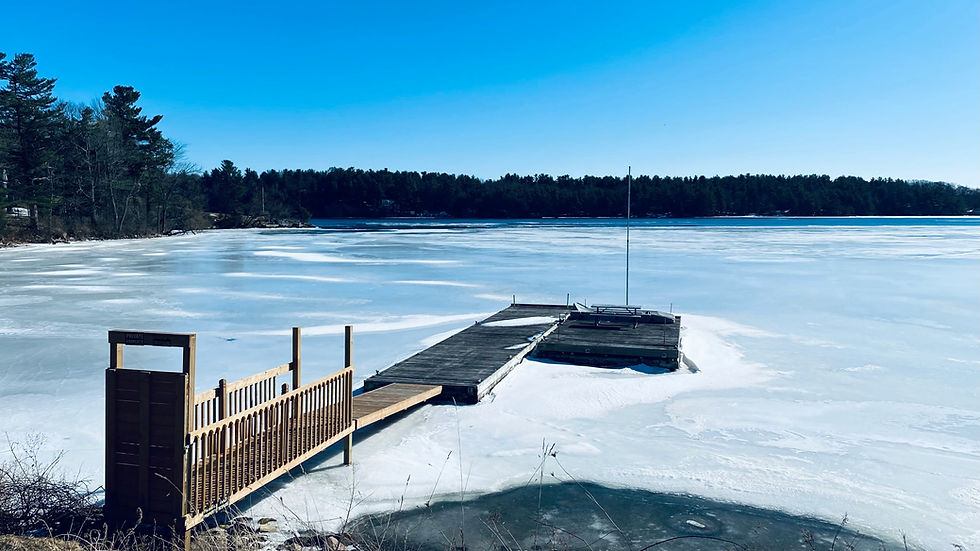
Once Labor Day passes, most Thousand Islands hosts watch their calendar the same way they have for years , a fall trickle, a long winter quiet, and a wait for Memorial Day to bring the boaters back. That pattern is real for the guest who wants lake access and warm-weather days on the St. Lawrence. It's not the only guest this market can serve, and treating September through April as pure downtime overlooks a traveler who's specifically looking for exactly what this region offers in the off-season: quiet, real seasons, and a lower cost of stay than a city apartment.
Remote workers who can live and work from anywhere are a genuine fit for this market's quiet months, but only if a listing understands what this guest actually needs and says so plainly. This isn't the same booking process as a weekend boater , the guest, the timeline, and the deciding factors are all different, and a listing built for summer traffic usually misses all three.
Who This Guest Actually Is
The remote-extended-stay guest doesn't behave like a typical vacation renter. They're not booking a spontaneous weekend three days out , this guest typically books 14 to 60 days ahead, planning a stay that runs weeks rather than nights. They're not chasing a packed activity itinerary; they're looking for a place to actually live and work for a month or more, somewhere that feels different from home without requiring them to give up a functioning workday.
That changes what they're evaluating. A boater scanning listings in July cares about dock access and proximity to the water. A remote worker scanning listings in October or January cares about whether they can take a video call without the connection dropping, whether there's a place to sit that isn't the bed, and whether the property will actually be warm in December. Lake access in the middle of winter is close to irrelevant to this guest , reliable infrastructure is everything.
This is also a guest who's tired of paying city rent for a cramped apartment and is actively looking for a better trade: more space, a quieter setting, real seasons, and a lower monthly cost, all while keeping their job exactly as it is. A quiet lake town in the Thousand Islands with honest off-season pricing is a legitimate answer to that search, but only if the listing makes the case rather than assuming the guest will infer it.
What the Listing Has to Prove
Three things separate a listing that wins this guest from one that gets scrolled past, and none of them are lake views or seasonal charm. "Work from a quiet lake cabin this fall , fall color, a real fireplace, and none of the summer crowds" does more work than any generic "peaceful getaway" copy, because it tells the guest exactly what they're signing up for and lets them picture it.
Verified fast Wi-Ficomes first, non-negotiably. This guest is often on video calls for a living, and a vague "Wi-Fi included" line does nothing to reassure someone who's about to commit to a month somewhere with a spotty rural connection. Naming the actual provider and, if it's been tested, a real speed number , "150 Mbps fiber, tested and verified" , removes the single biggest hesitation this guest has before they'll even consider a rural or lake-town property.
A proper desk with good lightis the second must-have, and it's one most listings simply don't have or don't photograph. A guest working from the property for weeks needs somewhere to actually sit and work that isn't a kitchen table pushed against a wall , a dedicated desk, a chair that isn't a dining chair, and natural light in the workspace all read as real signals that the property was set up with a working guest in mind, not just a vacationing one.
Reliable heatis the third, and it matters more here than almost anywhere else in the listing description. A Thousand Islands winter runs cold , daytime highs typically sit in the upper 20s to low 30s, and overnight lows average in the teens to low 20s from December through February, with cold snaps that can push readings into the single digits. A remote worker planning a month-long stay needs real confidence the property stays warm through that stretch, not a passing mention of "cozy fireplace" that leaves the actual heating system unaddressed. Naming the heating type directly , a modern propane or oil furnace, updated baseboard heat, a heat pump rated for cold climates , and stating plainly that the property is winterized for full-time occupancy does more to convert this guest than any seasonal photo.
Winter logistics matter just as much as the heating system itself. A guest committing to four or more weeks wants to know, before they book, who handles the driveway after a lake-effect snowfall, whether the water line and septic system are rated for continuous winter occupancy rather than just weekend use, and where the nearest grocery store, pharmacy, and urgent care actually are relative to the property. None of that needs to be a long paragraph in the listing , a short, specific line covering snow removal, winterized plumbing, and distance to town answers three separate hesitations a cautious long-stay guest is quietly weighing before they commit to a month somewhere rural.
Say the Season Out Loud
The instinct with off-season marketing is often to soften or hide the season , to talk around the cold rather than naming it. That's backwards for this guest. Specificity reads as credibility, and vague retreat language reads as evasive. A guest choosing a month-long stay wants to know what they're actually walking into, and naming the season directly , rather than defaulting to generic four-season stock language , is what makes the listing feel trustworthy.
"Work from a quiet lake cabin this fall , fall color, a real fireplace, and none of the summer crowds" does more work than any generic "peaceful getaway" copy, because it tells the guest exactly what they're signing up for and lets them picture it. The same logic applies to winter, with honest framing to match: a property that's genuinely comfortable and winterized can lean into "a real winter on the river , snow on the pines, a warm fire, and the fastest internet in the house" rather than pretending the season isn't happening. A guest choosing a month-long stay wants to know what they're actually walking into, and naming the season directly , rather than defaulting to generic four-season stock language , is what makes the listing feel trustworthy.
This same honesty extends to nearby amenities. If there's a coffee shop within a short drive, or even a small coworking space in Clayton or Alexandria Bay, naming it specifically is a small detail that most listings in this market skip entirely , and it matters more than it seems, because it answers an unspoken question this guest is asking: is there anywhere to go besides this house for a month? A specific answer, even a modest one, differentiates a listing from the dozens of others that never address it.
The same principle applies to grocery runs and errands. A guest planning to actually live somewhere for a month wants to know the closest full grocery store isn't a 45-minute round trip, and that a pharmacy and basic hardware store are reachable without much planning. Most vacation-rental copy skips this entirely because a weekend guest doesn't need to know , but a month-long guest is quietly running through their own logistics before they book, and a listing that answers those questions upfront reads as built for someone actually settling in, not just passing through.
Pricing the Extended Stay
The standard lever for this booking type is a 30-40% discount off peak summer rate for stays of 28 nights or longer. That range isn't arbitrary , it reflects both the genuinely lower demand for the property during that period and the lower operational cost of hosting one long-term guest instead of a rotation of weekend turnovers. Fewer cleanings, fewer changeovers, and far less risk of vacant nights make a deep, guest-friendly discount easier to justify than it might look on paper.
It's also an easy case to make to the guest once the listing has already been honest about what the off-season offers. A traveler who's read a listing that clearly proves fast internet, a real workspace, and reliable heat isn't being asked to take a risk on a discounted off-season booking , they're being offered a legitimately good trade for a season the property genuinely isn't using at full value otherwise. The discount closes a deal the listing copy has already made.
The math also has to work for the host, not just the guest. A single 28-to-60-night booking replaces what would otherwise be a stretch of scattered weekend turnovers at a much lower nightly rate during the slowest months of the year , fewer cleanings, fewer linen changes, fewer check-in and check-out coordination headaches, and none of the vacancy risk that comes with trying to fill isolated winter weekends one at a time. A host comparing a 35%-off month-long booking against the realistic alternative , several unfilled weeks at full rate , usually finds the discounted long stay is the better outcome by a wide margin, not a concession.
Building a Listing Guests Trust for a Month, Not a Weekend
The properties that win extended remote-worker stays in the Thousand Islands aren't necessarily the ones with the best summer photos , they're the ones that have clearly thought through what a month-long guest actually needs and said so directly: a tested internet speed, a real desk, a named heating system, an honest description of the season, and a fair long-stay rate that reflects the property's actual off-season demand rather than a token discount.
Related Reading
Keep reading on same-cluster Crest & Cove pages that stay on labeled local lines without costume-corridor copy.
DIY vs Hire Marketing for Independent Hosts for Independent Hosts
How Thousand Islands, NY Hosts Can Fill the Post-Summer Gap: A Great Lakes Shoulder-Sea…
Thousand Islands Regulations Rules: Clerks, Not Occupancy Ranking
The Thousand Islands STR Pricing Calendar: Boat Show Spike, Real
DIY vs. Hire in Many, LA: Why Independent Hosts Still Run Most Listings
DIY or Hire in Depoe Bay: What the Numbers Say for STR hosts
DIY vs Hire in Seattle: Independents Still Write Most Listings
Financing a Springfield, MA Rental Without a Neighbor City Year
Frequently Asked Questions
How far in advance do remote workers typically book extended stays?
Most book 14 to 60 days out, a longer lead time than the typical weekend vacation booking. That window gives a host time to prepare the property specifically for a working guest rather than a standard turnover, since this guest is planning a stay that runs weeks rather than nights, not a spontaneous weekend trip booked three days out.
What discount should I offer for a month-long remote-worker stay?
A 30-40% reduction off peak summer rate for stays of 28 nights or more is the standard range. It reflects genuinely lower off-season demand and the lower operational cost of one long stay versus repeated weekend turnovers. The properties that win these bookings aren't necessarily the ones with the best summer photos — they're the ones that clearly spell out what a month-long guest actually needs: tested internet speed, a real desk, and a named heating system.
Does lake access matter to this guest in the winter?
Not much. A remote worker booking a winter stay is prioritizing reliable heat and verified fast internet over lake views or dock access, which barely factor into the decision once the water is too cold for boating anyway. Reliable infrastructure is what closes this booking, not the view.
What internet speed should I list, and does it matter that much?
Yes — naming an actual tested speed, like '150 Mbps fiber, tested and verified,' removes the single biggest hesitation a video-call-dependent guest has about booking a rural or lake-town property for weeks at a time. Naming the actual provider alongside the tested number does more to convert this guest than any amount of general 'fast Wi-Fi' language.
Is a fireplace enough to reassure a guest the property will stay warm?
No. A fireplace reads as ambiance, not a heating plan. Guests booking a winter stay want the actual heating system named directly — a modern furnace, updated baseboard heat, or a cold-rated heat pump — along with confirmation that the property is winterized for full-time occupancy. That specific language converts better than any seasonal photo.
Should I hide how cold it gets in my listing description?
No — the opposite works better. Specific, honest seasonal language like 'a real winter on the river, snow on the pines, and the fastest internet in the house' reads as more credible than vague retreat copy, because it tells the guest exactly what they're booking and signals the listing isn't hiding anything.
Are nearby coffee shops or coworking spaces worth mentioning?
Yes. It's a small detail most competing listings skip, and it answers a real unspoken concern for a guest planning a month-long stay — whether there's anywhere to go besides the house. Naming a specific nearby spot, even a modest coffee shop in Clayton or Alexandria Bay, is a real differentiator in this market.
Is this guest segment realistic for a small Thousand Islands property, or mostly for larger homes?
It's realistic for most well-equipped properties, not just large homes. What matters most is infrastructure — verified internet, a real workspace, and reliable heat — rather than square footage, so a smaller, well-set-up property can compete for this guest just as well as a larger one, since it's offering a legitimately good trade on a season the property isn't otherwise using at full value.
About the Authors
This guide was prepared by the Crest & Cove Creative team, which works with short-term rental hosts across the Northeast and Great Lakes region on listing strategy, extended-stay positioning, and off-season demand grounded in real market data rather than generic playbooks. The properties that win extended remote-worker stays in the Thousand Islands aren't necessarily the ones with the best summer photos , they're the ones that have clearly thought through what a month-long guest actually needs and said so directly: a tested internet speed, a real desk, a named heating system, an honest description of the season, and a fair long-stay rate that reflects the property's actual off-season demand rather than a token discount.
Sources
Work with Crest & Cove Creative
Most Thousand Islands listings go quiet after Labor Day because their copy still talks to the summer boater. A remote worker scanning listings in October cares about a stable connection and a real desk, not dock access.
We help Thousand Islands hosts write off-season listing copy that speaks to the remote-worker guest directly, instead of leaving the page pitched at a boater who already left.
Reach out at crestcove.co or (256) 998-7502.
Comments