
How Thousand Islands, NY Hosts Can Fill the Post-Summer Gap: A Great Lakes Shoulder-Season Strategy

Updated: Aug 28
Every Thousand Islands host knows the shape of the calendar before they even open a booking dashboard. Memorial Day through Labor Day carries the market — boaters, castle-hopping day-trippers, and families chasing the St. Lawrence River fill Alexandria Bay and Clayton listings at premium rates with minimum-stay requirements that barely need enforcing. Then September hits, and the calendar goes quiet in a way that catches even experienced hosts off guard.
The instinct is to treat the whole stretch from Labor Day to Memorial Day as one long off-season and apply a flat discount across it. That's a mistake, because this market actually runs three distinct patterns, not two: a fall shoulder that still has real pull, a true winter dead zone for most properties, and a narrow but genuine cold-weather niche that a specific kind of listing can win if it positions correctly. Treating all three the same way leaves money on the table in September and October, and it wastes marketing effort in January chasing a guest who was never going to book anyway.
The Fall Shoulder Still Has a Story to Tell
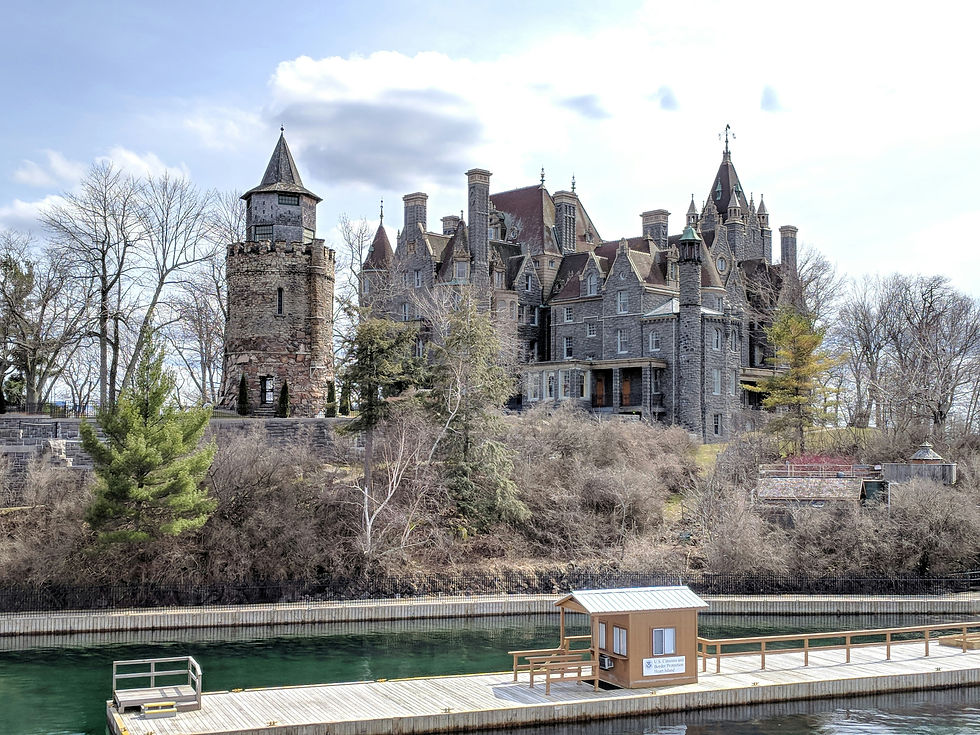
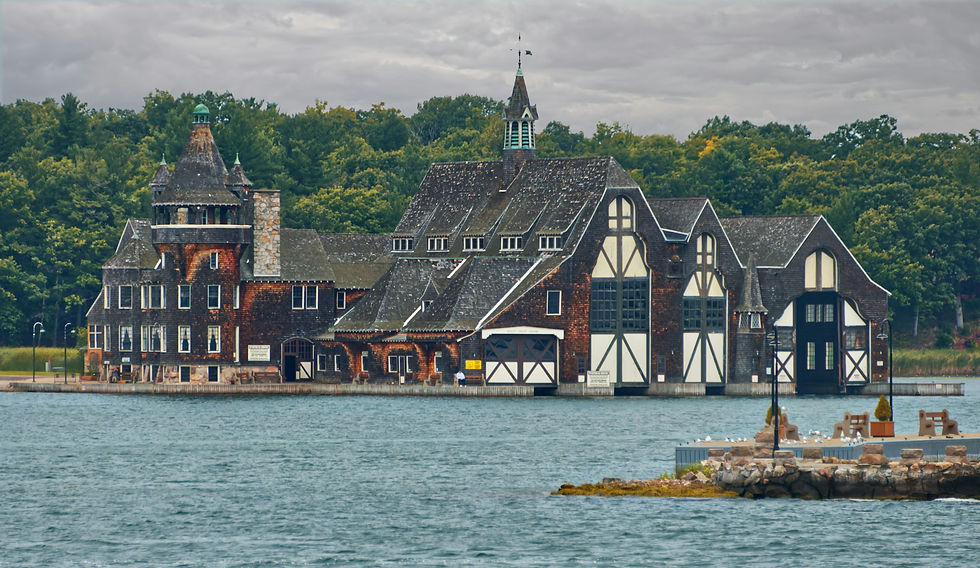
September and October in the Thousand Islands aren't a dead stretch — they're a smaller, different peak. The river corridor turns color against granite islands and Gilded Age boathouses, the summer crowds thin out, and the towns themselves stay fully open: restaurants, the Antique Boat Museum, Boldt Castle tours, and the wineries along the river all run normal hours well into October. That combination — real scenery, open amenities, no lines — is exactly what a fall-color traveler is looking for, and it's a guest this market can win without discounting hard.
The practical fix starts with minimum stays. A summer 7-night minimum makes sense when demand is deep; it makes no sense in October when a couple wants a long weekend to see the color and walk Clayton's waterfront. Dropping to a 2-3 night minimum for September and October opens the calendar to a guest who was never going to book a full week in the first place, and it does so without cutting the nightly rate.
Pricing itself should move too, but the framing matters more than the number. A genuine 15-20% discount off peak summer rate is the right range — enough to read as a real deal, not so deep that it signals desperation or undercuts the property's value. A token 5% cut barely registers with a guest comparing listings; a real 15-20% reduction, stated plainly in the listing description, gives them a concrete reason to book now rather than keep scrolling.
The last piece is marketing that names the season instead of hiding it. "Fall color weekend on the St. Lawrence" beats a generic "cozy getaway" every time, because it tells a guest exactly what they're getting and when to come. If a specific weekend lines up with peak color or a local event, calling that out in the listing title or first line of the description gives a browsing guest a reason to act rather than bookmark and move on.
Winter Is Genuinely the Hardest Stretch — But Not Uniformly
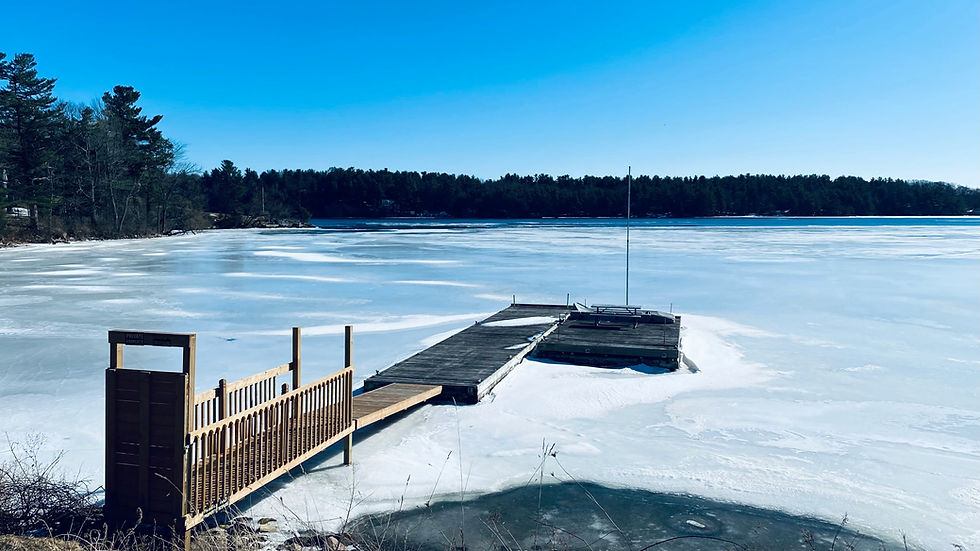
Here's where a lot of shoulder-season advice gets this market wrong: it assumes winter is either a full dead zone or a hidden second peak, when the truth for most Thousand Islands properties is somewhere more specific. December through February is the slowest stretch of the year for the average lake-view listing, full stop. Frozen docks, ice on the river, and short daylight hours mean the boating-and-castle-tour guest who fills the summer calendar simply isn't traveling here in January.
But "average listing" is doing a lot of work in that sentence, because this region genuinely does have winter tourism — it's just narrower and guest-specific rather than broad-based. The Thousand Islands Snowmobile Club maintains more than 80 miles of groomed trail across Alexandria Bay, Cape Vincent, Chaumont, Clayton, Depauville, and LaFargeville, continuing on into St. Lawrence County. Trailhead parking sits at spots like Grass Point State Park, Clayton Recreation Park, and directly at businesses such as JK's Roadhouse in Alexandria Bay and Lynn's Small Engine in Chaumont, with dining and fuel a short ride from the trail itself. That's not a marginal amenity — it's an active regional trail network that draws riders from well outside the immediate area every winter.
Ice fishing is the other real thread. The bays around Clayton hold northern pike, walleye, and yellow perch through the winter, and the stretch of the St. Lawrence River from Cape Vincent through Chippewa Bay — which includes Clayton's waters — is the one section of New York where the state sets no daily catch limit on yellow perch, because the population density there is unusually high. It's a detail serious anglers already know and specifically travel for. The Clayton Volunteer Fire Department runs a Mid-Winter Fishing Derby on French Bay most seasons, paired with a Chamber-sponsored Ice Shanty Contest that awards prizes like "Best Party Shack" and "Most Creative" alongside the fishing prizes — the kind of event that pulls a dedicated crowd who books lodging around the derby weekend rather than showing up day-of.
Cross-country skiing and snowshoeing fill out the winter calendar further. The Minna Anthony Common Nature Center on Wellesley Island — one of the larger nature centers in the state park system — grooms roughly 7 miles of its trail network for skiing once snow falls, with ski and snowshoe rentals available on-site, plus additional acreage for snowshoeing through its wooded wetlands and shoreline. The Thousand Islands Land Trust keeps several of its preserves open through winter, including the Foster-Blake Woods Preserve along the Palisades shoreline and the Wellesley Island and Zenda Farms preserves. The Indian River Lakes Conservancy, a bit further inland, maintains over 20 miles of trail across more than 2,500 protected acres, with the Baker Woods Preserve and the Butterfield and Eagle Marsh Trails Loop drawing regular cross-country traffic. None of these require a lift ticket or a groomed resort — they're free, low-key, and exactly the kind of quiet outdoor option that pairs naturally with a winter getaway or extended-stay listing. Add local winter carnival and holiday-season events, and the picture is clear: this isn't a market with zero winter demand. It's a market with a real niche that most listings simply don't speak to.
That distinction should drive the strategy directly. Before assuming winter is dead for a specific property, check it against two things: proximity to a groomed snowmobile trail or a good ice-fishing bay, and the property's own booking history for December through February in prior years. A property sitting near a trailhead or with genuine access to a productive fishing bay has a real audience it's probably not marketing to at all — and that's a fixable gap, not a seasonal ceiling.
Two Different Winter Playbooks, Not One
For a property that genuinely sits near snowmobile trail access or good ice-fishing water, the move is to say so explicitly and specifically in the listing — not as an afterthought line, but as a headline detail. "Minutes from the 1000 Islands Snowmobile Club trail system" or "walking distance to French Bay ice fishing" is a sentence that a snowmobiler or angler searching for winter lodging will recognize and respond to immediately, because most competing listings in this market never mention it at all. That specificity is the entire advantage: a generic "quiet lake getaway" listing is invisible to this guest, while a listing that names the trail system or the fishing bay by name reads as built for them.
For every other property — the ones without genuine trail or ice-fishing proximity — winter is honestly a season to fill with volume rather than premium rate. A real 30%+ discount off peak summer pricing, paired with a push toward longer stays (a week or more rather than a weekend), does more for winter occupancy than scattered short-stay attempts at filling isolated weekends. Long, lower-turnover winter bookings are also easier to manage with reduced staff availability, which matters when winter maintenance crews and cleaning schedules are thinner than in July.
Winter is also, not incidentally, the natural window for the deep maintenance a full summer calendar never leaves room for — dock repairs, deck refinishing, HVAC servicing, and any structural work that requires the property to sit empty for a stretch. Blocking two or three weeks in the deepest part of winter for that work, rather than trying to squeeze it into a rare open week in June, protects the summer revenue that actually funds it.
Building the Calendar Year-Round
The strongest version of this strategy treats the year as three tools instead of one blunt discount schedule: full-rate, short-minimum summer pricing for the peak; a moderate 15-20% fall-color discount with a relaxed minimum stay to capture the September-October shoulder; and a winter approach that splits based on the property itself — niche-targeted marketing at a smaller discount for trail- or fishing-adjacent listings, and a deeper 30%+ long-stay discount for everything else, with maintenance blocked into the quietest weeks.
Related Reading
Keep reading on same-cluster Crest & Cove pages that stay on labeled local lines without costume-corridor copy.
DIY vs Hire Marketing for Independent Hosts for Independent Hosts
Winning Remote-Worker Bookings Near Thousand Islands, NY: What Actually Works After Sum…
Thousand Islands Regulations Rules: Clerks, Not Occupancy Ranking
The Thousand Islands STR Pricing Calendar: Boat Show Spike, Real
DIY vs. Hire in Many, LA: Why Independent Hosts Still Run Most Listings
DIY or Hire in Depoe Bay: What the Numbers Say for STR hosts
DIY vs Hire in Seattle: Independents Still Write Most Listings
Financing a Springfield, MA Rental Without a Neighbor City Year
Work with Crest & Cove Creative
If the shoulder and winter months on a Thousand Islands calendar have been treated as one long off-season, there's a good chance real revenue is sitting unclaimed in September, October, and the weeks around a snowmobile trailhead or ice-fishing bay. Crest & Cove Creative reviews listings against real local seasonal data — not generic off-season assumptions — to find where pricing, minimum stays, and positioning are leaving bookings on the table. Get a free, no-obligation look at crestcove.co/audit. Or call (256) 998-7502. Reach out at crestcove.co or (256) 998-7502.
Frequently Asked Questions
Is winter really the slowest season for Thousand Islands short-term rentals?
For most properties, yes — December through February sees the steepest drop-off from peak summer demand, driven by frozen docks, ice on the river, and short daylight hours that push away the boating and castle-tour crowd that fills the summer calendar. The exception is properties genuinely positioned near snowmobile trails or strong ice-fishing water, which can pick up real niche demand that a typical lake-view listing never sees.
How much should I discount for fall shoulder season?
A genuine 15-20% reduction off peak summer rate is the right range for September and October. Anything smaller reads as a token gesture that won't move a comparison-shopping guest; the goal is a discount deep enough to register as a real reason to book now. A genuine 15-20% discount off peak summer rate is the right range — enough to read as a real deal, not so deep that it signals desperation or undercuts the property's value.
Should I drop my minimum-stay requirement in the fall?
A summer 7-night minimum makes sense when demand is deep enough to fill full weeks; in the fall shoulder, dropping to 2-3 nights captures the weekend and long-weekend fall-color traveler who was never going to book a full week regardless of price. A summer 7-night minimum makes sense when demand is deep; it makes no sense in October when a couple wants a long weekend to see the color and walk Clayton's waterfront.
Is there really an ice-fishing scene in the Thousand Islands?
Yes, and it's more than casual. The bays around Clayton hold northern pike, walleye, and yellow perch through winter, and New York State places no daily catch limit on yellow perch here because the population is so plentiful. Clayton also runs a Mid-Winter Ice Fishing Derby & Shanty Contest at French Bay that draws a dedicated crowd who books lodging around the event.
What about snowmobiling — is that a real market here?
The Thousand Islands Snowmobile Club maintains more than 80 miles of groomed trail across Alexandria Bay, Cape Vincent, Chaumont, Clayton, Depauville, and LaFargeville, with parking, dining, and fuel located near trailheads. A property genuinely close to that trail network has a specific, findable guest most competing listings never speak to directly. The Thousand Islands Snowmobile Club maintains more than 80 miles of groomed trail across Alexandria Bay, Cape Vincent, Chaumont, Clayton, Depauville, and LaFargeville, continuing on into St.
How do I know if my property qualifies for niche winter marketing versus a straight discount?
Check two things: actual proximity to a groomed snowmobile trail or a productive ice-fishing bay, and the property's own multi-year winter booking history. If a property has picked up occasional winter bookings without ever marketing to snowmobilers or anglers, that's a signal there's untapped demand worth naming explicitly in the listing. A property's own multi-year booking history is the fastest way to confirm which pattern it actually follows — a listing that's already picked up scattered snowmobile-season bookings without ever marketing to that guest is telling its owner something worth acting on.
What should I do with a winter that doesn't fit either niche?
Shift the strategy from rate to volume. A real 30%+ discount off peak summer pricing paired with a push toward longer stays fills more nights with less turnover than scattered short-stay attempts, and it's a more realistic ask for a season with genuinely low demand. A real 30%+ discount off peak summer pricing, paired with a push toward longer stays (a week or more rather than a weekend), does more for winter occupancy than scattered short-stay attempts at filling isolated weekends.
Is winter a good time for property maintenance?
Yes, and it's often the only realistic window. Dock repairs, deck refinishing, and any work requiring the property to sit empty are far easier to schedule into a quiet winter stretch than to squeeze into the rare open week during a full summer booking calendar. Winter is also, not incidentally, the natural window for the deep maintenance a full summer calendar never leaves room for — dock repairs, deck refinishing, HVAC servicing, and any structural work that requires the property to sit empty for a stretch.
About the Authors
This guide was prepared by the Crest & Cove Creative team, which works with short-term rental hosts across the Northeast and Great Lakes region on listing strategy, seasonal pricing, and market positioning grounded in real local demand data rather than generic playbooks. A real 30%+ discount off peak summer pricing, paired with a push toward longer stays (a week or more rather than a weekend), does more for winter occupancy than scattered short-stay attempts at filling isolated weekends.
Comments