
Build a Visual System That Scales Without Looking Like a Chain
- Thomas Garner

- Aug 20
- 11 min read
Updated: 4 days ago
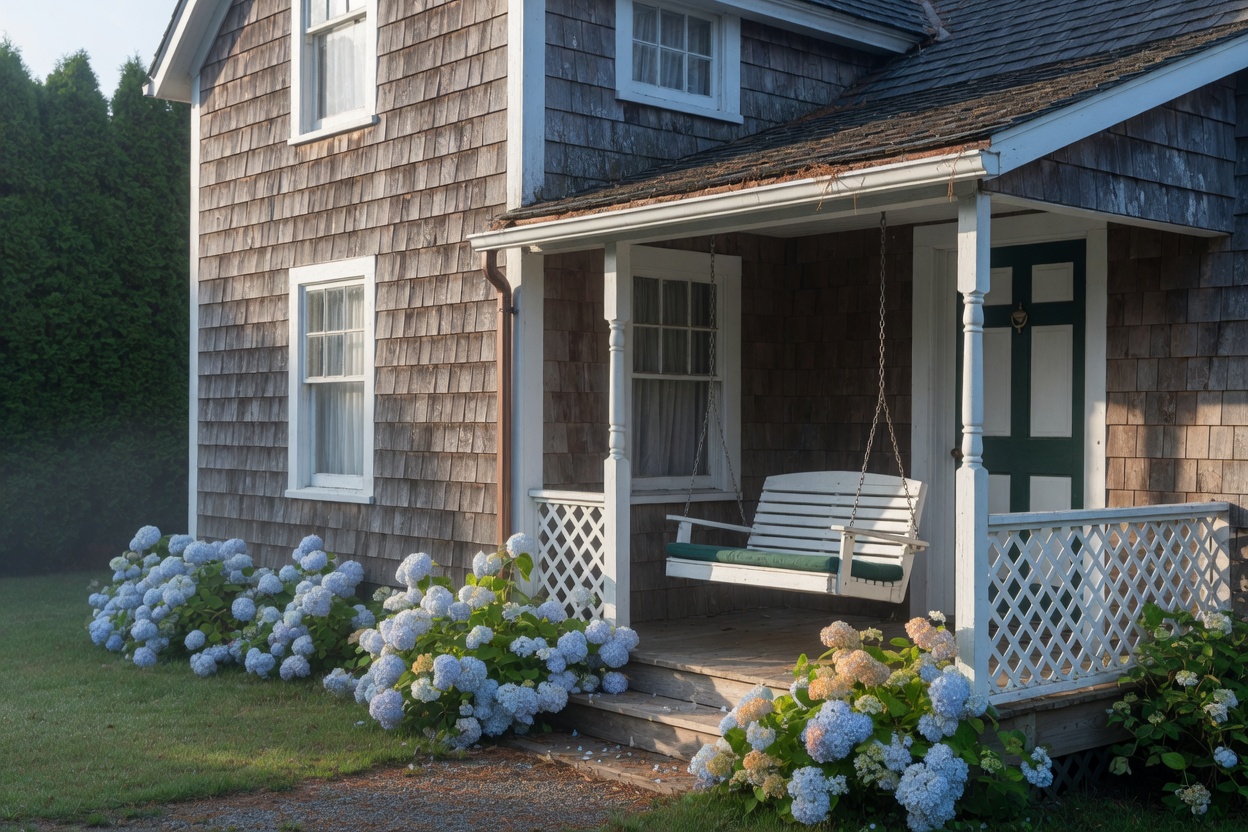
A host with one listing rarely thinks about visual consistency, because there's nothing to be consistent across. A host with three, five, or a dozen listings runs into a genuinely different problem: some shared visual thread across the portfolio builds real trust and recognition, but push that consistency too far — the same template, the same stock-style photography treatment, the same generic tagline repeated across every property — and the operation starts reading like a corporate hotel brand rather than a collection of distinct, independently loved properties.
This page is about finding the actual line between useful consistency and corporate sameness, and building a visual system that scales across a growing portfolio without erasing what made each individual property distinct in the first place.
This matters even for hosts who don't think of themselves as running a brand at all — the moment a second property joins a portfolio, some kind of comparison, conscious or not, starts happening between the two, whether the host has deliberately designed for it or not. The choice is not whether a visual system exists; it's whether the one that emerges by accident is the version worth keeping. This is not legal advice.
Why guests respond differently to independent hosts than to chains
Guests choosing an independent short-term rental over a hotel or a large corporate rental brand are frequently, whether consciously or not, choosing against exactly the qualities that define a chain: uniformity, predictability, a sense that any location could be swapped for any other with minimal difference. A host who builds a visual system that accidentally recreates those qualities across their own portfolio is working against the preference that likely brought guests to an independent listing in the first place.
This does not mean guests want chaos or inconsistency — a portfolio with wildly different visual quality, tone, and professionalism from one listing to the next raises its own trust concerns, since inconsistent quality can read as inconsistent care. The goal is not choosing between corporate uniformity and total inconsistency; it's finding a version of consistency that signals reliable quality without signaling interchangeability.
The practical distinction: a guest should be able to trust that any property in the portfolio will be well-maintained, accurately described, and professionally presented — that's the consistency worth building. A guest should not get the sense that the specific personality of one property has been sanded down to match a template shared identically across every other listing — that's the consistency to avoid.
What should stay consistent across a portfolio
A few elements genuinely benefit from consistency across every listing in a portfolio: the quality standard of photography (even if the subject matter differs completely from property to property), the tone and clarity of how practical information is communicated (access instructions, house rules, response-time expectations), and any shared operational promise a host is genuinely willing to guarantee across every property — a specific cleanliness standard, a specific communication commitment.
These consistent elements work because they describe the operation behind the listings, not the listings themselves. A guest who has stayed at one property in a host's portfolio and is now considering a second, different property benefits from knowing the same quality standard and communication style will carry over, even though the property itself — its style, its setting, its personality — is completely different from the one they stayed at before.
This is the version of a "brand" that actually serves an independent host well: a reputation for a consistent standard of care and communication, built up across every guest interaction, rather than a visual template forcing every property to look and sound the same regardless of what's actually distinct about each one.
What should stay distinct, property by property
The property's own photography subject matter, description voice specific to that space, and any storytelling or character elements genuinely true of that individual property should not be flattened into a shared template just because a portfolio-wide visual system exists. A mountain cabin and a downtown loft in the same host's portfolio should read, and photograph, in ways that reflect what each actually is — not the same caption style and color-grading applied uniformly regardless of what's being photographed.
This is where a common mistake creeps in: a host builds a beautiful, professional photo-editing style for one property and then applies the identical filter, framing conventions, and caption tone to every other property in the portfolio without adjusting for what's actually different about each space. The result photographs consistently but reads as if a marketing department, not an actual host, is behind every listing — exactly the corporate feeling this page is trying to help hosts avoid.
A useful discipline: before applying any shared visual or written element across the portfolio, ask whether it's describing the operation (which should be consistent) or describing this specific property (which should not be forced into sameness with the others). Elements in the first category can scale freely. Elements in the second category need to stay tailored to the individual property every time.
Logos, taglines, and the trap of over-branding
A polished logo and a consistent color scheme applied to every listing's cover photo or welcome materials can tip quickly from professional into corporate if it starts to feel more prominent than the property itself — a watermark or a graphic overlay competing with the actual photo for a guest's attention, or a tagline repeated identically across every listing's opening line regardless of whether it's genuinely true of that specific property.
The safer version of light branding: a small, unobtrusive presence — a subtle mention in the welcome materials, a consistent but understated visual style guide for how photos are edited and framed — that a guest could notice if they were looking for it, but that never competes with or overshadows the actual property being marketed. Branding that guests have to search for still does its trust-building job; branding that guests can't avoid noticing starts to feel like marketing rather than hosting.
A tagline repeated verbatim across five different properties is one of the fastest ways to trigger the corporate-sameness feeling this page warns against, because it is the most literal possible signal that the same script is being applied regardless of what's actually being described. If a shared tagline genuinely applies to the operation as a whole (a communication promise, a quality standard), it belongs in operation-level materials, not pasted at the top of every individual property's description.
A practical visual system that scales without flattening
A workable structure: define a small number of operation-level standards — photo quality and lighting standard, a consistent format for presenting practical information, a shared commitment guests can rely on regardless of which property they book — and keep everything else, from the actual photo subjects to the description's specific voice, fully tailored to each individual property.
This structure scales cleanly because adding a new property to the portfolio means applying the same quality standard and information format, not copying a template and swapping details. The new property still gets its own genuine photography, its own accurate description, its own distinct character represented honestly — the system provides consistency in how things are done, not consistency in what gets said about every property.
The test for whether this balance is working: could a guest who has stayed at two properties in the same host's portfolio tell they came from the same operation without the properties looking or reading identically? If the answer is yes — a recognizable quality and communication standard, paired with genuinely distinct properties — the visual system is doing its job. If the two properties feel interchangeable beyond their physical differences, the system has drifted toward the corporate sameness this page is built to prevent.
Signals that a portfolio has drifted too far toward corporate
A useful early-warning check: pull up the description opening lines from every property in the portfolio side by side. If several of them could have their property names swapped without anyone noticing the difference, the descriptions have drifted from property-specific voice into portfolio-wide template — the same failure pattern that shows up in cloned town pages or copy-pasted marketing copy elsewhere in an operation.
Another signal worth checking: whether guest reviews across the portfolio ever mention anything specific and distinct about the individual property they stayed at or whether they read as generically positive in a way that could apply to any property in the portfolio interchangeably. Guests who genuinely experienced something distinct about a specific property tend to mention it by name in a review — a particular view, a particular feature — and the absence of that kind of specific mention across an entire portfolio's worth of reviews can be a sign the properties themselves have started to blend together in guests' actual experience, not just in the marketing.
Catching this drift early matters because it compounds as a portfolio grows — a small mismatch between two properties' descriptions is easy to fix, but a template applied unconsciously across a dozen properties over several years becomes a much larger rewrite project to correct later. A periodic side-by-side review of the portfolio's actual guest-facing content is a cheap habit that prevents an expensive later cleanup.
Where a shared design system genuinely helps operational efficiency
None of this is an argument against having any shared system at all — a defined photo-quality standard, a consistent template for house-rules formatting, a standard structure for how a description is organized (practical facts first, then character and story) all genuinely speed up the work of managing multiple listings without flattening what makes each one distinct. The distinction this page draws is between systems that govern structure and process versus systems that govern content and voice.
A structural template — where the parking information goes, how the photo gallery is ordered, what sections a description always includes — saves real time for a host managing several properties and creates a genuinely useful, predictable experience for a repeat guest browsing multiple listings from the same host, without requiring any two properties to sound or look alike. This is the kind of system worth building deliberately and reusing consistently, since a guest benefits from knowing where to look for practical information every time, even while the actual content in that section changes completely from property to property.
A content template — pre-written sentences, taglines, or descriptive language reused verbatim across properties — saves time in the moment but produces exactly the sameness this page warns against. The efficient move is investing time in the structural system once, then filling that structure with genuinely property-specific content every time, rather than reusing the content itself as a shortcut. The time saved by a good structural system tends to more than offset the extra time spent writing genuinely distinct content for each property, which is why the two are worth pursuing together rather than treating structure and content as the same kind of shortcut.
How this plays out differently for a growing versus an established portfolio
A host adding their second or third property has an easier version of this problem to manage — few enough properties that a quick manual comparison catches drift before it becomes a pattern, and few enough that rewriting a description that has started to feel templated is a small task. This is the ideal time to establish the structural-versus-content distinction as a habit, before the portfolio grows large enough that fixing a systemic drift becomes genuinely expensive.
A host with an established, larger portfolio built up over years without this distinction in mind faces a bigger but still manageable cleanup: rather than rewriting every property at once, prioritizing the properties that get the most guest traffic, or that are most likely to be seen back-to-back by a repeat guest browsing the whole portfolio, produces the fastest return on the cleanup effort. A guest is more likely to notice sameness across two properties they're actively comparing than across two properties they never see side by side, which is exactly why those high-visibility pairs deserve the first pass of any cleanup rather than working through the portfolio in whatever order feels convenient.
Either way, the underlying fix is the same regardless of portfolio size: separate what should scale (structure, quality standards, operational promises) from what should stay unique (property-specific voice, photography subject matter, genuine character), and audit periodically to make sure the two categories haven't started bleeding into each other as the portfolio grows or as time passes. A host who revisits this split once or twice a year, rather than only when a problem becomes obvious, tends to catch drift while it's still a quick fix rather than a full rewrite.
Related Reading
More independent-host reading on honest listing copy, distribution, and when hiring help is worth it.
Frequently Asked Questions
What's the difference between useful branding consistency and corporate sameness?
Useful consistency describes the operation behind the listings — a photo quality standard, a communication commitment, a reliable way of presenting practical information. Corporate sameness happens when that consistency bleeds into the properties themselves, making genuinely different spaces read or photograph identically regardless of what's actually distinct about each one.
Should every property in a portfolio use the same photo editing style?
A consistent quality standard for lighting and professionalism is worth maintaining, but the same filter, framing conventions, and caption tone applied uniformly regardless of the property's actual character tends to flatten what makes each space distinct. The photo quality standard should be consistent; the photo subject matter and treatment should stay tailored to what's actually being shown.
Is it a mistake to use a repeated tagline across every listing?
Often yes, if the tagline is meant to describe the individual property rather than the operation as a whole — a tagline repeated verbatim across several different properties is one of the clearest signals that the same script is being applied regardless of what's actually true of each one. A tagline describing a genuine operation-wide commitment belongs in operation-level materials, not pasted identically atop every property description.
How much branding is too much on an individual listing?
When a logo, watermark, or graphic element starts competing with the actual property photos for a guest's attention, or when branded language crowds out property-specific description, it has likely crossed from professional into corporate. A subtle, unobtrusive presence a guest could notice if looking for it usually still builds trust without overshadowing the property itself.
What should stay consistent across a growing portfolio as new properties are added?
The operation-level standards — photo quality, the format for presenting practical information, any genuine service commitment guests can rely on regardless of which property they book. A new property should meet that same standard while still getting its own genuine photography and its own accurate, property-specific description, not a copied template with details swapped.
How can a host tell if their portfolio has drifted toward feeling corporate?
Pull up the description opening lines from every property side by side — if several could have their property names swapped without anyone noticing, the descriptions have drifted from property-specific voice into a shared template. Checking whether guest reviews mention anything specific to the individual property, versus reading generically across the whole portfolio, is another useful signal.
Does visual consistency actually help guests trust a multi-property operation?
Yes, when it's the right kind of consistency — a guest who trusted one property's quality and communication standard can reasonably expect the same from a second property in the same operation. This trust transfer is a genuine benefit of a well-built visual system, as long as it doesn't come at the cost of each property's individual character.
Should a small host with only two or three properties worry about this?
It's worth thinking about early, since habits formed with a small portfolio tend to carry forward and compound as it grows. Catching a drift toward template-driven sameness while there are only two or three properties to fix is far easier than correcting it after a dozen properties have accumulated the same pattern over several years.
What's the fastest way to fix a portfolio that already feels too uniform?
Start with the description opening lines and the tagline, since these tend to be the most literal, easiest-to-spot signals of a shared template — rewrite each property's opening to reflect something genuinely true and specific to that space, and reserve any shared language for operation-level materials rather than individual property descriptions.
Does a consistent visual system require professional design help to build?
Not necessarily — the core of the system described in this page is a decision framework (what stays consistent versus what stays distinct) rather than a specific design deliverable. A host can apply this framework to their own photography and writing without hiring a designer, though professional help can speed up execution once the framework itself is clear.
Work with Crest & Cove Creative
A repeated tagline and an identical photo filter across five different properties can feel efficient — right up until guests notice the listings read like the same script with the address swapped. Consistency should describe the operation, not erase what's.
Crest & Cove Creative builds visual systems for multi-property hosts that keep operation-level quality consistent while letting each property's own character actually show through. If your portfolio's listings have started to blur together, we can help you find where the template took over and what needs to stay distinct instead.
Reach out at crestcove.co or (256) 998-7502.


Comments