
Weston, MO Remote-Worker Stays: Desks in a 2.4-Night Town

Updated: Aug 28
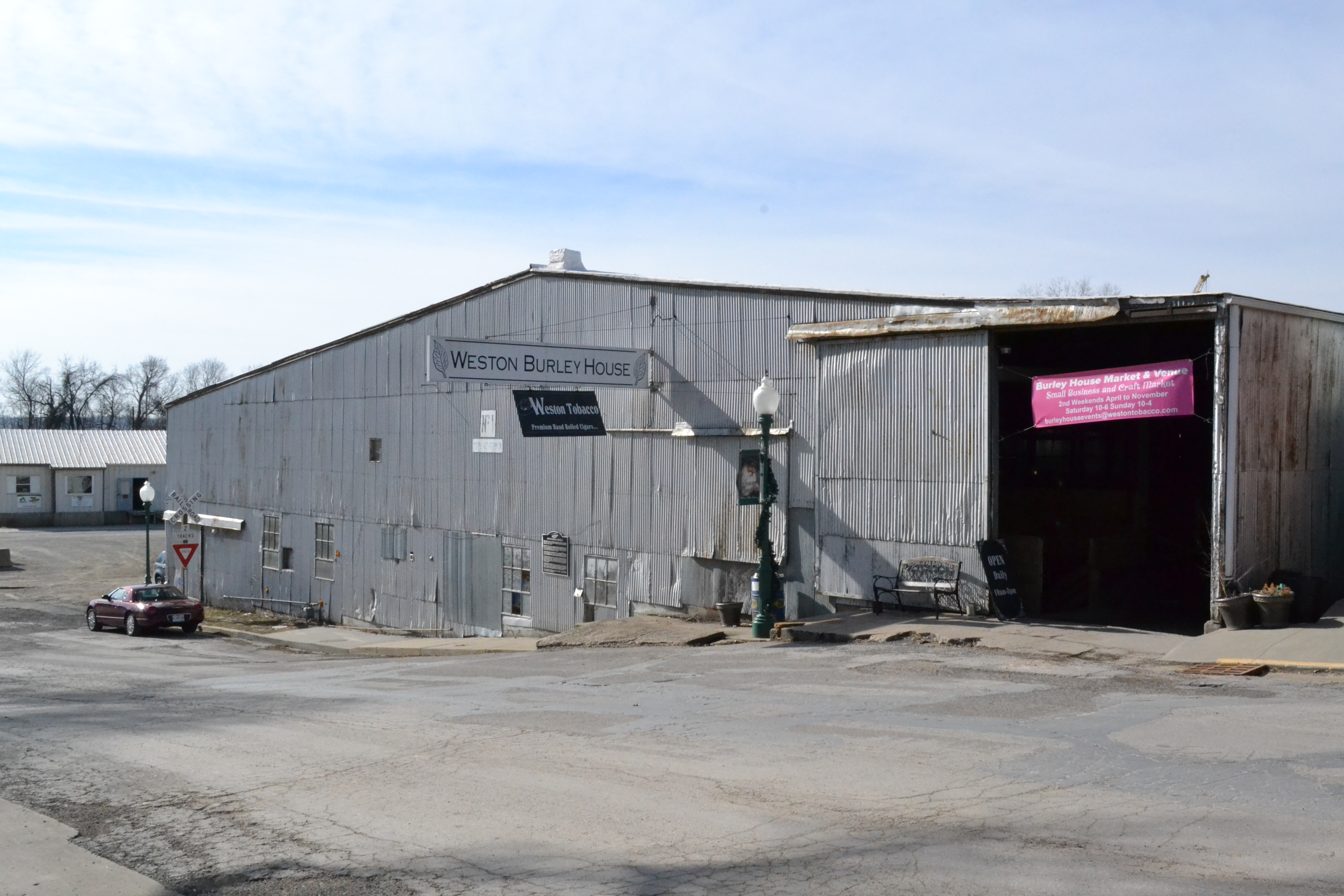
Weston, Missouri books like a weekend town, not a remote-work town, and a listing that markets a month-long desk product the same way it markets a distillery weekend is going to disappoint one guest or the other. AirROI's file for Weston averages just 2.4 nights per stay, and 83 percent of listings take a one-night minimum, which makes this a whiskey-weekend market first and foremost. A 28-night remote-worker offer can still work as a secondary product on the calendar, but it should never replace the short-stay demand this data actually shows.
Weston is a small town, 1,756 people, built around a National Register distillery dating to 1856, limestone cellars from 1842, and a state-park river overlook. A host who arrived here with a Kansas City metro template, expecting coworking cafes and a business-travel crowd, needs to recalibrate against what this specific file actually shows: 18 listings, 42.2 percent occupancy, a $350 average nightly rate, and an average stay of 2.4 nights, per AirROI's extract updated August 8, 2026, trailing May 2025 through April 2026.
This page focuses specifically on what a remote-worker or extended-stay product needs to look like in a town built around weekend tourism, including the zoning question that actually matters more than any marketing decision: Weston's city ordinance bans transient rentals under 31 days inside city limits, which means a 28-night remote stay doesn't clear that line and shouldn't be advertised as a workaround.
None of this rules out testing a longer-stay product; it just means the test has to be built on the town's actual numbers rather than a template imported from a bigger market. A host deciding whether a remote-worker desk is worth the effort should weigh Weston's real occupancy gap, its actual guest-origin pattern from the nearby Kansas City metro, and its confirmed zoning line before writing a single word of listing copy for that product. This is not legal advice.
A 2.4-Night File Is Not a Month
A remote guest looking for a 28-night stay is not the same guest booking the Applefest weekend, and treating them as one blended calendar block undersells both. The month is a month; the weekend is a weekend. AirROI doesn't print a 30-night share for Weston the way some larger city files do, which means a host testing a remote-worker product is working with less market validation than they might have in a bigger market, and should size expectations accordingly rather than assuming a coworking-campus level of demand this small town simply doesn't have.
The market report is the file for revenue and occupancy. The permit post is the clerk for the zoning question. The visitor guide is the walk for what's actually nearby. This page is specifically for the person deciding whether to build and market a longer-stay product on top of a market whose real, measured behavior runs at 2.4 nights on average, with peak-3 months in May, September, and December and a soft band in January, February, and April.
Prove the Desk Before You Prove the Cellar
Photograph the table, the chair, the outlet, and the actual speed-test result before photographing the distillery cellar. A laptop guest who arrives to a coffee table and a password scrawled on a sticky note will leave a review that outlasts the month they stayed. Weston's superhost share sits at 61.1 percent, and those hosts already understand that a remote-work claim has to be backed by something a guest can verify on arrival, not just implied by a stock photo of a laptop on a porch.
If there's a coffee shop on Main Street worth naming as a backup workspace, name it only if it's genuinely open the week the listing publishes, and recheck before every season. Weston's 2.4-night average signals that most guests are coming for the distillery and the cellars, not a Slack standup, so overselling a coworking angle this small town doesn't actually have risks a mismatch between what the listing promises and what a remote-worker guest actually finds when they arrive expecting a workable setup. do not guess a coworking loft or a business center this town has never had, and don't borrow that language from a bigger-market template just because it reads well.
Thirty-One Days Is Still the City Line
Inside the City of Weston, the Platte County Citizen reported on June 13, 2018 that the city bans transient guest rentals in residential dwellings for stays under 31 days, and MARC still listed the city as prohibited as of May 28, 2025. A 28-night remote stay is still under that 31-day line, so it does not sidestep the ordinance, and a host should not advertise it as a workaround. This is not legal advice; confirm current status directly with the city rather than assuming a listing that's a few nights shorter than a month clears the bar.
The permit post is the clerk for this specific question, and a county-level published market year is a different desk entirely from the city's zoning line. Confirm the parcel's status on GIS before advertising any Weston stay, whether it's a weekend rental or a month-long remote-worker product, since the underlying zoning question doesn't change based on which product a host is trying to sell, and unincorporated Platte County outside city limits is a different desk with its own separate answer.
Price the Month Off the Peak, Not Off the Outlier
A 30 to 40 percent discount off a listing's own peak night can make a slow month like January pencil out as a viable remote-worker offer. What doesn't work is discounting off an outlier listing's ADR figure that happens to sit in the same AirROI sample; a single larger listing pulls the average upward in a file this small, and that door isn't representative of a typical Weston house. Run the math on the specific property being priced, not on a market-wide average skewed by one unusual listing.
Kansas City is close enough that a remote worker can simply drive home for the weekend instead of staying through it, roughly 30 minutes away via I-29 and MO-45. That proximity is a real competitive pressure a Weston listing has to answer directly: give a guest a specific reason to stay past Friday, a cellar tour, a trail, a quiet porch, rather than competing purely on convenience against a metro guests already know well. Without that reason, a Weston remote-stay listing is just a more expensive hotel with worse restaurants nearby, and a guest will notice the difference within the first weekend.
Reviews Will Mention Wi-Fi First
A market running a 61.1 percent superhost share already grades connectivity closely, and failing that test costs the whole month, not just one night. Test the connection speed at dinner time and at midday, both, since a remote worker's actual workday spans hours a quick morning check won't capture. Report the speed a host actually measured, not the speed they hoped for or the number printed on the internet provider's marketing page.
This research pass did not open a confirmed traveling-nurse pipeline or an energy-contractor housing study specific to Weston, so a host shouldn't market toward either segment as if it were a proven demand source. If a host has an actual, confirmed contract inquiry from a real employer or agency, that's worth building a listing around directly; a generic national travel-nurse template isn't, and pretending otherwise sets up a listing to chase a guest segment this town's own data doesn't actually support. Hedge on both segments until a confirmed local inquiry says otherwise, and name the actual facility only after that confirmation.
What the Remote Product Should Actually Say
The single sentence that should anchor any Weston remote-worker listing: the city line is 31 days, the file is 2.4 nights, and a host offering a 28-night stay needs to prove the desk, not just claim it. That means a tested Wi-Fi speed reported honestly, a real workspace photographed rather than staged, and pricing built off the specific property's peak-night rate discounted appropriately for a slow month, not off a market-wide average pulled upward by an outlier listing.
It also means being straightforward with a prospective guest about what Weston actually offers outside the workday: a small-town distillery scene, limestone cellars, a river overlook, and quiet hours that matter in a town this size, since neighbor complaints reach the Board of Aldermen faster here than in a larger city. A remote worker choosing Weston over a generic extended-stay hotel in Kansas City is choosing the town's actual character, and the listing should sell that honestly rather than guessing an office-park amenity set this town was never built to offer.
Why the Remote-Worker Angle Is Worth Testing Anyway
None of the caution above means a remote-worker product is a bad idea for a Weston host to try. Supply moved up 36.6 percent year over year in the broader county file while the town's own occupancy sits at 42.2 percent, which leaves real room on a calendar that isn't naturally filling every night through short-stay demand alone. A well-built, honestly marketed 28-night desk product can capture nights that would otherwise sit empty between weekend bookings, particularly during the soft band of January, February, and April when the whiskey-weekend crowd thins out and a month-long guest fills a stretch of calendar a two-night booking never would.
The test worth running is small and specific: list the remote-worker product as a secondary offering alongside the primary weekend listing, price it against the property's own realistic economics rather than a market average, and track whether inquiries actually convert into month-long bookings or whether they stay theoretical. A host who tries this deliberately, with a tested desk and an honest description, learns more in one real booking cycle than any amount of speculation about whether Weston 'could' work for remote workers, and can drop the product quickly if the calendar shows it isn't converting.
Lead Time and the Practical Booking Calendar
Guests booking in Weston generally commit with meaningful lead time, and a 58-day booking window means a strong October weekend is largely sold by August. That pattern matters for a remote-worker product too: a host testing a month-long offer should list it well ahead of the target month rather than posting it two weeks out and expecting a guest to reorganize a work schedule on short notice. Remote workers planning a month away from home typically need more lead time to coordinate with an employer or a family calendar than a weekend guest booking a spontaneous distillery trip.
That longer planning horizon is also a reason to keep the remote-worker listing separate from the weekend listing rather than toggling one property between the two products on short notice. A calendar that flips unpredictably between a two-night minimum and a 28-night minimum is confusing for both guest types and complicates the pricing math this page has already laid out. Decide which weeks of the year are realistically available for the longer-stay product, based on the town's own peak-3 and soft-band months, and hold that calendar steady rather than adjusting it week to week, so both a weekend guest and a remote worker searching the calendar see consistent availability rather than a listing that seems to change its mind.
Related Reading
Keep reading on Crest & Cove , same-cluster pages and the listing system we use nationwide:how-to-market-a-short-term-rental-in-destin-fl-the-world-s-luckiest-fishing-village-playbook·str-platform-fee-comparison-what-airbnb-vrbo-and-booking-com-actually-cost-mountain-cabin-operato·Complete Visitor's Guide to Marquette: Lake Superior and Town.
Frequently Asked Questions
Is Weston, Missouri a good fit for a remote-worker, month-long stay product?
Not really, at least not as the primary product. AirROI's Weston file averages just 2.4 nights per stay, and 83 percent of listings take a one-night minimum, which makes this a whiskey-weekend market first. A 28-night remote-worker offer can still work as a secondary product on the calendar, but it should never replace the short-stay demand this file actually shows is the town's real strength.
Does a 28-night remote stay get around Weston's short-term rental ban?
No. The Platte County Citizen reported on June 13, 2018 that the city bans transient guest rentals in residential dwellings for stays under 31 days, and MARC still listed the city as prohibited as of May 28, 2025. A 28-night stay is still under that 31-day line, so it doesn't sidestep the ordinance, and a host should confirm current status with the city clerk rather than advertise it as a workaround.
What does a Weston listing need to actually win remote-worker bookings?
A real desk with a table, a chair, a working outlet, and a Wi-Fi speed the host has actually tested, not just claimed. Weston's file carries a 61.1 percent superhost share, so reviews already set a high bar, and a listing that promises 'great for remote work' without a measured connection and a usable desk is inviting a bad first review from a guest expecting a functional workday.
Is Weston too close to Kansas City for a multi-night remote stay to make sense?
It's a real consideration. Kansas City is roughly 30 minutes away via I-29 and MO-45, close enough that a remote worker can simply drive home for the weekend instead of staying through it. A listing needs its own reason to keep a guest past Friday, a cellar tour, a trail, a quiet porch, rather than competing on convenience alone against a metro guests already know.
Should I price a month-long stay off the town's average annual revenue figure?
No, and be careful with averages here generally. Weston's AirROI file includes a larger listing whose figures pull the average upward; that listing isn't representative of a typical Weston house. A specific average-annual-revenue and median-month dollar figure for Weston wasn't confirmed as usable in the source data reviewed here, so build a remote-stay rate from your own property's realistic nightly math instead.
Is there a documented healthcare-traveler or energy-contractor market in Weston?
Not confirmed. This review did not turn up a Weston-specific traveling-nurse pipeline or energy-contractor housing study, so a host shouldn't market toward either segment as if it were a proven demand source. If a host has an actual, confirmed contract inquiry from a real employer or agency, that's worth building a listing around; a generic national travel-nurse template isn't.
What tax applies to a Weston stay of 30 nights or fewer?
A host should confirm the current Missouri sales tax and any local lodging tax directly with the Missouri Department of Revenue before pricing a remote-worker stay, since this research pass did not confirm a specific combined rate on a primary source. A stay of 31 nights or more is treated as a different product from the city's under-31-day residential transient rental ban, so both the tax and zoning questions should be confirmed for the specific length of stay being offered.
Should I market coworking space on Main Street if I don't actually have it?
No. Only reference a workspace amenity, like a nearby coffee shop with outlets, if it's genuinely open and usable the week you publish the listing. Weston's 2.4-night average stay signals most guests are coming for the distillery and cellars rather than a Slack standup, so overselling a coworking angle this small town doesn't have risks a mismatch between the listing and what a remote-worker guest actually finds.
Work with Crest & Cove Creative
Weston's typical booking runs 2.4 nights in a whiskey-weekend town, and marketing a 28-night desk the same way as an Applefest weekend misses both guests entirely. Name the failure mode the guest can check on the listing.
We build separate listing language and photo proof for the weekend distillery crowd and the month-long remote worker, instead of one blended pitch that convinces neither. Start at crestcove.co/audit or call (256) 998-7502. Send the live listing draft and the facts you can actually cite.
Reach out at crestcove.co or (256) 998-7502.



Comments