
When Farmstay Marketing Promises a Tour You Can't Actually Run

Updated: Aug 26
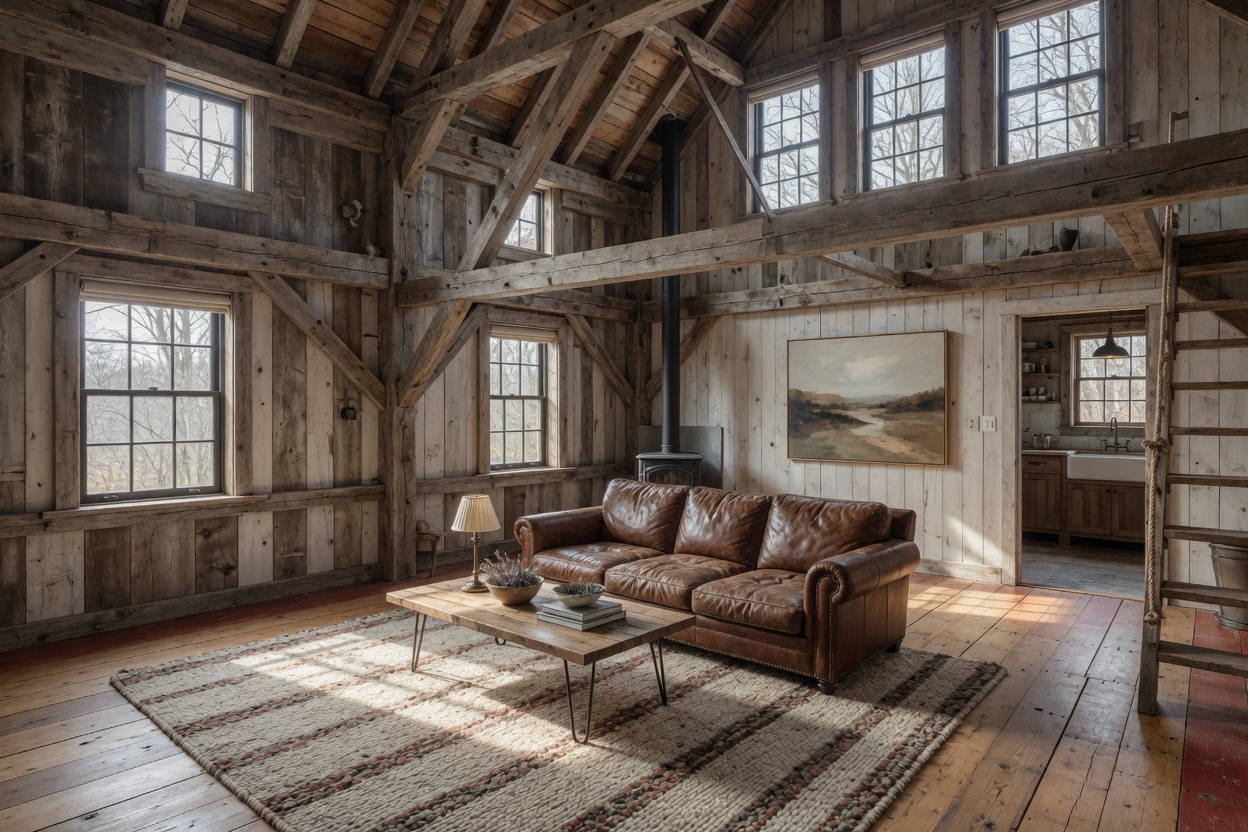
Farmstay and agritourism listings have a specific way of overpromising that other rural listings don't: the marketing often implies an experience — daily animal encounters, open access to fields, a guided tour of the operation — that the farm doesn't actually have the staffing or safety setup to deliver consistently. A working farm has chores, machinery, and liability concerns a photo shoot doesn't show, and a guest who booked expecting an interactive farm experience finds instead a quiet stay next to fields they can look at but not enter.
The fix isn't less charm in the marketing — it's more precision about what a real Saturday on the property actually looks like for a guest. Honest farmstay copy describes routines, boundaries, and seasonal limits clearly enough that a guest books knowing exactly what kind of stay they're getting, rather than discovering the gap between the photos and the reality after they've already arrived.
This isn't a smaller version of the honesty problem every rental listing has to manage — it's a distinct one specific to agritourism, because the appeal being sold is participation in an active operation, not just proximity to a scenic backdrop. That distinction is worth naming clearly, since the fix for it is different from a typical listing-accuracy pass. This is not legal advice.
Market the Routine, Not the Romance
A golden-hour photo of an open field says nothing about whether a guest can actually walk into that field, and most farmstay listings never clarify the difference. Describing what a guest can genuinely expect on a normal, non-special-event day — driveway parking, fence lines they'll see but not cross, chore hours that happen whether or not guests are watching, and whether animals are view-only or something guests can actually approach — sets accurate expectations before a booking is made, not after.
If a listing can't safely offer guest participation in an activity like feeding or harvesting, that language should be dropped from the marketing entirely rather than implied through suggestive photography. A guest who arrives expecting to help harvest and instead finds a sign asking them to stay off the crop rows experiences a specific, avoidable disappointment that a more honest listing would have prevented.
This distinction between viewing and participating is worth making explicit in the listing's own language, not left implied. 'Guests can view the orchard from the walking path' and 'guests are welcome to help with the harvest' describe two entirely different experiences, and a listing that blurs the line between them — through vague phrasing or a photo that implies more access than is actually offered — sets up exactly the kind of expectation gap this page is warning against.
Photos matter here as much as text. A gallery that only shows idealized, staged shots of the property omits the mud, the distance between the guest space and the actual farm activity, and the storage or boot-cleaning setup a guest will actually need to use. Showing that reality alongside the beauty shots sets a guest up to arrive prepared rather than surprised.
The distance between the guest accommodation and the actual working parts of the farm is worth stating as a specific number or walk-time, not a vague impression. 'Adjacent to the barn' can mean a shared wall or a five-minute walk depending on the property, and a guest who booked expecting the closer version experiences the farther one as a letdown, even though nothing in the listing was technically false.
Seasonal Limits Belong in the Listing, Not Just in a Host's Head
Farm activity is inherently seasonal — planting, calving, and harvest windows shift year to year and aren't available on demand the way a static amenity like a pool is. A listing that describes a farm experience without dating that content risks selling a spring lambing season to a guest booking in August, simply because the copy was written once and never updated.
Date any seasonal content directly and remove or revise it once the window closes. A guest who books a shoulder-season stay expecting the farm activity described in the listing, only to find the season already ended, is a more frustrated guest than one who never expected farm activity in the first place — the specificity of the promise is what makes the letdown sharper.
A simple practice that prevents this drift: review seasonal listing content at the start of each season rather than relying on memory to catch it. A five-minute check each quarter — is lambing season still active, has the harvest window passed, are the fields currently open or fallow — keeps the listing honest without requiring a full rewrite every time conditions change. Put the check on a recurring calendar reminder rather than trusting memory to prompt it at the right time.
Shared farm roads add a layer most non-farm rural listings don't have to think about: quiet hours and vehicle rules matter for safety reasons, not just guest comfort, when tractors and farm vehicles share the same driveway as guest cars. That should be written into the listing before a host advertises anything that implies late-night activity, like stargazing or a fire pit, on a property with working farm traffic.
A specific early-morning warning belongs in the listing wherever farm chores genuinely start before sunrise. A guest who books a peaceful countryside escape and gets woken by tractor noise or livestock sounds at 5am is having a real, working-farm experience — but only a listing that names that specific reality in advance turns it from a complaint into an accurately anticipated part of the stay.
Five Agritourism-Specific Anti-Patterns
Promising daily tours a host can't actually staff every day is the most common failure, usually because it sounds appealing in the listing draft without anyone checking whether it's operationally realistic to deliver on a random Tuesday with no advance notice. If tours are only available by appointment or seasonally, the listing needs to say so plainly rather than implying daily availability.
Hiding working machinery from the marketing — leaving tractors, feed equipment, or other farm operations entirely out of the photos and copy — creates a mismatch just as real as overpromising access. A guest who didn't know the farm was an active working operation, not a static rural backdrop, can be caught off guard by early-morning equipment noise the listing never mentioned.
Using photos of a neighboring farm's fields or animals, rather than the actual property guests will be staying on, is a specific and avoidable form of misrepresentation. Every photo in the gallery should show the actual property, even if that means fewer dramatic wide shots than a neighboring operation might offer.
Opening fields without liability clarity rounds out the pattern, and it's worth its own careful treatment given the real risk involved — covered separately below. Selling agritourism appeal before basic access and safety copy is settled means the marketing is running ahead of decisions that genuinely need to come first.
Liability and Access Clarity Come Before Charm
Opening fields to guests without clear liability boundaries creates real risk for the host, independent of how the marketing describes it. Before any listing language implies open field access, the host needs actual clarity — insurance coverage, posted boundaries, clear signage — on what guests are and aren't permitted to do, not just a hopeful assumption that guests will use good judgment.
A shorter, more restrictive listing that's honest about access limits protects both the guest and the host better than a longer, more inviting one that quietly assumes guests will self-limit their exploration. Selling agritourism appeal before the basic access and liability copy is settled is a sequencing mistake that shows up as either a safety incident or a guest complaint, neither of which a beautiful photo gallery prevents.
This is a case where restraint in the marketing is directly protective, not just an accuracy nicety. The farm's actual insurance and safety setup should determine what the listing promises, not the other way around.
Signage and physical boundary markers matter as much as the listing text itself. A clearly marked line between guest-accessible areas and working farm zones removes ambiguity in the moment, when a curious guest is standing at the edge of a field deciding whether to keep walking — a decision that shouldn't depend on whether they remembered a sentence from the listing they read weeks earlier.
A Realistic Check-In Point at Thirty and Ninety Days
At thirty days, review what's actually changed on the live listing — which seasonal claims got dated or removed, which photos got replaced with more accurate ones — and note what guests asked about that the listing didn't already answer. That question list is the most direct signal of where the farmstay copy still overpromises.
At ninety days, drop any language that continues to generate the same category of guest question or complaint, even if it's appealing marketing copy. A phrase that consistently creates mismatched expectations isn't worth keeping just because it sounds good in the listing draft.
A full calendar isn't proof the listing is accurate — a farmstay can book well on the strength of appealing photos while still generating disappointed guests once they arrive and discover the gap between the marketing and the actual, staffed reality of the operation.
A Worked Example: Rewriting an Overpromising Farmstay Listing
Consider a listing that describes 'daily farm tours and animal encounters' with a gallery full of golden-hour shots of guests petting goats — photos taken during a single special open-farm weekend, not representative of a typical Tuesday stay. Guests booking on a regular weeknight arrive expecting that same experience and instead find a working farm going about its normal routine with no tour available.
The honest rewrite doesn't have to be less appealing, just more specific: 'Guided farm tours available select weekends by advance request; on regular stays, guests can view pastures and the barn from the marked walking path, and animals are visible but not approachable outside scheduled tour times.' That's a real, repeatable promise instead of an aspirational one, and it still sells a genuine reason to book.
The photo gallery gets the same treatment — the special-weekend tour photos move into a clearly labeled 'guided tour experience' section, while the main gallery shows what a typical stay actually looks like: the walking path, the pastures from a distance, the guest accommodation itself. A guest booking a regular stay now sees an accurate preview instead of a curated exception presented as the norm.
Pets, Children, and Farm Safety Expectations
Families traveling with young children are a common audience for farmstay listings, and they carry a specific set of safety assumptions that deserve direct address in the listing. A working farm has hazards a typical vacation rental doesn't — electric fencing, machinery, uneven terrain, animals that aren't necessarily safe to approach — and a listing marketed toward families without naming these clearly is setting up exactly the kind of mismatch this page is about.
Guest pets deserve their own explicit policy on a farm property, separate from a standard pet policy elsewhere. A dog that's fine in a typical rental backyard can be a genuine problem around livestock, and a listing that allows pets without addressing farm-specific interaction rules is inviting a conflict that a single clear sentence could have prevented, for both the guest's pet and the farm's animals.
None of this needs to read as a warning label that scares guests away. Naming specific safety expectations plainly — closed-toe shoes recommended near the barn, children must be supervised near fencing, dogs must stay leashed near pasture areas — reads as competent hosting, not as a liability disclaimer, and it sets a family up to actually enjoy the stay without an avoidable safety scare, and without the host having to have an awkward in-person safety conversation at check-in that the listing copy could have handled clearly in advance.
Related Reading
More independent-host reading on honest listing work, metrics, hiring, and distribution you can staff.
Frequently Asked Questions
What's the core problem with typical farmstay marketing?
It often implies interactive access — daily tours, open fields, animal encounters — that the farm doesn't actually have the staffing or safety setup to deliver consistently. Guests book the romance of the photos and arrive to the actual, more limited routine of a working farm.
What should farmstay copy describe instead of idealized farm photos?
The routine a guest will genuinely experience on a normal day: driveway parking, fence lines they'll see but not cross, chore hours, and whether animals are view-only or approachable. Specific, accurate description prevents the gap between marketing and arrival.
How should seasonal farm activity be handled in listing copy?
Date it directly and remove or revise it once the season ends. Undated seasonal content risks selling a spring activity to a guest booking in August, and the specificity of a dropped promise makes that letdown sharper than never having promised it.
Why do shared farm roads need explicit rules in the listing?
Because tractors and farm vehicles share the same driveway as guest cars, quiet hours and vehicle rules are a safety issue, not just a comfort preference. This needs to be written into the listing before advertising anything that implies late-night activity like a fire pit.
Is it ever okay to use photos of a neighboring farm in listing marketing?
No. Every photo should show the actual property guests will stay on, even if that means fewer dramatic shots than a neighboring operation offers. Using another farm's photos is a specific, avoidable form of misrepresentation guests can discover on arrival.
What should happen before a listing implies open field access?
The host needs actual clarity first — insurance coverage, posted boundaries, clear signage — on what guests are and aren't permitted to do. Marketing language should follow the farm's real liability setup, not lead it.
What's the most common agritourism anti-pattern?
Promising daily tours a host can't actually staff every day, usually because it sounded appealing when drafting the listing without checking operational reality. If tours are appointment-only or seasonal, the listing should say so plainly.
Does a full booking calendar mean the farmstay listing is accurate?
No. A farmstay can book well purely on the strength of appealing photos while still generating disappointed guests once they discover the gap between the marketing and the actual, staffed reality of the farm operation.
Why is hiding working machinery from listing photos a mistake?
A guest who didn't know the farm was an active working operation can be caught off guard by early-morning equipment noise the listing never mentioned. Showing the machinery sets accurate expectations rather than presenting a static, idealized version of a working farm.
What should a host do at the ninety-day mark for a farmstay listing?
Drop any language that keeps generating the same category of guest question or complaint, even if it's appealing copy. A phrase that consistently creates mismatched expectations isn't worth keeping for its marketing appeal alone.
Work with Crest & Cove Creative
A golden-hour field photo sells a fantasy most working farms can't staff on a random Tuesday. Market the actual routine guests will get, not the romance of a farm they'll never really see.
We help farmstay hosts rewrite listing copy so the photos and the actual routine guests will experience finally match. Send us the listing and we'll help you find where the marketing is promising more than the farm can deliver.
Reach out at crestcove.co or (256) 998-7502.


Comments