
When Influencer Marketing Backfires: What Hosts Should Fix First

Updated: Aug 25
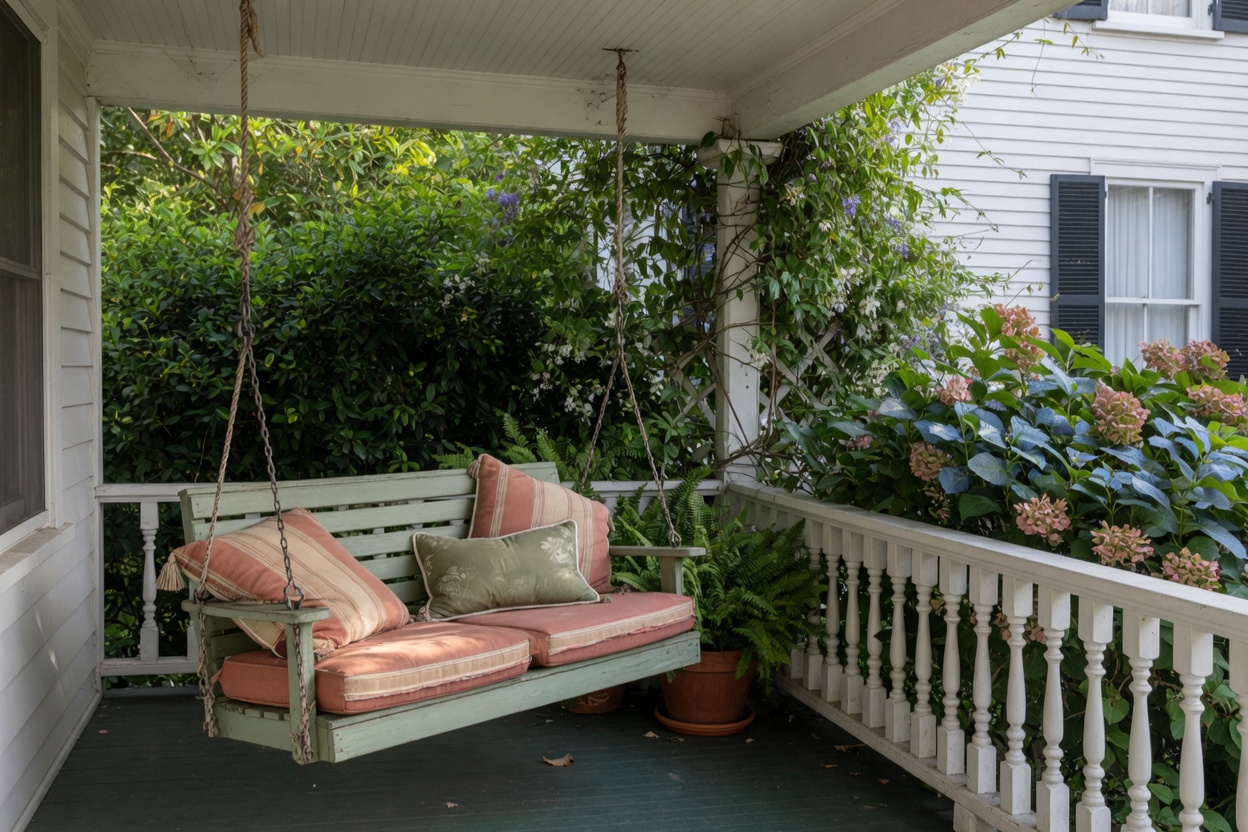
A host posts a reel of a creator working from the porch with strong wifi and a stocked welcome basket, and for two weeks the inquiries pour in asking about the exact same setup. Then the messages turn skeptical, because the guest who actually checks in on a Tuesday gets a router that drops during a video call and no welcome basket at all. The reel did its job. The listing never caught up to what the reel promised, and that gap is where the damage happens.
This page is about that gap, not about whether influencer marketing works in general. It covers what to check before a campaign goes live, how to tell a creator's conditions apart from an ordinary guest's conditions, and what to do if a caption has already outrun the listing. It does not estimate booking lifts from influencer reach, and any note on disclosed-versus-undisclosed partnerships is general practice, not legal advice on FTC compliance. This is not legal advice.
The Caption Always Outruns a Weak Reel Angle
Hosts tend to blame a backfire on production quality: the lighting was off, the creator's audience skewed wrong, the hook was slow. Almost none of that is what actually burns trust. What burns trust is a caption that states something as fact - quiet workspace, walkable beach, a stocked kitchen - that the listing itself does not currently back up in its title, its photo order, or its house rules.
A weak video with an honest caption rarely generates a complaint. A polished video with an inflated caption generates a wave of them, because the polish is what convinced the stranger to book, and the caption is what set the specific expectation that gets violated at the door. Production value amplifies whatever claim sits underneath it - it does not fix a claim that was never true on an ordinary week.
Before blaming the creator relationship, read the caption as a stranger would and ask which sentence in it is not already provable on the live listing. If there is one, that sentence is the actual defect, not the creator's follow count or the day of the week they filmed.
A Creator's Tuesday Is Not a Guest's Tuesday
Creator visits are staged in ways that hosts rarely notice while they are happening. The welcome basket gets restocked for the shoot. The host is often on-site or a phone call away. The visit lands on a quiet midweek day chosen because the calendar was open, not because that day represents a typical booking.
The paying guest three months later inherits none of that. They arrive on a Saturday during a turnover crunch, the basket has not been restocked since the last stay, and the host is asleep two states away. If the caption described the creator's conditions as if they were the standard guest experience, the gap between the two becomes the guest's problem to discover, usually at 9pm with no one answering.
The fix is not to stop working with creators. It is to write and photograph the stay that a stranger will meet without the creator present, and to hold the caption to that version rather than the filming day's version.
Run the Side-by-Side Audit Before Anything Goes Live
Before a single post goes out, put the caption, the listing title, the first five photos, and the house rules next to each other and read them in that order, the way a booking stranger actually encounters the property. Any claim in the caption that the other three surfaces do not already support is a mismatch, not a marketing detail to smooth over later.
This audit is fast precisely because it is mechanical: line by line, does the caption's claim about quiet, about walkability, about amenities, survive contact with what is already public? If a claim only survives because of something true during filming and not true most weeks, it fails the audit even if it is technically accurate for that one day.
Any mismatch found here is a no-go until the public listing changes, not a note to remember for later. A campaign either waits, or the listing gets edited first - there is no version of this where the mismatch ships and gets patched afterward.
The Photo Doubles the Oversell
Captions rarely fail alone. The search-grid image a stranger clicks on before they ever read a word of the caption is making its own promise, and when that image is unusually flattering, it stacks a second layer of expectation on top of whatever the caption already set.
Golden-hour light that never happens at the actual check-in hour, or a lens angle that makes a small room look twice its size, are common culprits. Neither is dishonest in isolation - both are common real-estate photography habits - but paired with an ambitious caption, they turn one overstatement into two that the guest now has to reconcile at the door.
Fixing the caption while leaving an oversold hero photo in place solves half the problem. Both surfaces need to hold the same true story before a campaign amplifies either of them.
Staff the Inbox Like You Staffed the Shoot
A successful post creates a predictable spike in messages, and that spike is a scheduling problem, not a surprise. Hosts who plan the shoot, the caption, and the posting time rarely plan who answers the inbox during the three days after it goes live.
Pausing message replies on the exact day the post performs best recreates the backfire from a different angle: guests who were excited enough to reach out get silence instead of an answer, and the same-day reply habit that normally protects the listing's reputation lapses at the worst possible moment.
Treat inbox coverage as a real line item in the campaign plan, the same way the shoot day or the caption draft is a line item. If no one can hold same-day replies during the expected peak, delay the post rather than run it understaffed.
Disclosure Is a Trust Buffer, Not Just a Rule
Undisclosed sponsorship that also overpromises compounds the trust failure, because the guest discovers two things at once: the stay does not match the caption, and the caption was paid for without saying so. Either problem alone is recoverable. Together, they read as intentional.
A disclosed partnership that slightly overpromises tends to be more forgivable than an undisclosed one that gets the facts closer to right, because disclosure signals the host understood the arrangement was a promotion and not a neutral review. Guests forgive marketing. They do not forgive being misled about the fact that it was marketing.
This is a general practice observation, not legal guidance on disclosure requirements - confirm current FTC and platform rules with a qualified professional before running a paid or gifted partnership, particularly one involving a stay.
If It Already Backfired: The Recovery Sequence
If a campaign has already sent a burst of mismatched expectations toward the listing, the first move is not another apology post - it is to stop actively amplifying the claim that caused the problem, whether that means pausing paid boosts or pinning a corrected caption.
Second, rewrite the specific listing lines the campaign oversold: the title, the relevant house-rules sentence, the photo that overpromised. Guests who arrive after the fix should not encounter the same gap the earlier guests found.
Third, work through the inbox backlog the burst created, because the same unresolved question repeating across multiple threads is the clearest signal that the public listing still has not caught up to what was promised. Once the listing and the caption agree again, the recovery is done - there is no separate reputation-repair step beyond making the public facts true.
How Much Reach Is Actually Too Much
Scale is the part of a backfire hosts underestimate most, because a single post from even a modest creator account can send a burst of viewers all holding the exact same caption expectation at the same time. A slow trickle of individual bookings lets a host absorb and correct a minor mismatch one guest at a time; a burst does not offer that luxury.
The question worth asking before agreeing to any partnership is not just whether the caption is accurate, but whether the listing and the host's own bandwidth could absorb a sudden concentration of arrivals or inquiries all expecting the same specific thing. A creator with a smaller but highly engaged audience can create the exact same concentration risk as a larger one, if that audience is unusually likely to act on a single post at once.
This is not a reason to avoid reach - it is a reason to size the partnership to what the listing and the host can actually support that week, rather than treating every opportunity for exposure as automatically worth taking regardless of scale.
Choosing a Creator Whose Audience Actually Matches the Property
A creator's follower count says little about whether their audience actually wants what a specific property offers. A creator known for luxury resort content sending their audience toward a modest, budget-friendly cabin creates a mismatch before a single caption word gets written, because the expectation was set by the creator's usual content long before this particular post.
Look at what the creator's existing audience books and expects, not just how large that audience is. A smaller creator whose regular content already features quiet, work-friendly stays is a better match for a property built around exactly that than a much larger creator whose audience associates them with something entirely different.
This alignment check happens before the caption audit, not instead of it - a well-matched creator and an accurate caption together are what actually protect a listing from a backfire, and neither one alone is sufficient.
Not Every Mismatch Is a Crisis
It is worth separating a genuine backfire from an ordinary guest question, because treating every message as evidence of catastrophic failure leads hosts to either overcorrect with a defensive posture or abandon promotion altogether. A single guest asking a clarifying question about the workspace setup is normal curiosity, not proof the caption failed.
The actual signal worth acting on is repetition: the same specific complaint or the same specific clarifying question arriving from multiple guests who booked around the same campaign window. One data point is an anecdote. Three or four identical ones in a short span is the listing telling the host something concrete.
This distinction matters because overreacting to a single comment by pulling an otherwise honest campaign wastes work that was not actually the problem, while underreacting to a genuine pattern lets a fixable gap keep generating friction. Read the pattern, not the loudest single voice.
What Influencer Guidance Can Genuinely Claim
The honest version of influencer guidance for hosts is narrower than most marketing pitches suggest: it can claim listing-first caption discipline and planned inbox capacity for a burst week. Those two things are genuinely controllable and genuinely protective.
What it cannot honestly claim is a specific booking lift, a search-ranking improvement, or that a creator's staged conditions represent an ordinary guest's experience. Any pitch built around those claims is selling a hope, not a measured outcome.
Once a listing already keeps every promise a campaign would make, working with a creator becomes a genuinely low-risk way to add reach. Before that point, a host should bring the live listing to the table first and be honest with themselves about whether captions and photo order still outrun what a stranger will actually find at check-in.
Writing a Brief the Creator Can Actually Follow
Much of the risk described on this page can be reduced before filming even starts, with a short written brief that tells the creator explicitly which claims are safe to make and which are not - not as a restriction on creativity, but as the same accuracy check a host would run on their own caption.
A brief that says plainly "the workspace has strong wifi most days but is not guaranteed during storms" gives a creator room to make an honest, still-compelling caption, rather than leaving them to guess at language that might overpromise. Creators generally want their content to hold up under scrutiny too, since their own credibility is on the line alongside the host's.
This small amount of upfront coordination usually prevents more backfires than any amount of after-the-fact listing repair, because it stops the mismatched promise from ever being published in the first place.
Related Reading
Related reading for When Influencer Marketing hosts: same-town spine first, then nearby geo lines. Skip costume national dumps that do not underwrite this driveway.
Frequently Asked Questions
What usually causes influencer marketing to backfire for a host?
Production quality is rarely the culprit hosts assume it is. The actual pattern is a caption stating something as settled fact - a quiet workspace, a short walk to the beach, a fully stocked kitchen - that has not yet been made true across the listing's own public surfaces. A guest who arrives to find the gap treats it as a broken promise, not an editing choice, regardless of how good the video looked.
Why is a creator's visit a bad guide to guest conditions?
A creator's stay is usually smoothed over in ways nobody involved thinks of as staging: a restocked basket, a host on call, a date picked for open calendar space rather than typical demand. A guest booking months later gets none of those advantages, so any caption built around the creator's specific day quietly describes a version of the property that does not exist most weeks.
What should happen before a campaign goes live?
A quick side-by-side read of the caption against the title, the photos, and the house rules, in the order a stranger encounters them, catches most problems before they cost anything. Anywhere the caption claims something none of the other three confirm is the actual defect. Publishing on a maybe, hoping the gap goes unnoticed, is the one option that is never on the table.
How does the hero photo make a caption problem worse?
A photo can oversell on its own terms - flattering light, a lens angle that inflates a room - independent of anything the caption says. Pair that kind of image with an ambitious caption and a guest now has two separate reasons to feel misled at arrival instead of one. Auditing the photo and the words as two distinct claims, rather than one combined impression, catches this before it compounds.
How should a host plan for a message spike after a post?
A post that performs well generates a predictable wave of messages within days, and that wave deserves its own staffing plan the same way the shoot itself did. Going quiet on replies during exactly that window turns excited interest into the same kind of disappointment a mismatched listing creates, just through silence instead of a broken promise.
Does disclosure actually matter if the stay mostly matches the caption?
It matters more than most hosts expect, because an undisclosed partnership adds a second discovery on top of any factual mismatch: the guest learns the post was paid and not flagged as such. A disclosed partnership that oversells slightly tends to land better than an undisclosed one that is closer to accurate, since disclosure signals the arrangement was understood as promotion from the start. Confirm current requirements with a qualified professional - this is not legal guidance.
What is the first move after a campaign has already backfired?
Cut the amplification before anything else - unpin the post, pause any paid boost, or take it down outright. A public apology posted while the original claim is still circulating just extends the exposure window rather than closing it. The false promise has to stop reaching new people before any other repair step is worth doing.
What comes after the amplification stops?
The listing itself needs the actual edit the campaign was missing, whether that is a title change, an added house-rules line, or a swapped photo, so no guest booking after the fix meets the same surprise. Once that is public, the remaining work is clearing whatever inbox backlog built up, since a question repeating across several threads usually marks exactly where the old gap still lives.
Should a host estimate the booking lift from an influencer post?
There is no reliable way to separate reach from actual booking intent, so this page will not attach a lift number to any influencer activity. A better diagnostic than a guessed figure is what the inbox is actually asking - a question the listing already answers cleanly is one signal, and a question that keeps recurring is another, more useful one.
When is an influencer campaign actually optional rather than risky?
Once the listing's title, photos, and house rules already carry every fact a campaign might promise - the quiet hours, the walk to the water, the amenities that are actually there - additional reach mostly adds upside with little exposure. Before the listing reaches that point, more visibility just means more strangers arriving at a gap that has not yet been closed.
Work with Crest & Cove Creative
Most influencer backfires start with a caption, not a bad camera angle - a promise the listing cannot keep on an ordinary Tuesday. The creator's stocked, staffed midweek visit is never the guest experience three months later.
We help independent hosts run the caption-versus-listing audit before a campaign goes live, not after the inbox fills with the same complaint. Bring us the draft post and the current listing, and we will tell you plainly what still needs to change first.
Reach out at crestcove.co or (256) 998-7502.



Comments