
When Marketing Should Refuse a Property: Quality and Legality Gates

Updated: Aug 28
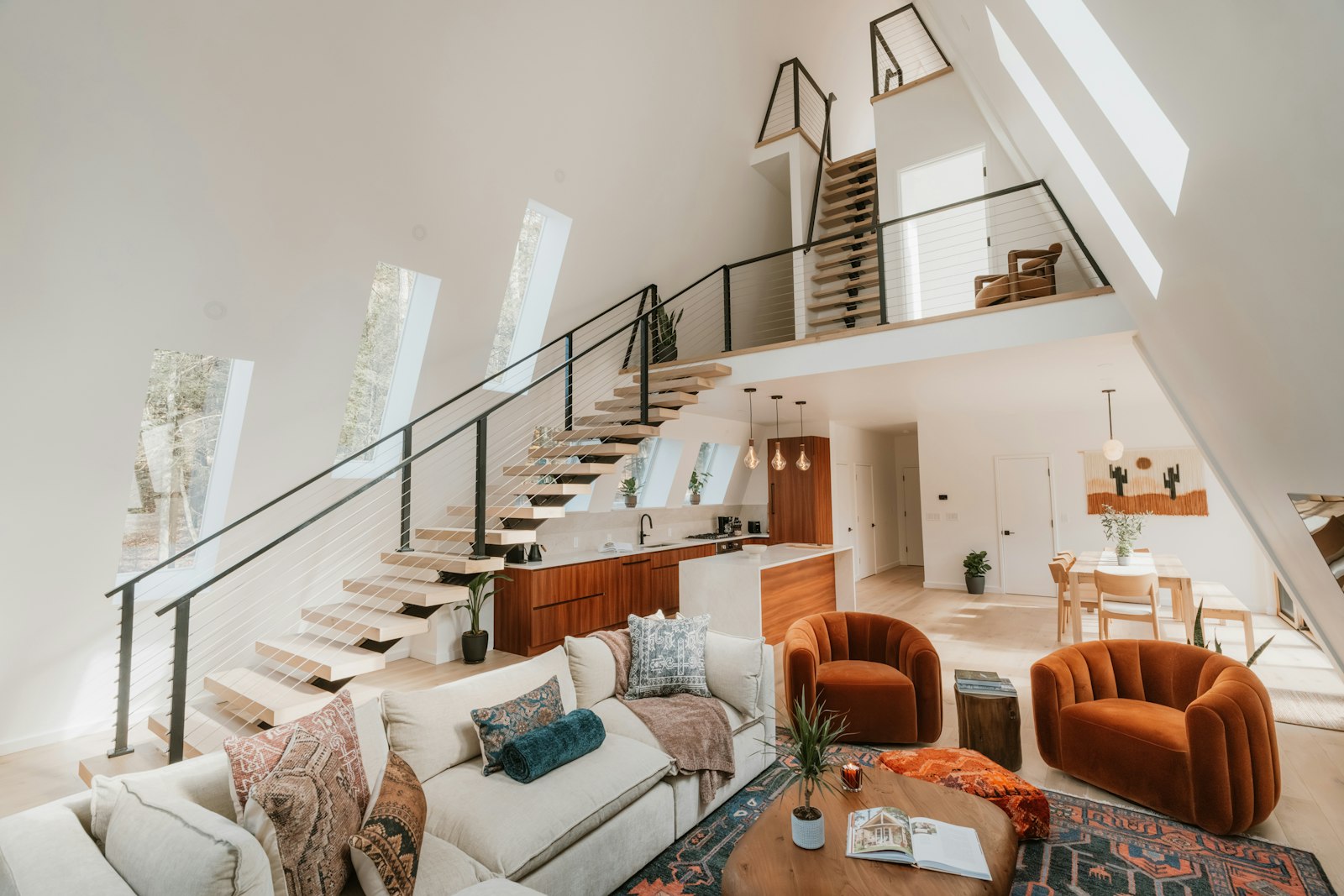
A beautiful house with no path to list should be refused. That sentence offends owners who have already paid a photographer in their head. It is still the adult sentence. Marketing cannot wash a banned use. Photos cannot invent a clerk. A first screen that looks finished while the file is missing is how guests, neighbors, and desks all lose at once. Quality gates and legality gates exist so you do not spend Tuesday dressing a stay that should not be in the grid.
This essay is a refuse framework, not a statute and not a binder. It is not legal advice. It is not insurance advice. Crest & Cove will not invent an ordinance, an occupancy cap, or a reason the town will say yes. We will talk about the difference between a house that is merely tired and a house that cannot be marketed, when to send the owner back to the clerk, and what a marketing partner can still do while the paper is missing. Marketing writes, or declines to write. Property management walks, or declines to walk. Channel plumbing should not copy a costume onto a second storefront.
Read this beside the compliance flagship. If the paper exists and you only need placement, go to how to disclose a permit. If the title is the problem, go to ethical claims. If the night is the problem, go to guest safety communication. What follows is the gate, not a lecture about taste. “I need to know whether this address may be listed for short-term stays, and what, if anything, must appear on the listing.” That is an owner sentence.
Quality gates are not snobbery
A quality gate is a list of things a stranger must be able to believe before you take the work. First three frames that look like the same house. A title that can be scanned. A constraint you are willing to show. A person who will answer. A turn that can keep the photos true on Saturday. None of that is taste as a personality. None of that is a luxury-only club. A small, honest cabin can pass. A large, pretty house that lies about the stairs can fail. Snobbery would be refusing the cabin. A gate is refusing the lie.
Hosts hear gate and think someone is judging their sofa. Judge the sofa only if the sofa is the listing’s promise. Judge the crop if the crop hides the drive. Judge the review habit if nobody has answered a note in a year. Bookings quality, review language, and time cost are the metrics. A house that will consume every Tuesday explaining a surprise is not ready for more attention. A house that cannot be photographed without invention is not ready for a set. You can still be kind in the email that says no. Kind is not the same as yes.
Quality also includes capacity. A two-person shop that already cannot staff replies should not add a second channel as a marketing project. That is a plumbing or management problem wearing a growth hat. A five-door owner who cannot remember which hero is current should not buy a campaign. Memory is an operations problem first. Marketing cannot invent a second brain. If the honest diagnosis is “we cannot keep the page true,” the gate is wait, not a mood board.
A marketing partner who never refuses is not generous. They are filling a pipeline. Crest & Cove will refuse a shoot that would have to lie, a copy pass that would have to invent, and a search project on a page that cannot survive a click. We will also refuse to treat a tired but honest house as beneath the work. Tired is a sequence: photos, nouns, reviews. Banned or missing is a stop. Keep those two piles separate when you decide.
Legality gates are not legal advice
A legality gate is a stop when you cannot point to a path to list. No registration the clerk requires. A packet that forbids short-term stays. An use the owner wants advertised that the desk has already said no to. A stale number nobody has renewed. This is not legal advice. We are not telling you what the town will do next. We are telling you we will not write the listing until the owner can point at a file or at a written path. “My neighbor is live” is not a path. The uneven-enforcement essay exists so a live pin is not mistaken for a strategy.
What you may ask, without becoming counsel: do you have a current paper, and can we see it. Does the association have a packet, and can we read the nights and party rules. Has anyone at a desk told you no, and do you have that in writing. Those are intake questions. They are not an opinion about the ordinance. If the owner wants an opinion, they need the clerk and, if they want one, a lawyer. Marketing should not fill that silence with “fully permitted” while we wait. Hide and invent are still disaster modes.
HOA and insurance sit inside the same hedge. The association is a clerk of its own. That is a reminder, not a legal theory. Do not advertise a party the bylaws forbid. The HOA essay is the packet file. Insurance is language, not a policy, and this is not insurance advice. A missing binder is a reason to send the owner to their agent, not a reason for us to write a FAQ that sounds like coverage. The insurance essay is the talking-points file. Until those files exist, the gate is the same. No path, no listing.
Owners will ask you to “just get it up and we will sort the paper.” That request is the job. Sorting the paper is the job they are trying to skip. A marketing partner who agrees is now in the costume business. Time cost for the owner will arrive as a takedown, a neighbor story, or a review that teaches the grid. Time cost for you will arrive as a rewrite you should never have started. Refuse early. It is cheaper than a careful paragraph about an use that cannot ship.
Photos cannot wash a banned use
A banned use is still banned when the light is perfect. Drone, dusk, a bowl of lemons, a linen sofa: none of those are a clerk. Creative that makes a prohibited stay look inevitable is how you recruit the exact guest the desk does not want and the neighbor cannot absorb. The later neighbor essay cannot repair a site plan that was never allowed. The accessibility essay cannot repair a word you should have left off. This file is simpler. If the use is not listable, do not shoot it as if it were.
Owners bargain with the set. Shoot now, list later. Shoot the party deck even though the packet forbids groups. Crop the missing rail. Use last year’s interiors while the application sits in a car. Some waiting is honest: do not shoot a room you are about to gut. Most waiting is a request that you manufacture momentum. Momentum is not a path. A gallery that exists will be used. Plumbing will copy it. A co-owner will ask why it is not live. The only clean version is not to make the gallery until the gate opens.
There is a narrower case for documentation photos that are not a listing set: a stair the owner needs to show a contractor, a pad they need to show a clerk. Those frames are a file. They are not a storefront. Keep them out of the OTA. Keep them out of a direct site. The direct-versus-Airbnb framework still applies. A pretty domain is not a permit. A pretty domain loaded with a banned use is a second problem.
If a photographer already shot the costume, do not publish the costume. Pay the invoice as tuition if you must. Do not let sunk cost pick the next move. Delete the party caption. Hold the set. Send the owner to the desk. The marketing-math essay already refused leftover ad accounts as strategy. Leftover beauty is the same trap with better light, and it will still get used if you leave it in a shared folder.
When to send the owner back to the clerk
Send them back when they cannot name the paper. Send them back when the number on the draft listing does not match a document they can hold. Send them back when they are quoting another town. Mount Shasta and Dewey Beach files are examples of talking about desks, not a kit they can paste. Send them back when an HOA board email and a city desk email disagree and nobody has asked either desk to reconcile. You are not the reconciler. You are the person who will not type through the disagreement.
Give them a sentence they can use at the counter. “I need to know whether this address may be listed for short-term stays, and what, if anything, must appear on the listing.” That is an owner sentence. It is not legal advice. It is not your appearance on their behalf. Do not offer to call the clerk as if you were counsel. Do not offer to interpret the form. You may offer to wait, and to write the guest-facing line when they return with a yes they can show. Waiting is a service. Interpreting is a costume.
If the clerk says no, believe the no. A marketing plan that starts with “we will list anyway and stay quiet” is the unlicensed-competition problem from the other side of the street. Do not take that work. If the clerk says yes with conditions, write the conditions as guest nouns: nights, cars, quiet hours, occupancy you can prove. Do not write a summary of the ordinance. If the clerk says they do not care what the listing says, you still owe the guest the constraint. Guest trust is not the same as desk silence.
Management often makes this walk. That is appropriate. Marketing should not pretend the walk happened because a calendar is empty. Empty is not a permit. Empty is a week. Put the week down. Pick up the packet. Come back when the desk has spoken, and bring the written condition with you so the listing can use guest nouns instead of hope. A calendar gap is not a clerk. A holiday weekend is not a path. Wait for the paper, then write.
A composite: a beautiful house with no path to list
This section is a composite, not a named client and not a case study with invented bookings. Imagine a lake-adjacent house that photographs like a catalog. The owner lives out of state. A neighbor mentioned that “everyone on this road is on Airbnb.” The HOA packet, unread, limits stays in a way that would kill the Friday-to-Sunday product the owner wants. There is no town registration in the shared drive. The owner wants a hero set, a poetry title, and a direct site because they hate fees. They would like the listing live before the holiday weekend. They have a photographer on hold.
What happens next is predictable without inventing a fine or a return. If someone takes the work, the set will be used. The title will imply a party the packet forbids. A guest will book the weekend the board does not allow. A neighbor will call. A clerk who never issued a number will find a live pin. The leftover gallery becomes the story of the year: “we tried marketing.” They tried a storefront on an use that had no path. The house is still beautiful. The hours are worse. The co-owner now thinks marketing is the risk. The risk was the missing file.
The useful lesson is the refuse, not a morality play about HOAs. This house needed a clerk conversation and a packet read before a mood board. A marketing partner could have said no, named the questions to take to the desk, and offered to write the sentence later. A manager could have walked the packet. Plumbing should have been told to do nothing. None of that requires a campaign. None of that requires inventing occupancy. It requires disappointing an owner on a Tuesday instead of a guest on a Friday.
If you recognize the catalog house with the empty drive, stop the hold on the photographer. Write down who will stand at the desk, who will read the bylaws, and who will own the night if a yes arrives. If those names are blank, you are not ready for a set. Read the HOA essay as the packet sibling. Read when enforcement is uneven if the neighbor’s pin is the whole argument. Then come back and keep the gate.
What a marketing partner can still do
Refusal is not a void. You can still map the jobs. You can still tell the owner which pile is marketing, which pile is management, and which pile is plumbing. You can still say that a direct site will not mint a permit, and that the direct-booking flagship is a job split, not a workaround. You can still prepare, without publishing, the nouns you will use if the desk says yes: town, cars, stairs, quiet hours, the paper’s name. Preparing a sentence is not listing a house.
You can still recommend a manager search if the owner is remote and the night has no name. You can still recommend they call their insurance agent, without writing coverage. This is not insurance advice. You can still refuse a leftover ad account pointed at a page that should not exist. You can still be the person who says the holiday weekend is not a reason. Host-real time is the metric: the Tuesday you spend on a clear no is cheaper than the month you spend unsaying a listing.
What you cannot do is the costume menu. You cannot shoot around the packet. You cannot write “pending approval” as if it were a badge that converts. You cannot start SEO on a town plus “luxury permitted” while the file is empty. You cannot sync a draft to Vrbo “just to see.” Plumbing is not a sandbox when the public can find it. You cannot take a reduced fee to look the other way. Kindness is real. It is not a path to list.
Crest & Cove will do the first list and refuse the second. We are not a co-host, not a channel manager, and not a Vacasa-class property manager. We will wait. Waiting is sometimes the adult mix. A scare page about enforcement is never the mix. A pretty gallery of a banned use is never the mix. If that means we do less work this month, that is the cost of a gate we are willing to keep, and it is cheaper than unsaying a pin.
Questions before you take the work
Ask what paper exists, and ask to see it. Ask whether an association packet exists, and ask to read the nights, parking, and gathering rules. Ask who takes the 2 a.m. call. Ask who owns photos after the shoot, who owns the review reply, and who will delete a sentence when a desk changes. Ask which channels are already live and whether any of them already contradict the file. Ask what the owner wants the title to say, and whether they can prove each noun. These questions are intake. They are not a closing script.
Ask what they want you to pretend. The honest owners flinch and then talk. The ones who want a costume will say “just make it look official.” That answer is the refuse. Ask whether they are quoting another town. If they are holding a Mount Shasta or Dewey Beach sentence over a different lake, they are inventing. Ask whether they have already hired a photographer who was told to avoid the stair. That answer is a quality gate. Ask whether they need this live before a date that has nothing to do with a clerk. Urgency without a file is a gate.
Write the answers down where a co-owner can see them. A note is enough. A dashboard is too much. If two owners disagree about whether the packet exists, you do not have a client yet. You have a household argument. Marketing cannot be the argument. Management cannot be the argument either, though a manager may still walk the desk. Come back when the names and the papers agree, not when the holiday weekend is louder than the missing file.
If the answers are clean, take the work in sequence. Photos that tell the truth. Copy that names the constraint. Rules a guest can finish. No extra channel until one storefront is honest. That sequence is the same as the rest of this cluster. The only difference here is that you are willing to stop before step one, and to say so out loud before anyone books a camera. Sequence after a yes. Silence after a no. That is the whole gate.
How this protects the guest and the neighbor
Guests are protected when they are not recruited into a stay the street cannot absorb and the desk did not allow. A Friday arrival into a banned use is not hospitality. It is a transfer of your missing file onto their weekend. They will pay in a knock on the door, a dead party plan, or a review they should never have had to write. Bookings quality includes the booking you never took. That is not a slogan. It is a Tuesday you get back.
Neighbors are protected when the listing does not promise an use the pad, the hours, or the packet cannot keep. Quiet hours and parking are first-screen trust in the neighbor essay. They do not work if the product itself is the problem. A live pin that should not exist trains the street to treat every pin as a rumor. Legitimate inventory then inherits the suspicion. Hiding your own paper, when you finally get one, will not repair that suspicion. Show the noun. Stay off the grid until you have it.
You are protected too, which is allowed to matter. Time cost is a host-real metric. So is the cost of unsaying a gallery. A marketing partner who keeps this gate can still be in the owner’s week later, when the clerk has spoken, without having taught the grid a lie. The ethics essay keeps the sentences clean. The safety essay keeps the night on the page. This essay keeps the house off the page when the house cannot be a stay.
If quality or legality is still open, we will write the gate before the campaign. Reach out at crestcove.co or call (256) 998-7502. A quality gate is a list of things a stranger must be able to believe before you take the work. A marketing partner who keeps this gate can still be in the owner’s week later, when the clerk has spoken, without having taught the grid a lie.
Frequently Asked Questions
When should a marketing partner refuse to list a short-term rental?
When there is no path to list: a banned use, a missing paper the clerk requires, an HOA packet that forbids the stay the owner wants advertised, or a set that would have to lie. Quality gates catch the tired page you should fix before spend. Legality gates catch the house that should not be in the grid. A live neighbor pin is not a path. It is a refusal to write a costume. Send the owner to the desk before you book a photographer.
Is a quality gate just snobbery about pretty houses?
A small honest cabin can pass. A large pretty house that hides the drive can fail. The gate is whether a stranger can believe the first three frames, scan the title, see the constraint, and reach a person. Bookings quality, review language, and time cost are the metrics. A house that will consume every Tuesday explaining a surprise is not ready for more attention. Banned or missing is a stop.
Does refusing the listing mean you think the stay is illegal?
A legality gate is not legal advice and not a verdict. It is a stop when nobody can point to a current file or a written path. Ask whether a desk has already said no. If the owner wants an opinion about the ordinance, they need the clerk and, if they want one, a lawyer. Marketing should not fill the silence with fully permitted. Hide and invent are still disaster modes.
Can we shoot now and sort the permit later?
Almost never as a listing set. A gallery that exists will be used. A co-owner will ask why it is not live. Documentation frames for a contractor or a clerk are a file, not a storefront. Keep them off the OTA and off a direct site. A pretty domain is not a permit. If a costume set already exists, do not publish it. Pay the invoice as tuition if you must. Sunk beauty is still sunk cost.
What can a marketing partner still do while the owner goes to the clerk?
Separate marketing, management, and plumbing. Prepare, without publishing, the nouns you will use if the desk says yes. Recommend a manager search if the night has no name. Send the owner to their insurance agent without writing coverage. Refuse leftover ads pointed at a page that should not exist. What you cannot do is shoot around the packet, write pending approval as a badge, or sync a draft the public can find.
What questions should I ask before I take the work?
What paper exists, and may I see it. Is there an association packet, and may I read nights, parking, and gathering rules. Who owns photos, replies, and deletions when a desk changes. Which channels are already live. What title do you want, and can you prove each noun. What do you want me to pretend. If two owners disagree about whether the packet exists, you do not have a client yet. You have a household argument.
How does refusing a listing protect guests and neighbors?
Guests are not recruited into a weekend the street cannot absorb and the desk did not allow. Neighbors are not promised an use the pad, the hours, or the packet cannot keep. A live pin that should not exist trains the street to treat every pin as a rumor. Legitimate inventory then inherits the suspicion. Bookings quality includes the booking you never took. Time cost includes the month you do not spend unsaying a gallery. Show the noun when you have it. Stay off the grid until you do.
What will Crest & Cove refuse even if the house is beautiful?
If quality or legality is still open, we will write the gate before the campaign. Reach out at crestcove.co or call (256) 998-7502. Crest & Cove will do the first list and refuse the second. Crest & Cove will refuse a shoot that would have to lie, a copy pass that would have to invent, and a search project on a page that cannot survive a click.
Related Reading
Keep reading on same-cluster Crest & Cove pages that stay on labeled local lines without costume-corridor copy.
Measuring PR When Attribution Is Fuzzy for Independent Hosts
When Travel-Nurse Demand Conflicts With Your Peak Leisure Weeks
Trust Signals That Matter When You're Never Actually On Site
Selling an Inherited Rental Can Beat Marketing It for STR hosts
When Short-Form Video Is a Distraction from Listing Fundamentals
Why Every STR Needs Its Own Website — Even When Airbnb Works
Work with Crest & Cove Creative
Stop marketing a house that is not ready to be rented.
Bring the property and the reason you wanted it live this month. We will tell you when marketing should refuse the listing. Reach out at crestcove.co or (256) 998-7502.


Comments