
When Sustainability Marketing Is the Wrong Lead Message

Updated: Aug 27
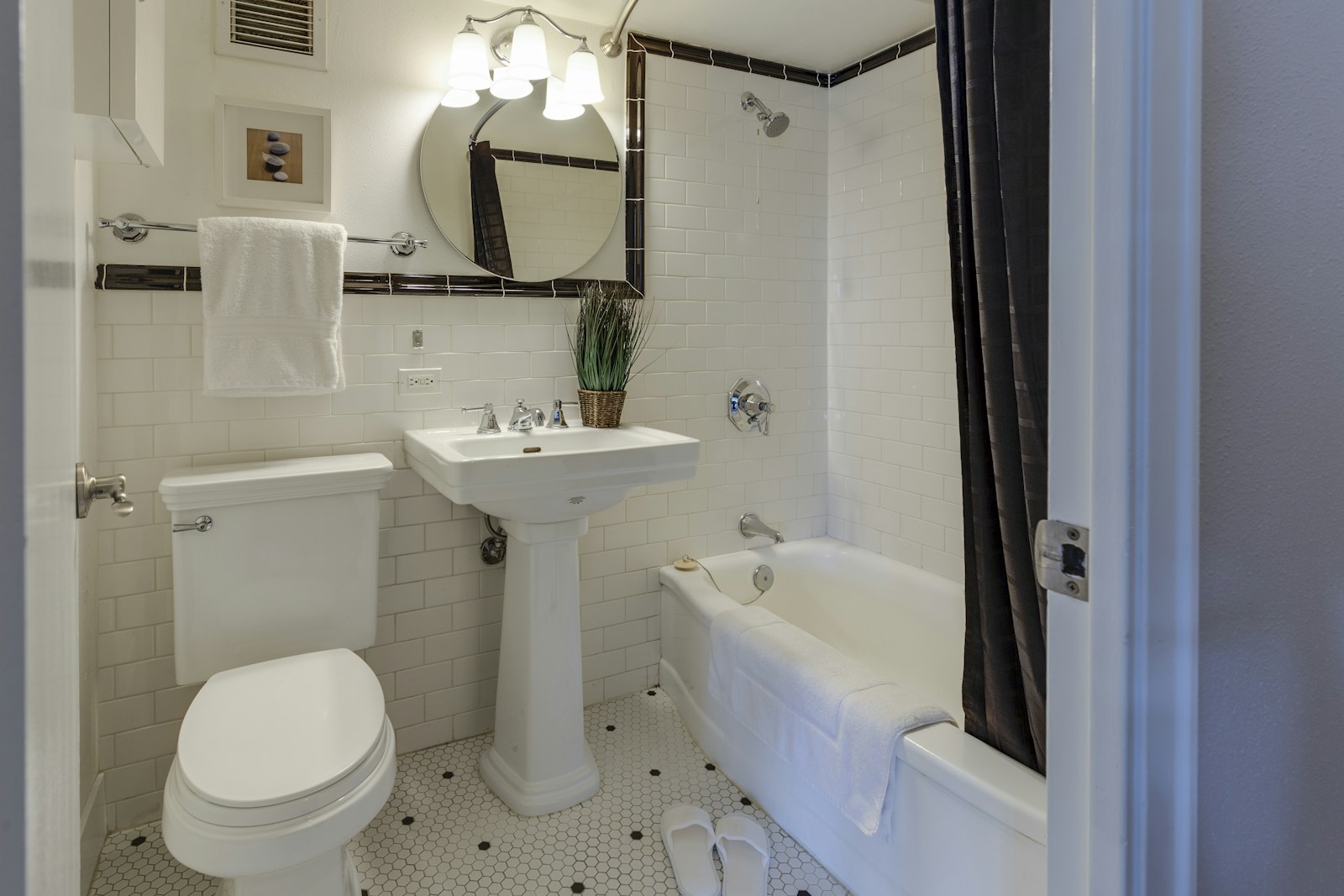
Sustainability messaging shows up on a lot of short-term rental listings now: solar panels, low-flow fixtures, refillable soap dispensers, a note about composting or recycling bins. Some of it is genuine and worth mentioning. Some of it is a handful of small, low-cost gestures dressed up as a headline claim, used to distract from a listing that has bigger problems, an inaccurate room count, a broken air conditioner, or a check-in process nobody can follow without three follow-up messages.
The test for whether a sustainability claim belongs in your marketing is not whether it is true in some small sense. Almost every host can point to one eco-friendly habit. The test is whether that claim is something a guest can actually verify during their stay, and whether it is doing real work compared to the more basic things guests judge a stay on first: does the space match the photos, does everything work, is arrival easy to follow.
This is not an argument against sustainability efforts. Real, verifiable environmental choices, solar power that actually runs the property, a genuine local sourcing relationship with a nearby farm, a well-documented recycling and composting system guests can actually use, are worth mentioning and can matter to a specific slice of guests. The question this piece answers is when that message should lead your marketing, and when leading with it is actually covering for something more basic that still needs fixing first. This is not legal advice.
Why Sustainability Claims Need a Different Bar Than Other Marketing
Most listing claims get checked against the room, the photo, the amenity itself. A guest can look at a bed and see if it matches the photo. Sustainability claims are harder to check in the moment, which is exactly why they need a higher bar before you put them front and center in your marketing. A guest cannot walk through the property and verify that your energy comes from renewable sources, or that the cleaning products are genuinely eco-certified, the way they can verify that a listed hot tub actually exists.
Because guests generally cannot verify these claims in real time, the responsibility for accuracy sits entirely with you. If you say the property runs on solar, that needs to be true and specific, not a general gesture toward environmental values. If you say cleaning products are eco-friendly, that should mean something more concrete than a generic instinct that most cleaning products these days are probably fine.
A useful gut check: would the claim survive a guest asking a direct follow-up question about it? If a guest asks how much of the property's power actually comes from the solar panels, or which specific products you use, can you answer plainly, or does the answer get vague and general? If it gets vague, the claim was decoration, not information, and it does not belong leading your marketing.
What You Can Honestly Lead With
A sustainability claim earns a place in your marketing when three things are true: it is specific, it is verifiable in some way a guest could actually check, and it reflects something structural about the property or your operations rather than a one-time gesture. Solar panels that meaningfully power the property, a genuine composting and recycling system with clear instructions in the house rules, a documented relationship with a local farm or supplier that actually shows up in what guests experience, these clear the bar.
It also helps to be specific about scale and limitation rather than making a blanket claim. Saying the property runs partly on solar with grid backup is more honest and more useful than simply saying it is solar-powered. Saying recycling is available for a specific set of materials, with clear instructions, is more useful than a general note about being eco-conscious. Specificity is what turns a marketing claim into something a guest can actually plan around and trust.
If you have made a genuine, sustained change, worth noting to guests who care about it, put it in the about section or house rules where it can be checked against reality, rather than making it the headline of your listing title or your first photo caption. Let it be a real, specific detail a guest discovers reading the listing, not the first impression competing with more basic questions like whether the space matches the photos.
Five Signs a Sustainability Lead Is Covering for Something Else
The first sign is a green headline sitting next to house rules that are vague or missing basic arrival details. If a guest has to guess at check-in time or lockbox location, no amount of eco-friendly language in the title fixes the actual guest experience problem waiting for them.
The second is a sustainability claim that cannot be traced to anything specific. General phrases like eco-conscious retreat or green getaway, without a single concrete practice named, usually mean there is nothing specific behind the phrase yet.
The third is leading with sustainability while known, unresolved property issues sit unaddressed, an air conditioner that is unreliable, a room count that does not match reality, a persistent maintenance problem guests have already flagged in reviews. Fix the thing guests are actually complaining about before adding a values-based headline on top of it.
The fourth is treating a single gesture, a note about towel reuse or a compost bin nobody has explained how to use, as if it were a comprehensive environmental program. One gesture is fine to mention briefly. It is not a marketing pillar.
The fifth is using sustainability language to justify skipping more basic quality investments, telling yourself that guests will overlook a dated kitchen or an uncomfortable mattress because the listing mentions solar panels. Guests booking a place to stay are judging comfort and accuracy first. A green claim does not offset a bad night's sleep.
A Composite Example: The Green Lead That Covered a Bigger Problem
Picture a three-bedroom property whose listing title leads with an eco-retreat framing and whose photos and about section emphasize a compost bin and a note about energy-efficient lighting. The house rules, meanwhile, never mention what time check-in actually starts, a detail guests have been asking about by message for months. Recent reviews mention confusion about arrival and a loft space that turned out smaller than expected.
The green framing was not dishonest exactly, the compost bin and efficient lighting were real, but it was doing marketing work that the more basic parts of the listing needed to be doing instead. Guests were not confused about the compost bin. They were confused about when they could get into the property and what the loft space actually was. The eco-retreat headline did nothing to solve either problem, and arguably distracted the host from noticing that the actual pain points guests raised were unrelated to sustainability at all.
The fix here is straightforward: write the check-in time and arrival process into the house rules where guests can actually find it, correct the loft description so it matches reality, and move the sustainability detail out of the headline and into a supporting mention in the about section, where it can sit as a nice-to-know rather than the first thing a guest reads.
When the Basics Are Solid Enough to Add a Green Message
Once the fundamentals are handled, the listing title and photos match the actual space, the house rules cover arrival, access, and quiet hours clearly, and recent reviews are not flagging confusion about the property itself, a sustainability message can move from being a distraction to being a genuine differentiator for the right guest.
At that point, it is worth thinking about which guests actually care about this message. Some travelers actively seek out low-impact stays and will read past the headline into the specifics. Others do not weigh it at all in their decision. A well-placed, specific sustainability note in the about section reaches the first group without asking the second group to care about something that was never their priority.
The message should still stay specific and checkable even once it earns its place. Naming the actual practice, solar coverage, a real composting system with instructions, a documented local sourcing relationship, keeps the claim honest and gives the guests who do care something concrete to trust, rather than a vague gesture toward good intentions.
The 30-Day and 90-Day Check
Thirty days after adding or adjusting a sustainability message, look at your recent guest questions and reviews. Are guests still asking about arrival, room accuracy, or basic amenities, the things a green headline cannot fix? If those questions persist, the sustainability message was not the priority fix, and it is worth revisiting whether it should have led the listing at all.
Also check whether the specific claim you made is still true. If you mentioned a local sourcing relationship or a particular recycling program, confirm it is still active. A sustainability claim that quietly stops being accurate after a few months is worse than never having made it, because now the listing contains an outdated claim a guest could catch and question.
At ninety days, revisit whether the sustainability message is still doing the job you intended, whether it is reaching the guests who care about it, whether it still matches reality, and whether the more basic parts of your listing, room accuracy, arrival clarity, comfort, are still solid enough that the green message reads as a bonus rather than a distraction from something unresolved.
The Bottom Line
Sustainability marketing is not wrong to use. It is wrong to use as a lead message before the fundamentals of your listing, accurate rooms, clear arrival instructions, comfortable and working amenities, are solid. Fix the basics first. Then, if you have a genuine, specific, verifiable environmental practice worth mentioning, let it sit where it belongs, as an honest supporting detail for the guests who care, not a headline covering for something else that still needs attention.
The simplest test to keep coming back to: if a guest asked a direct follow-up question about the green claim, could you answer specifically? And separately, are the more basic things guests actually complain about already fixed? If both answers are yes, the sustainability message has earned its place in your marketing.
Related Reading
More independent-host eco-claims and sustainability-hygiene reading already live on Crest & Cove.
Frequently Asked Questions
Is it ever okay to mention sustainability in my listing marketing?
Yes, as long as the claim is specific, verifiable in some way, and reflects a real, ongoing practice rather than a one-time gesture. Solar power that meaningfully runs the property, a genuine composting system with clear instructions, or a documented local sourcing relationship are all reasonable things to mention, as long as they are true and specific rather than a vague gesture toward good intentions.
How do I know if my sustainability claim is specific enough?
Ask whether the claim would survive a direct follow-up question from a guest. If someone asked exactly how much power comes from your solar setup, or which products you use for cleaning, could you answer plainly? If the honest answer gets vague, the claim needs more specificity before it goes into your marketing, let alone the headline.
Why shouldn't I lead my listing title with an eco-friendly message?
Because the listing title and hero photo are the first things a guest uses to judge whether the space matches what they need, room count, layout, basic comfort. A green-themed headline does nothing to answer those questions, and if it is covering for house rules that are unclear or a room description that does not match reality, it is actively distracting from the more urgent fix.
What are the warning signs that a green claim is compensating for a bigger problem?
A vague, unspecific green phrase with nothing concrete behind it, a sustainability headline sitting next to missing arrival details, known property issues that remain unaddressed while a values-based message gets top billing, and using an eco claim to justify skipping a needed comfort or maintenance upgrade are all signs the sustainability message is doing marketing work that a more basic fix should be doing instead.
Where should a genuine sustainability detail go if not in the title?
In the about section or house rules, where it can sit as a specific, checkable detail a guest discovers while reading the listing, rather than the first impression competing with more basic and more urgent information like arrival instructions and room accuracy.
Does sustainability marketing attract a specific type of guest?
Some travelers actively look for lower-impact stays and will read a specific, honest sustainability note with interest. Others do not weigh it in their decision at all. Placing the detail as a supporting mention rather than a headline reaches the first group without asking the second group to care about something that was never part of their decision.
What should I do if my listing already leads with a sustainability message and guests keep asking basic questions?
Move the sustainability message to a supporting role and fix the basic gaps first, unclear arrival instructions, a mismatched room description, an unresolved maintenance issue. Once guest questions about the fundamentals drop off, you can reconsider how prominently the sustainability message should sit in your marketing.
How often should I revisit a sustainability claim once it is published?
Check it at thirty and ninety days along with the rest of your listing. Confirm the specific practice you mentioned is still active and accurate, and confirm that guest questions about the more basic parts of your listing have not resurfaced. An outdated sustainability claim is worse than none, because it is a specific statement a guest could catch and question.
What's an example of a sustainability lead covering for a bigger problem?
A three-bedroom listing led with an eco-retreat framing and a compost bin, while the house rules never mentioned check-in time, something guests had been messaging about for months, and reviews flagged confusion about arrival and a loft that was smaller than expected. The green framing wasn't dishonest, but it was doing marketing work that arrival instructions and an accurate room description needed to be doing instead. The fix was writing the check-in time into the house rules, correcting the loft description, and moving the sustainability note into a supporting mention in the about section.
What's the simplest test for whether a sustainability message has earned the lead position?
Two questions: could you answer a guest's direct follow-up about the green claim specifically, and are the more basic things guests actually complain about, room accuracy, arrival clarity, comfort, already fixed? If both answers are yes, the sustainability message has earned its place in the marketing. If either is no, fix that first.
Work with Crest & Cove Creative
A green-themed listing headline can quietly cover for arrival instructions, room accuracy, or comfort issues that guests are actually messaging you about. Name the failure mode the guest can check on the listing.
Tell us what your listing currently leads with, and we will help you decide whether a sustainability message belongs in the headline or as a supporting detail. Reach out at crestcove.co or (256) 998-7502. Send the live listing draft and the facts you can actually cite.
Reach out at crestcove.co or (256) 998-7502.


Comments