
Your Ad Crops and Your Listing Photos Are Doing Two Different Jobs

Updated: Aug 27
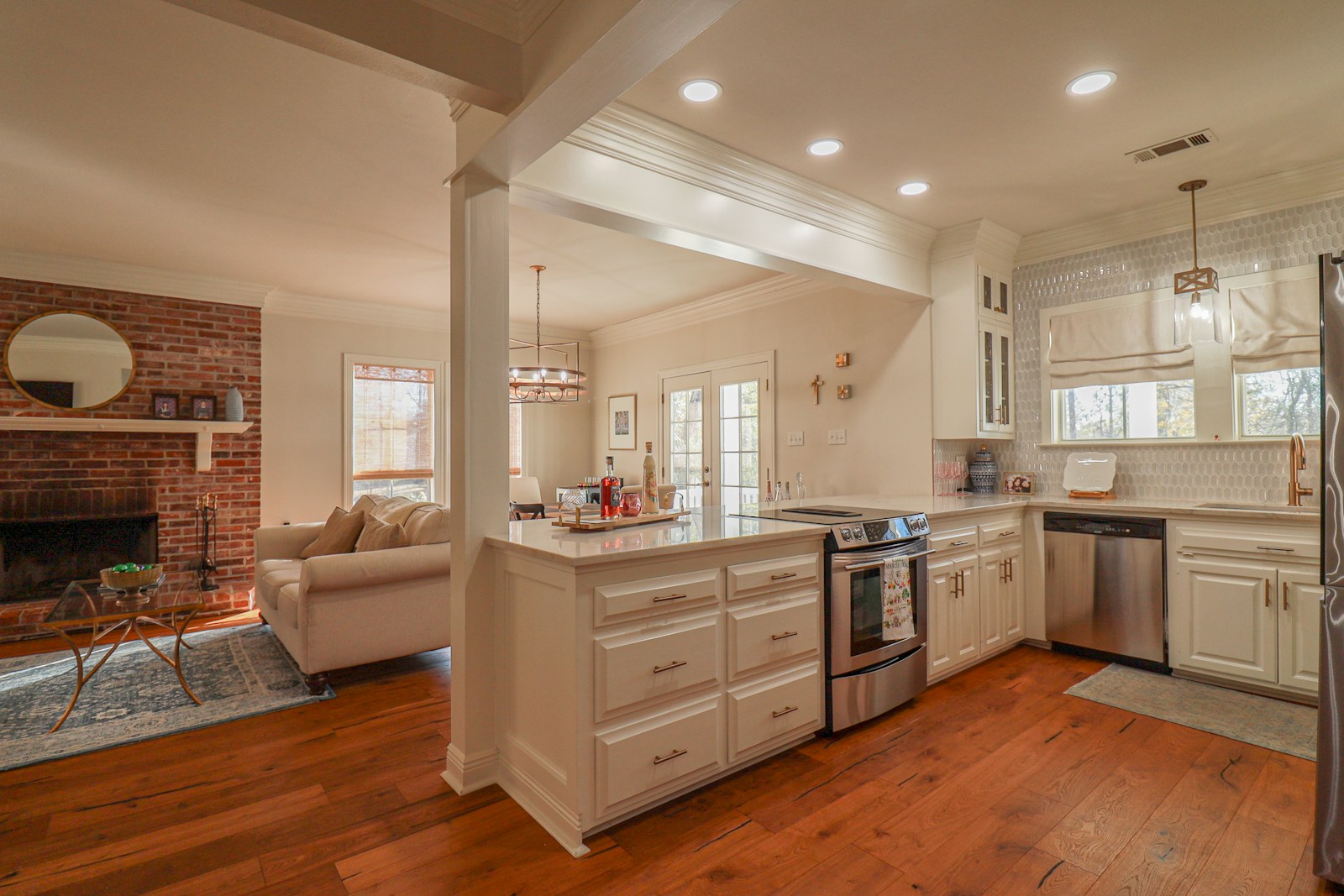
It's an easy mistake to make: you've got a great-looking crop from a paid social campaign, so you reuse it as your listing's lead photo. Or the reverse — your listing gallery is honest but plain, so you commission punchier ad creative that shows the house at its absolute best angle, in its absolute best light, cropped to hide the parts that don't photograph as well.
Both moves treat ad creative and listing photography as the same job with different budgets. They're not. An ad crop's only job is to earn a click — it can tighten, darken, or reframe for a feed, because its success is measured by whether someone stops scrolling. Your first search photo has a completely different job: it has to still be true after the click, when a guest is deciding whether this is the house they'll actually book.
This isn't a legal or compliance issue — it's a straightforward marketing argument. Keep paid creative and listing photos doing separate jobs, refuse any crop that contradicts what a guest will actually walk into, and judge success by what happens in your inbox after the click, not by click-through rate alone. This is not legal advice.
What an ad crop is actually for
An ad crop is a paid frame optimized for a feed — it can be tightened, darkened, or cropped in ways that flatter the property, because its entire job is to stop a scroll and earn a click. That's a legitimate, narrow job, and there's nothing dishonest about a well-composed ad doing it well.
A first search photo is a different object entirely: it's the listing tile a guest sees the moment they're deciding whether to book, and it has to still match the hallway, the arrival experience, and the space as the guest will actually encounter it. When those two jobs get blended — when an ad's flattering crop becomes the listing's primary photo — the gap between promise and delivery becomes the guest's problem to discover after they've already committed.
The house is still the house regardless of which photo job is describing it. A crop that deletes an inconvenient truth about the space in exchange for more clicks isn't creative economy — it's cost shifted onto the guest experience and, eventually, your reviews.
The five anti-patterns worth watching for
The first: publishing a dozen ad crops while the listing's actual first search photo still doesn't represent the space honestly. Click-through rate on the ad isn't the score here — whether a guest who lands on the listing still recognizes the property from what sold them is the score.
The second: an ad crop the property itself can't actually honor — an angle, a lighting setup, or a framing that doesn't exist in reality once a guest walks in. The third: treating a creative refresh as a reason to pause guest communication. Response-time expectations don't pause for a marketing project; answer the guest who already wrote about the room your ad showed them, then get back to the creative work.
A fourth anti-pattern is chasing an ad performance number (like ROAS) in isolation, without checking what happens after the click — inquiries about a room that isn't in the gallery, or reviews that contradict the tile that sold the stay, are the real signal a creative choice went wrong. A fifth is a full brand overhaul triggered by one underperforming ad set — that's usually an overcorrection to a narrower, fixable problem.
What each photo job should actually own
Your listing photography system owns the shot list, lighting, sequence, and room order for the gallery a guest browses before booking — full stop. Paid ad creative doesn't rebuild that; it borrows from it. The first search photo stays the listing's job, not something an ad campaign gets to override.
What paid creative may reasonably touch: crop framing for feed formats, caption language that matches rooms the gallery already shows, and a landing URL that tells the same truth after the click that the ad told before it. If an ad mentions a specific feature, that feature should already be visible and described the same way in the listing itself.
Resist the urge to rebuild an entire photo gallery just because one ad campaign felt urgent. A new hero shot sequence doesn't fix anything if the ad's central promise still contradicts what the gallery shows underneath it — the ad and the listing have to agree with each other before either one gets more investment.
A composite: where this actually goes wrong
Picture a three-bedroom property with ten scheduled Meta ad crops and a listing gallery that still opens on a dim, uninviting hallway shot. The owner lives three hours away and hasn't visited in months. The ad shows a bright, open living space; the actual listing gallery leads with a dark corridor, and the house rules about arrival timing live only in the owner's phone, not in the listing's about section.
The weekly evidence shows up fast: inquiry messages asking which house the ad actually depicted, unread texts from confused guests about a room that doesn't appear anywhere in the gallery, and reviews that openly contradict what the marketing promised. Increasing ad spend on top of this only accelerates the mismatch — more people click, more people arrive disappointed.
The fix isn't more creative volume. It's aligning the first search photo, the about-block description, and the ad creative so all three tell the same story — then measuring success by whether post-click inquiries drop, not by ad engagement alone.
A simple 30/90-day check
At the 30-day mark, don't just check occupancy or return on ad spend in isolation. Check three specific things: has the first search photo changed to better match arrival, has the about-block description been updated to match what the ads promise, and has the volume of confused post-click inquiries gone up or down. Write down what changed, or write down that nothing did.
If all three answers are 'nothing changed,' you haven't actually separated the two photo jobs — you've just added more ad volume on top of an unresolved mismatch. A single honest update to the first search photo, made and dated, counts as real progress even if it's the only change that month.
At 90 days, look specifically for the gap you're still avoiding: the listing photo you know doesn't match the ad's promise, the ad angle you know the house can't actually deliver. The instinct at that point is often to launch another ad refresh — resist it. Fix the mismatch on the listing side first; more ad spend on an unresolved gap just scales the disappointment.
Related Reading
More host-facing reading on listing photo order, paid ads, and public fields that still match arrival after the click.
Frequently Asked Questions
Can I use the same photo for both my ad campaign and my listing's first search photo?
You can, as long as that photo honestly represents what a guest will encounter at arrival. The problem isn't reuse — it's when an ad-optimized crop (tightened, brightened, or angled to flatter) becomes the listing's primary photo without still being true to the actual space guests will walk into.
What's the actual difference between ad creative and listing photography?
An ad crop's only job is to earn a click on a feed — it's allowed to be optimized for that narrow purpose. A listing's first search photo has to still hold up after the click, when a guest is deciding whether to book based on what they're actually going to experience.
How do I know if my ad creative has drifted too far from my actual listing?
Watch your inbox after the click, not just your ad's click-through rate or ROAS. Rising numbers of confused inquiries about rooms not shown in the gallery, or reviews that contradict what your marketing promised, are the clearest signals that your ad creative and listing photos have stopped agreeing with each other.
Does pausing to redo creative mean I can pause guest communication too?
No. Standard host response-time expectations don't pause for a marketing project. If a guest has already written in about something your ad showed them, answer that message before returning to the creative work — the two aren't in tension, but the inbox comes first.
What should I check after 30 days of running new ad creative?
Check three specific things: has your listing's first search photo been updated to better match arrival, has the about-block description been updated to match what your ads promise, and has the volume of confused post-click inquiries changed. If none of those three moved, more ad spend isn't the next step — closing that gap is.
Is a full brand or gallery overhaul the right response to an underperforming ad?
Usually not. A full rebuild triggered by one underperforming ad set is often an overcorrection to a narrower, more specific problem — like one crop that doesn't match the actual space, or a caption that promises a feature the listing description doesn't mention.
What belongs in the listing gallery versus the ad campaign?
The listing gallery owns shot list, lighting, sequencing, and room order for the full guest-facing experience — that's not something an ad campaign should try to rebuild or override. Ad creative can reasonably borrow crop framing and caption language from what the gallery already honestly shows, as long as any feature mentioned in an ad is also visible and described the same way in the listing.
What's the single most useful signal that my two photo jobs are out of sync?
A rising rate of post-click confusion — guests messaging to ask if they've got the right listing, or reviews that mention the property didn't match what the ad or search photo showed. That's a more reliable signal than any ad platform metric alone.
Work with Crest & Cove Creative
An ad crop's only job is to earn a click. Your listing's first photo has to survive the moment after — and those are not the same job.
Send us your live listing and the ad creative you think matches it. We'll tell you honestly whether your first search photo, about-block, and ad still agree with each other after the click, before another feed experiment adds more mismatch to fix later. Reach out at crestcove.co or (256) 998-7502.
Reach out at crestcove.co or (256) 998-7502.


Comments