
The Marketing Kickoff Questions Every Host Should Answer

Updated: Aug 28
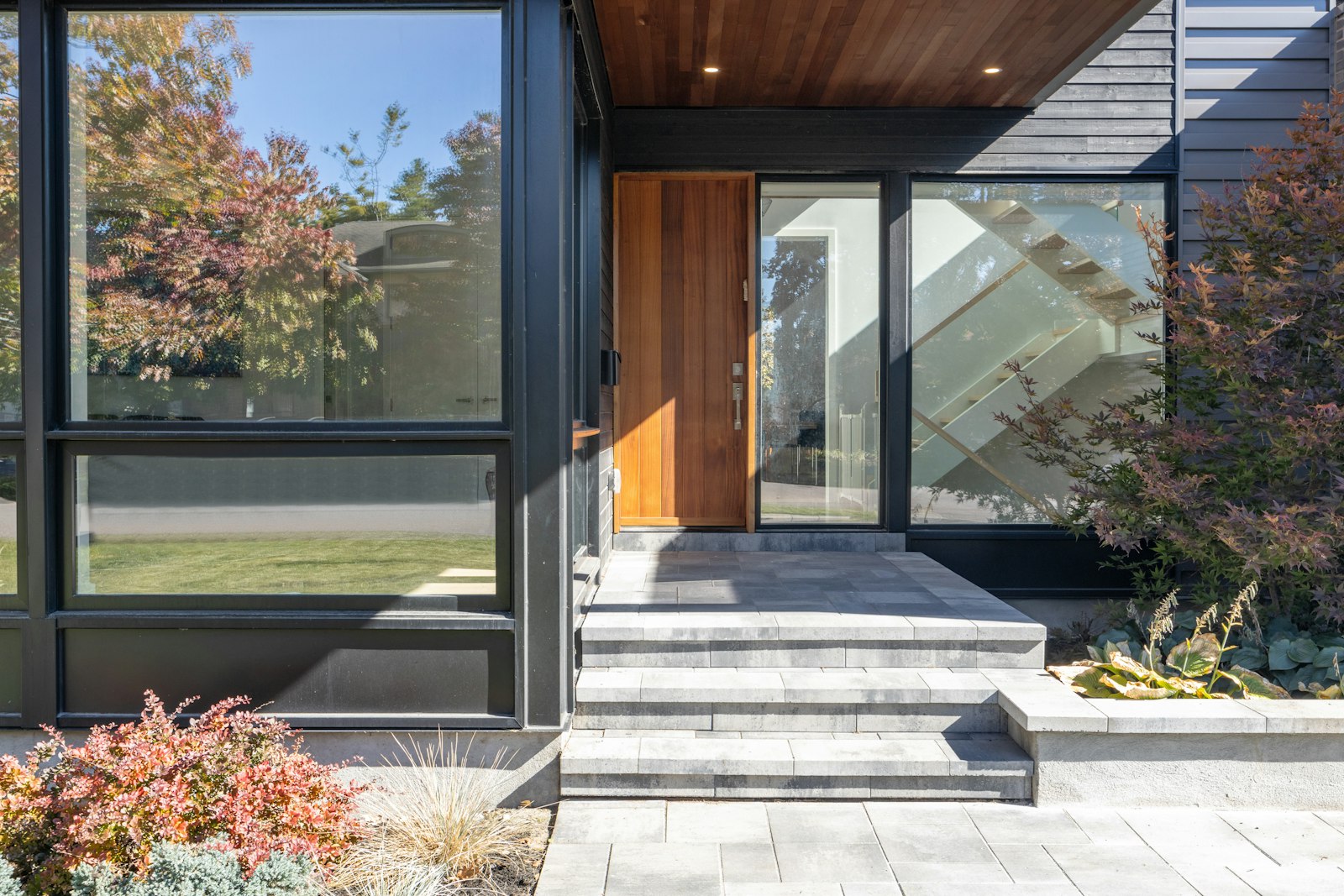
A kickoff form is not a courtesy packet. It is the brief a stranger will later meet as a title, a first image, and a house rule. Independent hosts get sent stacks that want a lockbox code, a channel password, and a brand story before anyone has asked what the driveway does. That stack is not onboarding. It is a grab. House, guest, and constraint belong on the form. Admin access belongs later, if it belongs at all, and only as access you can revoke. If a questionnaire cannot describe the stay without a login, the questionnaire is doing the wrong job.
This essay is about the form, not about a vendor tour. The engagement sequence already said photos and accuracy sit before a kickoff call. The form is how those facts get written down so a later listing audit has something to test. Crest & Cove will not ask for a password in week one. We will not treat a lockbox as a creative brief. We will not invent occupancy on a line that says typical booked nights. If a sales page treated intake as a software setup, start over. The question is whether the house, the guest, and the constraint can be named on paper.
What follows is the brief itself, the questions that earn a shoot, the fields you can skip on one listing, and a labeled composite of a form that asked for the lock. If you already have a partner who wants admin before they want the stair note, keep owner control open. If the house may not be listable, stop filling anything and read when not to market. The form is the first object in the engagement that you can refuse. Treat it that way.
The questionnaire is the brief
A brief is a set of facts a later page has to survive. It is not a personality worksheet. It is not a brand-voice slider. It is the driveway, the stair, the true headcount, the guest who can actually live there, and the one constraint a shopper should meet before they book. If those sentences are missing, the later title will invent them. If they are present, a photographer has a set to tell and an auditor has a page to fail. That is why the form comes before the password. The password cannot invent a stair the form never named.
Hosts treat the form as a hoop because vendors treat it as a hoop. Twenty tabs, a logo upload, a competitor list, a social handle, a field for last year's occupancy. None of that is a brief for one house. An one-listing owner who answers those tabs is doing someone else's intake. The useful form is short enough that you will finish it in one sitting and specific enough that a stranger could walk the house from it. If you cannot finish it without opening a channel login, the form has already left the brief and entered a grab.
Write the form as if the later listing will be read against it. The first image should match the room you named as the stay. The title should match the town you can prove. The house rules should match the constraint you typed. When a later photo set arrives, the contact sheet is judged against this paper, not against a mood the owner remembered on the call. A call is useful. A call is also how facts get charming and then disappear. Paper holds the uncharming sentence.
The brief also decides what the engagement is not. If the form cannot name a guest-facing change, you do not have a marketing kickoff. You have a software setup, a cleaning bid, or a wish. Those may be real needs. They are not this object. Keep the form on the page a stranger will see. Leave the lock, the calendar sync, and the Tuesday turn for the people who actually own those hours. A short form that stays on the page will beat a long form that pretends to run the house.
House, guest, and constraint questions
House questions are nouns you can photograph. How many bedrooms actually sleep someone. Which bed is a sofa. Where the stair starts. What the last stretch of driveway does in the rain. Whether the water is a walk or a story. Whether the kitchen a guest will cook in is the kitchen in the current hero. These are not amenities for a badge wall. They are the set. If you cannot answer them without walking the house, walk the house before you send the form. A remote owner who guesses the stair is writing fiction the review will correct.
Guest questions are about fit, not about a persona slide. Who has actually been happy here. Who you have declined, and why. What the last three inquiries asked that the page did not answer. What headcount the septic, the parking, and the quiet hours can hold even when a calendar slot is open. The guest the form should describe is the guest you would welcome again, not the reunion you once hoped would pay a holiday week. A form that only describes an ideal weekend is a brochure. A form that names the decline is a brief.
Constraint questions are the sentences owners skip because they feel like they will lose a click. The loft ladder. The shared apron. The permit line the owner already has, which belongs on the page the way the compliance file already treated a desk as a trust fact. The rule you actually keep at eleven. The walk from the car in the dark. Write them as the guest will meet them, not as a confession and not as a thriller. If a constraint cannot be written, it also cannot be photographed honestly. That is a gate, not a copy problem.
Ask who will answer a guest when the page is live. That is still a form question because the listing may need to name a person. It is not a request for that person's password. Name the human, the hours they keep, and whether a shopper should expect a reply the same day. If nobody can keep those hours, the form has found a capacity problem. Capacity problems do not get solved by a prettier questionnaire. They get solved by shrinking the promise or by waiting, which the later 90-day watch will also refuse to flatter.
Jobs the form must separate
The form has to keep house facts in one pile and access in another. House facts feed the audit and the shoot. Access is a later handoff, and only if you still want the partner to publish. A single page that mixes "describe the stair" with "paste the Airbnb password" is teaching you that the brief and the lock are the same object. They are not. If the partner cannot start work without the lock, they are not starting with the listing. They are starting with control.
The form also has to keep night-answer facts away from campaign ideas. Who meets a failed lock, who restocks coffee, who decides a group is a group: those lines tell you whether the stay can match the page. They do not belong in a field labeled content calendar. When a questionnaire asks for a year's worth of reel topics before it asks who texts the guest at midnight, the object has already changed. You are no longer briefing a listing. You are staffing a content habit you have not agreed to keep.
Calendar truth is a third pile. Which weekends the owner blocks, which channel is actually live, whether a second storefront still carries last year's amenity: those facts keep a later page from lying. They are not a request to connect a pricing tool on day one. A form that wants your channel manager login in the same block as your driveway note is not being efficient. It is collapsing two objects so the vendor can look ready. Ready would be a driveway note you can photograph.
If a line on the form would change a job you did not hire, leave it blank and say why. You hired a listing brief. You did not hire a co-host. You did not hire a channel sync. You did not hire a person to invent a direct site you do not run. A direct-site question is useful later if you actually have that object. It is not a reason to fill a domain field because the template had one. Blank and honest is a finished answer.
What you can skip on one listing
Skip the brand-voice worksheet. One house does not need a tone slider, a mood board, or a list of words you will never say. The stay already has a tone: the nouns you can prove. A shopper is not hiring your brand. They are deciding whether the hallway is a hallway. If a form spends a page on adjectives, it is stalling the facts that would have changed the first three frames. Write the nouns a guest can check. Leave the worksheet until those nouns are live.
Skip the competitor matrix and the market-occupancy field. You are not underwriting a town extract. You are briefing one door. A public file such as the Door County market report is depth for that county. It is not a line item on your form, and it is not a reason to invent a typical occupancy so a vendor can build a slide. If someone needs a number you do not have, the honest answer is that you do not have it. Guessing is how fake years get typed into intake.
Skip social handles, follower counts, and the content-cadence calendar unless you already run those objects and want them judged. Most one-listing hosts do not. Adding a handle so the form looks complete is how a later week grows a reel habit nobody can staff. The form should ask whether you post at all. If the answer is no, that is the answer. A later year-round file can talk about what actually has to move after launch. It does not need a fictional cadence invented on day one.
Skip any field that wants last year's booked nights, a target occupancy, or a payback date. Those are calculator lines. This cluster will not print them, and you should not type them so a kickoff deck can look like math. What you can write is what guests asked, what you declined, and how many hours you already spend explaining the driveway. Those are host-real. They feed the brief. They do not become a return percentage on slide three of someone else's intake.
A composite: a form that asked for a password
This section is a composite, not a named client and not a case study with invented bookings. Imagine a lake-adjacent three-bedroom whose current hero is a dusk kitchen. The owner is remote. A marketing shop sends a twelve-page intake. Page one wants the Airbnb admin email and password, the Vrbo login, the lockbox code, and a photo of the spare key. Page two wants last year's occupancy and a target for the coming summer. Page three wants a brand-voice paragraph. The stair, the shared driveway, and the true headcount appear on page eight, after a competitor grid.
What happens next does not require a fake return. The owner, tired of looking unprofessional, pastes the passwords so the work can start. Nobody has walked the stair on paper. The shop announces a kickoff call the desk the map names then a content calendar, then a request to become the listing admin. The first three frames stay the dusk kitchen for another month because the brief never made the kitchen a problem. When a guest later writes about the steep last stretch, the shop has the lock and still does not have the constraint. Access was the deliverable. The listing was not.
The useful lesson is that a password is not a brief, and a brief is not a lock. This house needed an one-page form: rooms, stair, drive, guest who fits, constraint the next shopper should see, who answers a message. It needed a later audit against that page. It needed a photoshoot brief that started from the stair, not from a key photo. It did not need a target occupancy. It did not need the lockbox in week one. The composite owner confused speed with sequence. Sequence would have been slower on Tuesday and truer on the listing.
If you recognize the twelve pages, do not finish them to be polite. Reply with the house, the guest, and the constraint, and ask which of those lines the partner will use before they want a login. If they cannot answer, you are not in a kickoff. You are in a capture. Capture is how files later get stuck in someone else's drive, which is the next essay's object. The form is still the place you have an easy no. Use it.
How this feeds the audit and the shoot
A finished form is the packet the audit reads first. The auditor opens the live listing as a stranger and checks the form against the first three frames, the title, and the rules. If the form said a loft ladder and the listing hid it, the audit has a fail that is not a taste argument. If the form was silent and the listing is silent, the audit has a missing brief, not a missing filter. That is why the audit essay sits next to this one. The form supplies the facts. The audit supplies the fail.
The same packet becomes the shoot list. A photographer who gets "make it feel like a magazine" will shoot a magazine. A photographer who gets the stair, the pad, the true kitchen, and the walk from the car will shoot a stay. Prep then has a job: stage the stay the form named, hide the owner's mail, leave the constraint honest. The photoshoot prep file is that day. It cannot invent a constraint the form refused to write. It also should not invent a view the form never claimed.
Do not rewrite the form after the audit just to make the house sound easier. If the audit found a lie, change the listing or change the product. If the audit found a missing noun, add the noun to the form and then to the page. A form that keeps getting charming after each fail is how you end up with a second brief that no longer matches the house. The point of paper is that it can stay ugly long enough for the photos to tell the truth.
When the files land, read them against the original answers, not against a new mood. The contact sheet should show the rooms you named as the stay and the constraint you agreed to publish. If a frame appeared that the form never authorized, that is a later handoff problem and a later monthly-file problem. If a promised frame is missing, the shoot did not finish the brief. Either way the form is still the object you measure against. That is the whole reason it existed.
When to refuse to fill a stack
Refuse a stack that wants a password, a lockbox, or listing admin before it wants the stair. Those fields change the object from brief to control. Control is a later decision, and owner control already told you to keep the refuse gate. A partner who cannot audit a public listing without becoming admin is not auditing. They are taking the pen. You can send house facts without sending the pen. The public page is already enough.
Refuse a stack that wants occupancy, a payback date, or last year's booked nights as a condition of starting. Those lines exist so a later deck can print a number this cluster will not print. You are allowed to say you do not run that calculator. You are allowed to offer inquiry questions, declines, and hours spent unteaching the page. If that is not enough for them to begin, they were not beginning with your house. They were beginning with their slide.
Refuse a stack that is longer than the listing it claims to improve. Twenty tabs, three brand exercises, a competitor grid, a social audit, a domain questionnaire for a site you do not have: that is a product tour wearing an onboarding label. One listing can answer house, guest, constraint, and who replies. Everything else can wait until those four have been used on the live page. Waiting is not a delay. Waiting is how you keep Tuesday for the house.
Refuse a stack when the house itself may not be listable. If the form is the first time you are writing the septic limit, the shared wall, or the missing permit, stop and read when not to market a short-term rental before you hire anyone to dress the page. A questionnaire cannot make a banned use honest. Filling it faster will not help. The adult refusal is sometimes the blank form.
Stop doing these five things
Stop pasting a channel password into a kickoff form so the week can look professional. Professional is a stair note, a true headcount, and a driveway a photographer can stand on. A login is a later object, and only if you still want the partner to publish after the brief is used. If the form will not start without the lock, you are not choosing a marketer. You are choosing a person who wants the pen before they want the house. Leave the password field blank and send the nouns.
Stop inventing occupancy, a target summer, or a payback line because the template had a box. Those numbers are not a brief. They are how a later PDF pretends the form was math. Write what guests asked and what you declined. Write the hours you already spend explaining the hill. If a vendor cannot start from those sentences, they cannot start. The measurement essay is the clock you use later. It is not a reason to fake a year on page two of intake.
Stop completing brand-voice pages, competitor matrices, and content calendars for a house that still photographs like a dusk kitchen. One listing does not need a campaign habit invented on a Tuesday you cannot staff. The form's job is to make the first three frames honest enough to audit. Cadence, handles, and mood boards can stay empty until the page a stranger sees has a noun. Empty is a finished answer. A fictional calendar is a second job you did not hire.
Stop sending the lockbox, the spare-key photo, or the night-answer phone number to a shop that has not yet told you what guest-facing sentence they will change. Those facts may matter to whoever keeps the house. They do not belong in a creative intake. Mixing them in is how a marketing form becomes a property file you did not mean to share. Name who replies to guests. Keep the key where the key already lives, not in a tab.
If this section is still a general lecture, we will tie the Marketing Kickoff Questions Every Host Should Answer to the listing you actually run — not a template from another house. Reach out at crestcove.co or call (256) 998-7502. This cluster will not print them, and you should not type them so a kickoff deck can look like math.
Related Reading
Keep reading on same-cluster Crest & Cove pages that stay on labeled local lines without costume-corridor copy.
Frequently Asked Questions
What belongs on a marketing kickoff form for one listing?
House nouns you can photograph, the guest you would welcome again, and the constraint a shopper should meet before they book. Add who answers a guest message and which channel is actually live. Brand-voice sliders, competitor grids, follower counts, and last year's occupancy are not a brief. If you cannot finish the form without a channel login, the form has left the listing and entered a grab. Leave the password for a later handoff you can revoke.
Should I put my Airbnb password on an onboarding questionnaire?
A public listing can be audited without admin. A photographer can be briefed without a lockbox. Admin access is a later handoff, and only if you still want the partner to publish after the house, guest, and constraint have been used. If a shop will not start without the login, they are starting with control, not with the page a stranger sees. Ask which guest-facing sentence they will change first.
What house questions should I answer before a photoshoot?
Which rooms actually sleep someone, which bed is a sofa, where the stair starts, what the last stretch of driveway does, and whether the water is a walk or a story. Say which kitchen a guest will cook in. Say the true headcount the parking and the quiet hours can hold. Guessing them from another city writes fiction the review will correct. Walk the house, or have someone who can walk it, before you send the form.
Which kickoff fields can a one-listing host skip?
Skip brand-voice worksheets, competitor matrices, market-occupancy boxes, social handles you do not run, content calendars you will not staff, and any payback or booked-nights target. One door does not need a campaign invented on day one. You can also skip domain and direct-site fields if you do not have that object. Write house, guest, constraint, and who replies. Empty is a finished answer on the rest. Guessing a year so a deck looks complete is how fake math gets into intake.
How does a kickoff form feed a listing audit?
The auditor opens the live page as a stranger and checks your answers against the first three frames, the title, and the rules. If you named a loft ladder and the listing hid it, the fail is a fact, not a taste argument. If both the form and the listing are silent, the brief is missing. Do not rewrite the form after the audit just to make the house sound easier. Change the listing or change the product. Paper should stay ugly long enough for the photos to tell the truth.
When should I refuse to complete a vendor intake stack?
Refuse when the stack wants a password, lockbox, or listing admin before the stair. Refuse when it wants occupancy or a payback date as a condition of starting. Refuse when it is longer than the listing it claims to improve. Refuse when writing the form is the first time you are admitting a septic limit, a shared wall, or a missing permit. A questionnaire cannot make a banned use honest. Send the short brief or send nothing.
Do I need last year's occupancy to start marketing work?
Occupancy is a calculator line, not a listing brief. What helps is what guests asked, what you declined, and how many hours you already spend explaining the driveway. Those sentences tell a partner which page is lying. A guessed summer target tells them what slide to print. If a shop cannot begin without booked-nights history, they are beginning with their deck. Offer the inquiry file instead. Keep the year you do not have off the form.
What should I send Crest and Cove instead of a twelve-page intake?
Four sentences: the house a guest will actually occupy, the guest you would welcome again, the constraint the next shopper should see, and who answers a message. Attach the live listing link and the last three reviews if they taught a fact. Do not attach a password, a lockbox code, or a spare-key photo. If the house may not be listable, say that before anyone briefs a shoot. That packet is enough to decide whether an audit or a wait is the next object.
How this feeds the audit and the shoot?
This essay is about the form, not about a vendor tour. That is why the audit essay sits next to this one. Twenty tabs, three brand exercises, a competitor grid, a social audit, a domain questionnaire for a site you do not have: that is a product tour wearing an onboarding label. If a form spends a page on adjectives, it is stalling the facts that would have changed the first three frames.
Should I stop doing these five things?
If a questionnaire cannot describe the stay without a login, the questionnaire is doing the wrong job. If you cannot finish it without opening a channel login, the form has already left the brief and entered a grab. Stop pasting a channel password into a kickoff form so the week can look professional. The guest the form should describe is the guest you would welcome again, not the reunion you once hoped would pay a holiday week.
Work with Crest & Cove Creative
Stop publishing copy a guest cannot verify on this listing.
Reach out at crestcove.co or (256) 998-7502.


Comments