
Amenity Marketing Reality Checks: Pool, Gym, and Parking

Updated: Aug 27
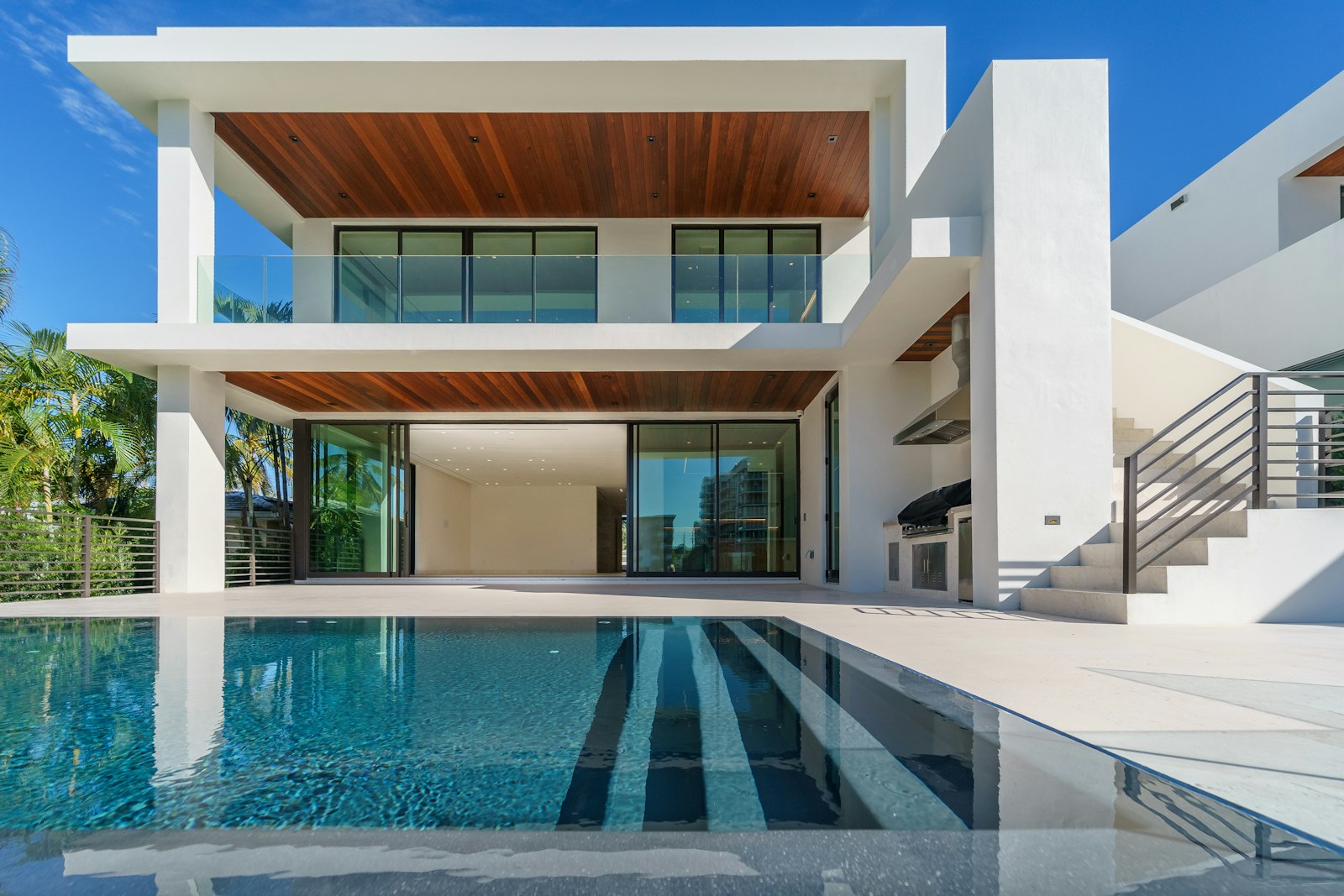
A pool photo in a listing's hero image sells the stay before a guest reads a single word of the description. It also sets an expectation that the actual pool , with its actual hours, its actual heating limits, its actual shared-access rules , has to meet on a random Saturday in October, not just during the peak-season photo shoot. Amenity marketing fails most often not because the amenity is fake, but because the marketing describes a version of it that only exists in the best week of the year.
The discipline here is straightforward: market a pool, a gym, or a parking arrangement only in terms a guest can actually use on an ordinary weekend. That means naming hours, access method, shared-use rules, and seasonal limits in the same breath as the feature itself, not as a footnote buried in house rules a guest reads after booking.
This is not a case for what amenities do to booking rates , no published lift figure exists for adding pool or gym language to a listing, so none appears here. What follows is how to describe amenities so the listing and the arrival agree with each other. This is not legal advice.
Pool Copy That Survives the Off-Season
A pool is one of the highest-leverage photos in a listing and one of the easiest amenities to misrepresent by omission. The fix is naming, alongside the photo, whether the pool is heated or not, what months it is actually open, whether it is private to the unit or shared with other guests or residents, and what the guest-count limit is if one exists. A guest who books in April expecting the July photo's water temperature is not being unreasonable , the listing simply never told them the difference.
Fences, gates, and the actual path a guest walks to reach the pool deserve the same visual honesty as the water itself. A photo that crops out a shared access gate or a flight of stairs is not lying exactly, but it is withholding the information a guest with mobility concerns or young kids needs to plan the trip.
The single highest-value habit here is removing pool language the moment the pool closes for the season. A listing that still leads with a sparkling pool photo in November, when the pool has been covered since Labor Day, generates the exact complaint that amenity marketing exists to prevent , and it is entirely avoidable with a five-minute edit.
Gym Access That Matches What a Guest Will Find
"On-site fitness center" is not a description a guest can act on. What they need is the access method , a code, a key, a shared building entrance , the busy hours if the space is shared with other units, and the actual equipment on hand, not a generic assurance of "modern equipment" that could describe anything from a single treadmill to a full weight room.
A gym that is genuinely small or basic is not a liability if the listing says so plainly. Guests who specifically want gym access for a work trip appreciate an honest listing stock more than an inflated one, because it lets them decide in advance whether to bring their own equipment or plan a workout elsewhere. The disappointment only shows up when the marketing promised more than the room delivers.
If a fob or door code is required, that handoff belongs in the house rules a guest reads before check-in, not exclusively in a message thread the host has to remember to send. A guest arriving without the access information they need is a support problem the listing could have prevented with one added sentence.
Parking Facts Guests Actually Need
Parking failures generate more frustrated messages than almost any other amenity gap, because guests plan their arrival around an assumption that turns out to be wrong at the worst possible moment , after dark, in an unfamiliar area, with a car full of luggage. Naming the number of available spots, any height or size restrictions, and whether the lot has lighting after dark turns a guessing game into a plan.
A single open spot described as "parking available" means something very different for a guest towing a trailer than for a guest in a compact sedan. Where restrictions exist , height clearance for a covered area, a specific spot number, a shared lot with other units , naming them prevents the awkward Saturday-night message asking where to put a car that does not fit where the guest assumed it would.
After-dark lighting deserves its own mention, particularly for stays where check-in commonly happens in the evening. A guest who feels unsafe walking from an unlit lot to the door is having a real experience the listing could have set expectations for in advance, even if the actual safety situation is fine , the anxiety comes from the surprise, not necessarily from the reality.
Removing Amenity Promises When Reality Changes
Amenities are not static, and the listing needs to move as fast as the amenity does. A pool closed for maintenance, a gym temporarily unavailable during a building renovation, a parking spot lost to a neighboring construction project , each of these requires a same-day edit to the listing, not a note added to the next guest's welcome message while the public page still shows the old promise.
Shoulder-season guests notice stale amenity language faster than peak-season guests do, if only because they are more likely to be the first person to test a claim that has not been updated since summer. A listing that still promises full pool access in the exact week the pool closes for the season creates a guest complaint that had nothing to do with the house and everything to do with an unedited page.
The habit worth building is treating amenity status the same way a host treats a broken appliance: something to fix on the listing immediately, not something to explain away after a guest has already discovered the gap.
When Rules and Marketing Disagree, Rules Win
Every amenity section eventually runs into a moment where the marketing copy is more generous than the actual house rules , a pool photo suggesting unlimited access when house rules cap guest count, or a gym description implying twenty-four-hour availability when the building's actual hours are more limited. Whenever that gap appears, the rules should win immediately, meaning the marketing copy gets corrected to match the rule, not the other way around.
This matters because guests experience the rule, not the marketing. A guest who read generous marketing and then hits a stricter rule at check-in feels misled even if no one intended to mislead them , the mismatch itself is the injury, regardless of which document was technically more accurate.
Co-host scripts should be updated the same day a listing's amenity language changes, so that a question about pool hours gets the same answer whether it comes through the listing, a co-host, or a text message. Consistency across those three channels is what makes amenity marketing trustworthy rather than merely optimistic.
Related Reading
More independent-host reading on honest listing work, metrics, hiring, and distribution you can staff.
Frequently Asked Questions
What is the core rule for marketing any shared amenity?
Describe it in terms a guest can actually use on a normal Saturday, not the best week of the year. That means naming hours, access method, and any shared-use limits in the same sentence as the feature itself, so the listing and the arrival experience agree with each other.
How should seasonal pool closures be handled in the listing?
By removing pool-forward language the same day the pool closes, not weeks later after a guest has already booked expecting summer conditions. A five-minute edit prevents the exact kind of shoulder-season complaint amenity marketing exists to avoid. Set a recurring reminder tied to your actual close date rather than relying on memory, since this is the update hosts most often forget once the season shifts.
What does honest gym marketing actually require?
The access method (code, key, shared entrance), the busy hours if the space is shared, and a realistic description of the actual equipment — not a generic phrase like "modern fitness center" that could describe almost anything. A guest can plan around a small honest gym far more easily than an inflated one.
Why do parking complaints happen more than other amenity issues?
Because a guest's assumption about parking usually gets tested at the worst moment — after dark, in an unfamiliar area, already committed to the trip. Naming spot count, size restrictions, and lighting in advance turns that moment into a plan instead of a scramble.
What should happen when a fob or door code is required for access?
Put it somewhere a guest can find it without asking — most hosts default to a day-of text, which fails the moment a guest loses signal on the drive in. A listing that treats access credentials as core information, not a last-minute courtesy, avoids the stranded-guest call entirely.
What happens when marketing copy and house rules disagree?
The rules should win immediately — the marketing gets corrected to match the rule, not treated as a separate, more generous version of the truth. Guests experience the rule regardless of what the marketing implied, so any gap between them is the host's problem to close, not the guest's to discover.
Should a listing ever describe an amenity as better than it actually is to make the photos work harder?
No. A guest who books based on an inflated description arrives already primed to be disappointed by the real version, even if the real version would have been perfectly fine described honestly from the start. An accurate description sets the right expectation before arrival, which is what actually protects the review score — not how impressive the listing sounds during the search.
How quickly should amenity language update when something changes?
The same day. A pool under maintenance, a gym closed for renovation, or a lost parking spot all need an immediate listing edit, treated with the same urgency as fixing a broken appliance rather than something to explain after the fact in a guest message.
Do co-host scripts need to match the listing's amenity language exactly?
Yes, and they should update the same day the listing does. A guest who gets a different answer about pool hours from a co-host than from the listing itself experiences that inconsistency as a sign the whole operation is disorganized, even if both answers were once accurate.
What can honest amenity marketing genuinely claim?
That what a guest sees in the photos and description matches what they will find on an ordinary Saturday, including the limits. It cannot claim a specific booking lift from adding amenity language, since no published figure supports that kind of claim for an individual listing.
Work with Crest & Cove Creative
A pool photo taken in July has to survive a booking made in October. Market amenities by their ordinary-Saturday reality, not their best week.
We help independent hosts audit pool, gym, and parking copy against what guests actually find at check-in. Send us your current listing photos and amenity descriptions , we will flag where the marketing has drifted ahead of the reality.
Reach out at crestcove.co or (256) 998-7502.


Comments