
Amenity Stacks by listing stock Class: What Hosts Should Emphasize

Updated: Aug 27
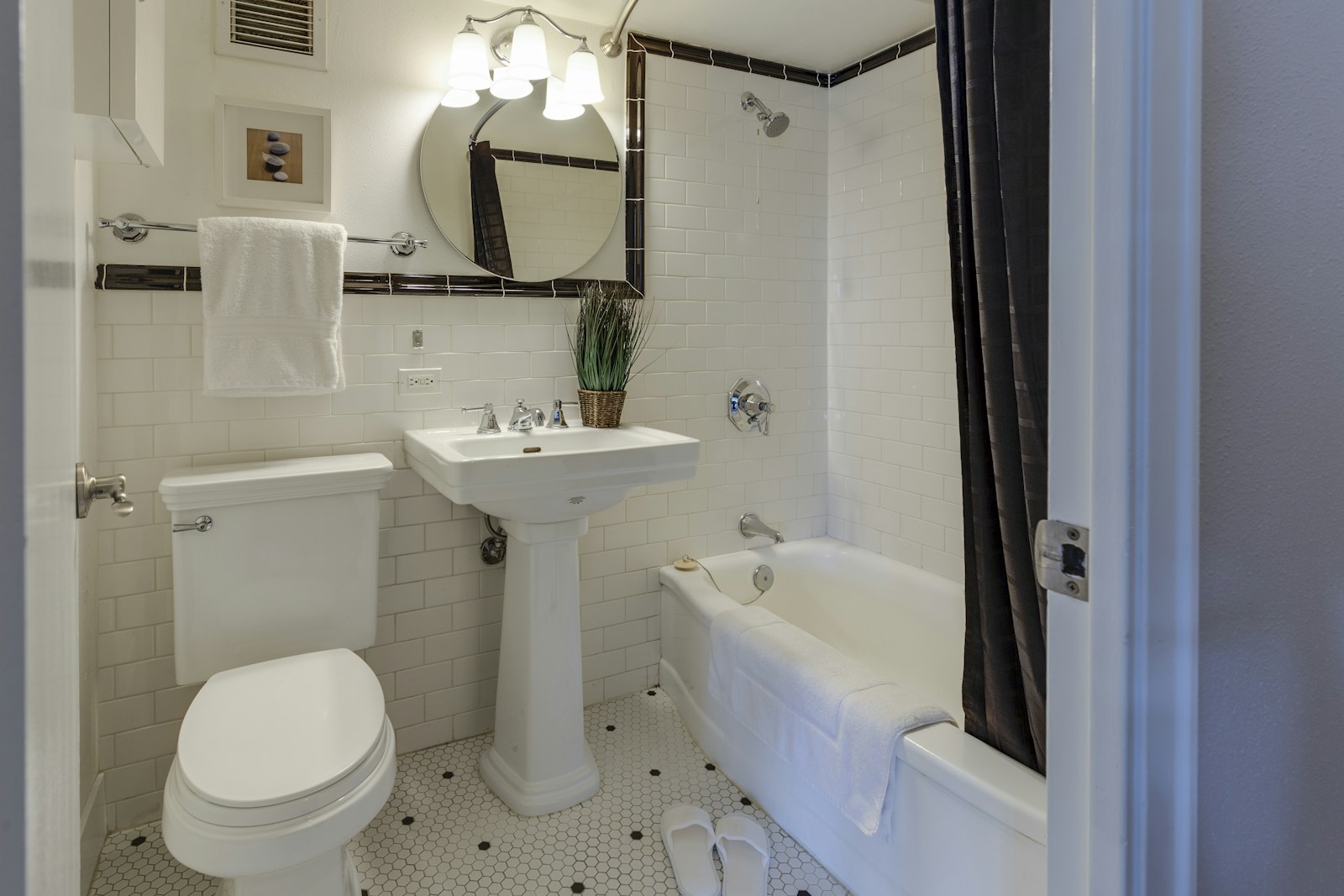
Amenities are stay facts, not a shopping list. A stay fact is an object you can point to on arrival - a hot tub that is actually heated and open on the nights you sell, a full kitchen with the specific tools it contains, a fireplace that is real and functional. A shopping list of forty checkbox icons is not a stack; it is a catalog you published because you did not trust the rooms to speak for themselves.
This page is the amenity file for independent hosts, not a big-brand pricing file and not a concierge-vertical playbook. Different listing stock classes - luxury, midscale, and cabin or budget-tier - carry different obligations for which amenities earn a sentence in the listing and which ones can be skipped entirely without hurting conversion.
This is not legal advice. What follows separates what luxury must prove, what midscale should name, what a cabin listing may reasonably skip, and the anti-patterns that show up when a host mismatches amenity language to actual listing stock class.
Amenities Are Stay Facts, Not a Shopping List
Every amenity claim in a listing should be something the guest can walk up to and confirm on arrival. "Fully equipped kitchen" is vague; "kitchen with a gas range, full-size fridge, and a coffee maker with grinder" is a stay fact a guest can verify the moment they open the cabinet.
A forty-icon amenities grid does the opposite of building trust - it overwhelms without proving anything specific, and it treats every amenity as equally important regardless of whether it actually matters to the guest booking that particular class of stay. If you can keep the object, you may name it. If you cannot consistently keep it available and working, leave it off.
What Luxury Must Prove
A luxury-tier listing carries a higher bar because guests are paying a premium specifically for amenities to be not just present but flawless and consistently available. A hot tub in a luxury listing has to be heated, clean, and open on every night it is marketed as available - not a photo from one good week that gets used year-round regardless of season or maintenance status.
Luxury amenities also need to be proven in specific, sensory detail rather than described generically. "Chef's kitchen" needs to name the actual range, the actual counter space, whether it is stocked for a private chef to use. A guest paying luxury rates is evaluating every claim against a higher standard, and a generic description reads as a red flag rather than a selling point at that price point.
What Midscale Should Name
Midscale listing stock does not need every amenity to be flawless, but it does need to name the amenities that actually differentiate it from a budget stay - reliable Wi-Fi with an actual speed a remote worker could count on, a washer and dryer on-site rather than a shared laundry room, a private outdoor space rather than a shared courtyard.
The mistake midscale listings make most often is either underselling real differentiators by burying them in a generic amenities list, or overselling toward luxury language the property cannot actually back up. The right move is naming the two or three amenities that genuinely separate this listing from the budget tier below it, clearly and specifically.
What a Cabin May Skip
A cabin or rustic-tier listing does not need to apologize for what it does not have. Guests booking this category are often specifically choosing it because they want a simpler, more rustic experience - they are not disappointed by the absence of a dishwasher or air conditioning if the listing was clear about the category from the start.
What a cabin listing may skip: elaborate amenity photography, luxury-adjacent language, and any amenity that would actually undercut the rustic positioning if it were present. What it may not skip: the genuinely important facts, like whether there is running water, reliable heat, and safe access in winter conditions.
The category itself does a lot of the marketing work for a cabin listing, which means the amenity section can stay short and honest without hurting bookings. Guests searching that category already know roughly what they are choosing; the listing's job is confirming, not upselling.
Five Anti-Patterns Worth Naming
Marketing a hot tub on a midscale listing without stating clearly whether it is available year-round or only seasonally, and whether heating and cleaning are consistently maintained. A guest who books expecting hot-tub access in a season it is closed for is a guest who will leave an angry review about something that was avoidable with one honest sentence.
Using a forty-item amenity checklist instead of naming the handful of amenities that actually matter for that listing stock class. More icons do not signal more value - they signal a host who does not trust the property to sell itself on real differentiators.
Borrowing luxury-tier amenity language for a midscale or cabin property, which sets an expectation the price point and actual amenities cannot support. This mismatch produces reviews that read as disappointment rather than delight, even when the actual stay was fine for its category.
Publishing an amenities catalog as a substitute for confident room photography. If the photos of the actual rooms are not doing the selling, no amount of amenity-icon padding will fix that gap.
Failing to update amenity claims when something breaks or becomes unavailable. An amenity that was accurate at listing creation but is no longer true - a hot tub now out of service, a promised view now blocked by construction - needs the listing corrected immediately, not left to be discovered by the next guest.
The Composite: Hot Tub on a Midscale Tile
The recurring failure mode across classes: a midscale listing features a hot tub prominently in photos and title without stating maintenance status, seasonal availability, or shared-versus-private access. The guest books expecting a private, working, warm hot tub and discovers a shared, seasonal, or currently-down amenity instead.
The fix is one sentence of specificity, not removing the amenity from marketing entirely if it is genuinely a draw. State whether it is private or shared, whether it runs year-round, and who is responsible for keeping it clean and heated - that single sentence prevents the entire category of review complaint.
What Amenity Stack Ownership Still Belongs to the House
Regardless of listing stock class, the amenity stack itself - which items are present, working, and described accurately - is a decision that belongs to whoever manages the property day to day, not to whoever writes the marketing copy. A marketing rewrite cannot fix an amenity that is not actually maintained; it can only describe what is genuinely true.
That ownership question matters most at the moment something breaks. When a promised amenity goes down, the listing needs to change the same day, not whenever the marketing schedule next allows for an update - a delay of even a few days is long enough for the next booking to arrive to a mismatch.
Running the 30/90-Day Check
At 30 days: walk your own property with the listing open next to you and confirm every amenity claim against what physically exists and works right now, not what existed when the listing was first written. Flag anything that has changed status since then.
At 90 days: reread guest reviews specifically for amenity-related surprise - complaints about something not working, not being available, or not matching the described class of stay. A drop in that specific complaint type over the quarter is the clearest sign your amenity stack matches your listing stock class honestly.
Related Reading
More independent-host listing stock-class and positioning reading already live on Crest & Cove.
Frequently Asked Questions
What is the difference between a 'stay fact' and a typical amenity list item?
A stay fact is something specific enough that a guest can walk up and verify it on arrival, a particular range in the kitchen, a hot tub with stated seasonal availability, a real fireplace that functions. A typical amenity checklist item is often vague and generic, like 'fully equipped kitchen', which claims something without giving the guest anything concrete to check against reality.
Do luxury listings really need more amenity detail than midscale ones?
Yes, luxury guests are paying a premium specifically for amenities to be flawless and fully proven, so vague or generic amenity language reads as a red flag rather than a selling point at that price tier. A luxury listing needs to name the actual range, the actual linens, the actual chef-kitchen specifics, because guests at that level are evaluating every claim against a higher standard than a midscale guest would.
Is it okay for a cabin listing to skip amenities that other listings feature?
Yes, as long as the listing is clear about the rustic category from the start. Guests who book a cabin experience are often specifically choosing it for the simpler setup, and they are not disappointed by a missing dishwasher or air conditioning if the listing set that expectation honestly. What a cabin listing cannot skip are genuinely safety-relevant facts, like reliable heat, water access, and winter road conditions.
What is the most common amenity-marketing mistake across all listing stock classes?
The most common mistake is marketing an amenity, most often a hot tub, without stating its actual availability, maintenance status, or whether it is shared or private. This single omission causes a disproportionate share of amenity-related guest complaints, because guests fill the gap with an assumption that the amenity works exactly as advertised at all times.
Should I use a big amenity-icon grid on my listing?
A long icon grid is rarely as effective as naming the two or three amenities that actually differentiate your specific listing within its listing stock class. A forty-icon grid overwhelms without proving anything and often signals that a host is padding for volume rather than confident in what the property genuinely offers.
What should I do the moment a promised amenity breaks or becomes unavailable?
Update the listing the same day, not on whatever schedule your next marketing update happens to fall on. An amenity that was accurate when the listing was written but is no longer true, a hot tub now out of service, a view now blocked, becomes a guest complaint the moment the next booking arrives to find the gap.
Who is responsible for deciding which amenities to feature, marketing or property management?
Property management, day to day, owns whether an amenity actually exists, works, and is maintained. Marketing's job is describing that reality accurately, not deciding independently which amenities to claim. A marketing rewrite can only ever describe what is genuinely true on the property; it cannot substitute for an amenity that is not actually being maintained.
How do I check whether my amenity stack matches my listing stock class honestly?
Walk the property with the live listing open next to you and confirm every claim against current reality, then separately review recent guest feedback for amenity-specific surprise complaints. If reviews mention something not working or not matching expectations at your stated class, that gap is your amenity stack telling you where the listing language and reality have drifted apart.
Work with Crest & Cove Creative
Amenities are stay facts, not a shopping list. Class decides which ones earn a sentence, and a forty-icon grid is not a stack.
We help independent hosts match amenity language to actual listing stock class instead of a generic checklist. Reach out at crestcove.co or (256) 998-7502 and bring your current listing so we can check the claims against what the property actually keeps.
Reach out at crestcove.co or (256) 998-7502.


Comments