
Design-Forward Properties: Architecture as the Hook, Not a Brand

Updated: Aug 27
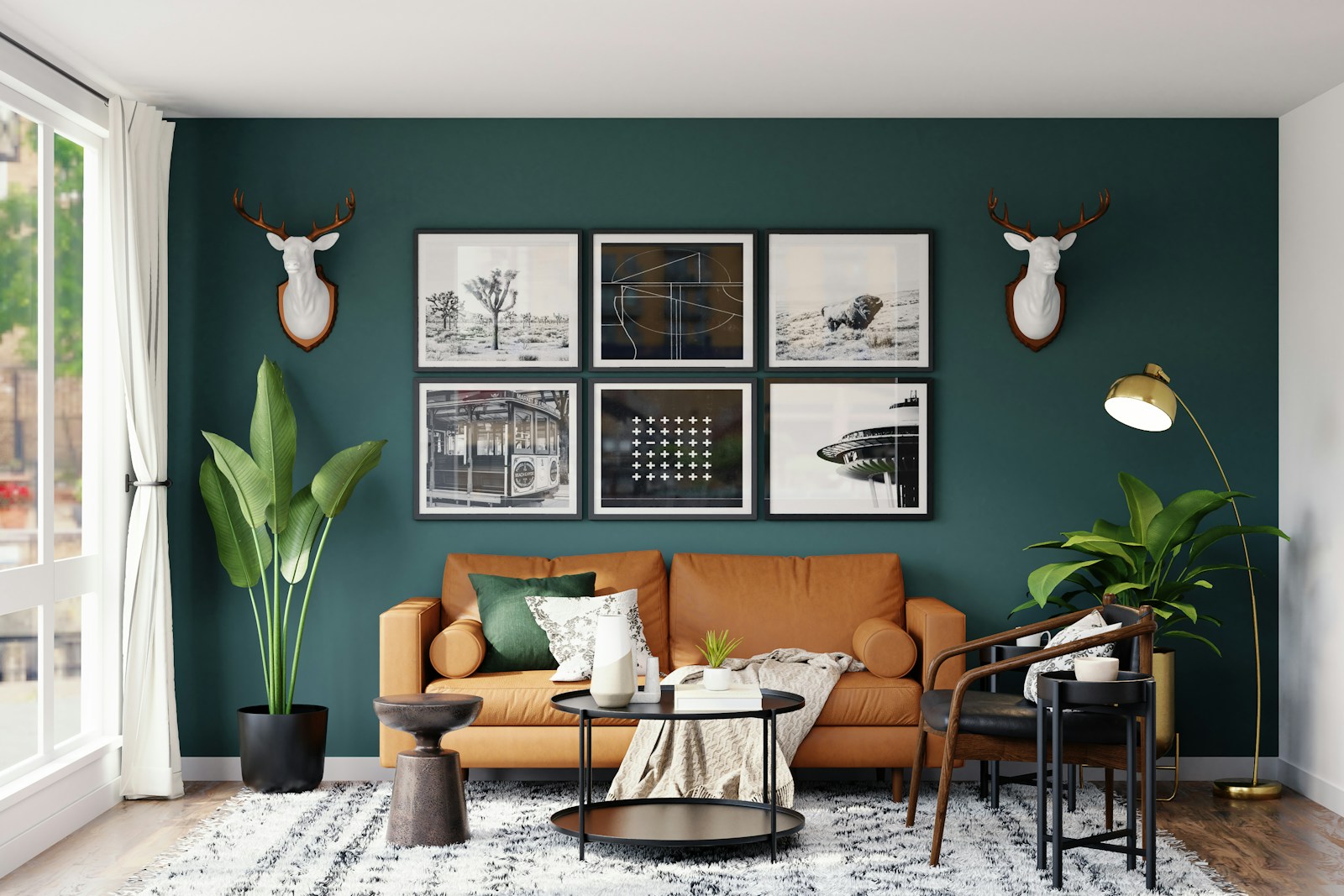
A hook is the specific reason a shopper stops on this house instead of scrolling to the next three-bedroom listing that looks generically fine. For a genuinely design-forward property, real architectural distinction, a glass wall, an unusual roofline, a striking material palette, that hook can legitimately be the building itself. What it cannot become is a unique-stay brand or an architect-led system the property was never actually built as. A glass wall is a stay fact worth naming clearly; it is not license to write copy that promises a design hotel experience the rest of the house does not deliver.
The failure mode here is specific and common: a listing sells a design story the ordinary beds and standard furnishings cannot keep, publishing a brand rather than describing an actual stay. This creates a mismatch a guest discovers the moment they walk past the striking entryway into a bedroom that looks like any other rental, which damages trust in exactly the kind of listing that had a genuine, real advantage to lead with honestly.
This page covers when architecture legitimately functions as a hook, what a host may honestly claim about a property's design, the common anti-patterns that overreach into brand territory, and how to match marketing language to the property's actual listing stock class rather than an aspirational one. This is not legal advice.
The building is the hook, not a unique-stay brand
A hook, in listing terms, is whatever specific detail gives a shopper a concrete reason to stop scrolling and click into this property instead of a comparable one nearby. For a property with real architectural distinction, that hook can genuinely be the building itself, a glass wall that floods a room with light, an unusual structural feature, a material choice that stands out from typical rental stock in the area.
That is a fundamentally different thing from branding the property as a unique-stay destination or an architect-led design system, categories that imply a curated, design-hotel-level experience across the entire property, not just a single standout feature. A host with one genuinely striking element should name that element specifically and let it do its work, rather than inflating it into a broader design-brand claim the rest of the property does not support.
What a host may honestly claim about the design
A host can honestly claim specific, verifiable design facts: a glass wall, a particular architectural style, a distinctive room feature, described accurately and specifically enough that a guest arriving finds exactly what the listing promised. These are stay facts, concrete, checkable details about the physical property, not brand claims about an overall design philosophy or curated aesthetic experience.
What a host should not claim is a design-hotel-level consistency across the entire property when only one or two features actually carry that distinction. If the glass wall is genuinely striking but the bedrooms are furnished with standard, unremarkable furniture, the honest move is naming the glass wall specifically while describing the bedrooms accurately, not implying the same design sensibility extends throughout the house.
Five anti-patterns in design-forward listing copy
The first anti-pattern is branding the property as a unique-stay destination or an architect-led system when the actual distinction is one or two specific features, not a whole-property design philosophy. The second is writing copy that promises a design-hotel-level experience the ordinary bedrooms, bathrooms, or furnishings do not actually deliver.
The third is using generic design-industry language, curated, architect-led, design-forward, as a substitute for naming the specific feature that actually makes the property distinctive. The fourth is photographing the standout feature extensively while under-representing the more ordinary parts of the property a guest will also experience during the stay. The fifth is pricing the property as if the single standout feature justifies a premium across every night and every room, rather than reflecting what the property as a whole actually offers.
A composite worth writing for: one glass wall, ordinary beds
A useful way to check a listing against this problem is a specific composite: one genuinely striking glass wall, ordinary, unremarkable beds and furnishings elsewhere in the house, and an about section that still talks like the whole property is a design hotel. That mismatch, real architectural distinction in one area, standard rental furnishing everywhere else, described as if the design sensibility is uniform throughout, is exactly the gap that creates guest disappointment.
The honest version of that same composite names the glass wall specifically, describes it accurately, and lets it be the genuine hook it actually is, without extending that same design language to the bedrooms or bathrooms that do not carry the same distinction. A guest who books based on that honest description arrives to find exactly what was promised: one striking feature, and an otherwise comfortable, ordinary stay.
Matching marketing language to listing stock class
A property's listing stock class, what it genuinely is, a comfortable standard rental with one distinctive architectural feature, versus an actual design-forward property where the aesthetic sensibility carries through every room, should determine the marketing language used, not the other way around. Writing design-hotel language onto a standard-class property with one striking feature inflates a claim the class of the property cannot support.
This matching exercise is straightforward: walk through the property room by room and ask honestly whether the design distinction the marketing wants to claim is actually present in that room, or only in the one feature the copy keeps returning to. A property that only has one genuinely striking room or feature should be marketed at the listing stock class it actually occupies, with that one feature as a real, specific hook, not stretched into a whole-property design claim.
When architecture should not be the hook
Not every property with an interesting architectural detail should lead with architecture as the primary hook. If the actual distinguishing feature is something else entirely, location, a specific amenity, a genuinely exceptional view, forcing an architecture-led hook onto a property where the building itself is not actually the most compelling reason to book buries the feature that would have converted better.
The test is simple: would a shopper who saw only the architectural feature, without the amenity, location, or view that might be the property's real draw, still choose to book based on that feature alone. If the honest answer is no, the architecture is a supporting detail worth mentioning, not the headline the listing should lead with.
A 30 and 90-day check on design-hook accuracy
At thirty days, confirm that any design-forward language in the listing still matches the current, actual state of the featured element, since furnishings, paint, or staging can drift from what the photos and copy originally described. At ninety days, review whether the design hook is still the strongest, most accurate reason to book this property, or whether guest feedback has surfaced a different, more compelling reason that should now lead instead.
This check protects against two separate risks: a design claim that quietly goes stale as the property changes, and a design hook that was never actually the guest's real reason for booking in the first place, discovered only after enough reviews accumulate to reveal what guests actually valued about the stay.
How to write the listing for a genuine design-forward hook
Name the specific architectural feature clearly and accurately, describe it as a stay fact rather than a brand claim, and photograph it prominently alongside honest, accurate photos of the rest of the property. Avoid design-hotel or unique-stay branding language unless the design sensibility genuinely carries through the entire property, not just the one feature the listing keeps returning to.
The goal is a listing where a guest who books based on the design hook arrives to find exactly what was described, one striking feature doing real work as the reason to book, set honestly alongside the rest of what the property actually offers. That accuracy is what separates a design hook that converts and satisfies from a design brand that oversells and disappoints.
Related Reading
More independent-host listing stock-class and positioning reading already live on Crest & Cove.
Frequently Asked Questions
Can a property's architecture legitimately be the main listing hook?
Yes, when the building itself — a glass wall, an unusual structural feature, a distinctive material palette — is genuinely the specific reason a shopper would stop scrolling and click into this listing over a comparable one. That's different from branding the property as a design hotel or unique-stay destination when only one feature actually carries that distinction.
What's the difference between naming a design feature and branding the property as design-forward?
Naming a feature means describing a specific, verifiable stay fact, like a glass wall or a particular architectural detail. Branding implies a curated, design-hotel-level consistency across the entire property, which overreaches if only one or two features actually carry that distinction.
What happens when a listing oversells a design story the property can't back up?
A guest arrives expecting the design sensibility shown in the standout photos to carry through the whole property, and instead finds ordinary furnishings elsewhere. That mismatch damages trust in exactly the listing that had a genuine advantage to lead with honestly in the first place.
What are the most common mistakes in design-forward listing copy?
Branding the property as a unique-stay destination when the distinction is really one or two features, promising design-hotel consistency the furnishings don't deliver, using vague design-industry language instead of naming the specific feature, under-photographing ordinary rooms, and pricing as if the whole property carries the standout feature's premium.
How should a host decide the property's actual marketing positioning?
Walk through the property room by room and ask honestly whether the design distinction being claimed is actually present in each room, or only in the one feature the copy keeps returning to. Market at the level the property actually occupies, not an aspirational one.
Is architecture always the right hook to lead with?
No. If a different feature — location, a specific amenity, an exceptional view — is the more compelling reason to book, forcing an architecture-led hook buries what would have converted better. The test is whether a shopper would book based on the architectural feature alone, without the property's other real draws.
How often should a design-forward listing be reviewed for accuracy?
At thirty days, confirm the featured design element still matches its current state, since staging or furnishings can drift. At ninety days, review whether the design hook remains the strongest, most accurate reason to book, or whether guest feedback points to a different real draw.
What's the simplest test for whether design-forward copy has gone too far?
Ask whether a guest arriving at the property would find exactly what the listing described — one striking feature doing real work, set honestly alongside the rest of the stay. If the copy implies a whole-property design sensibility that isn't actually there, it has published a brand instead of a stay.
Work with Crest & Cove Creative
A glass wall is a real reason to book. It is not license to write design-hotel copy the ordinary bedrooms down the hall cannot back up.
We help independent hosts write design-forward listing copy that names the real architectural hook honestly instead of inflating it into an unearned brand. Reach out at crestcove.co or (256) 998-7502. Send the live listing draft and the facts you can actually cite.
Reach out at crestcove.co or (256) 998-7502.


Comments