
Midscale Workhorse Listings: Why Conversion Beats Prestige Language

Updated: Aug 27
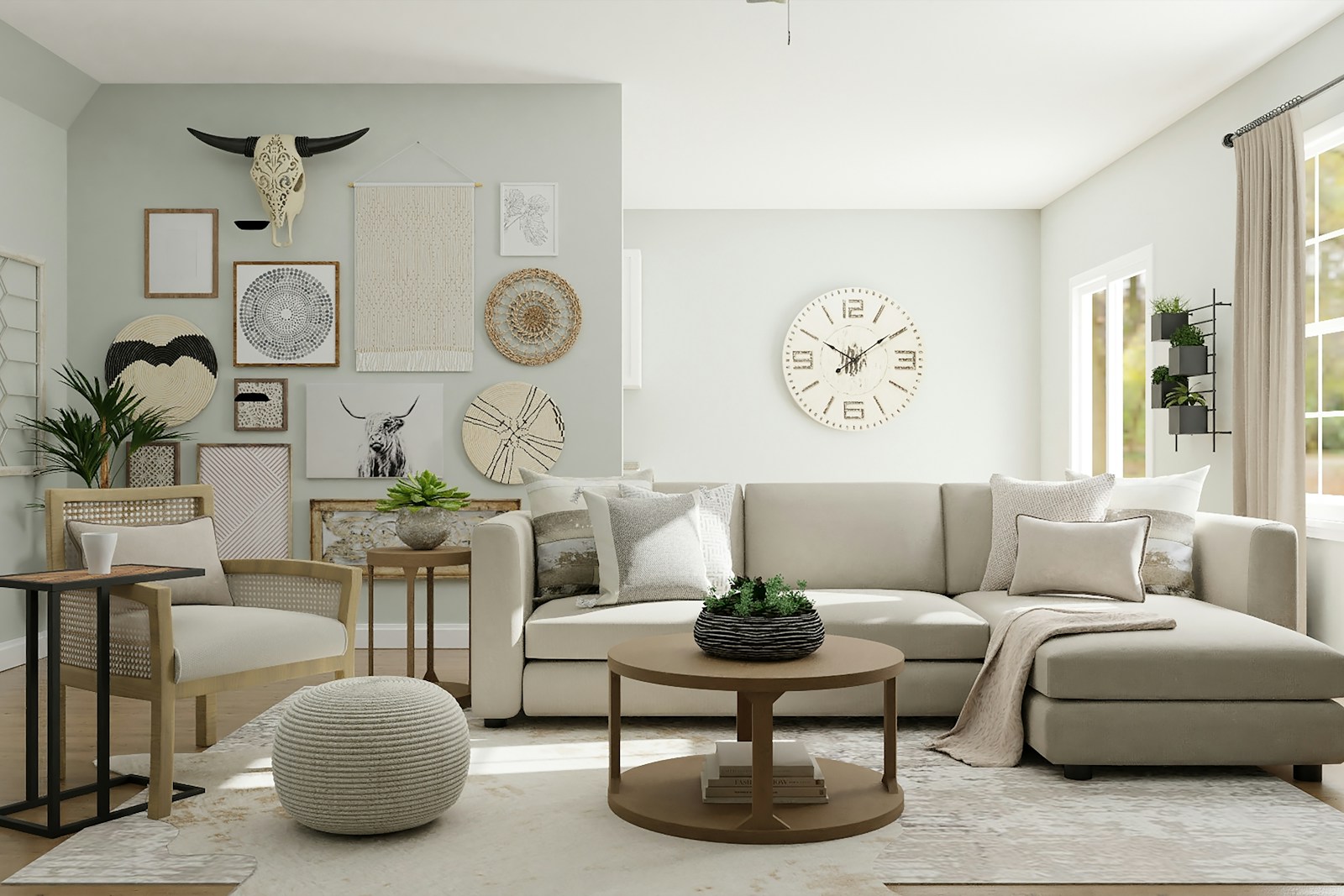
Most independent hosts aren't running a design-forward retreat or a architecturally distinctive cabin. They're running a solid, comfortable, entirely ordinary house that sleeps a specific number of people and has a specific number of parking spots. That's not a limitation. It's the exact category most guests are actually shopping in, and it converts perfectly well without a single prestige word attached to it.
The trouble starts when a host, understandably wanting the listing to feel more special, reaches for words like "boutique," "designer," or "luxury-lite" to dress up a property that's genuinely fine as it is. Those words don't add anything a guest can use to make a decision. They add a second claim the guest now has to reconcile against the actual photos, and when the reconciliation doesn't quite work, the listing feels slightly off in a way the host usually can't diagnose.
This isn't an argument for undervaluing your property or writing flat, lifeless copy. It's an argument for spending your descriptive effort on the things that actually drive a booking decision, room counts, bed configurations, parking, proximity, kitchen completeness, rather than on adjectives borrowed from a hospitality tier your listing doesn't actually operate in.
A midscale, workhorse listing that describes itself accurately and completely will consistently out-convert a similar property dressed up with language it can't fully support, because the accurate listing sets an expectation the property actually meets, and guests reward that match with fewer surprises and, over time, better reviews. This is not legal advice.
What Guests Are Actually Shopping For
When a guest searches for a rental in a given town for a given weekend, they are almost never shopping for a hospitality tier. They're shopping for a specific, practical configuration: enough bedrooms for their group, enough parking for their cars, a kitchen that can handle the meals they're planning to cook, and a location that gets them close enough to whatever brought them to the area in the first place.
Prestige language answers none of those questions. "Boutique retreat" tells a guest nothing about whether there are three bedrooms or four, whether the driveway fits two cars or one, or whether the kitchen has a full-size oven. A guest scanning search results is pattern-matching for the practical facts first, and a title or description that leads with an unverifiable mood word instead of a concrete fact is, functionally, wasting the guest's attention.
This is especially true for repeat travelers and larger groups, who tend to book more deliberately and compare more listings before deciding. They're reading room counts and bathroom counts closely, and a listing that gets straight to those facts, without a layer of prestige language to wade through first, tends to read as more trustworthy simply because it respects the guest's actual decision-making process.
The Cost of Borrowing a Hospitality Tier You Don't Operate In
The specific risk with prestige language isn't that it's dishonest in some abstract sense, it's that it implies a service level the property doesn't provide. "Boutique" implies curation and a level of design intention. "Luxury" implies amenities and finishes at a specific tier. When a guest arrives at a comfortable, ordinary three-bedroom house after booking something described with those words, the gap between the word and the reality becomes the story of their stay, even if every practical need was actually met.
This shows up concretely in guest messages. A listing that oversells its tier tends to generate more questions about services it doesn't offer, whether there's a welcome basket, whether the linens are a specific thread count, whether there's a concierge line, because the language invited those questions. A listing that describes itself plainly and accurately generates fewer of those questions, because it never suggested it was answering them in the first place.
None of this means a genuinely distinctive property should undersell itself. If a property has real architectural interest, a notable design, or amenities that actually justify stronger language, using that language accurately is fine and often helpful. The issue is specifically borrowing tier language for a property that is, honestly, a well-kept ordinary house, because the borrowed language creates a gap the actual stay then has to explain away.
Five Anti-Patterns Worth Retiring
The first is a title that leads with a mood word instead of a fact: "Charming Boutique Getaway" instead of "Three-Bedroom House, Sleeps 6, Two-Car Driveway." The second version tells a shopper immediately whether the property fits their group. The first makes them read further just to find out.
The second anti-pattern is an about section written entirely in adjectives, cozy, charming, stunning, without a single concrete detail about layout, parking, or amenities until several paragraphs in. Guests scanning quickly will bounce before reaching the facts they actually need.
The third is claiming a service tier, concierge access, curated local guides, premium linens, that doesn't actually exist as a standing offering. If it's a one-time thing you did for a specific guest once, it's not a claim you should generalize into the listing description.
The fourth is inconsistency between the prestige language and the house rules. A listing calling itself a luxury retreat with a strict, basic house rules section, no exceptions of any kind, standard checkout enforcement, creates a tonal mismatch that undermines both halves of the listing.
The fifth is assuming that plainer, more factual language will make the listing sound boring or uncompetitive. In practice, factual specificity, real bed counts, real distances, real amenity lists, tends to read as more confident and more trustworthy than a listing leaning on unverifiable mood language, not less appealing.
A Composite: The Three-Bedroom Wearing a Designer Title
Picture a comfortable three-bedroom rental with a clean, functional kitchen and a two-car driveway. At some point the listing title became "Designer Boutique Escape," and the about section picked up language about a "curated aesthetic" and "elevated stay." The photos didn't change. The rooms didn't change. Only the words did.
A guest books based on that language, arrives, and finds a genuinely nice but very ordinary house. Nothing is wrong with the stay itself, the beds are comfortable, the kitchen works fine, the parking is exactly as described, but the guest's mental model, built by the word "designer," doesn't match what they're standing in. That gap shows up in a review that's positive but faintly disappointed: "nice house, not quite what I expected from the listing."
The fix is almost entirely subtractive. Retitle the listing around the actual facts: bedroom count, sleep capacity, parking, town. Rewrite the about section to lead with layout and amenities before any mood language, and drop the words that implied a design tier the house doesn't operate in. The listing gets more specific and, in most cases, converts just as well or better, because it now sets an expectation the stay actually delivers on.
This kind of correction is one of the lowest-risk edits a host can make. It rarely reduces booking volume, because the guests who wanted a three-bedroom house with a driveway find it just as easily through the factual version. What it reliably reduces is the quiet gap between expectation and reality that shows up in slightly underwhelmed reviews.
Writing a Midscale Listing That Converts on Its Own Terms
Start the title with the hardest, most useful fact: bedroom count, sleep capacity, or the single most distinctive true feature of the property, a fenced yard, a specific view, walking distance to a specific landmark. Save any mood language for the very end of the title, if there's room, and never let it replace a fact.
In the about section, lead with layout: how many bedrooms, how they're configured, how many bathrooms, and where the kitchen and common spaces sit relative to the bedrooms. Follow with parking specifics, exact spot count, driveway versus street, before moving into anything about atmosphere or feel.
Reserve descriptive, atmospheric language for details that are genuinely true and specific to the property, real natural light in a particular room, a real view from a particular window, rather than generic mood words that could describe any house. Specific true details do more persuasive work than generic tier language ever will.
Finally, make sure the house rules section reads consistently with the rest of the listing. A plainly described, comfortable workhorse house with clear, reasonable house rules reads as coherent and trustworthy. A mismatch between prestige marketing copy and basic, standard house rules reads as two different listings stitched together, and guests notice the seam even if they can't quite articulate what's bothering them.
Related Reading
More independent-host listing stock-class and positioning reading already live on Crest & Cove.
Frequently Asked Questions
Should I avoid words like "luxury" or "boutique" entirely on my listing?
Only if the property doesn't actually operate at that tier. A genuinely distinctive, design-forward property can use stronger language accurately. An ordinary, comfortable house should lead with concrete facts, bedroom count, parking, layout, rather than borrowed tier language that sets an expectation the stay won't meet.
What should a listing title prioritize for a midscale property?
The hardest, most useful fact a shopper needs: bedroom count, sleep capacity, or a genuinely distinctive true feature like a fenced yard or a specific view. Mood words can come after the facts, if there's room, but shouldn't replace them.
Does prestige language actually hurt booking conversion?
It doesn't necessarily hurt the initial booking decision, but it tends to generate more service-related questions during the stay and slightly disappointed reviews when the property doesn't match the implied tier. Accurate, factual language sets an expectation the stay can actually meet.
How do I know if my property can honestly use stronger design language?
Ask whether the language describes something a guest would independently notice and agree with, real architectural interest, a genuinely curated design choice, rather than something that only makes sense because you know how much effort went into the space.
What's the most common mistake in midscale listing descriptions?
Leading with adjectives, cozy, charming, stunning, instead of concrete facts. A shopper scanning quickly needs bedroom count and parking information fast; burying those facts under mood language slows down the exact decision the listing is supposed to help with.
Should house rules match the tone of prestige marketing copy?
House rules should always be accurate and reasonable regardless of marketing tone, but a mismatch between elevated marketing language and strict, basic house rules creates a tonal inconsistency that guests notice, even if they can't articulate exactly why the listing feels off.
Will rewriting my listing to remove prestige language hurt bookings?
In most cases, no. Guests searching for a specific room and parking configuration find the property just as easily through factual language. What typically improves is the match between guest expectation and actual experience, which shows up in steadier, less mixed reviews.
How specific should amenity descriptions be for a workhorse listing?
As specific as possible: exact bed types, exact parking spot count, whether the driveway or street is used, and real kitchen equipment rather than a generic "fully equipped kitchen" claim. Specificity is what actually helps a guest decide, not adjectives.
Is there a search ranking benefit to using prestige keywords in a title?
There's no published, verifiable ranking benefit tied to specific marketing adjectives. Any advantage from strong listing language comes from guest decision-making and trust, not from a platform algorithm rewarding particular words.
What's a quick way to audit my own listing for overreaching language?
Read the title and about section and list every word that functions as a claim rather than a fact, luxury, boutique, designer, curated, and ask whether a stranger looking only at your photos would independently agree with each one. Remove any that don't hold up.
Work with Crest & Cove Creative
A designer title doesn't make an ordinary three-bedroom house more bookable, it just adds a second claim guests have to reconcile against the driveway and the kitchen they're actually looking at. Most workhorse listings convert better once the prestige language.
We help independent hosts rewrite listing titles and descriptions around the facts that actually drive bookings, room counts, parking, and layout, instead of borrowed hospitality-tier language. Send us your current listing and we'll show you what to keep and what to cut.
Reach out at crestcove.co or (256) 998-7502.


Comments