
Bandon's Storm Season: Shoulder It Without Giving Away July

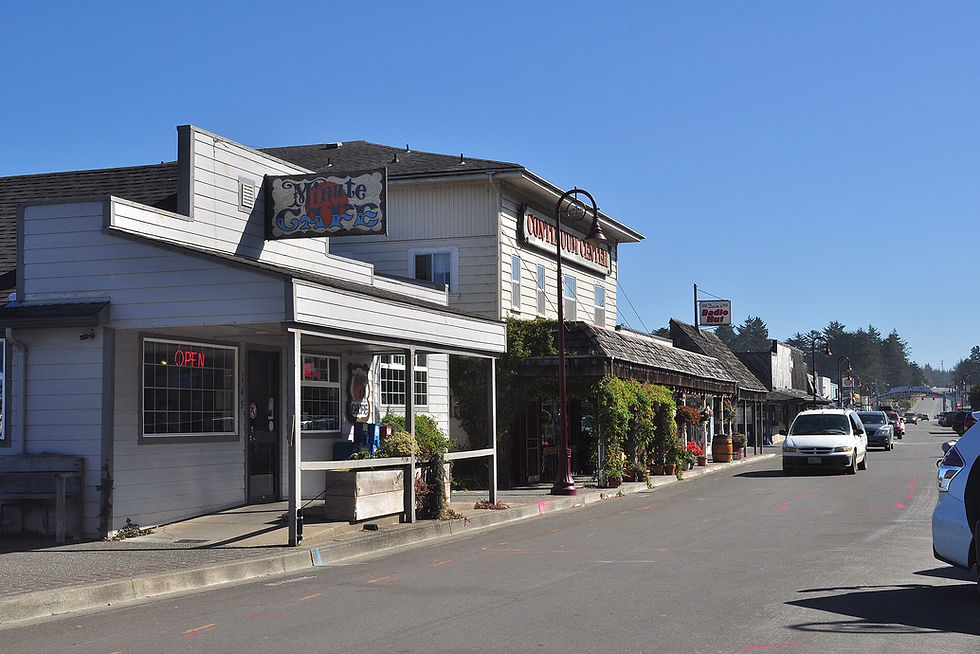
There's a particular kind of guest who wants exactly what most hosts spend the winter apologizing for: wind, waves throwing spray over the jetty, a house that shakes a little when a real system rolls in off the Pacific. Bandon's storm season isn't a marketing problem to be minimized. For the right listing, it's the whole pitch — and treating January like a lesser July, priced down and photographed the same, wastes the one season that has its own built-in audience. Most hosts never test that theory, because discounting the same photo set feels safer than committing to a different one.
AirROI's extract confirms what any Bandon host already feels in their booking calendar: August is the peak revenue month, and January is the softest. That's a real trough, not a rounding error, and it deserves a real strategy — not a blanket 20% discount slapped across a listing description that still reads like it's July. The gap between those two months is exactly the gap a shoulder-season strategy is supposed to close, and closing it takes more than a price change; it takes a listing that reads differently in January than it does in August.
The other lever available in Bandon's shoulder months is golf, but only for listings that can honestly claim it. A property genuinely close to the course corridor south of town has a shot at filling some of that winter gap with golf travel that doesn't follow the same summer-beach calendar. A property near Face Rock does not, and pretending otherwise sells a guest something the listing can't deliver. Everything below walks through both lanes in more detail, plus the mistakes that keep otherwise well-positioned Bandon listings from actually capturing either one. This is not legal advice.
Know the Actual Trough Before You Discount It
The shoulder in Bandon runs roughly November through February, with AirROI's data pointing to January as the true bottom for revenue. That's useful precision — it means a host doesn't need to discount all four shoulder months equally. November and February sit closer to the calendar's edges and can often hold a firmer rate than the deep-winter weeks around the holidays and January.
Drop minimum-night requirements specifically in the confirmed trough weeks, not across the whole shoulder window. A three-night minimum that makes sense in October can quietly cost a host a booking in the second week of January that would have taken a one- or two-night stay. Keep peak weekends — even shoulder-month weekends with a local event or a run of good weather forecast — priced honestly rather than discounting out of habit. Treating November, the holiday weeks, January, and February as four different micro-seasons rather than one flat "off-season" block is the single biggest mental shift this section is asking for.
Sell the Storm, Don't Apologize for It
A listing description that says "quiet off-season" is telling a storm-watching guest nothing useful. Better copy names the actual experience: ocean-view windows that face the weather, a wood stove or fireplace for the nights the power flickers, walkability to Face Rock's beach access for a guest who wants to watch waves hit the sea stack rather than avoid the coast entirely.
This only works if the property can back it up. A listing three blocks from any ocean view shouldn't lead with storm-watching copy just because it's technically in Bandon — that guest will show up disappointed and say so in a review. Match the pitch to what the house actually offers. A property without a real storm view can still find an honest winter pitch — proximity to downtown's waterfront restaurants during the quiet season, or an easy walk to Face Rock even without a direct view from the house — rather than borrowing a storm-watching claim that belongs to a different listing entirely.
Golf Shoulder: Real Only for Real Proximity
Golf travel runs on a different calendar than beach tourism, and for a listing genuinely near the Bandon Dunes corridor, that can mean real winter and shoulder-season demand a beach-only property doesn't have access to. This is not a claim to make loosely — a property has to sit close enough to the course corridor that the drive time is honestly short, not a stretch described as "nearby" in the listing copy.
For hosts whose properties do sit in that corridor, shoulder-season copy can lean into golf access directly: proximity, drive time, amenities suited to a golf traveler like gear storage or flexible check-in around tee times. For everyone else, don't fake it — the storm-watching pitch above is the honest lane. A golf-corridor property that also happens to have some ocean visibility can carry both pitches honestly, but should still lead with whichever one the location most clearly supports rather than splitting the headline copy evenly.
What Not to Discount Away
A common mistake in shoulder-season pricing is discounting the listing's identity along with its rate. Cutting the price without changing the copy or photos just tells a guest "this is the same stay, but we're less confident about it right now." A stronger shoulder-season listing updates its hero photo to reflect the actual winter conditions — storm surf, moody skies, a lit fireplace — and prices from that specific pitch rather than a blanket markdown of the summer rate.
Keep the town's own identity intact through the shoulder months too. Face Rock, the Coquille River lighthouse, and the working port don't stop being Bandon's draw just because it's January — if anything, a quieter version of those landmarks without summer crowds is its own selling point worth naming directly.
Common Shoulder-Season Mistakes
The first mistake, already touched on above, is discounting evenly across all four shoulder months instead of concentrating the discount on the confirmed trough weeks around January. It leaves money on the table in November and February, which can often support a rate much closer to the shoulder standard than a host assumes once they've mentally lumped the whole stretch together as "slow."
The second mistake is running the same photo set and description year-round and calling the price change a strategy. A guest comparing two otherwise similar Bandon listings in January will book the one whose photos and copy actually match the season they're traveling in — a discounted summer listing reads as an afterthought next to one that was clearly built for winter.
The third mistake is a golf claim without real proximity, made out of a hope that any Bandon Dunes association will pull bookings regardless of drive time. It draws the wrong guest exactly once, and that guest's review then works against every future booking that listing tries to attract. The fourth mistake is the reverse version of the same problem — a genuinely golf-adjacent property that never updates its shoulder-season copy to mention golf at all, leaving real winter demand unclaimed simply because nobody wrote the pitch down.
Two Shoulder Guests, Two Different Weeks
It helps to picture the two guests this shoulder strategy is actually built for, side by side. The first books three nights in the second week of January specifically because a storm system is forecast to roll in — they're searching for ocean-view windows, a fireplace, and walking distance to Face Rock, and they've already decided the trip is worth taking in the least crowded, least expensive week of the year. A listing that discounted its rate but kept its July photos and July copy gives this guest almost nothing to go on; a listing that led with a storm-surf hero photo and named the fireplace directly converts that same search in far fewer clicks.
The second books five nights in late November around a golf trip, arriving with clubs and a tee-time schedule already set, uninterested in Face Rock or the working port beyond a dinner out one night. This guest is reading for drive time to the corridor, a place to store gear, and a checkout time that doesn't fight an early tee time. A listing without genuine proximity to the golf corridor has nothing honest to say to this guest and shouldn't try — but a listing that does have that proximity and still runs generic "cozy getaway" copy in November is leaving this exact guest to find a competitor's more specific listing instead.
Neither guest is reading the property the way an August beach-week guest reads it, and neither one is well served by a listing that only knows how to sell that August week at a discount. The shoulder season rewards specificity precisely because there's less overall demand to catch — a vague listing that works well enough in July's high-volume search results has much less room for error in January's thinner one.
A Self-Check Before You Price the Shoulder
Before finalizing shoulder-season pricing and copy, a host can run through a short set of questions. Does the property have a genuine storm-watching or ocean-proximity claim, or is the honest pitch something else — walkability, quiet, a different kind of access to Face Rock or downtown? Is the discount concentrated on the actual trough weeks around January, rather than spread evenly across November through February? Have the hero photo and description actually changed for the season, or is this the summer listing with a lower number attached? And if a golf claim is part of the pitch, does the drive time to the corridor genuinely support it, in writing, rather than as an implied "nearby"?
A listing that can answer all four of those honestly is doing real shoulder-season work rather than just adjusting a slider. A listing that can't is still discounting — it's just discounting blind, without knowing which lever is actually moving bookings.
Building a Multi-Year Shoulder Strategy
A first winter in a new Bandon listing is often the hardest one to read, because there's no review history yet to reassure a storm-watching guest that the fireplace photo is real and the ocean view is honest. A realistic first shoulder season leans on accurate photography and honest copy to build that trust, even if the booking pace lags the town's typical figures while reviews accumulate.
By the second or third shoulder season, a listing with a track record in its specific lane — storm-watching or golf-corridor — should be converting more efficiently on the same trough, because returning search traffic and accumulated reviews are doing work a brand-new listing can't yet claim. The listings that never close that gap year over year are usually the ones still running one generic photo set and one flat discount across all twelve months, never having made the seasonal split this post describes in the first place.
Related Reading
More Bandon's Storm Season host reading on desks, calendars, and listing clarity.
Bandon STR Market Report 2026: Face Rock and Fairways, Not a Blend
How to Market a Bandon Stay Without Borrowing a Neighbor's Beach
Bandon STR Rules 2026: City Planning, Not the Aggregator's Guess
Remote Work From Bandon: A Real Desk, Not a Cheap Winter Month
DIY vs Hire: What Bandon Listings Still Get Wrong on Their Own
Buying a Bandon Rental in 2026: Underwrite This Town's Own Year
The Complete Visitors Guide to Bandon, OR, for Hosts to Actually Send
Financing a Bandon Rental: What a DSCR Lender Actually Asks For
Bandon vs Port Orford: Two Coastal Towns, Two Different Years
Frequently Asked Questions
When is Bandon's off-season for short-term rentals?
AirROI's extract shows a shoulder running roughly November through February, with January as the softest month for revenue. Understanding that January is the true trough — not the entire four-month window — lets a host discount more precisely rather than cutting rates evenly across the whole shoulder.
Should I lower my nightly rate for the entire Bandon shoulder season?
Not evenly. November and February can often hold closer to shoulder-standard rates, while the deep-winter weeks around January are where a real discount or flexible minimum-stay policy earns its keep. Blanket discounting across the whole window leaves money on the table in the stronger shoulder weeks.
Can storm-watching be a real selling point for a Bandon listing?
Yes, for a property with a genuine ocean view or proximity to storm-watching spots like Face Rock's beach access. The pitch only works if the listing can back it up — a house without real ocean exposure shouldn't lead with storm-watching copy it can't deliver.
Does Bandon Dunes golf create winter demand for short-term rentals?
It can, but only for listings genuinely close to the golf corridor south of town. Golf travel runs on a calendar distinct from beach tourism, giving a well-located property a shot at shoulder-season bookings a beach-only listing doesn't have access to. This only holds up for honest proximity, not implied adjacency.
Should I drop my minimum-night requirement in the shoulder season?
Consider dropping it specifically in the confirmed trough weeks around January rather than the entire shoulder window. A minimum-stay policy that makes sense in a stronger shoulder month like November can cost bookings in the deepest part of the winter trough.
What photos work best for a Bandon shoulder-season listing?
Photos that reflect the actual winter experience — storm surf, dramatic skies, a lit fireplace — rather than reusing the summer photo set with a lower price attached. A listing that visually commits to its season books more honestly than one that just discounts the same catalog.
Is Bandon's shoulder season the same length as neighboring coastal towns?
Not necessarily — Bandon's own AirROI extract is the source for this town's specific calendar. Neighboring markets like Port Orford or Coos Bay run their own separate data and shouldn't be assumed to share Bandon's exact peak and trough months.
How does booking lead time change in Bandon's shoulder season?
The town's overall typical booking window runs about 82 days out on AirROI's extract; shoulder-season bookings can skew shorter as guests watch storm forecasts and book closer to travel dates. A listing that stays visible and accurately priced closer to the date can capture that late-booking storm-watching demand.
Can I combine a storm-watching pitch with a golf pitch on the same listing?
Only if the property genuinely supports both — real ocean proximity and real closeness to the golf corridor, which is uncommon in one property. Most listings do better picking the one honest pitch that matches their actual location rather than trying to serve both guests at once.
Does shoulder-season marketing replace confirming the property's rental legality?
No. Any shoulder-season strategy still depends on the property having a valid, current path to operate as a Vacation Rental Dwelling under City of Bandon rules, which the city paused for new applications in 2026. This is not legal advice — confirm status with City of Bandon Planning before investing in seasonal marketing.
Work with Crest & Cove Creative
January is Bandon's quietest month on the books, and most listings respond by discounting everything, including the one thing that could actually sell it: the storm. Name the failure mode the guest can check on the listing.
Crest & Cove Creative builds season-specific listing strategy for Bandon hosts instead of a blanket year-round discount. Ask us for a marketing audit before the next shoulder season hits. Send the live listing draft and the facts you can actually cite.
Reach out at crestcove.co or (256) 998-7502.


Comments