
The Complete Visitors Guide to Bandon, OR, for Hosts to Actually Send

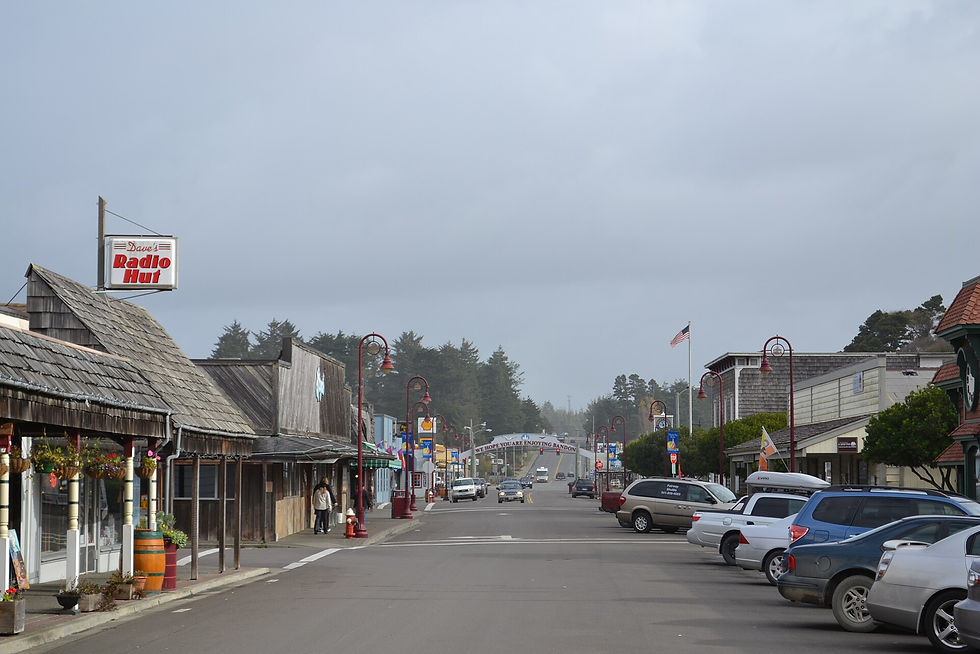
Every Bandon host ends up writing some version of a guest guide eventually — a document, a laminated sheet, a welcome-book page listing what to do and where to go. Most of them are thin: a few bullet points, a link to a tourism website, done. This is meant to be the actual thing, built the way a host would walk a guest through it in person, covering the town's real geography rather than a generic "things to do on the Oregon coast" listicle with Bandon's name swapped in. A guest who receives this kind of guide, versus three bullet points, arrives already oriented — which shows up in fewer confused check-in-day messages and a stay that starts smoothly instead of with a guest standing on Highway 101 wondering which direction the beach is.
Bandon rewards this kind of specificity because it genuinely has two distinct visitor experiences layered on top of each other. There's the beach town — Face Rock, the Coquille River lighthouse, the working port with its fishing-and-cranberry heritage — and there's the golf corridor thirty minutes south, a genuinely national draw that many guests are visiting for exclusively. A good guest guide walks both, honestly, without pretending they're the same trip. It also has to actually be usable — organized the way a guest would encounter the town, not alphabetized or dumped as a link list.
This is meant to double as a listing-copy source, not a second how-to-market post — the landmarks and details below are the raw material for photo captions, amenity descriptions, and welcome-book pages, pulled from what's actually here rather than a regional template. What follows walks the town in the order a real visit tends to happen, plus a worked two-day itinerary, the mistakes that keep a lot of host-written guides from actually getting used, and a short note on pulling this same material into a listing's own marketing copy. This is not legal advice.
Face Rock and the Beach Access Points
Face Rock is Bandon's signature landmark, a sea stack visible from several beach access points along the town's coastline, with its own local legend attached that's worth a guest hearing about rather than just seeing from a distance. The viewpoint and beach access nearest downtown is the most commonly used, and it's worth a host confirming current parking and access conditions before sending guests, since coastal access points can shift with erosion or seasonal closures.
Tide pools are a genuine draw here for families, and tide timing matters — a guest arriving at high tide will see a very different beach than one who times a low-tide window. A host who can point guests toward a current tide chart is doing more useful work than a generic "check the beach" recommendation. This is also the stretch of coastline most worth photographing for a listing's own marketing, since it's the single most recognizable image a guest associates with Bandon specifically, rather than the Oregon coast generically.
The Working Port and Coquille River Lighthouse
Bandon's identity as a working port predates its tourism identity by a long stretch, and that history is visible at the harbor — fishing boats, the practical, unpolished waterfront that distinguishes it from a purely resort-built coastal town. The Coquille River lighthouse sits near the river mouth and is a genuine, walkable landmark worth naming specifically in a guest guide rather than gesturing at "historic sites nearby."
This stretch of town is also where downtown dining and shops cluster, making it a natural pairing for a guest's first exploring day — port, lighthouse, and downtown in one walkable loop, current hours confirmed before sending anyone out. A guest who arrives expecting a purely resort-style coastal town sometimes needs a sentence of context here — the working-port identity is part of what makes Bandon distinct, not a detour from the vacation experience.
Bandon Dunes: A Day Trip, Labeled as One
For a guest who isn't there specifically to golf, Bandon Dunes is worth mentioning as a labeled day trip or drive-by, not folded into the beach-town itinerary as though it's next door. It's a genuinely notable destination — the kind of place worth a mention even for a non-golfing guest curious about what draws so much national attention to this stretch of coast — but a host should be clear about the actual drive time rather than implying it's a five-minute walk from a downtown listing.
For a guest who is there for golf specifically, this guide isn't the source for tee times, green fees, or course details — that information belongs with the resort directly, not guessed or estimated here. A golf-focused guest is also often the guest least interested in a beach-town itinerary at all, and a host serving that guest primarily should feel free to keep this section brief rather than padding it with beach content that guest didn't come for.
The Cranberry Festival and Fall Visiting
Bandon's cranberry heritage shows up in an annual fall festival that draws a loyal, often repeat crowd. Exact dates shift year to year and should be confirmed against the current year's official announcement before being included in any guest communication — this guide isn't going to guess at a date that may already be wrong by the time it's read.
Fall visiting more broadly overlaps with the start of Bandon's shoulder season, making it a natural window for a host to combine festival information with honest shoulder-season expectations about weather and crowd levels. A guest booking specifically around the festival is often a repeat visitor already familiar with the town, which means this section of the guide can lean more on logistics — parking, timing, crowd levels — than on introducing the festival's identity from scratch.
A Two-Day Walkthrough for a First-Time Guest
It helps to picture how a first-time guest without a golf agenda might actually move through two days in Bandon, since that's the shape a lot of guest guides fail to capture even when the individual facts are all correct. Day one, arriving midday, starts with the working port and downtown loop — lunch near the harbor, a walk past the fishing boats, then over to the Coquille River lighthouse before the light starts to fade, all of it walkable from a downtown-adjacent listing.
Day two shifts to the coast itself: checking the tide chart the night before, timing a morning visit to Face Rock's beach access around a low tide window, and building in enough flexibility that a guest who falls in love with the tide pools doesn't feel rushed back to the car. For a guest with any curiosity about the golf side of town, a late-afternoon drive down to see the Bandon Dunes corridor from the outside — clearly framed as a drive-by, not an activity — rounds out the day without overcommitting a non-golfing guest's schedule to something they're not actually there for.
None of this itinerary is rigid, and a host handing it to a guest should frame it as a starting suggestion rather than a schedule to follow exactly. What it does is give a guest without local knowledge a sense of how the pieces fit together geographically and logically — port and lighthouse first, since they're close together and don't depend on tide timing, then the coast on a day the host can help time around the tide chart. A guest staying longer than two nights can simply repeat or extend either day, and a guest staying only one night can compress both into a single loop by starting earlier and checking the tide chart before they even leave home.
Common Mistakes Hosts Make Building a Guest Guide
The most common mistake is a guide that's really just a link dump — a tourism website URL and a restaurant list with no organization or personal knowledge behind it. That kind of guide answers a guest's question technically but doesn't actually help them plan a visit, and it reads as an afterthought rather than genuine hospitality.
A second mistake is failing to update seasonal and access details, so a guide written two years ago still references a since-changed parking situation or a business that's closed. A third is blending the two guest identities together without labeling which is which — recommending a golf-adjacent activity to a beach-focused guest, or vice versa, without acknowledging that Bandon Dunes is a separate trip requiring a drive. A fourth mistake, common among newer hosts, is over-promising specifics this guide deliberately avoids — guessing a tee time recommendation or a festival date rather than pointing the guest to the actual current source.
Turning This Guide Into Listing Copy
Everything above is written for a guest who has already booked, but it doubles as raw material for the listing itself, before a guest ever arrives. The Face Rock section supplies the language for a hero photo caption or a title naming the actual landmark, rather than a generic "steps to the beach" line. The working-port and lighthouse section supplies specifics for a listing serving a guest drawn to Bandon's working-town character rather than a resort-style beach stay. The Bandon Dunes section, handled carefully and only where genuinely relevant, supplies honest drive-time language for a listing that actually sits in the golf corridor.
The discipline that makes this guide useful for guests — naming real, specific, current details rather than generic destination language — is the same discipline that makes listing copy convert. A host pulling from this guide for marketing purposes should still apply the same rule that governs the rest of it: confirm anything time-sensitive, like hours or seasonal access, before publishing it anywhere a guest will read it, whether that's a listing description or the welcome book itself.
What to Tell Guests When the Coast Weather Doesn't Cooperate
A complete guest guide for a coastal Oregon town has to account honestly for the days when wind, rain, or fog make the beach-first itinerary above impractical, rather than pretending every stay lands on a clear day. This isn't a footnote — coastal weather along this stretch of Oregon is genuinely variable enough that a guest arriving mid-storm needs a real alternative plan, not just a rescheduled beach walk for a day that may never come during a short stay.
The working port and downtown loop from day one of the two-day walkthrough above actually works well as a weather backup, since much of it involves walking between covered or indoor stops — shops, restaurants, the lighthouse viewing area — rather than requiring extended open-beach time the way the Face Rock tide-pool exploration does. A host can honestly reframe the same itinerary building blocks already covered in this guide as a flexible order rather than a fixed sequence: lead with downtown and the port on a rough-weather day, and save the tide-pool exploration for whichever day in the stay actually brings a workable low tide and calmer conditions.
For a guest who genuinely came for the storm-watching experience itself — the persona covered in more depth elsewhere in this cluster — bad weather isn't a problem to work around at all, it's the actual draw, and a guide handed to that specific guest should say so plainly rather than apologizing for conditions that guest is hoping for. The honest move here, as throughout this guide, is naming the real range of what a Bandon stay can look like rather than presenting only the postcard version and leaving a guest unprepared for the town's actual, changeable coastal weather.
Practical Notes Before Sending This to a Guest
Hours, parking availability, and any park or beach-access reservations should be confirmed current at the time a host actually sends this information — not assumed from a prior season. Coastal access points, in particular, can change with weather and erosion in ways a static guide doesn't capture automatically.
This guide is deliberately not a repeat of the how-to-market post for this town. That post is about merchandising a listing to attract the right guest; this one is about what a host actually hands a guest once they've booked — the difference between selling the trip and running it well once someone's arrived. This is not legal advice; a host's ability to host guests at all still depends on the property's current status with City of Bandon Planning.
Related Reading
More The Complete Visitors Guide to Bandon, OR, for Hosts to Actually Send host reading on desks, calendars, and listing clarity.
Bandon STR Market Report 2026: Face Rock and Fairways, Not a Blend
How to Market a Bandon Stay Without Borrowing a Neighbor's Beach
Bandon STR Rules 2026: City Planning, Not the Aggregator's Guess
Remote Work From Bandon: A Real Desk, Not a Cheap Winter Month
DIY vs Hire: What Bandon Listings Still Get Wrong on Their Own
Buying a Bandon Rental in 2026: Underwrite This Town's Own Year
Financing a Bandon Rental: What a DSCR Lender Actually Asks For
Bandon vs Port Orford: Two Coastal Towns, Two Different Years
Frequently Asked Questions
What is Bandon, Oregon known for among visitors?
Bandon is known for Face Rock and its dramatic beach access points, the working port and Coquille River lighthouse, and the Bandon Dunes golf resort thirty minutes south, along with its cranberry-growing heritage celebrated in an annual fall festival. It carries two distinct visitor identities — beach town and golf destination — often experienced by entirely different guests.
Where is the best beach access point for Face Rock in Bandon?
The access point nearest downtown is the most commonly used, though a host should confirm current parking and access conditions before sending guests, since coastal access can shift with erosion or seasonal closures.
Is Bandon Dunes golf resort within walking distance of downtown Bandon?
No. Bandon Dunes sits roughly thirty minutes south of downtown and should be described to guests as a drive, not a walkable amenity, unless a specific listing genuinely sits within the golf corridor itself.
When is Bandon's cranberry festival?
The exact date shifts year to year and should be confirmed against the current year's official festival announcement rather than assumed — this guide intentionally does not publish a specific date to avoid passing along outdated information.
What should I tell guests about tide timing at Face Rock?
Tide pools and beach conditions vary significantly between high and low tide, so pointing guests toward a current tide chart before their visit is more useful than a general recommendation to 'check the beach.'
Is the Coquille River lighthouse open to visitors?
The lighthouse is a walkable, visible landmark near the working port; specific visiting hours and access should be confirmed current at the time a host shares this information with guests, since hours can change seasonally.
Should this guide replace my listing's marketing copy?
No. This guide is meant for guests after they've booked — a practical reference for their stay — while listing marketing copy is a separate, earlier-stage tool for attracting the right guest in the first place. The two serve different purposes.
Can I get tee time or green fee information from this guide?
No. That information belongs directly with Bandon Dunes; this guide does not publish or estimate golf-specific figures like round counts or green fees, since the resort doesn't release that data for outside use.
Is Bandon's downtown walkable from the harbor?
Yes — the working port, Coquille River lighthouse, and downtown dining and shops generally cluster within a walkable stretch, making that area a natural loop for a guest's first day exploring, with current hours confirmed before sending anyone out.
Should hosts update this kind of guest guide seasonally?
Yes. Hours, parking, and access conditions should be confirmed current each season rather than assumed from a prior year, particularly for coastal beach access points that can shift with weather and erosion.
Work with Crest & Cove Creative
Most Bandon guest guides are three bullet points and a tourism-website link, and guests can tell the difference between that and a host who actually knows the town. Name the failure mode the guest can check on the listing.
Crest & Cove Creative builds guest-facing content that matches what's really in Bandon, not a regional template. Ask us for a marketing audit that starts with what your guests actually experience. Send the live listing draft and the facts you can actually cite.
Reach out at crestcove.co or (256) 998-7502.


Comments