
Bayfield Remote Stays: Nearly Half Already Need 30 Nights

Updated: Aug 27
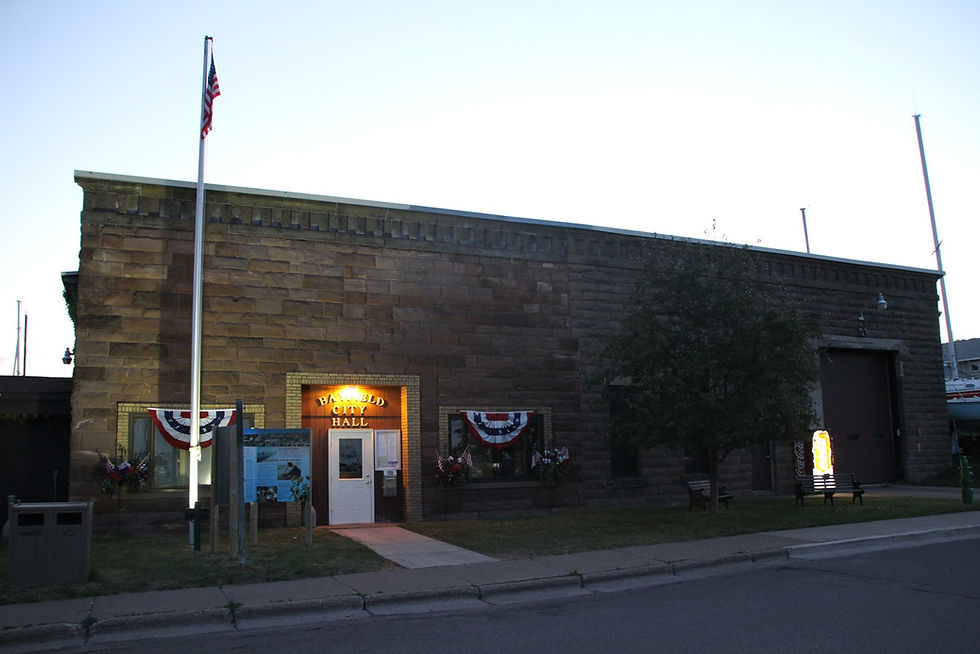
Bayfield, Wisconsin - a Lake Superior harbor town and gateway to the Apostle Islands - publishes a typical year of $24,688 across 135 listings, with ADR at $270, occupancy at 36.8 percent, and an average stay of 2.9 nights. Sixty of those 135 listings, or 44.4 percent, have already set a thirty-plus-night minimum - actually this market's single most common minimum-stay setting.
That thirty-plus-night figure is a genuine, real booking-policy fact worth understanding, but it doesn't mean this market is secretly filling up with month-long remote-work stays. The average stay remains 2.9 nights, and March remains this market's clearly named seasonal hole.
This is not legal advice. It's a practical guide to marketing a genuine remote-work desk in Bayfield honestly: photographing the actual table and testing the actual upload speed a remote guest would use, rather than assuming a long minimum-stay setting or a Minneapolis-origin guest base automatically produces a filled month.
Write the Desk, Not an guessed Monthly Rate
A remote-work guest is fundamentally booking a place to sit and work, not just a bed to sleep in. The most useful thing a host can do is photograph the actual table, chair, outlet, and available light at typical working hours - genuine, specific, verifiable content.
Bayfield's published typical year of $24,688, occupancy of 36.8 percent, and ADR of $270 describe overnight stays as they actually book - they aren't evidence that flipping a listing's minimum-stay setting to thirty-plus nights will automatically produce a filled month of remote-work bookings.
If the only available workspace is a dining chair pulled from a table normally used for harbor-weekend meals, or if the sole quiet room is also the bedroom, that's worth describing honestly rather than dressed up as a dedicated home-office setup.
The practical rule: confirm which room in a specific property gets usable light and stays genuinely quiet during both August, this market's peak month, and March, its named low point - a workspace that only functions well during peak-season weather isn't yet a credible remote-work product.
30-Plus Is the Common Minimum, But It's Not Occupancy
Sixty of this market's 135 listings - 44.4 percent - have set a thirty-plus-night minimum stay, making it genuinely the single most common minimum-stay setting in this market, ahead of two-night minimums (31.1 percent) and one-night minimums (23.0 percent).
This is a real, specific, and worth-understanding booking-policy fact. It describes how hosts have configured their listings' minimum-stay filters - it does not describe how long guests are actually staying, which remains an average of 2.9 nights across this market.
Superhost status applies to a notably high 59.3 percent of this sample, and professionally managed listings make up 48.9 percent, with named local managers Mollie (17 listings), Erin (13 listings), and Windseeker (11 listings) holding meaningful shares - none of which has converted this thirty-plus-night setting into evidence of filled long-term winter bookings.
The practical distinction: a thirty-plus-night minimum-stay setting is a platform-level filter choice, not proof of actual occupancy. A host considering that setting should evaluate whether it genuinely fits their specific property and guest, not assume that adopting it will automatically fill this market's named low season.
Stay Length Is 2.9 Nights, Not a Filled Month
This market's actual average stay length is 2.9 nights - genuinely close to a standard weekend trip, and worth featuring accurately in listing copy alongside the market's actual ADR and occupancy figures, rather than implicitly reframed as evidence of a longer typical booking pattern.
Average lead time is 89 days - a genuinely long planning window for a roughly three-night stay, suggesting guests are booking this specific harbor trip well in advance rather than as a spontaneous extended getaway.
Year-over-year revenue in this market is down a notable minus 5.5 percent, while supply grew plus 13.4 percent - a real, worth-acknowledging trend that a host should factor into realistic revenue expectations, rather than assuming a minimum-stay change alone will reverse it.
The practical rule: market this property's genuine 2.9-night average stay honestly, price August, July, and September as this market's actual named peak-3, and treat any longer-stay marketing angle as a distinct strategic decision rather than an assumed fix for this market's currently softening year-over-year trend.
Minneapolis Origin Isn't a Fiber Promise
Minneapolis is this market's leading guest-origin city, with Madison as a secondary source market - genuinely useful demand-side context about who's traveling here, but not itself a description of what internet connectivity a specific Bayfield property actually offers.
A listing description that implies strong, big-city-caliber internet simply because guests are traveling from Minneapolis is making a claim the origin data doesn't actually support. Origin describes where a guest is coming from, not what infrastructure exists at the property they're booking.
The only credible way to make a connectivity claim is to actually test it: measure upload speed at the specific table where a guest would work, at a normal working hour, on both a weekday and a weekend, and report that measured number rather than a general regional assumption.
The practical rule: write Minneapolis and Madison accurately as this market's leading origin cities, and keep any internet-speed claim entirely separate, based only on a number actually measured at the specific property's actual workspace.
Photograph the Upload You've Actually Tested
A credible remote-work listing needs a photograph of the actual table, chair, and outlet, paired with an honestly measured upload speed from that same specific spot - not a generic claim borrowed from a carrier's coverage map or a nearby town's reputation for connectivity.
If a host hasn't personally sat at that table with a laptop and tested the connection, they don't yet have a genuine remote-work product to market - regardless of how appealing the surrounding harbor scenery might be.
It's worth testing and photographing honestly for both peak-season and off-season conditions. A workspace that photographs beautifully in August's peak light, but that turns out to be uncomfortably cold, dim, or noisy in March, isn't yet a credible year-round remote-work offering.
The practical rule: the Apostle Islands and the ferry dock are genuine, worth-naming landscape features for a guest guide, but they say nothing about bandwidth. Keep any tourism-landscape description entirely separate from an actually measured, specifically sourced upload-speed claim.
La Pointe's 3.5-Night Stay Is a Different Town's Number
La Pointe, on Madeline Island and reachable via ferry, publishes its own distinct typical year of $18,625 across 38 listings, with a slightly longer average stay of 3.5 nights - genuinely different figures from Bayfield's own $24,688 and 2.9-night average, despite geographic proximity.
La Pointe's own peak-3 (August, July, June) and named hole (January) also differ from Bayfield's own peak-3 (August, July, September) and hole (March) - two genuinely separate seasonal patterns that shouldn't be blended together despite sharing a general Lake Superior region.
A meaningfully higher share of La Pointe's listings - 68.4 percent, or 26 of 38 - have set a thirty-plus-night minimum, with a named local manager, Jon, holding 23 listings there. Neither of these La Pointe-specific facts should be borrowed to describe Bayfield's own, separately configured market.
The practical rule: even La Pointe's own longer 3.5-night average stay is still a harbor overnight, not evidence of a filled remote-work month on that island either. Keep both markets' figures clearly labeled and separate, and never let one town's stay length imply something about the other's actual booking pattern.
March Is the Hole - a Ferry Crossing Doesn't Change That
March is Bayfield's clearly named seasonal low point, with February and April sitting in the same soft stretch. This remains true regardless of any seasonal ferry, ice-road, or winter-tourism activity that might draw visitor attention to the area during these months.
Visitor interest in a winter ice crossing, or in any other seasonal attraction, is a demand-landscape fact - genuinely worth mentioning in a guest guide - but it isn't the same thing as this market's actual occupancy figure of 36.8 percent, and it doesn't convert March from this market's named hole into a money month.
Sixty listings having set a thirty-plus-night minimum doesn't itself indicate that March specifically has filled with long-term bookings. That setting is a booking-policy choice, not proof of demand for this specific soft month.
The practical rule: price August, July, and September as this market's genuine peak-3, name March honestly as the low point in both pricing and marketing copy, and resist the temptation to dress up a seasonal visitor attraction as though it were evidence of filled winter occupancy.
What a Genuine Remote-Work Guest Actually Wants
A remote-work-focused guest booking Bayfield specifically is likely balancing two goals: getting real work done during the day, and enjoying the harbor town's genuine appeal - the waterfront walk, the ferry dock, the Apostle Islands views - during evenings and any true time off.
A listing description that speaks to both needs specifically - naming the exact workspace setup honestly, alongside the genuine walkable amenities within reach of the property - serves this guest far better than either an all-business "home office" pitch or an all-leisure "harbor getaway" pitch that ignores the work half of the trip entirely.
This guest is also, per the 89-day average lead time, planning well in advance - suggesting they're weighing this specific property's workspace details carefully against other options rather than booking impulsively. A vague or generic description gives them little to actually compare.
The practical rule: describe the actual workspace, the actual tested connectivity, and the actual harbor-town amenities specifically and separately, giving this deliberate, advance-planning guest genuine information to evaluate rather than a generic remote-work marketing template.
Confirming Compliance for a Longer First Stay
Before marketing or accepting a longer-than-usual first stay, a Bayfield host should confirm current permit status directly with city desk, located at 34 South Broad Street, reachable at (715) 779-5712. This pass notes a permit fee of $750, with the permit itself expiring June 30 each year.
Bayfield's zoning includes a seven-day minimum-stay rule specifically within R-1 and R-2 residential zoning districts - a genuinely important detail for a host in one of these zones considering a shorter-than-typical minimum, worth confirming directly rather than assumed away.
County Health, reachable at (715) 373-6109, and the local room tax rate of 8 percent, are two further compliance points worth confirming directly and keeping current, independent of whatever minimum-stay strategy a specific listing ultimately adopts.
The practical rule: a thirty-plus-night minimum-stay setting doesn't override or replace any of these compliance requirements. Confirm the correct zoning designation, permit status, and tax obligations directly with the relevant Bayfield offices before finalizing a longer-stay marketing strategy.
A host newly considering a longer-stay strategy specifically because of this market's high 44.4 percent thirty-plus-night share should treat that share as a signal that the strategy is competitively established here, not as confirmation that compliance requirements are any less relevant for a longer booking than for a standard weekend stay.
Setting Realistic Expectations for a Longer-Stay Pivot
A host converting an existing short-stay listing to primarily target longer, remote-work-oriented bookings should expect a genuine adjustment period, since this shift changes the guest profile, the cleaning and turnover cadence, and the pricing structure all at once.
Given this market's minus 5.5 percent year-over-year revenue trend and plus 13.4 percent supply growth, a host shouldn't assume a longer-stay pivot alone will reverse a broader softening trend across the market - it's a strategic option worth pursuing on its own specific merits, not a guaranteed fix.
Tracking actual booking results after making this shift - which specific weeks filled, at what rate, and from which guest profile - gives a host far more reliable, property-specific evidence for future pricing decisions than the market-wide averages discussed throughout this piece.
The practical rule: treat a longer-stay pivot as a genuine strategic test worth measuring carefully over a full season, rather than an assumed solution, and be prepared to adjust the approach based on that property's own actual results rather than this market's general minimum-stay distribution alone.
Related Reading
Related reading for Bayfield, WI hosts: same-town spine first, then nearby geo lines. Skip costume national dumps that do not underwrite this driveway.
Frequently Asked Questions
Is a thirty-plus-night minimum actually the most common setting in Bayfield?
Yes. 60 of this market's 135 listings, or 44.4 percent, have set that minimum, genuinely the most common single setting here, ahead of two-night minimums at 31.1 percent and one-night minimums at 23.0 percent. It's important to read that as a booking-policy fact rather than evidence of occupancy, since it describes how hosts configured their calendars, not how long guests actually stay.
Does that thirty-plus-night setting mean March is actually filling up with long bookings?
No. March remains Bayfield's clearly named seasonal hole, alongside February and April, with full-year occupancy sitting at 36.8 percent. A minimum-stay setting describes a listing's booking policy, not whether guests are actually filling that specific soft month, and 60 listings adopting a longer minimum doesn't itself indicate demand for those particular weeks.
What is Bayfield's actual average stay length?
2.9 nights, with an average lead time of 89 days, a genuinely short trip that guests plan well in advance. That figure should be marketed honestly in listing copy rather than reframed to imply a longer typical booking pattern just because a sizable share of listings have set 30-plus-night minimums.
Does a Minneapolis-origin guest base mean a property has strong internet access?
No. Minneapolis is this market's leading guest-origin city, with Madison as a secondary source, but that's a fact about where guests travel from, not a description of what internet infrastructure a specific property actually offers. The only credible way to make a connectivity claim is to measure upload speed directly at the property's workspace, at a normal working hour, on both a weekday and a weekend.
What should a host photograph for a genuine remote-work listing?
The actual table, chair, and outlet a guest would use to work, paired with an honestly measured upload speed from that exact spot. It's worth testing and photographing under both peak-season and off-season conditions, since a workspace that looks great in August's light but turns out cold, dim, or noisy in March isn't yet a credible year-round remote-work product.
Can La Pointe's 3.5-night average stay be used to describe Bayfield?
No. La Pointe, on Madeline Island and reachable via ferry, is a separate market with its own $18,625 typical year across 38 listings, its own peak-three (August, July, June), and its own January hole, genuinely different figures from Bayfield's own 2.9-night average, $24,688 typical year, and March hole. Even La Pointe's longer stay length is still a harbor overnight, not evidence of a filled remote-work month.
Does winter tourism activity fill Bayfield's March hole?
No. Seasonal winter visitor activity, like ice-crossing interest, is genuine demand-landscape content worth mentioning in a guest guide, but it isn't the same thing as this market's actual occupancy figure and doesn't convert March from the market's named low point into a filled month. Price August, July, and September as the genuine peak-three and name March honestly as the low point in both pricing and marketing copy.
What compliance should a Bayfield host confirm before offering longer stays?
Confirm current permit status directly with the city desk at 34 South Broad Street, reachable at (715) 779-5712; this pass notes a $750 permit fee expiring June 30 each year. Also confirm the R-1 and R-2 residential zoning districts' seven-day minimum-stay rule if considering a shorter minimum, and check current requirements with County Health at (715) 373-6109 and the local 8 percent room tax rate.
How much of the Bayfield short-term rental market is professionally managed?
48.9 percent of listings are professionally managed, with named local managers Mollie holding 17 listings, Erin holding 13, and Windseeker holding 11. Superhost status applies to a notably high 59.3 percent of the sample, which is a useful benchmark for a host gauging how much guest-experience investment it takes to be competitive in this specific market.
What is Bayfield's current year-over-year revenue trend?
Revenue is down 5.5 percent year over year while supply grew 13.4 percent, a real trend worth factoring into realistic expectations. A host shouldn't assume that switching to a longer-stay minimum alone will reverse that softening; it's a strategic option worth testing on its own merits and tracking carefully over a full season rather than an assumed fix.
Work with Crest & Cove Creative
Flipping a listing's minimum-stay toggle to thirty-plus nights doesn't fill Bayfield's actual March hole. This market's real average stay is 2.9 nights, and a longer minimum is a booking filter, not proof of a longer season.
We help Bayfield hosts build genuine remote-work listings around a tested upload speed and an honest seasonal calendar, not an assumed fiber connection or a borrowed neighbor's stay length. Send us your listing and we'll flag every unverified claim.
Reach out at crestcove.co or (256) 998-7502.


Comments