
The Mineral-Springs Town DC Actually Drives To: Berkeley Springs STR

Updated: Aug 27
Berkeley Springs is the mineral-springs town Washington and Baltimore actually drive to, and its 2026 short-term rental market runs on a specific, locked snapshot: one AirROI pull, updated August 8, 2026, showing 166 listings, an advertised daily rate near $278, occupancy at 41.8 percent, a typical annual clear year of $39,580, a median month of $3,213, and RevPAR near $122. This report uses that single locked pull throughout; it is not a Morgan County occupancy-tax extract, and it is not the separate Bath city page that still circulates a stale $22,868 figure from an earlier snapshot. Those are different numbers describing different things, and this page keeps them on separate lines.
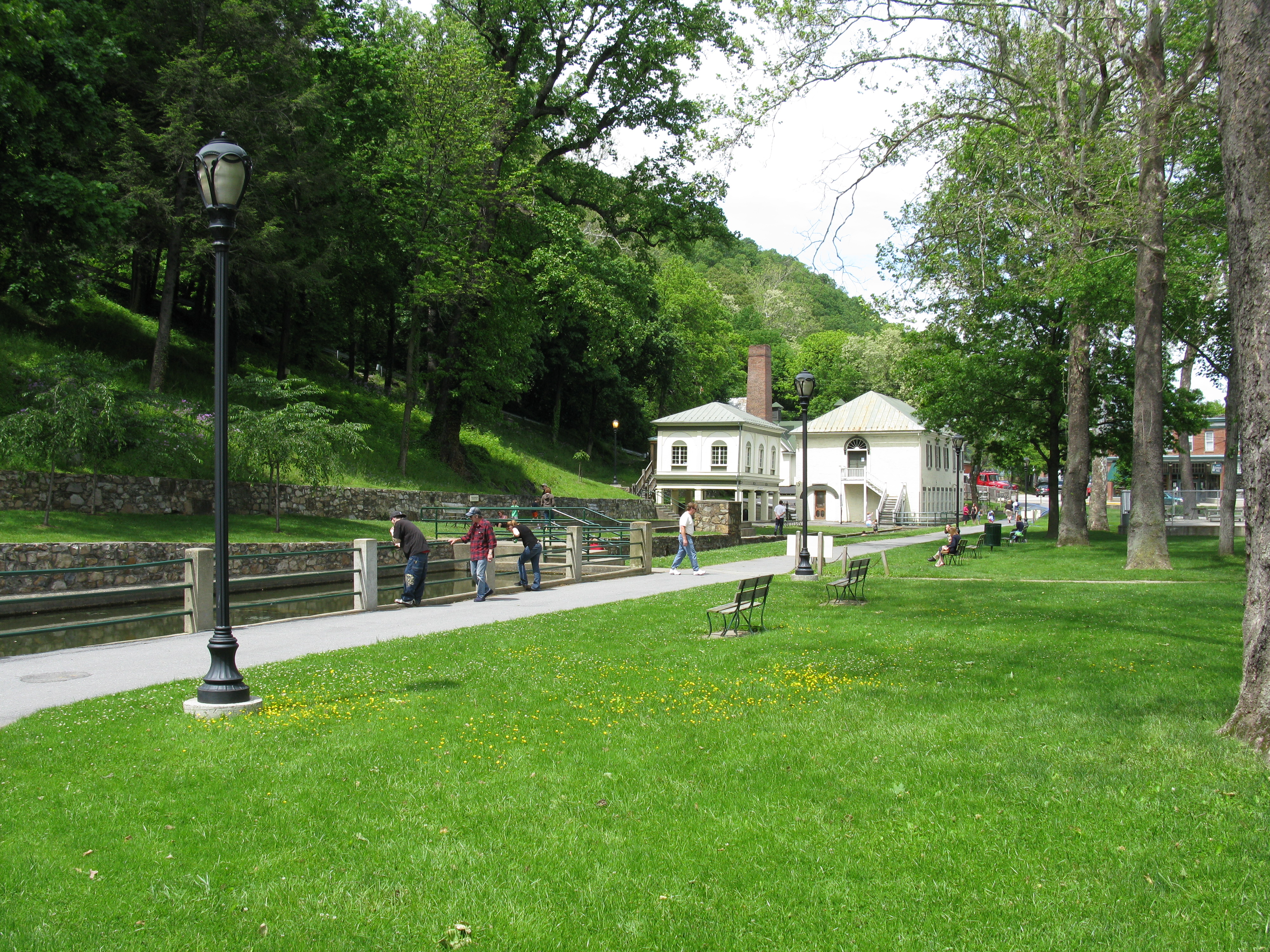
The product guests already know is mineral water at 74.3 degrees Fahrenheit at Berkeley Springs State Park, 2 South Washington Street, and a Roman bath of 750 gallons heated to 102 degrees. Cacapon Resort State Park adds an afternoon on 6,000-plus acres nearby. Do not staff or price a listing as if a ski lift is coming to this area; leave lift copy on the mountain towns that actually operate one, and build this listing's marketing around the spa-town product that is actually here. This is not legal advice.
What the 2026-08-08 extract actually says
The locked file shows 166 listings, a $278 advertised daily rate, 41.8 percent occupancy, a $39,580 typical annual clear year, a $3,213 median month, and $122 RevPAR. These figures describe the Berkeley Springs short-term rental market as a whole on the date of this pull; they are not a promise for any specific house, and a host should confirm any specific property's own trailing performance against a manager's or platform's own reporting rather than assuming every listing matches this blended figure exactly.
This report deliberately does not cite the separate Bath city page's stale $22,868 figure, which comes from a different, older extract and would meaningfully understate the current market if blended into this report's numbers. Keep each dated pull on its own labeled line, and confirm which extract any figure comes from before repeating it in marketing copy.
Three seasons, not a lift calendar
The locked file's three strongest months, in order, are August, October, and December, with August as the single peak market. That is a distinctly different shape from a ski-town calendar, which would typically show a winter peak running December through March. Berkeley Springs' calendar instead reflects a spa-and-getaway pattern: a summer peak, a fall color and event peak, and a holiday-getaway peak, rather than a continuous winter season built around snow.
Low-season average across the file sits near $3,310 at 40.7 percent occupancy, and peak-season average sits near $4,762 at 50.2 percent occupancy. That is a genuinely three-season shape, not a two-season split between a long winter dead zone and a short summer peak. A host pricing the calendar should plan around three distinct peak windows rather than a single summer season with a long off-ramp.
41.8 percent occupancy is a weekend machine
An overall occupancy figure of 41.8 percent across 166 listings suggests a market that fills weekends reliably but has real weekday vacancy across much of the calendar. That pattern is typical of a drive-market spa town: guests come for a Friday-to-Sunday mineral-bath getaway, not for a full-week vacation, and the occupancy figure reflects that weekend-heavy booking pattern rather than a steady, even fill across every night of the week.
A host who wants to move occupancy meaningfully above 41.8 percent should target the actual gap, which is weekday nights, rather than assuming there is significant unclaimed weekend demand still sitting on the table. Weekday-specific offers, remote-worker positioning, or a longer-stay discount are the levers most likely to move this particular number, since the weekend side of the calendar is likely already close to its practical ceiling for most listings.
Product mix: three-plus beds and an 8-guest watch
Berkeley Springs listings on this file lean toward larger properties, and hosts should watch the concentration of listings sized for eight or more guests, since that segment is competing specifically for the reunion and group-getaway market rather than the couple's-weekend spa-trip market that the town's core product actually serves best. A three-plus-bedroom house marketed purely as a romantic mineral-springs getaway is misaligned with its own bed count and guest capacity.
A host with a large property should decide deliberately whether to market toward the group-reunion segment, which competes on space and shared amenities, or to try to capture couples' weekend traffic by offering flexible booking for smaller groups within a larger house. Trying to serve both without clear positioning usually serves neither well.
Stay length, Instant Book, and the hidden published year
This file's blended figures obscure real variation in stay length and booking behavior across individual listings. A host should check their own listing's actual average stay length and Instant Book conversion rate against platform-provided analytics rather than assuming the market-wide averages describe their specific house. A three-night average stay length is a reasonable estimate for a weekend-heavy spa-town market, but individual listings can and do vary meaningfully from that estimate.
The 'published year' figure, meaning the $39,580 typical annual clear year, is a hidden number in the sense that it requires understanding it is a full-year blended figure across weekday and weekend, peak and low season, not a figure any single strong month should be extrapolated from. Treat it as an annual planning anchor, not a monthly pace indicator.
Cleaning, lead time, and who actually books
A weekend-heavy spa-town market like this one typically runs shorter booking lead times than a destination requiring significant advance planning, since a Friday-to-Sunday mineral-bath trip is often booked closer to the actual travel date than a week-long vacation would be. Hosts should keep listings live and actively priced through shorter booking windows rather than assuming guests are booking months ahead the way a major festival destination might see.
The guest booking this market is most often a Washington, D.C. or Baltimore-area couple or small group looking for a short, restorative getaway rather than a full week away from work. Cleaning turnover on a weekend-heavy calendar happens primarily on Fridays and Sundays, and a host should staff and price cleaning accordingly, with a clear plan for same-day Sunday-to-Friday turns if back-to-back weekend bookings occur.
The 1-3 unit porch is not a 28-listing brand
An independent host running one to three units in Berkeley Springs is competing against both other independent hosts and against larger multi-listing operators on this same 166-listing file. A single-house or few-house independent operator's advantage is not scale; it is the specific, personal, accurate detail that a larger operation running dozens of listings across multiple towns typically cannot replicate at the same level of care for any one property.
Do not try to market a one-to-three-unit operation as if it were a larger brand with the marketing budget or property count to match. Lean instead into the specific porch, the specific mineral-water proximity, and the specific personal touch that a guest booking a small operator's listing is actually looking for.
How a one-to-three-unit host should use this file
Use the $39,580 typical annual figure and the $3,213 median month as a blended planning anchor, then price the three peak windows, August, October, and December, more aggressively than the low months, which likely sit closer to the $3,310 low-season average at 40.7 percent occupancy. Target the actual weekday gap inside the 41.8 percent overall occupancy figure with weekday-specific offers rather than assuming untapped weekend demand exists.
Confirm your own bed count and guest capacity against whether you are actually positioned for the group-reunion segment or the couple's-weekend spa-trip segment, and market accordingly rather than trying to serve both without a clear choice. Above all, do not blend this current 2026-08-08 extract with the older, stale Bath city page figure; keep each dated pull on its own line, and update any published copy the next time a fresh extract becomes available.
Related Reading
More Berkeley Springs, Town of Bath, Morgan County, and Cacapon reading already live on Crest & Cove.
Berkeley Springs STR Rules: Town of Bath vs Unincorporated Morgan County
How to Market a Berkeley Springs Airbnb: Roman Baths, Not a Ski Town
DIY vs Hire in Berkeley Springs: Photos Against a 28-Listing Local Brand
Cottage Rentals 28 and Tony 18: Is an Agency Worth It in Berkeley Springs?
Is Berkeley Springs a Good Short-Term Rental Investment in 2026? One Unit at $3,213
A 28-Night Berkeley Springs Cottage for DC and Baltimore Remote Workers
Who Books a Berkeley Springs Cottage: Bath House, Cacapon, DC Weekend
Morgan County Tourism Spending and Berkeley Springs Hosts: What the Number Measures
The Complete Visitor's Guide to Berkeley Springs, West Virginia
What It Actually Costs to Start an Airbnb in Berkeley Springs, WV
Financing a Berkeley Springs Cottage: DSCR vs Second-Home on $3,213
Cacapon Resort and Prospect Peak: The Overlooks Page for Berkeley Springs Hosts
Pricing the Apple Butter Festival: A Berkeley Springs Host Calendar
A Berkeley Springs Weekend From Washington, DC: I-70 and US-522
Frequently Asked Questions
How many active short-term rental listings does Berkeley Springs have in 2026?
The locked AirROI extract dated August 8, 2026 shows 166 listings. This report uses that single figure throughout and does not blend it with a separate, older Bath city page figure of $22,868, which comes from a different, earlier extract describing a different snapshot in time. Keep each dated pull on its own labeled line before repeating any figure in marketing copy.
What is the typical annual revenue for a Berkeley Springs short-term rental?
The current file shows a typical annual clear year of $39,580, with a median month of $3,213 and RevPAR near $122. This is a blended figure across the full calendar year, including both peak and low months, and should be treated as a planning anchor rather than extrapolated from any single strong month or weekend.
Does Berkeley Springs have a winter ski season?
No. The three strongest months on the file, in order, are August, October, and December, reflecting a spa-and-getaway pattern rather than a ski-town calendar. Don't staff or price a listing as if a ski lift is coming to this area; the actual product is 74.3-degree mineral springs and a Roman bath heated to 102 degrees, not snow sports.
Why is occupancy only 41.8 percent if this is a popular getaway town?
That figure reflects a weekend-heavy booking pattern typical of a drive-market spa town: strong Friday-to-Sunday fill with real weekday vacancy across much of the calendar. A host looking to raise occupancy should target the weekday gap specifically with weekday offers or longer-stay incentives, since the weekend side of the calendar is already close to its practical ceiling for most listings.
Should a large property in Berkeley Springs market itself as a romantic getaway?
Not without checking bed count and guest capacity honestly first. A three-plus-bedroom house sized for eight or more guests is better positioned for the group-reunion segment than the couple's-weekend spa-trip segment the town's core product serves best. Decide deliberately which segment to target rather than trying to serve both without clear positioning.
How far in advance do guests typically book Berkeley Springs listings?
Booking lead times in a weekend-heavy spa-town market tend to run shorter than in a destination requiring significant advance planning, since a short mineral-bath getaway is often booked closer to the travel date than a week-long vacation. Hosts should keep listings actively priced through shorter windows rather than assuming guests book months ahead the way a major festival destination might see.
How does a small, one-to-three-unit host compete in this market?
By leaning into specific, accurate detail, the actual porch, the actual proximity to the mineral springs, the actual personal touch, rather than trying to market as if operating at the scale of a larger multi-listing brand. That level of personal care for a single property is the real advantage a small operator has over a larger operation spread across many listings and towns.
Can this 2026 extract be combined with older Berkeley Springs revenue figures?
No. Keep each dated pull on its own labeled line. This report is built entirely on the August 8, 2026 locked extract, and blending it with the separate, older Bath city page figure of $22,868 would meaningfully misrepresent the current market. Update any published copy the next time a fresh extract becomes available rather than mixing snapshots.
What does the product mix on this file suggest about competing listings?
Berkeley Springs listings lean toward larger properties, and hosts should watch the concentration of units sized for eight or more guests, since that segment competes specifically for the reunion and group-getaway market rather than the couple's-weekend spa-trip market the town's core product serves best. A three-plus-bedroom house marketed purely as a romantic getaway is misaligned with its own bed count and guest capacity.
When does cleaning turnover typically happen in this market, and why does it matter?
Cleaning turnover on a weekend-heavy calendar happens primarily on Fridays and Sundays, so a host should staff and price cleaning accordingly, with a clear plan for same-day Sunday-to-Friday turns if back-to-back weekend bookings occur. The guest booking this market is most often a Washington, D.C. or Baltimore-area couple or small group looking for a short, restorative getaway rather than a full week away from work.
Work with Crest & Cove Creative
This is a mineral-springs weekend machine at 41.8 percent occupancy, not a ski town with a lift coming. Three real peaks, August, October, and December, carry a $39,580 typical year.
We help Berkeley Springs hosts price the real three-season calendar and target the actual weekday gap instead of chasing a ski season that does not exist here. Send us your listing and we will show you where this file says the real opportunity sits.
Reach out at crestcove.co or (256) 998-7502.


Comments