
Who Books a Berkeley Springs Cottage: Three Real Guests

Updated: Aug 28
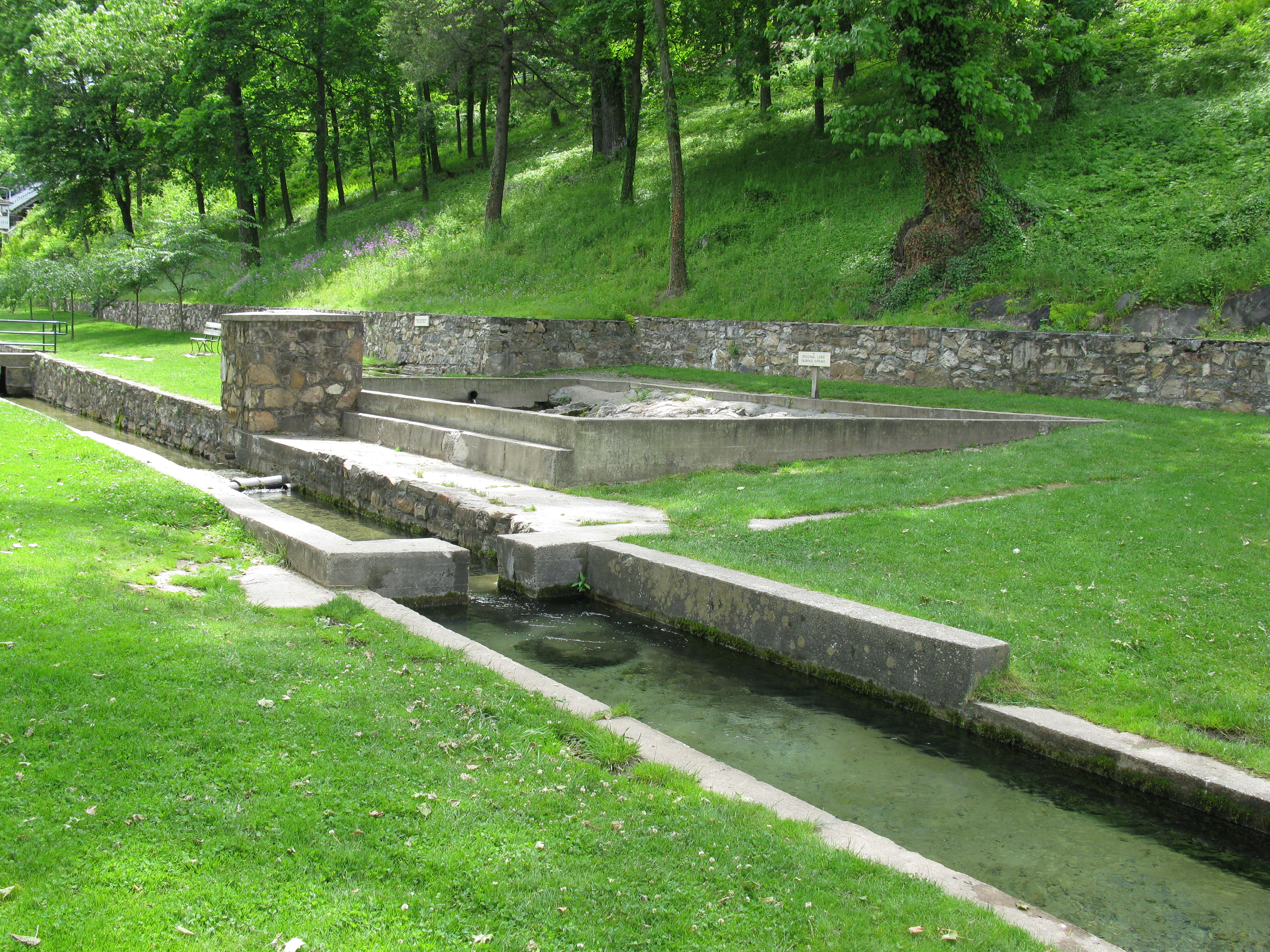
Ask who books a Berkeley Springs cottage and the honest answer isn't a single sketch of a mountain-getaway couple. It's three separate trips that happen to land in the same small West Virginia town, each with a different first photograph, a different house-rules stack, and a different reason the guest picked this driveway over a dozen others in the region. There's the bath-house weekend, built around Berkeley Springs State Park and a soak the guest planned around. There's the Cacapon ridge household, which came for a private cabin and a day at a very different state park eight miles away. And there's the Washington Friday escape, the guest who left DC after work and wants a porch light on by the time they pull in. A listing that tries to speak to all three at once in one paragraph usually ends up speaking clearly to none of them.
AirROI's Berkeley Springs extract, locked August 8, 2026, shows 166 active listings, a 65.7 percent Superhost share, and 41.8 percent typical annual occupancy. Three-or-more-bedroom listings make up 67.5 percent of the file, entire-home listings are 98.8 percent, and 45.8 percent of the listing stock already accommodates eight or more guests — meaning the market already skews heavily toward big reunion houses. That matters for anyone deciding which of the three guests to write for, because a smaller cottage competing in that field has more to gain from being specific about the bath-house or Friday-escape trip than from trying to out-reunion the reunion houses already crowding the listing feed.
This isn't a theoretical exercise in guest-persona writing. It's a direct response to what the listing stock and the town's own landmarks actually support. Berkeley Springs State Park sits in town, walkable from a real handful of streets. Cacapon Resort State Park sits roughly eight miles out on a ridge road, with its own separate driveway logic. The Washington, DC corridor sits ninety minutes to two hours up I-270 and US-522, close enough for a genuine Friday escape but far enough that a listing needs to say so honestly. Three landmarks, three drives, three different first photographs — and a fourth, guessed persona doesn't make a listing more appealing. It just makes the first eighty words vaguer for everyone who reads them. This is not legal advice.
The Bath-House Weekend
This guest reserved Berkeley Springs because Berkeley Springs State Park, at 2 South Washington Street, is the actual product. The park runs 6am to 10pm, with mineral water measured around 74.3 degrees, a private walk-in Roman bath (750 gallons heated to 102 degrees), and a whirlpool (150 gallons at 102 degrees) — figures worth confirming on the park's own page before quoting them in a listing, since hours and pricing move. A 1-bedroom or 2-bedroom within real walking distance of Fairfax Street is the house this guest wants, and the listing's first photo should be the porch or the street, not a ridge view that belongs to a different trip entirely.
August is this guest's densest month, and a holiday soak can still sell in December if the listing leads with honest porch photography rather than a summer street shot. What doesn't work is stretching the walk claim past what the parcel can support — a cottage in a hollow off Aska-style backroads, or anywhere outside the Town of Bath boundary, should say so plainly and offer an honest drive time instead. Guests who wanted a walkable soak filtered for that specifically, and a caption that oversells the stroll turns into the exact detail a review calls out. House rules for this guest should assume a late Friday arrival and a quiet return from an evening soak, with coffee that's ready before a morning one.
The Cacapon Ridge Household
The second guest booked a 3-bedroom because the day trip is Cacapon Resort State Park, at 818 Cacapon Lodge Drive, roughly 6,000-plus acres, open 6am to 10pm. It's worth being precise about one thing here: the lodge and cabins inside the park are a competitor to a private short-term rental, not an amenity of one. A listing that borrows lodge language — a pool, a dining room, a golf rate — is promising something the guest's key won't actually open. The pitch instead is the private house, the driveway, and an honest estimate of the drive time to the park gate.
This household tends to run larger. With 67.5 percent of the Berkeley Springs file already at three-plus bedrooms and 45.8 percent at eight-plus guests, the ridge stay is where a bigger cabin earns its keep, provided the sleep chart matches the photographs rather than stretching a five-bedroom house into a sleeps-twelve claim. June through August is this guest's strongest run, and October leaf season on the ridge is a genuinely different Saturday from an in-town Apple Butter weekend — two products that can share a calendar month without sharing a first photograph. January reads as a quiet month for this household unless the listing is honest about a grey, off-season ridge rather than borrowing summer imagery to paper over it.
The Washington Friday Escape
The third guest treats Berkeley Springs as the mineral-springs town reachable after a Friday workday in DC or Baltimore. The route runs I-270 to I-70 west through Frederick, then US-522 south at Hancock; Travelmath estimates roughly 1 hour 46 minutes and 105 miles, while Rome2Rio estimates closer to 1 hour 57 minutes and 101 miles — a spread worth checking against live traffic before quoting either number, especially since a Friday departure after 5pm on I-270 typically adds time. Hancock functions as the last realistic stop for fuel and groceries before the final stretch into town, which is genuinely useful information for a guest planning a late arrival.
A listing built for this guest needs a late-arrival porch light, a working lockbox after dark, and a kitchen stocked enough to cover a tired first night without a grocery run. Washington, DC reads as the primary origin market for Berkeley Springs overall, with Baltimore as a secondary source, which supports building this persona around a DC-area weekday commute pattern specifically rather than a generic drive-market description. December's holiday calendar and August's spa-summer months both work for this guest; February tends to be quiet unless the first frame is an honest, cozy porch rather than a stretch toward summer imagery that doesn't match the season. Lead time for this guest runs longer than a same-week impulse trip, which is one more reason a listing should stay live and accurately priced well ahead of the weekend it's targeting.
What the listing stock Numbers Say About Picking One
Typical annual occupancy across the 166-listing file sits at 41.8 percent, and the strongest months cluster around August, October, and December, with February, March, and September reading as the low band. A two-night minimum is the single most common setting, used on roughly 51.2 percent of listings, and average length of stay across the market runs about 2.9 nights — numbers that describe a genuinely weekend-heavy book, which is exactly why minimum-night rules should flex by season rather than staying fixed year-round. Train days, festival weekends, and December holidays can support a full Friday-to-Sunday minimum; February and September reward two-night flexibility that keeps a DC-area guest able to convert on shorter notice.
None of that data creates room for a fourth persona. A 30-plus-night extended-stay guest exists in this market too, but that's a separate desk-month product for a different page entirely, not a weekend guest to blend into a bath-house or ridge pitch. The same goes for stretching Berkeley Springs into a ski town, a cavern-circuit stop, or a wine-country Saturday — guests who wanted those specific trips already booked destinations built around them. The strongest move for a Berkeley Springs listing isn't wider appeal; it's picking the one guest the house, the driveway, and the walk actually support, and writing the first eighty words for that person alone.
Matching Photos and House Rules to the Guest You Picked
Once a listing settles on one of the three guests, the photo set and the house rules should follow that choice all the way through, not just the opening paragraph. A bath-house listing benefits from a porch or street-level shot as the hero image, a note about where the car goes if the walk isn't real, and house rules that assume a quiet return from an evening soak and a coffee setup that works before a morning one. A ridge listing needs the opposite: a shot of the actual house rather than a borrowed lodge lawn, beds that visibly match the sleep-chart number, and rules that assume a car is in use for most of the day rather than a guest wandering into town on foot.
The Friday-escape listing has its own version of the same discipline — a photo of the porch light and the entry, a sentence about the Hancock grocery stop for guests arriving after dark, and rules built around a tired first night rather than a leisurely check-in. What all three share is a simple test: if the photographs and the house rules don't actually support the persona named in the first paragraph, the listing doesn't have that persona. It has a cottage and a hope. Reviews tend to name the exact gap — the missing walk, the surprise reunion crowd in a two-bedroom, the dark porch after a two-hour drive — which is precisely the cost of writing broad instead of writing specific.
Linking to the Rest of the Town's Content Instead of Rebuilding It
A persona-specific listing description doesn't need to rebuild every fact about Berkeley Springs from scratch, and trying to do so is often where copy starts to sprawl into vague territory. A visitor's guide, a weekend-from-Washington page, and an overlooks guide already exist to carry the deeper detail — trail names, additional restaurants, a full three-day itinerary — and a persona page does its job better by linking to that material once than by re-explaining it inside a listing description that's supposed to be about the house, not the town. One clean sentence pointing a bath-house guest toward a fuller visitor's guide, or a ridge guest toward a page with more Cacapon-specific detail, keeps the listing description focused on what only the listing itself can say: which guest this house is actually built for.
That same restraint applies to naming other towns in the region. Hancock functions as a fuel-and-grocery stop for the Friday-escape guest, not a second destination worth its own paragraph. Unincorporated Morgan County is a different administrative desk than the Town of Bath, worth a single clarifying line if it affects permitting, not a second persona. Keeping the listing's attention on the three guests it can actually serve — rather than widening into every place name adjacent to Berkeley Springs — is what keeps the copy readable and keeps each of the three personas distinct enough that a guest scanning quickly can tell within the first sentence whether this is their trip. That discipline is the whole difference between a listing that converts and one that leaves a guest to guess.
Related Reading
More Berkeley Springs, Town of Bath, Morgan County, and Cacapon reading already live on Crest & Cove.
The Mineral-Springs Town DC Actually Drives To: Berkeley Springs STR Report 2026
Berkeley Springs STR Rules: Town of Bath vs Unincorporated Morgan County
How to Market a Berkeley Springs Airbnb: Roman Baths, Not a Ski Town
DIY vs Hire in Berkeley Springs: Photos Against a 28-Listing Local Brand
Cottage Rentals 28 and Tony 18: Is an Agency Worth It in Berkeley Springs?
Is Berkeley Springs a Good Short-Term Rental Investment in 2026? One Unit at $3,213
A 28-Night Berkeley Springs Cottage for DC and Baltimore Remote Workers
Morgan County Tourism Spending and Berkeley Springs Hosts: What the Number Measures
The Complete Visitor's Guide to Berkeley Springs, West Virginia
What It Actually Costs to Start an Airbnb in Berkeley Springs, WV
Financing a Berkeley Springs Cottage: DSCR vs Second-Home on $3,213
Cacapon Resort and Prospect Peak: The Overlooks Page for Berkeley Springs Hosts
Pricing the Apple Butter Festival: A Berkeley Springs Host Calendar
A Berkeley Springs Weekend From Washington, DC: I-70 and US-522
Frequently Asked Questions
Who actually books a Berkeley Springs cottage?
Three distinct guests, not one broad mountain-getaway type. The bath-house weekend wants a 1- or 2-bedroom within walking distance of Berkeley Springs State Park. The Cacapon ridge household wants a 3-bedroom and a day trip to Cacapon Resort State Park, roughly eight miles away. The Washington Friday escape wants a manageable after-work drive from DC or Baltimore and a porch light on for a late arrival. A listing built to appeal to all three in its opening photo tends to read clearly to none of them, so the strongest copy picks one guest for the title image and.
What makes a listing honestly walkable to Berkeley Springs State Park?
Only a parcel genuinely on or near Fairfax Street or Washington Street, within a real walking radius of the park at 2 South Washington Street. A cottage on the Cacapon ridge, in a backroad hollow, or anywhere outside the Town of Bath boundary isn't a walk, even if the copy implies otherwise. Where a true walk isn't realistic, the stronger move is an honest drive-time estimate rather than a vague stroll claim, since a guest who books expecting a soak within walking distance and finds a half-hour drive instead is the guest who writes the review that costs.
Is Cacapon Resort State Park part of the rental, or a separate lodge?
It's entirely separate. Cacapon Resort State Park sits at 818 Cacapon Lodge Drive on roughly 6,000-plus acres, open 6am to 10pm, and the lodge and cabins inside the park compete with a private short-term rental rather than serving as an amenity of one. A listing should sell the private house, the driveway, and an honest estimate of the drive to the park gate, not language borrowed from the lodge, since a guest who books expecting lodge-style amenities like a pool or dining room will find a key that doesn't open any of them.
How should a listing describe the drive from Washington, DC?
Route it via I-270 to I-70 west through Frederick, then US-522 south at Hancock. Travelmath estimates roughly 1 hour 46 minutes and 105 miles; Rome2Rio estimates closer to 1 hour 57 minutes and 101 miles, and a Friday departure after 5pm on I-270 typically adds meaningful time, so it's worth checking current traffic before quoting either figure as fixed. Hancock functions as the last practical stop for fuel and groceries before the final stretch into Berkeley Springs, which is genuinely useful detail for a guest planning a late Friday arrival after a full workday.
What does the current guest mix look like in Berkeley Springs, by the numbers?
Per AirROI data locked August 8, 2026, the market shows 166 active listings, a 65.7 percent Superhost share, and 41.8 percent typical annual occupancy. Three-or-more-bedroom listings make up 67.5 percent of the stock, entire-home listings run 98.8 percent, and 45.8 percent of listings already accommodate eight or more guests. That mix skews heavily toward large reunion-style houses, which is worth knowing before assuming a smaller cottage needs to compete on the same terms as the bigger listing stock already crowding the market.
When is peak season in Berkeley Springs, and when are the slow months?
August, October, and December form the strongest stretch, while February, March, and September read as the market's low months. Typical length of stay across the file runs about 2.9 nights, and a two-night minimum is the most common setting, used on roughly 51.2 percent of listings — though that figure works better as a starting point than a fixed rule applied identically to every guest type and every month on the calendar.
Should minimum-night rules stay the same year-round for all three guest types?
No. Festival weekends, train-adjacent dates, and December holidays generally support a full Friday-to-Sunday or Thursday-to-Sunday minimum, while February and September reward two-night flexibility that keeps the calendar bookable for a DC-area guest planning a shorter trip. Matching the minimum-night setting to the season and the guest type, rather than locking one rule across the whole year, keeps a cottage from sitting empty on weeks that don't naturally support a full-weekend booking.
Is the 30-plus-night extended-stay guest a fourth persona worth writing for?
No. That's a separate desk-stay product aimed at a remote-work guest, and it belongs on its own page rather than blended into a bath-house, ridge, or Friday-escape pitch. The three weekend guests — the bath-house couple, the Cacapon ridge household, and the Washington Friday escape — remain the ones a typical Berkeley Springs listing's photos, house rules, and first eighty words should be built around.
Should a Berkeley Springs listing add a ski, cavern, or wine-country persona to widen its appeal?
No. Berkeley Springs isn't a ski town, and guests looking for a cavern circuit or a wine-country Saturday have generally already booked destinations built specifically around those trips. Stretching one listing across extra personas tends to dilute the photos and copy that should be doing one job clearly, whether that job is the bath-house weekend, the Cacapon ridge stay, or the Friday escape from the DC area — three real bookable guests are already more than a generic caption can honestly serve.
What details shouldn't a Berkeley Springs listing guess at?
Specific bath-house prices, exact drive-time minutes, café names, or an average daily rate broken out by guest type, since none of those are reliably stable at the listing level and are better sourced from the park's own page or a route-planning site than stated as a fixed fact in a description. It's safer to link out to an existing visitor's guide for that level of detail than to guess a number that a guest checks and finds outdated by the time they arrive.
Where do most Berkeley Springs guests come from?
Washington, DC reads as the primary origin market, with Baltimore as a secondary source. That pattern doesn't change what a listing should photograph, but it does support building the Friday-escape persona specifically around a DC-area weekday commute rather than a generic mid-Atlantic drive-market description, since that's the guest most likely to be searching for a Berkeley Springs stay in the first place.
Work with Crest & Cove Creative
Berkeley Springs listings often chase one generic mountain-getaway guest when three distinct, bookable trips actually exist here. Photos and copy built for a specific guest beat a caption trying to cover all three at once.
If a Berkeley Springs listing is still speaking to a vague mountain getaway instead of the bath-house, ridge, or DC-Friday guest, that's an easy fix worth making before the next booking window. Get a listing audit at crestcove.co or call (256) 998-7502.
Reach out at crestcove.co or (256) 998-7502.


Comments