
Berkeley Springs DSCR vs Second-Home on a $3,213 Month
- Thomas Garner

- Aug 16
- 13 min read
Updated: 3 days ago
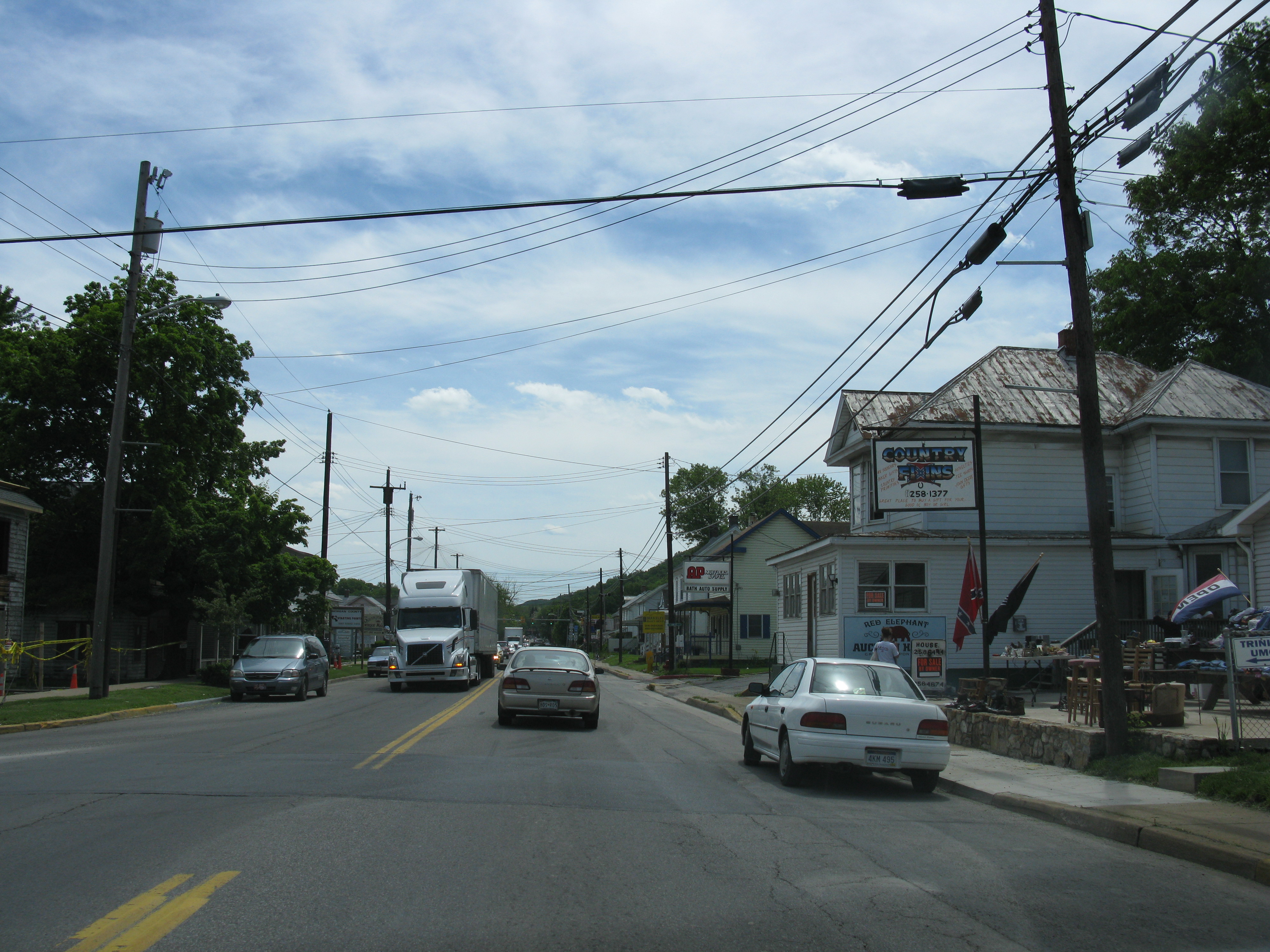
A Berkeley Springs cottage is financed as a West Virginia second-home or a West Virginia DSCR, not as a named Town of Bath loan and not as a ski note. Guests say Berkeley Springs. The incorporated town is the Town of Bath in Morgan County. AirROI’s Berkeley Springs file, updated 8 August 2026, prints a $3,213 median month, 41.8 percent occupancy, $39,580 typical year, $278 advertised daily rate, and a 2.9-night average stay. Those are vendor cells, and they are not a coverage ratio. They are not a sale price, and crest & Cove Creative markets listings. We do not underwrite notes. Ask a West Virginia-licensed lender; we are not quoting terms.
Theinvestmentpost already said one unit at $3,213 is a hard sell. This page is the lender conversation that follows that sentence.market reportholds the extract. Therulespost holds Ordinance 2024-03-08 and the Bath-versus-unincorporated Morgan split.startuppost holds the cash after the map. Read those before you stretch a payment around a porch photograph. A loan officer who has never opened the Bath license sheet is not a substitute for the clerk at 271 Wilkes Street.
If the loan only works when you annualize August, hide 41.8 percent occupancy, or treat $3,213 times twelve as a conservative year, it does not work on this file. Peak-three months are August, October, and December, and lows sit in February, March, and September. 51.2 percent of the sample already posts a two-night minimum. 36.1 percent posts thirty-plus, and 45.8 percent takes eight or more guests. Keep the house you will actually own. Then ask a West Virginia-licensed lender how a second-home or DSCR box treats that house. We are not quoting terms.
Second-home and DSCR are different West Virginia files
Most buyers land on one of two stacks. A conventional second-home loan is underwritten against personal income, credit, and reserves. Projected Airbnb rent is often discounted or ignored until there is a track record. A DSCR or investor product looks at the property’s rent relative to the payment stack the lender names. Those are product types, and they are not a Berkeley Springs franchise. They are not a Town of Bath overlay. Ask a West Virginia-licensed lender which box matches the nights you will actually sell. We are not quoting terms, rates, or a down-payment band.
Second-home classification is not a full-time short-term rental in underwriter eyes when the program still assumes personal use. Lenders increasingly ask whether the house will list on Airbnb or Vrbo. Misrepresenting intended use is mortgage fraud, not a technicality. If the plan is a nearly full calendar of weekend guests, say so and accept an investor or DSCR conversation instead of forcing a second-home affidavit that cannot survive the listing calendar. A file that says second home on Monday and 200 nights on Tuesday has two documents that cannot both be true.
Cash-out refinance or a HELOC against another property can fund a down payment or the startup stack when the equity is real. That path does not invent a local product and does not waive the Bath license. Do not borrow to buy throw pillows before you can list. Do not name a community bank as the town’s official lender. Portfolio desks exist in the broader market. Their terms are still that desk’s terms. Confirm them with a West Virginia-licensed lender the week you apply.
What $3,213 and 41.8 percent occupancy can tell a lender
Cite the extract in two sentences, dated, and typical annual revenue is $39,580. The median month is $3,213, and occupancy is 41.8 percent. ADR is $278, and revPAR is $122. Top-quartile months print $5,225, and top-decile months print $8,055 or more. Bottom-quartile months print $1,841, and average stay is 2.9 nights. Lead time is about 51 days, and put 8 August 2026 on the printout. A memo that uses only $39,580 is selling. A memo that uses only the top decile is selling harder.
Do not annualize $3,213 times twelve and call it conservative. September sits in the low band with February and March. August, October, and December are the peak-three.shoulderpost is that shape. If you show a lender one monthly number, show $3,213 and then show the floor. If you show one annual number, show $39,580 and then show 41.8 percent occupancy. A multiple of the median is still a multiple, not a year. Your own trailing twelve, if you have one, beats a vendor cell.
n equals 166, and professionally managed share is 33.1 percent. Superhost share is 65.7 percent, and entire-home share is 98.8 percent. Those category facts still do not make Cottage Rentals’ 28 listings or Tony’s 18 a comp for one porch. A 16-listing brand book is still not your cottage. The.property-managerpost is operations. This page only needs the discipline: like house, like published market year, like stay length. A 2.9-night weekend is not a 30-plus-night desk, and the.remotepost owns that other product.
One cottage at the median is a hard sell as standalone DSCR
One unit at $3,213 is a hard sell as a standalone DSCR. Say that before the rate conversation. 41.8 percent occupancy means more than half the available nights in the sample did not book. A payment that needs twelve copies of August will not survive contact with February. A payment that needs the top-decile $8,055 cell will not survive contact with the $1,841 bottom quartile. Keep the house, and Keep the month that floors. Then ask whether a DSCR desk will even treat a first-year porch as coverage.
On a purchase, many DSCR shops want a third-party rent schedule or an appraiser rent form rather than a best-month screenshot. On a refinance, twelve to twenty-four months of platform statements is a common ask. Hedge the month count. Ask the West Virginia-licensed lender sitting across from you. We are not naming a ratio floor, and we are not naming an LTV. We are not naming a rate, and those blanks belong to the desk. A blog sentence that fills them is already stale.
51.2 percent of the file already lives on a two-night minimum. That is a weekend machine, not a twelve-month lease. Cleaning median on the extract is $130, average $143, and 92.2 percent of listings charge it. Those are operating facts. They are not a debt-service constant. Model turns the way the house will actually turn. Do not hand a lender a T12 that treats every Saturday as Apple Butter. The festival weekend is one dated listings, not a year.
Two units or a documented top-quartile folio is the investor case
The honest investor case on this file is two units or a documented top-quartile folio, not one median porch asked to carry a full DSCR by itself. Top-quartile months print $5,225. That is still a vendor cell, not your rent roll, unless you can show a comparable house you actually operate. Two units means two licenses, two insurance quotes, and two trailing twelves. It does not mean $3,213 times two written on a napkin. The Bath sheet is one license per rental unit. Unincorporated Morgan is a different desk.
A three-plus-bedroom house is 67.5 percent of the sample. Eight-plus-guest stock is already 45.8 percent. Cloning another eight-guest porch is not a thesis, and it is not a second unit.who-bookspost is the guest mix. This page only needs the underwriting sentence: if the payment only clears when you assume you will outrun 45.8 percent of the file, the payment does not clear. Keep the beds you will own, and do not underwrite the mode.
If you already operate a comparable Bath or Morgan cottage, bring that folio. Date it, and show August and show September, and show the 2.9-night turns and the empty midweeks. A documented top-quartile book is a different conversation from a screenshot of someone else’s October. If you do not have that book yet, say you do not. A West Virginia-licensed lender can tell you whether the desk will accept a third-party schedule on a purchase. We will not invent that answer here.
A Town of Bath license is not a coverage ratio
Ordinance 2024-03-08 and the Short-Term Rental Info Sheet v5.24 are permission, not arithmetic. The town has printed a $200 non-refundable fee per rental unit. Hedge that dollar, and file at 271 Wilkes Street. Desk phones on the sheet are and, and one license per unit. No numeric cap appears in the facts this cluster locked. Leave out unverified one. AirROI’s “Low” or zero-licensed Keep is a vendor gauge. It is not the ordinance. Hand the lender the sheet and the GIS printout, not a screenshot of a traffic light.
Parcel first, and town of Bath is the green-in-limits map. Unincorporated Morgan , Sleepy Creek, Great Cacapon, most of the Cacapon ridge , is a different desk. Do not apply the Bath license county-wide, and Leave out unverified a county STR chapter. Occupancy tax is Morgan County 6 percent at Laura Breeden, , and Bath 6 percent at Scott Merki,. State sales tax is 6 percent. Town of Bath 1 percent municipal sales began 1 January 2025; hedge whether lodging nights sit in that base. Those lines are net-income haircuts, and they are not DSCR.
A 28-night stay is still an STR under Bath’s under-30-night license. Hedge the 30-plus line from the ordinance itself rather than from a platform toggle. 36.1 percent of the AirROI file already posts a 30-plus minimum. That product still needs the desk that matches the published market year. A lender who underwrites “Berkeley Springs” without Bath-or-Morgan language is underwriting a brand, not a parcel. Put the map on page one of the memo. The rules post is that map.
August, October, and December are the peak-three, not a ski calendar
Keep seasonality into the note discussion, not into a footnote. Peak-three revenue months are August, October, and December, and august is the peak. February, March, and September sit in the low band. Guests book about 51 days out. A payment that assumes twelve copies of August will not survive contact with the file. This is a spa-town plus Apple Butter plus a December cell. It is not a Snowshoe winter, and do not send a ski occupancy table. Do not dress a highland ski calendar as this ridge.
October has two products inside one month. The festival listings is October 9-11, 2026. Leaf weekends the same month are a different stay. Do not let a credit memo treat every October Saturday as the parade. Do not let it treat September as a cheap copy of October. September is already a low month on the extract. A lender who wants one October number still needs to hear that split. The shoulder post is the honest calendar a memo needs after the booths leave.
Insurance that names short-term rental belongs next to the rent schedule. Get the quote for the actual address and the actual occupancy plan. Leave out unverified a premium band, and do not paste a national average into the memo. A landlord policy written for a twelve-month tenant is not the same product as a policy that covers transient guests. If the carrier wants a different form, Keep that cost into the model before you lock anything. Empty-week reserve still matters when February is in the floor story.
What belongs in the package, and what this page will not invent
Put in: GIS printout with Town of Bath or unincorporated Morgan labeled. Therulespath you will follow. Proof you can license the unit you are buying to list. Insurance quote that names short-term rental, or a written carrier response if coverage is pending. Purchase contract and repair bids, and startup cash you will not finance twice. A rent schedule the lender asked for , third-party on purchase, trailing twelve or twenty-four on refinance when the desk wants history. Seasonality notes that name August, October, and December without inventing nightly rates.
Leave out: a brochure that annualizes Apple Butter, and a vendor “Low” license gauge as a permit. A county visitor-spend figure as income, and the.tourismpost is the place for destination spend, and even there the Morgan dollar Keep was not cleanly readable at draft. Statewide $6.6 billion traveler spending is West Virginia, not this porch. Do not divide a tourism number by 166 listings. Do not import a Jefferson County cell. Destination spend is not NOI, and it is not a coverage ratio.
This page will not invent an LTV, and it will not invent a rate. It will not invent a DSCR threshold, and it will not invent a local bank roster. It will not invent a purchase price. It will not name a broker as the official town lender. Ask a West Virginia-licensed lender; we are not quoting terms. A credit memo with honest blanks is better than a credit memo with a tourism total in the coverage cell.
How to talk to a West Virginia-licensed lender this week
Open with the town name and the published market year. “Town of Bath, or unincorporated Morgan, Ordinance 2024-03-08 if it is Bath, one license per unit.” Then the extract date and the peak-three. Then $3,213, 41.8 percent, $39,580, and the floor months. Then your own money: down payment, repairs, reserve for empty weeks. Then the tax stack as a haircut: Morgan 6 percent or Bath 6 percent, state sales 6 percent, municipal sales hedged. Then the product you are actually buying , second-home with real personal use, or DSCR on rent you can document.
Say the hard sentence out loud. One unit at the median is a hard sell as standalone DSCR. Two units or a documented top-quartile folio is the investor case. If the desk only smiles when you annualize August, you do not have a loan. You have a brochure. If the desk only smiles when the application says second home and the listing calendar says a full machine, you have two documents. Fix the product or fix the plan before you Keep an offer on a Fairfax Street porch.
the clerk if the portal and the PDF disagree before you let anyone talk about a lock. and are the Bath numbers on the sheet, and confirm the $200 line the week you file. Confirm insurance on the address. Confirm Maps and the calendar the week you submit, because 51-day lead time means a dark month after funding is a coverage fact. We will not quote the note, and a West Virginia-licensed lender will. Bring the file, not the flyer.
Related Reading
More Berkeley Springs, Town of Bath, Morgan County, and Cacapon reading already live on Crest & Cove.
The Mineral-Springs Town DC Actually Drives To: Berkeley Springs STR Report 2026
Berkeley Springs STR Rules: Town of Bath vs Unincorporated Morgan County
How to Market a Berkeley Springs Airbnb: Roman Baths, Not a Ski Town
DIY vs Hire in Berkeley Springs: Photos Against a 28-Listing Local Brand
Cottage Rentals 28 and Tony 18: Is an Agency Worth It in Berkeley Springs?
Is Berkeley Springs a Good Short-Term Rental Investment in 2026? One Unit at $3,213
A 28-Night Berkeley Springs Cottage for DC and Baltimore Remote Workers
Who Books a Berkeley Springs Cottage: Bath House, Cacapon, DC Weekend
Morgan County Tourism Spending and Berkeley Springs Hosts: What the Number Measures
The Complete Visitor's Guide to Berkeley Springs, West Virginia
What It Actually Costs to Start an Airbnb in Berkeley Springs, WV
Cacapon Resort and Prospect Peak: The Overlooks Page for Berkeley Springs Hosts
Pricing the Apple Butter Festival: A Berkeley Springs Host Calendar
A Berkeley Springs Weekend From Washington, DC: I-70 and US-522
Frequently Asked Questions
What do the $39,580 typical year and $3,213 median month mean for a Berkeley Springs DSCR file?
Both numbers come from AirROI's Berkeley Springs extract dated August 8, 2026, alongside a $278 average daily rate and 41.8 percent occupancy. The $39,580 figure is a typical active year; $3,213 is the median month, not that month multiplied by twelve. Treating $3,213 as a flat annual rate, or annualizing the strongest month instead, both overstate what this vendor sample actually supports.
Can one Berkeley Springs cottage carry a standalone DSCR loan at these numbers?
It depends on the file. At a $3,213 median month and 41.8 percent occupancy, a single unit is a thin case for a standalone DSCR loan; a stronger file typically pairs two licensed units or documents a top-quartile-performing property rather than leaning on one median month alone. The vendor sample describes the market, not a guaranteed number for any specific address.
What's the difference between a second-home loan and a DSCR loan for this property?
A second-home loan is underwritten against the buyer's own income, credit, and reserves, with the assumption that personal use is part of the plan. A DSCR or investor loan instead looks at the property's rental income relative to the payment the lender names. Misrepresenting how often the house will actually be listed to guests, rather than used personally, is a real underwriting problem, not a technicality.
Which months should a Berkeley Springs lender file treat as strong or weak?
The AirROI extract names August, October, and December as the peak-three months, with February, March, and September running lowest. A vacancy assumption that spreads the year evenly ignores that spread; naming the actual soft months, rather than applying one flat percentage across all twelve, gives a lender a more honest read on the file.
Does a Town of Bath short-term rental license prove the property cash-flows?
No. Ordinance 2024-03-08 licenses a unit to legally operate inside Town of Bath limits, at a $200 non-refundable fee per unit, address 271 Wilkes Street, but it doesn't establish what that unit actually earns. A license is a compliance requirement to confirm before closing, separate entirely from the AirROI revenue figures used in the DSCR or second-home analysis.
Does it matter whether a Berkeley Springs parcel sits in Town of Bath or unincorporated Morgan County?
Yes. Town of Bath and unincorporated Morgan County are different desks with different requirements, and Ordinance 2024-03-08's licensing terms apply specifically inside town limits. Confirming which jurisdiction the parcel actually sits in, rather than assuming, is one of the first steps before licensing or lender paperwork can move forward.
Does county tourism spending count as rental income on this file?
No. Broader Morgan County visitor spending describes what guests spend across the county's economy, not documented revenue for a specific listing, and it doesn't belong on a DSCR income line. The AirROI extract's $39,580 typical year and $3,213 median month are the property-level figures a lender should be working from instead.
Is this a ski-town or resort financing story?
No. Berkeley Springs's peak months are August, October, and December, not a winter ski calendar, and the market's identity centers on the mineral springs and events like the Apple Butter weekend rather than a highland ski season. A file that borrows a ski-town occupancy pattern to justify these numbers isn't describing this market.
What should a buyer bring to a West Virginia-licensed lender for this property?
The dated AirROI extract with its median month and occupancy figure, GIS confirmation of whether the parcel sits in Town of Bath or unincorporated Morgan County, an insurance quote that specifically names short-term rental use, and a seasonality plan that treats February, March, and September as the soft months rather than averaging them away. A West Virginia-licensed lender can then confirm how a second-home or DSCR product actually treats the file.
Work with Crest & Cove Creative
A Berkeley Springs listing that borrows ski-town seasonality copy is describing the wrong calendar. This cottage's real peak sits in August, October, and December, driven by mineral springs visits and the Apple Butter weekend, not snow.
We write Berkeley Springs listing copy and seasonal pricing notes around the mineral-springs calendar this cottage actually keeps, not a borrowed resort script. Guests should see August, October, and Apple Butter weekend—not a ski-town costume.
Reach out at crestcove.co or (256) 998-7502.


Comments