
Case: The Remote Owner With Weak Photos (And What Actually Fixed the
- Thomas Garner

- Aug 20
- 11 min read
Updated: 1 day ago
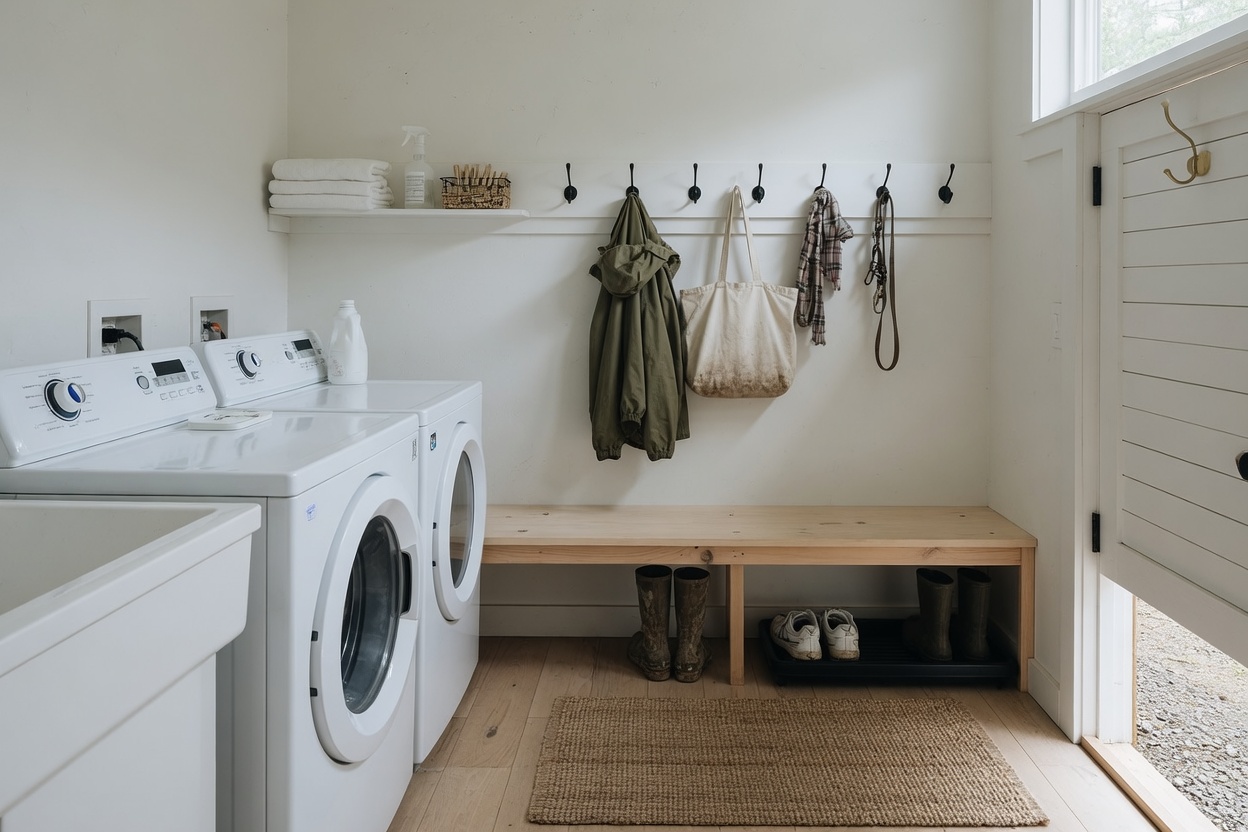
An owner who lives four states away logs into the dashboard, notices bookings have cooled, and reaches for the fix that's easiest to picture: sharper photos, a punchier headline, a warmer welcome paragraph. None of that instinct is wrong on its own. In the case below, it also wasn't the actual problem — and the gap between what the owner assumed was broken and what was actually broken is common enough among remote hosts to be worth walking through in detail.
This case is a useful teaching example precisely because the listing wasn't a disaster. The photos were two years old but still solid — bright, well-composed, shot by a local photographer before the property's first season. The title and description read fine on a screen. Nothing about the listing looked obviously broken to someone scrolling past it. The actual problem was living somewhere the owner rarely looked: the guest message thread. This is not legal advice.
The Property: Fine on the Surface, Confused Underneath
The listing belonged to a self-managed three-bedroom house, owned by someone who checked the dashboard maybe twice a week between other obligations. Nearly every new guest was asking one of the same three questions within 24 hours of booking: what time can we check in, where exactly do we park, and which night is trash night. None of those answers lived anywhere a guest could find them without asking. They existed in the owner's head, in a text template sent manually after each reservation, or nowhere at all.
Guests who didn't bother asking just guessed — parking in the wrong spot, leaving the bin out on the wrong day — and some of those guesses turned up as a passing mention in a review. Nothing dramatic, nothing that tanked the rating, but the kind of small friction that adds up across a season and quietly caps how many five-star reviews mention an easy, well-run stay instead of a minor mix-up.
It's worth naming why this particular failure mode is so easy to miss from a distance: none of the three repeat questions were the kind of thing that shows up as a formal complaint. A guest who parks in the wrong spot and gets a polite note from a neighbor doesn't file a support ticket. A guest who leaves the trash out a day early doesn't leave a one-star review over it. Each individual incident is small enough to shrug off, which is exactly how the pattern survived undetected for as long as it did — there was never a single moment dramatic enough to force the owner to go looking for the actual cause.
The owner's read on slowing bookings was to consider a new hero photo and a rewritten welcome paragraph. That instinct would have made the listing sound better without touching what guests were actually confused about — which is the trap a lot of remote owners fall into. Because you're not on-site absorbing the small friction firsthand, it's easy to keep polishing what you can see from a laptop, the words and the pictures, while the real gap sits in the boring operational details nobody enjoys writing down.
What Actually Needed Fixing First
The fix wasn't a new tagline. It was moving four pieces of information that already existed somewhere — just not on the public listing — into the two places guests actually read before and during a stay: the about section and the house rules box.
In practice, that meant naming check-in time in the same sentence as quiet hours, so a guest reads both together instead of hunting across two different tabs of the listing. It meant writing a specific parking instruction — 'park in the gravel pad to the left of the garage, not on the street' — instead of the generic 'parking available' that told a guest nothing about where to actually put their car. It meant naming the real weekly trash day instead of leaving that detail out entirely. And it meant a quick check that the first photo in the gallery actually matched what a guest sees walking through the front door, with nothing that oversold a view or a feature the house didn't have.
None of this required new photography or a rewritten brand voice. It required roughly an hour with the listing editor and a willingness to write plain, specific sentences instead of atmospheric ones. The welcome paragraph stayed almost exactly as it was.
Five Mistakes That Show Up in Nearly Every Version of This Case
This scenario repeats often enough that the same five mistakes tend to show up in roughly the same order. The first is rewriting the welcome paragraph or headline while the house rules section stays vague — spending effort on the part guests read before booking, while leaving untouched the part that actually prevents complaints once they've arrived.
The second is drafting better copy in a notes app or a shared document and never actually pushing it to the live listing. The fix exists somewhere, technically, but only the owner has ever seen it. The third is letting guest messages sit unanswered for a day or two while working on the 'bigger' project of rewriting the whole listing; a guest with an open question doesn't care that a nicer paragraph is coming next week.
The fourth mistake is guessing numbers to justify a rewrite — a claimed booking lift, an assumed search-ranking boost — when nobody has actually tracked whether the change did anything at all. The fifth is trying to fix everything in one sitting: title, photos, about section, and house rules all at once, which usually means the owner runs out of steam halfway through and the listing ships half-updated, sometimes in a worse state than before the attempt started.
The Real Pattern: Confident Copy, Undocumented Operations
What connects most versions of this case is a mismatch between how a listing sounds and what it actually tells a guest to do. A well-written welcome paragraph builds confidence before a guest books. But confidence without specifics just moves the confusion later — into the message thread, or into a guest who never asks and instead leaves a review mentioning something they wish they'd known going in.
Reviews are a useful diagnostic for spotting this pattern. A review that reads 'not quite as described' or 'wish we'd known about parking' isn't a photography problem or a tone problem. It's a documentation gap. The fix is almost always smaller and less glamorous than a new brand voice — it's naming the specific facts a guest needs before they need them, in the two places on a listing where guests are actually looking for them.
When a Listing Doesn't Need This Kind of Pass
Not every listing needs this treatment, and it's worth saying so plainly. If new guests aren't repeating the same questions, if response time is staying reasonable, and if reviews aren't flagging surprises about the property, the listing is probably doing its job as written. Spending more time rewriting copy that already works is effort better spent elsewhere — updating seasonal photos, adjusting pricing for the coming quarter, or simply leaving well enough alone.
The signal to actually watch for isn't a vague feeling that the copy could sound punchier. It's a pattern in the inbox. If the same question keeps arriving from different guests who've never talked to each other, that's the listing telling you exactly what it's missing — and it's a far more reliable signal than a hunch about tone.
A 30-Day Check Any Host Can Run Without Waiting on Booking Data
This check doesn't require occupancy numbers or a revenue report, which makes it usable even for a newer listing without much booking history yet. Once a month, read back through the last 30 days of guest messages and note which questions came up more than once. Then open the live listing next to that list and check, line by line, whether each answer is actually written down somewhere a guest would see it before they'd need to ask.
For anything missing, add one plain sentence to the about section or the house rules box, and note the date next to it. That date matters more than it seems — it's how you tell, a few months out, whether a specific fix actually reduced the repeat questions instead of just assuming it worked. If a question keeps showing up after the fix goes live, the wording probably isn't specific enough yet, and that's worth a second, more concrete pass rather than a shrug and moving on.
Why This Is Harder to Catch for a Remote Owner Specifically
An on-site or nearby host tends to catch this kind of gap almost by accident — they hand a key to a confused guest standing in the driveway, or they get a phone call at 9pm asking where the trash cans are, and the friction registers immediately because it happened in front of them. A remote owner checking a dashboard from four states away only sees the aftermath, if they see it at all: a slightly lower review score, a booking pace that feels softer than it should, a guest message thread that reads as routine customer service rather than as a pattern worth diagnosing.
This is why the instinct to reach for a marketing fix is so understandable. From a distance, the listing itself — the words, the photos, the layout — is the only part of the operation a remote owner can actually see and evaluate directly. The operational gaps are invisible until someone goes looking for them specifically, which is exactly why a scheduled monthly review of the message thread matters more for a remote owner than it would for someone living down the street from their own rental.
What This Case Doesn't Argue
This case isn't an argument that photography, headlines, and welcome copy don't matter — they do, and a genuinely weak, dark, or outdated photo set will suppress bookings regardless of how well the house rules are written. The point is narrower: in this specific case, the photos and copy were already doing their job of getting guests to book, and the actual leak was downstream of that, in the operational details a guest only discovers after committing to the reservation.
The practical takeaway for a remote owner auditing their own listing is to check both layers separately rather than assuming a problem in one implies a problem in the other. A listing can have excellent marketing copy and a broken operational layer at the same time — and fixing the wrong layer first, however well-intentioned, leaves the actual source of guest confusion untouched while the owner spends time and sometimes money solving a problem that didn't exist.
A Simple Order of Operations for Any Remote Owner
Given how often this pattern repeats, it's worth having a default order to work through rather than guessing which layer needs attention first. Start with the message thread: pull the last month or two of guest conversations and separate genuine complaints from routine logistics questions that happen to repeat. That single step usually reveals whether the operational layer is doing its job before a single dollar gets spent on anything else.
Only after that check comes back clean — no repeat questions, no recurring review mentions of surprises — does it make sense to shift attention to the marketing layer: photos, headline, welcome paragraph, and how the listing reads against comparable properties nearby. Doing it in this order costs nothing extra and prevents the common failure mode of spending a photography budget or a rewrite session on a listing that was never actually confusing guests to begin with. For owners managing more than one property, running this same two-step check across each listing on a rotating monthly schedule keeps the operational layer from quietly drifting out of date as house rules, parking arrangements, or trash pickup days change over time.
It's also worth building in a light version of this check any time something changes on the ground — a new trash contractor with a different pickup day, a repaved driveway that shifts where guests should actually park, a lockbox swapped for a smart lock with a different code format. Each of those changes is small enough that it's easy to update the physical reality of the property without remembering to update the listing text that describes it, and that's precisely the kind of quiet drift that turns a listing which used to be accurate into one that's slowly generating new versions of the same repeat-question problem this case started with.
Related Reading
More independent-host case-method teaching reading already live on Crest & Cove.
Frequently Asked Questions
What's the difference between a marketing rewrite and an operational fix on a listing?
A marketing rewrite changes how the listing sounds — the headline, the welcome paragraph, the tone. An operational fix adds or corrects information a guest actually needs to act on, like check-in time, a specific parking spot, or trash day. Both can matter, but only the operational fix stops guests from asking the same question every single week.
Why didn't better photos or a new headline fix this listing's problem?
Because the bookings weren't slowing due to how the listing looked on a screen — they were slowing, or at least the reviews were getting quietly dinged, because guests were arriving without answers to basic logistical questions. A sharper photo doesn't tell a guest where to park or when trash goes out.
What are the five most common mistakes hosts make when 'fixing' a listing?
Rewriting the parts guests see before booking while leaving the house rules vague; drafting better copy but never publishing it to the live listing; letting guest messages sit unanswered while working on the bigger rewrite; inventing performance numbers no one has actually tracked; and trying to overhaul the entire listing in one sitting instead of shipping smaller fixes one at a time.
How do I know if my listing is already good enough as it stands?
If new guests aren't asking repeat questions, your response time is staying reasonable, and reviews aren't mentioning surprises about the property, the listing is doing its job. At that point, further rewriting is optional polish rather than a fix for something actually broken.
What should a monthly listing check actually look at?
Read back through the last 30 days of guest messages and note any question that came up more than once. Compare that list against what's actually written into the about section and house rules. Anything missing gets added, with the date noted, so you can tell later whether the fix reduced repeat questions or not.
Does rewriting a listing help if guest messages are still going unanswered?
No. Better-written listing copy doesn't substitute for a timely reply. A guest with an open question is still waiting on an answer regardless of how good the welcome paragraph reads. Keeping the inbox current has to come first, with listing copy treated as a separate, ongoing project.
Does polishing the copy actually move search ranking or booking rate on its own?
Not reliably, and not in a way that should be claimed without tracking it. Clearer, more specific copy tends to reduce repeat guest questions and can support conversion, but there's no fixed formula or guaranteed ranking effect tied to any particular phrase or rewrite.
Why do remote owners specifically fall into this trap?
Because they're not on-site absorbing the small friction firsthand — the confused text at check-in, the guest circling the driveway looking for parking. It's easy to keep polishing what's visible from a laptop, the words and the photos, while the real gap sits in the boring operational details nobody enjoys writing down until a pattern in the inbox forces the issue.
What did the actual fix in this case cost in time and money?
Roughly an hour with the listing editor. No new photography, no rewritten brand voice, no paid consultant — just moving four pieces of information the owner already knew into the about section and house rules box where a guest could actually find them before asking.
Should I still eventually update my photos if they're getting older?
Sure, aging photos are worth refreshing on their own schedule. The point of this case isn't that photos never matter — it's that a photo refresh wasn't the fix for the specific problem this listing had, and spending the budget there first would have left the actual friction untouched.
What's the single best early-warning sign that a listing has this kind of gap?
A repeated question from unrelated guests who have no way of coordinating with each other. If three different bookings across two months all ask about parking, that's not coincidence — that's the listing failing to answer a question it should be answering on its own.
Work with Crest & Cove Creative
The photos weren't the problem. Guests were still asking where to park after the owner had already convinced themselves the fix was a new hero image.
If your listing sounds great but guests keep asking the same three questions, send us the live link — reach Crest & Cove Creative at crestcove.co or (256) 998-7502. Name the failure mode the guest can check on the listing.
Reach out at crestcove.co or (256) 998-7502.


Comments