
Pick the Lake-Town Overnight or the Resort One, Not Both

Updated: Aug 27
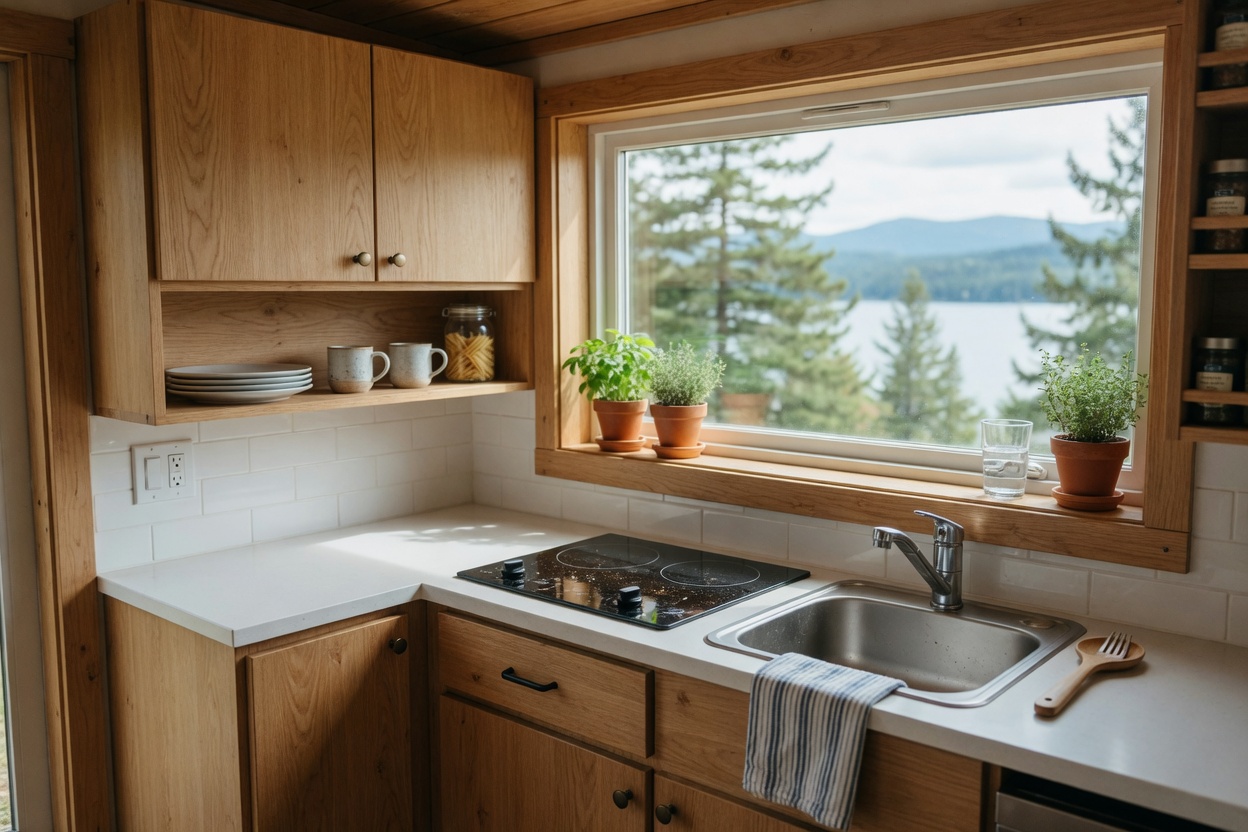
Hosts near a lake town that also sits within driving distance of a bigger resort corridor get sold one costume constantly: language that borrows the resort's energy, nightlife, and polish for a listing that actually sits in the quiet lake town, with none of the resort's proximity or amenities to back it up. The listing ends up promising Friday-night resort energy and delivering Monday-morning lake calm, and neither guest gets what they were sold.
This page makes the case for picking one product and describing it honestly: the lake-town overnight the house can actually keep, or a resort-adjacent product if the house genuinely has the access and amenities to support that positioning. Blending the two into a single soft regional brochure serves neither guest and wastes the marketing effort spent producing it. This is not legal advice.
Why the blend happens
The blend usually starts with good intentions: a host wants to reach the widest possible audience, and resort language feels like it casts a wider net than the more modest, specific language of a quiet lake town. Borrowing a little resort energy seems like it can only help, since it costs nothing to add a sentence about nightlife or energy even if the house itself does not offer either.
The problem is that guests booking a resort experience and guests booking a lake-town experience are looking for genuinely different things, and a listing trying to serve both ends up being the second choice for each of them rather than the first choice for either. A guest who wanted resort energy arrives to find a quiet lake driveway. A guest who wanted lake-town quiet arrives half-expecting nightlife that never existed at this specific address.
The fix is not choosing the more exciting-sounding product regardless of fit. It is an honest listing stock of what the house actually offers: a real dock or a real downtown walk versus resort-adjacent access with a labeled drive time to whatever nightlife or amenities exist nearby. That listing stock should decide the product, not which one sounds better in a listing title.
This listing stock is worth writing down explicitly rather than reasoning through it informally, since informal reasoning is exactly how the blend crept in the first place. A short list, what the house genuinely offers on foot, what it offers by car with a specific drive time attached, and what it does not offer at all, gives you something concrete to check every field of the listing against.
Naming the product in the three fields that matter most
The title, the about section, and the first photo need to agree on one product, because these are the three places a guest forms their first real impression, and disagreement among them is what creates the costume problem. If the title says quiet lakeside retreat and the first photo shows a resort-style pool scene, a guest has already received two contradictory promises before they have read a single sentence.
For a genuine lake-town product, the title should name the actual lake or town, the about section should describe the real walk to the dock or downtown, and the first photo should show that walk or that water honestly, not a wider or more dramatic version of it than actually exists. Quiet is a real selling point when it is true; it is a liability when the rest of the listing promises something louder.
For a genuine resort-adjacent product, the same three fields need to name the actual drive time to the resort corridor, describe what that access genuinely offers versus what stays exclusive to resort guests, and show photos that represent the house itself rather than borrowed images of the resort corridor's amenities. Access is the honest sell here, not proximity dressed up as belonging.
Keeping market figures on separate, labeled lines
When quoting any published market report, a lake-town year and a resort-corridor year need to stay on their own labeled lines, never averaged or blended into a single figure that describes neither market accurately. A blended number, even an unintentional one produced by rounding two different reports together, misrepresents both markets and any decision made from it.
This matters most for underwriting and planning purposes, where a buyer or a host comparing the two products needs to know which specific report a figure came from and which specific town or corridor it describes. A figure presented without that label is not usable for a real decision, no matter how precise the number itself looks.
On the public listing itself, no market figure needs to appear at all in most cases. The listing's job is to describe the house honestly, not to cite regional performance data to a guest who is deciding whether to book a specific stay. Save labeled comparisons for underwriting notes and internal planning, not for guest-facing copy.
Using neighbor comps for underwriting, not for the public listing
A resort corridor's stronger comps can be genuinely useful context for a host or buyer thinking about long-term positioning, whether to lean further into a resort-adjacent identity over time, whether to invest in amenities that would support that shift. That is legitimate underwriting-level analysis, and it belongs in planning conversations, not in the words a guest reads before booking.
The failure mode is letting that underwriting context leak into guest-facing language, so that the listing starts describing a resort-adjacent experience the house has not actually built yet, based on what a comp town's numbers suggested might be possible someday. Guests book what exists today, not what a comp analysis suggests could exist eventually.
Keep these two conversations physically separate: a planning document or spreadsheet where comps and blended thinking are appropriate, and the listing itself, where only the current, honest product gets described. Crossing them is how a lake-town listing quietly becomes a resort costume without anyone deciding that on purpose.
A practical habit that helps enforce this separation is naming the document itself clearly, an internal underwriting notes file versus the actual listing draft, so nobody accidentally copies a sentence from one into the other during a rewrite. This sounds trivial, but a surprising share of blended listings trace back to exactly this kind of accidental copy-paste between a planning document and the public page.
Correcting a listing that has already drifted into the blend
Start with the first photo, since it sets the expectation everything else either confirms or contradicts. If the current hero image shows a resort-style amenity or a dramatically wider view than the house itself offers, replace it with an honest photo of the actual walk, dock, or drive-time access the house genuinely has.
Move to the title and the first line of the about section next, checking each for language borrowed from the resort corridor rather than describing the specific address. "Steps from the action" on a listing with a real thirty-minute drive to that action is the exact costume pattern this page is arguing against, and it needs to be replaced with the honest drive time, labeled plainly.
Finally, check the house rules and any calendar messaging for the same drift. A listing selling nightlife energy while quiet hours start at 9pm creates exactly the mismatch that produces a frustrated guest and a pointed review. Every field needs to describe the same single product, not a version of the house optimized separately for each section.
The anti-patterns worth checking against your own listing
Putting a resort costume on a lake-only driveway is the headline anti-pattern, but it shows up in smaller forms too: pasting peak-season resort-corridor language onto what is actually a soft lake-town shoulder season, selling nightlife energy while the house's own quiet hours contradict it, or blending comps into a single figure that describes neither market honestly.
Pausing real inbox work, unanswered guest questions, to build a wider regional brochure comparing the lake town and resort corridor is another version of the same mistake covered elsewhere on this site: comparative research is not urgent, an unanswered guest message is. Do not let a comps deck displace a reply that is actually due today.
The through-line across all of these is the same: sell only this address's overnight, honestly, and keep any wider comparative or regional thinking in planning documents where it belongs rather than in the words a guest reads before deciding whether to book.
The 30-day split check
Thirty days after making this correction, read the title, the about section, and the first photo together as a single guest would, in sequence, and ask whether they describe one coherent overnight or still hint at two different products layered on top of each other. If any field still borrows language from the wrong product, that field needs another pass.
Watch the inbox specifically for questions that suggest a guest expected something the house does not offer, nightlife proximity, resort amenities, that were not actually promised once the correction was made. A drop in that specific type of question is a real signal the split worked, more meaningful than a general sense that the listing reads better now.
If the questions persist, the correction was likely incomplete rather than wrong in direction, most often a single lingering line in the house rules or a caption that still borrows resort language. Go back through each field individually rather than assuming the whole listing needs a fresh rewrite from scratch.
What changes if you later decide to shift products
Some hosts genuinely do move from one product to the other over time, adding amenities that support a more resort-adjacent positioning, or, less commonly, scaling back toward a quieter lake-town identity after finding the resort-adjacent guest a poor fit for the house. This kind of shift is legitimate, but it needs to happen deliberately, not by accumulating a few new sentences here and there until the listing has drifted without anyone deciding to move it.
If a genuine shift is underway, treat it as a full redo of the three key fields, title, about section, first photo, rather than a partial edit layered onto the old product's language. A half-shifted listing, still carrying old lake-town specificity alongside new resort-adjacent claims, recreates exactly the blend problem this page is arguing against, just with newer sentences.
Update house rules and calendar messaging at the same time as the repositioning, not afterward. A listing that markets itself as resort-adjacent while quiet hours and cancellation policies still reflect a quiet lake-town operation sends mixed signals to a guest trying to understand what kind of stay they are actually booking.
A note for hosts near more than two possible identities
Some houses genuinely sit within range of more than a simple two-way choice: a lake town, a resort corridor, and perhaps a third distinct draw, a wine region, a historic downtown, all within a similar drive time. The same discipline applies regardless of how many neighbors are in range: pick the one honest overnight the house can actually deliver, and treat every other nearby draw as labeled context rather than blended marketing.
Resist the urge to mention every nearby attraction in the title or about section simply because they are all technically accessible. A listing trying to be the gateway to three different experiences at once ends up sounding like it belongs to none of them specifically, which is the same costume problem in a slightly wider form.
If a specific guest segment genuinely values multiple nearby draws, that context belongs deeper in the about section, after the core product has already been named clearly, framed as a bonus rather than the headline. A guest who already understands what overnight they are booking can appreciate a mention of nearby options; a guest who is still confused about the core product cannot.
Related Reading
More independent-host reading on honest overnight positioning, hire decisions, and listing basics that still match arrival.
Frequently Asked Questions
How do I decide whether my house is a lake-town product or a resort-adjacent product?
Start with an honest inventory of what the house actually offers: a real dock or a real downtown walk points toward a lake-town product, while genuine, reasonably close access to a resort corridor's amenities points toward resort-adjacent. The decision should follow from what exists today, not from which description sounds more appealing to write.
Is it ever okay to mention a nearby resort corridor in my listing?
Yes, if it is described honestly, including the actual drive time, and framed as access rather than proximity or belonging. "A twenty-five-minute drive to the resort corridor" is honest. "Steps from the action" on a house that requires a real drive is the costume pattern this page argues against.
Should I average lake-town and resort-corridor market data since they're near each other?
No. Averaging or blending figures from two different markets produces a number that describes neither one accurately, and it is not usable for real pricing or underwriting decisions. Keep any published figures on separate, clearly labeled lines naming the specific town or corridor and year they come from.
My listing already blends both products. What's the first thing to fix?
Start with the first photo, since it sets the guest's initial expectation more than any other field. Replace anything that shows a resort-style amenity or a wider view than the house actually offers with an honest photo of the real access, dock, or walk the house genuinely has, then move on to the title and about section.
Can I use resort-corridor comps to help price my lake-town listing?
Comps can be useful for underwriting-level planning conversations about long-term positioning, but they should not appear in guest-facing pricing or copy. Keep comp analysis in planning documents, and let the public listing describe only the current, honest product a guest will actually experience.
What if my house rules contradict the product I'm trying to sell?
Fix the house rules to match the product, not the other way around. If you are selling lake-town quiet, quiet hours need to be real and enforced. If you are selling resort-adjacent access, house rules should not contradict the kind of guest that positioning is likely to attract. A mismatch here creates the same costume problem as mismatched photos.
How do I know if a guest complaint traces back to this specific blend problem?
Watch for complaints that mention expecting something the house does not offer: nightlife proximity, resort amenities, a shorter drive than what actually exists. That specific pattern, rather than general dissatisfaction, is the signal that the listing is still promising a product the house is not delivering.
Does this apply to mountain towns near a bigger resort the same way it applies to lakes?
The same logic applies to any quiet, specific destination sitting within driving distance of a larger, louder resort corridor. The product-split discipline, naming one honest overnight instead of blending two, works the same way regardless of whether the quiet product is a lake town, a small mountain town, or another kind of specific local destination.
Is it a mistake to build a comparison deck between the lake town and the resort corridor?
Not inherently, but it becomes a mistake if it displaces answering real guest messages, since that comparison work is not urgent in the way an unanswered inquiry is. Treat it as scheduled, bounded planning work, and keep it separate from copy that actually appears on the public listing.
How often should I re-check whether my listing has drifted back into the blend?
Every thirty days is a reasonable cadence, reading the title, about section, and first photo together as a guest would. Drift tends to happen gradually, one added sentence or one swapped photo at a time, so a regular, deliberate check catches it before it accumulates into a full costume again.
Work with Crest & Cove Creative
A listing that borrows resort energy for a house that only offers lake-town quiet ends up as the second choice for both kinds of guest, instead of the first choice for either one. Name the failure mode the guest can.
Crest & Cove Creative rewrites the title, about section, and first photo to name one honest overnight, lake-town or resort-adjacent, so the listing stops competing against itself for two different guests it cannot actually serve. Name the failure mode the guest can check on the listing.
Reach out at crestcove.co or (256) 998-7502.


Comments