
How to Turn Real Guest Stays Into STR Marketing Case Studies

Updated: Aug 28
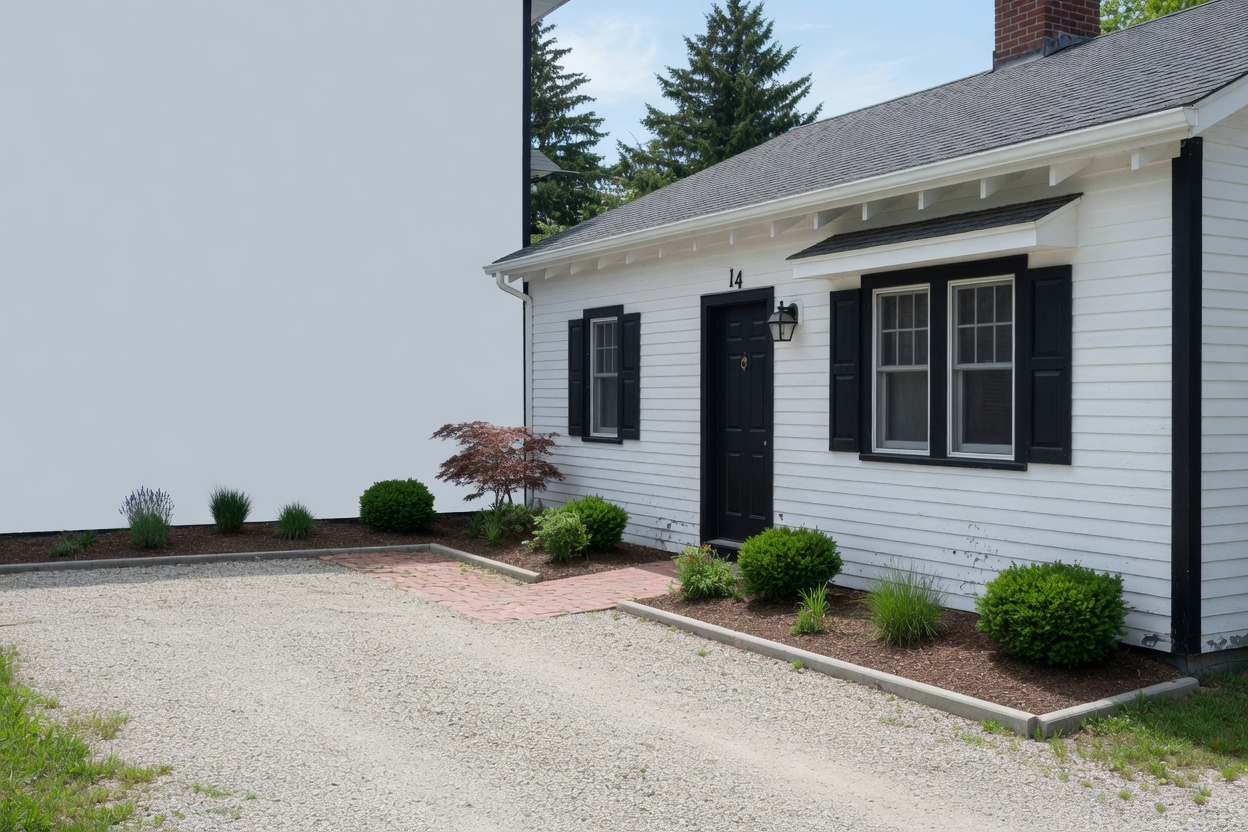
A guest walks up your driveway, checks in without a hitch, and leaves a five-star review that mentions the exact thing you promised in your listing. That is a case study, a real, specific, verifiable stay that proves your marketing is true. Most short-term rental marketing skips this step and reaches for a slogan instead: “luxury retreat,” “unforgettable getaway,” “your home away from home.” None of those phrases describe a single real thing a guest experienced, and none of them survive contact with a guest who arrives expecting one house and finds another.
This is the difference between marketing copy that sells a stay once and marketing copy that keeps selling it, review after review, season after season. A composite case study, a short, specific account built from a real stay, does more for an independent host's booking rate than another round of generic adjectives. Here is how to build one, where to use it, and how to keep it honest.
What a Case Study Actually Is for a Short-Term Rental
A case study, in the context of your listing, is not a testimonial slapped on a webpage. It is a specific, checkable claim tied to one part of the guest experience: the walk from the driveway to the front door, the way the kitchen is stocked, how fast you answered a 10 p.m. message about the thermostat, or how clearly your house manual explained trash pickup. The test is simple: could a guest who stayed with you read this line and nod, because it happened to them exactly as written?
Contrast that with a slogan. “Unmatched hospitality” is not checkable. “We replied to your message about the hot tub within twenty minutes, at 11 p.m., on a Saturday” is checkable, because it is a specific event a specific guest can confirm. The second version does more marketing work in fewer words, because it gives a future guest a concrete reason to believe you, not just a claim to take on faith.
This matters more for independent hosts than for large hospitality brands. A regional or global brand can lean on scale and name recognition. A single host with one or two properties is selling trust directly, one listing page and one review thread at a time. A specific, real case study is the fastest way to build that trust with someone who has never met you and is deciding, from their phone, whether to hand you a deposit.
Why Generic Taglines Fail Where Real Details Work
Generic marketing language fails for a structural reason, not a style reason: it makes a promise the house has to keep, and the promise is vague enough that almost nothing satisfies it, and almost anything can violate it. If your listing says “a peaceful mountain escape” and a guest hears road noise from a nearby highway, they feel misled, even if the house is objectively lovely, because the word “peaceful” was never anchored to anything you actually controlled or described.
Specific details do the opposite. If your listing says “the back deck faces the tree line, and the nearest paved road is a quarter mile away, so evenings are quiet after about 8 p.m.,” a guest arrives with the correct expectation. They are not comparing your house to an abstract fantasy of “escape”; they are comparing it to a specific, accurate sentence you wrote, and the house matches the sentence. That match is what shows up in reviews as “exactly as described,” which is one of the strongest trust signals a listing can carry.
There is also a practical inbox reason to prefer specifics. Vague marketing generates vague expectations, and vague expectations generate more pre-arrival questions, about noise, about parking, about what “charming” actually means in square footage. Specific, real details answer those questions before they are asked, which is one of the more overlooked ways good marketing copy also reduces your response-time burden.
Building One Case Study From a Real Guest Stay
Start with your own booking history and reviews rather than your imagination. Look for a stay where something specific and true stood out: a guest who arrived early and you had the house ready, a guest who asked about local trail access and got a real answer within the hour, a guest who mentioned in their review that the check-in instructions were the clearest they had used all year. These small, verifiable moments are the raw material.
Turn one moment into two or three sentences: what the guest needed, what actually happened, and the outcome in the guest's own words if you have it in a review. Keep it dated in your own notes, even if the published version does not carry a date, so you always know the case study is tied to a real event and not a composite you have started to embellish over time. If a detail changes, you swap out the grill, the check-in code system changes, quiet hours get adjusted, update or retire the case study. A case study describing an amenity you no longer offer is worse than no case study at all.
Resist the urge to stack several unrelated case studies into one paragraph. One clear, specific example that a guest can verify against your actual listing is worth more than five vague ones layered on top of each other. If you cannot point to which part of the house or which policy a claim is describing, it is not ready to publish yet, hold it until you can.
Where to Use a Case Study Across Your Listing and Booking Site
The listing description itself is the first and most valuable place. A single specific sentence, placed near the top where guests actually read, does more than a paragraph of adjectives buried below the fold. The house rules section is another natural home for specifics: instead of a generic “respect quiet hours,” name the actual hours, and if you have a real example of how that policy played out well for a guest, say so briefly.
On a direct booking website, a short case-study section works well as social proof next to your call to action, more effective than a wall of five-star star ratings with no context, because it gives a hesitant guest a specific reason to trust the booking rather than just a number. Email confirmations and pre-arrival messages are another underused spot: a one-line reminder of something specific and true about the property (“the gravel driveway is steep, low clearance vehicles should park at the top”) prevents a support message later and reads as thoughtful rather than corporate.
Wherever you place it, match the case study to the part of the guest journey it addresses. A note about parking belongs near check-in instructions, not buried in an “about the area” paragraph. A note about response time belongs in your listing's opening lines, where a guest is deciding whether to trust the host at all, not tucked into the amenities list where it will not be read until after booking.
Common Mistakes Hosts Make With Case Studies
The most common mistake is publishing a case study that the house no longer supports, a claim about a hot tub that has since been removed, or a response-time promise the host has quietly stopped keeping during a busy season. The fix is a simple habit: any time you change something about the property or your own availability, scan your listing and booking site copy for anything that referenced it, and update or delete that line the same day.
A second mistake is inventing specifics instead of drawing them from a real stay. A number that sounds precise, a percentage, a ranking, a guaranteed response time you have never actually tested, is not a case study if it is not true and checkable. If you do not have a real example for a claim you want to make, either go find one in your booking history and reviews, or leave the claim out. A vague-but-honest listing beats a specific-but-fabricated one, because guests find out either way, and a fabricated specific costs you more trust than a generic one ever did.
A third mistake is letting case studies and marketing tasks crowd out guest communication. A well-written case study is worth nothing if the guest who is messaging you right now about a locked door is left waiting while you polish a paragraph. Keep the priority order simple: answer real guests first, write about past guests second.
A Simple Monthly Check for Your Own Listing
Once a month, read your own listing, house rules, and booking site as if you were a first-time guest who has never seen the house. For every specific claim, about quiet hours, parking, amenities, response time, or anything else, ask whether it is still true today, and whether you could point to a recent, real stay that backs it up. Anything that fails either test gets updated or removed.
This is a small habit, ten or fifteen minutes, but it is the difference between a listing that keeps compounding trust with every stay and one that slowly drifts out of sync with the actual house. Reviews are the record of whether your marketing matched reality; read a handful of your most recent ones during this check and see whether any guest mentioned something that contradicts what your listing currently says.
Frequently Asked Questions
What is a composite case in STR marketing teaching?
A composite case blends details from more than one real listing so hosts can study a failure mode without outing a neighbor. Keep each borrowed detail labeled as borrowed, and keep the overnight promise tied to what your own driveway can deliver. Use the composite to show a title, photo order, or house-rules jam that repeats across towns, then rewrite only the lines that match your unit. Hosts learn faster from a clear before-and-after than from a costume story that invents a market they never ran.
Why use composites instead of naming a live listing?
Naming a live listing can expose a host or invent drama the driveway never kept. Composites let you teach the marketing failure without turning a real calendar into a public case file. Keep the lesson on copy, photos, and rules a skeptical host can test this week. If you need a neighbor town as contrast, label that town as a neighbor example instead of merging two desks into one fake market. That keeps teaching useful without burning trust with owners who still operate those homes.
What should a composite case never fabricate?
A composite case should never fabricate occupancy, ADR, or managed-share figures unless the essay already carries them with a labeled source year. Teach with structure and failure modes, not costume math pasted from another town. Fabricate nothing a buyer or guest would treat as market fact: invented revenue claims travel into sale packages and guest-facing copy, and they are hard to unwind. Stick to observable listing moves on the composite case: title clarity, first-five photo order, amenity honesty, and house rules that match the overnight you can keep.
How do hosts apply a composite case to their own listing?
Map the composite failure to your title, first five photos, and house rules. If the same jam exists on your listing, rewrite those lines this week and leave the rest alone. Do not import the composite town's beach pitch or ski costume when your driveway keeps a different overnight. Treat the composite as a checklist against your live listing, then publish only the edits you can defend with photos and ops you already run. That is how teaching becomes a listing change instead of a story.
Can a composite case include more than one town?
Only if each town stays labeled as a neighbor example. Blending two desks into one costume market teaches the wrong lesson and invites hosts to copy amenities they cannot keep. When you need contrast, name the towns separately and show what differs in guest intent, drive time, or seasonality without merging occupancy math. Independent hosts can still learn from both examples when the labels stay honest. Keep your own listing rewrite tied to the town where the unit actually sits.
What makes a composite case useful for independent hosts?
It shows a concrete before-and-after on copy or photos that a skeptical host can test this week. Soft theory about branding does not move a calendar; a rewritten title and a reordered photo set do. Useful composites also name the failure mode in plain language, such as a family pitch on a couples footprint, so the host knows what to strip. Soften the costume language, keep the overnight promise tight, and stop once the rewrite steps are clear enough to run without a consultant standing over the listing.
Should composites replace market reports?
No. Market reports carry labeled years and desks. Composites teach marketing judgment on top of those facts, not instead of them. Use the report for demand, seasonality, and regulation context, then use the composite to practice title, photo, and rules edits without inventing a second set of market numbers. Hosts who skip the report and lean only on composites often paste another town's story onto a driveway that cannot keep it. Keep both tools on separate lines.
When should I stop iterating a composite example?
Stop when the lesson is clear and the rewrite steps are host-actionable. More scenes that invent new amenities or new ADR claims only dilute the teaching. If a host can open their listing, mark three lines to change, and ship those edits without another workshop, the composite has done its job. Extra chapters that add costume neighbors or unverified revenue rarely help independent operators who already know their own ops load.
Related Reading
Keep reading on same-cluster Crest & Cove pages that stay on labeled local lines without costume-corridor copy.
How Hosts Should Respond to OTA Product Changes for STR hosts
How Hosts Evaluate STR Marketing Vendors, Category by Category
Hendersonville's Recovery Isn't Restoring the Old Market - It's
Finance Boone Nc Peak Occupancy Is Not the Year Peak Occupancy Is Not
How to Finance a Short-Term Rental Purchase in Weston, Missouri
How to Finance a Short-Term Rental Purchase in Franklin, Tennessee
How to Finance a Short-Term Rental Purchase in Marquette, Michigan
How to Finance a Short-Term Rental Purchase in Wimberley, Texas
Work with Crest & Cove Creative
Teaching STR marketing with composite cases fails when a fabricated case costume replaces what this driveway can keep overnight. Guests deserve the stay the gallery already shows.
We rewrite composite teaching examples so independent hosts keep labeled neighbor lines and drop anonymized composites that oversell the overnight. Decide what you can edit on your own listing this week, then ship those lines without costume math.
Reach out at crestcove.co or (256) 998-7502.


Comments