
Chattanooga S Craft Beer Peak Occupancy Is Not the Year

Updated: Aug 28
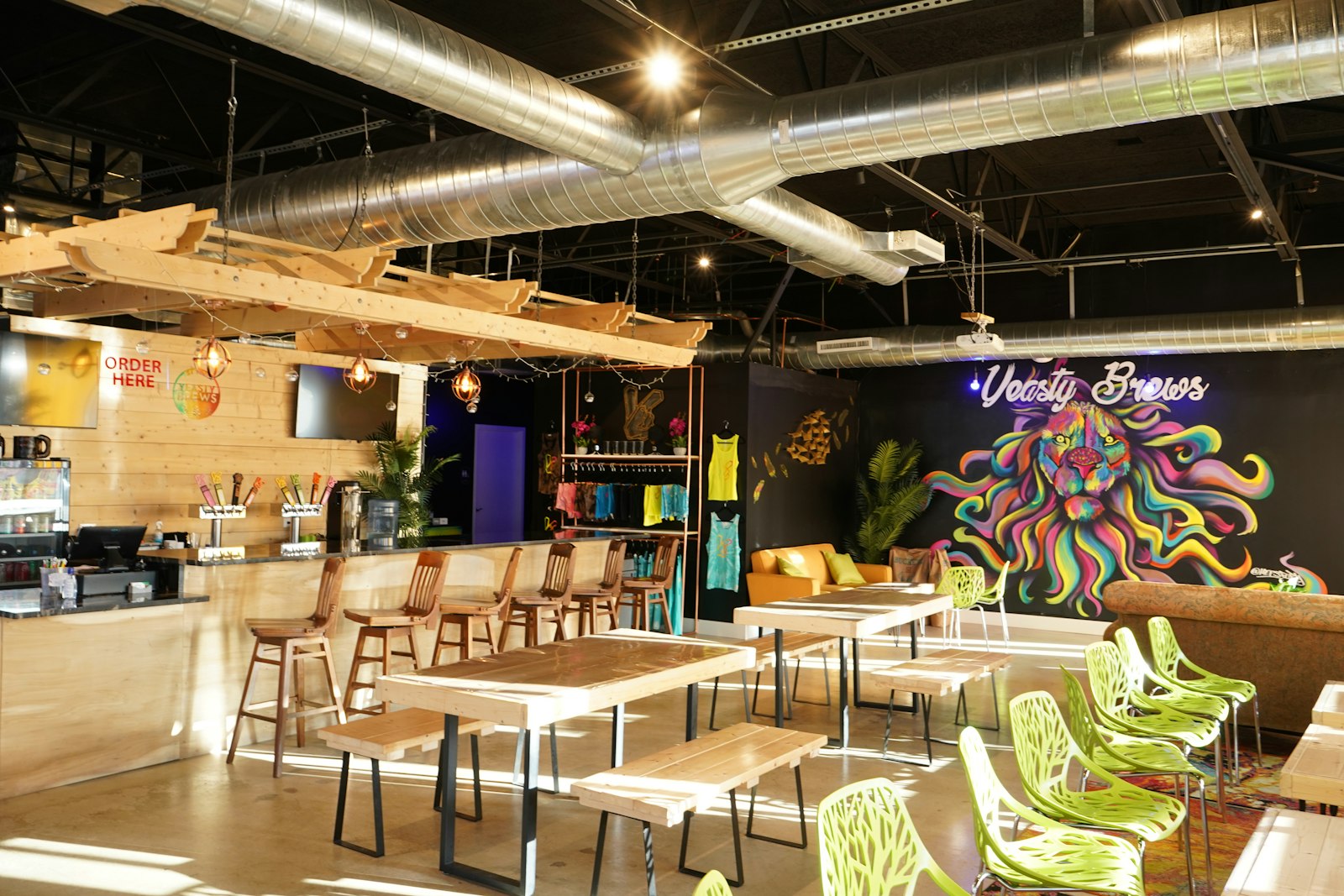
If you host a short-term rental in Chattanooga, your guests are going to ask you where to get a beer within walking distance of their front door. That question comes up constantly in check-in messages, and the answer changes the way people plan their whole trip. Chattanooga's drinking scene isn't concentrated in one entertainment district the way some cities are built. It's spread across a handful of walkable pockets, each with its own character, and knowing which pocket your listing sits in, or is closest to, is genuinely useful information for a host, not just trivia.
This guide covers the three areas that come up most often when guests ask about beer in Chattanooga: Southside, the Martin Luther King Boulevard corridor (often shortened to MLK), and the City Center core downtown. The goal isn't to rank anything or hand you a top-ten list. It's to help you describe these areas accurately in your listing and house manual, so guests can make their own plans instead of guessing or defaulting to whatever app shows up first in a search.
A quick note before we get into it: hours, ownership, and even whether a business is still open can change fast in any food-and-beverage scene, and Chattanooga is no exception. Two spots that used to be regulars on every 'best of Chattanooga breweries' list, Terminal Brewhouse downtown and Naked River Brewing near the stadium, have closed. Everything named in this guide was checked for current operating status during the week it was written, but you should still tell guests to confirm hours before they walk over, especially on weeknights or holidays.
It's also worth thinking about why this matters beyond being a nice-to-have in your welcome guide. Guests searching for a place to stay in Chattanooga are increasingly typing questions like 'walkable brewery district Chattanooga' or 'Southside breweries near rental' directly into search engines and AI assistants before they ever open a booking platform. A listing description and house manual that name the actual district by name, not just 'close to downtown,' answers that question before it's asked and can be the difference between a guest choosing your property over a similar one two blocks away.
It's worth separating two different jobs here, because hosts often blur them. Your public listing description is marketing: it needs to be accurate but brief, and it's read by someone comparing your property against a dozen others before they've booked anything. Your house manual is operational: it's read by someone who already booked and is standing in your kitchen deciding what to do that evening. The level of detail that works in one will feel like clutter in the other, so this guide gives you both a short version for your listing and a longer version for your house manual.
Southside: The Walkable Core of Chattanooga's Beer Scene
Southside is the neighborhood most STR guests mean when they ask about a 'brewery district' in Chattanooga. It sits just south of downtown, built up around the old Chattanooga Choo Choo depot and the historic warehouse and rail corridor running along Market Street and Main Street. The draw for your guests is simple: it's genuinely walkable. Sidewalks are wide, blocks are short, and several taprooms sit within a few minutes of each other, so a guest can move from one to the next on foot without needing a car or a rideshare.
The neighborhood's redevelopment over the past two decades has shaped why it works so well on foot. Old freight warehouses and rail buildings were converted into breweries, restaurants, and lofts rather than torn down, which means the district has a consistent architectural feel and short, walkable blocks instead of the wide arterial roads and parking lots that make a lot of American commercial strips hard to navigate without a car. That history is worth knowing even as an one-line mention to guests, since it explains why the neighborhood feels the way it does compared to a shopping center brewery tacked onto a strip mall.
Chattanooga Brewing Company is one of the anchor names in the neighborhood. It traces back to a turn-of-the-20th-century brewery of the same name and now operates as a working production brewery with a taproom, which gives guests a chance to see brewing happen rather than just drink at a bar. WanderLinger Brewing Company sits nearby, close to the Choo Choo complex, and has built its identity around being a gathering spot as much as a brewery, with a rotating calendar of live music and local art on the walls. TailGate Brewery has a Southside taproom as well, with a larger food menu built around pizza, which matters if your guests are asking about a place where dinner and beer happen in the same stop. FEED, also in Southside, pairs a rotating beer list with an arcade and one of the larger covered patios in the neighborhood, which tends to work well for groups or guests traveling with older kids.
Each of these has a genuinely different feel worth knowing before you send a guest there blind. A couple looking for a quiet evening and a flight of beers will have a different experience at a production-brewery taproom than a group of six friends who want an arcade game and a covered patio to hang out on for a few hours. If a guest tells you what kind of evening they're after, you can point them toward the stop that actually matches instead of just naming the closest one. This is where a host's local knowledge genuinely beats a generic 'top breweries' listicle: you can match the venue to the guest instead of just listing what's popular.
For your listing or house manual, the useful detail isn't which of these is 'best.' It's walking distance and vibe. If your property is within Southside itself, you can tell guests they can walk to two or three taprooms in under ten minutes. If you're a mile or more out, be honest about that and mention whether a rideshare or the city's electric shuttle is the more practical option, since guests unfamiliar with Chattanooga sometimes assume everything downtown is walkable from anywhere. Southside also fills up on weekend evenings, especially when a Lookouts baseball game or a downtown event overlaps with peak dinner hours, so a note about parking being tight for guests who drive in is worth adding if your property doesn't have dedicated parking.
Weeknights in Southside are a different experience than weekends, and it's worth flagging that difference to guests who ask. A Tuesday evening might mean an easy walk-in at any of these taprooms with plenty of open patio seating, while a Friday or Saturday can mean a wait, especially at spots with kitchens. Guests planning a special occasion, an anniversary dinner or a birthday, benefit from knowing this ahead of time rather than discovering it when they arrive to a packed patio.
The MLK Corridor: A Newer, Less-Crowded Stretch
East Martin Luther King Boulevard, running between downtown and UTC's campus, has become the second cluster your guests are likely to ask about, especially if they're staying closer to downtown proper or the university area rather than Southside. It's a shorter walk from many City Center listings than Southside is, and it tends to be quieter and less tourist-heavy, which some guests specifically prefer, particularly repeat visitors who already did the Southside circuit on a previous trip and want something that feels less like a tourist stop.
Hutton & Smith Brewing anchors this stretch with a taproom and outdoor patio built around a rotating lineup of IPAs and other styles brewed on site. It's a straightforward taproom setup: order at the bar, sit inside or on the patio, no kitchen of its own, so it's worth mentioning to guests if they want a full meal beforehand. A short walk away, OddStory Brewing Co. operates its Greenhouse location on the same boulevard, a family-friendly space with a literal greenhouse-style seating area, board games, and a separate kids' area, which makes it an useful recommendation for guests traveling with children who still want a beer option nearby.
The practical note for hosts: MLK Boulevard isn't a single continuous strip the way Southside can feel. The two taprooms above are on the same road but not immediately adjacent, so if you're pointing guests here, give them the specific walk time between the two rather than implying it's one compact block. It's also a corridor that's still filling in, meaning new food and drink spots have been opening along it in recent years, so if you host regularly in this area it's worth doing a quick walk yourself every few months to see what's changed rather than relying on a description you wrote once and never revisited.
This corridor also tends to work well for guests who don't want a crowd. If someone books your listing specifically because they want a relaxed evening rather than a bar-hop, MLK is often the better recommendation over Southside on a Friday or Saturday night, when Southside's patios can get loud and reservations at the food-forward spots can run long. It's also proximity to UTC that makes it feel different: fall football weekends and graduation weekends bring a different crowd through this corridor than Southside sees, which is worth mentioning to guests visiting during those specific windows.
If you're weighing whether to describe your listing as near Southside or near MLK and it's genuinely close to both, lean on whichever cluster is the shorter, flatter walk rather than the one that sounds more exciting to name. Guests trust specificity, and a host who says 'both are about equidistant, but MLK is the flatter walk' comes across as someone who has actually made the walk themselves, not someone copying language from a tourism site.
City Center: Downtown Proper
City Center is the tightest cluster geographically, since it's the historic downtown core between the Tennessee Aquarium, the riverfront, and the start of Southside. For guests staying in a downtown listing, this is often the area they'll cover on foot before or after dinner without any real planning, since it overlaps with where most restaurants, the aquarium, and the pedestrian bridge already are. It functions less as its own distinct brewery district and more as the connective tissue between downtown attractions and the start of the Southside cluster a few blocks south, so guests staying here are usually a short walk from both scenes rather than needing to choose one.
Because City Center is where most out-of-town visitors already plan to spend an evening walking the riverfront or crossing the Walnut Street Bridge, it's a natural jumping-off point rather than a destination in its own right for beer specifically. If your property sits in this zone, the most useful thing you can tell a guest is which direction to walk: north toward the river and the aquarium for dinner and views, or south toward Southside if what they actually want is a taproom crawl.
One thing worth flagging for your house manual: Chattanooga Whiskey's distillery experience downtown comes up in guest questions too, but it's a distinct outing, not a walkable stop on a beer-district crawl, and Hales Bar Distillery is roughly a twenty-minute drive outside the city. Both are worth an one-line mention as a separate activity if a guest asks about whiskey specifically, but they don't belong in the same walking-tour recommendation as the breweries above.
City Center listings also tend to attract a different kind of traveler than Southside or MLK listings do, often a first-time visitor doing the full downtown circuit of the aquarium, the river walk, and dinner in one trip rather than someone specifically seeking out a brewery crawl. That means the most valuable thing you can offer in your description isn't a long brewery list at all, it's clear directional guidance: which way is the river, which way is Southside, and roughly how long each direction takes on foot.
Getting Between Districts: What to Tell Guests About Transportation
Not every guest will be staying inside the district they want to visit, and that's where a lot of listing descriptions fall short. If your property is downtown and a guest wants to see Southside, or vice versa, the honest answer is usually a fifteen to twenty-five minute walk depending on exactly where you are, which some guests will happily do and others will not. Naming both options, walking or a short rideshare, and giving a rough time estimate for each, lets the guest decide instead of you deciding for them.
Chattanooga's free electric shuttle running along the downtown core is also worth mentioning if your property is along its route, since it's a detail a lot of out-of-town guests don't know exists until someone tells them. It won't get anyone all the way to Southside or MLK, but it can shorten the walk from a downtown listing to the edge of either district, which matters more than it sounds for guests who are on foot after a full day of sightseeing.
If your property has dedicated parking, it's worth telling guests plainly whether driving and parking near Southside on a weekend evening is realistic. Street parking in the district fills up fast on Friday and Saturday nights, and guests who assume they can drive over and find a spot easily are often the ones who end up frustrated. A short, direct note, something like 'street parking gets tight after 6pm on weekends, plan to walk or rideshare,' heads off a bad experience before it happens.
For guests without a car at all, which is more common than hosts sometimes assume among visitors flying into Chattanooga's airport and relying on rideshare for the whole trip, it's worth confirming in advance which district is realistically reachable without a vehicle. A property a mile from both Southside and MLK, with no dedicated parking and no shuttle access, is a very different pitch to a car-free guest than a property that's a genuine ten-minute walk from either.
Sample Language You Can Adapt for Your Listing
For a Southside listing, something like this works as a short, honest description: 'A ten-minute walk from Southside's brewery cluster, including Chattanooga Brewing Company and WanderLinger, both known for outdoor patio seating. Street parking near the breweries gets tight on weekend evenings, so most guests walk or grab a short rideshare.' It names the district, gives real examples without ranking them, and includes a practical caveat, which covers the three things guests actually need.
For an MLK-adjacent listing: 'A short walk from the MLK Boulevard brewery corridor, home to Hutton & Smith Brewing and OddStory's family-friendly Greenhouse taproom. It's a quieter scene than Southside, with easy walk-in seating most weeknights.' This version leans into what actually differentiates the area, the quieter vibe and family-friendly option, rather than repeating generic language that could describe any neighborhood.
For a downtown or City Center listing: 'Walking distance to the riverfront, the aquarium, and downtown restaurants, with Southside's brewery district about a fifteen-minute walk south. A short rideshare gets you there in under five minutes if you'd rather not walk after dinner.' This one is doing the most work of the three, since it's setting expectations for a slightly longer walk while still giving guests a clear next step.
In each case, resist the temptation to name every brewery in the city. Two or three examples per district, chosen because they represent genuinely different experiences (a production brewery, a family-friendly taproom, a food-forward spot), give guests more useful information than a long undifferentiated list ever would, and they're far easier for a guest to actually remember and act on. It's also worth updating this language at least once a year, since a description written when a business first opened can quietly go stale if that business changes hours, closes, or gets replaced by something else in the same storefront.
Seasonal Patterns and Events Worth Flagging
Chattanooga's outdoor patio season runs roughly from March through November, with the heaviest use in spring and fall when temperatures are mild enough to sit outside comfortably for a few hours. Summer patios are still open but guests should expect heat in the afternoons, and winter visits mean most of the outdoor seating in Southside and along MLK goes quiet, with activity shifting indoors.
The city's annual Beer Fest, typically held in late May at the First Horizon Pavilion near Southside, is worth a specific mention if a guest's stay overlaps with it, since it draws a large crowd downtown and into Southside, affects parking, and can mean longer waits at nearby taprooms that evening. If you know your guest's travel dates in advance, checking whether they land on a festival weekend takes thirty seconds and can meaningfully change how you set expectations for that stay.
Lookouts baseball games at AT&T Field, which sits right at the edge of Southside, are another recurring event worth knowing about if you host in or near the neighborhood. Home game evenings bring extra foot traffic and tighter parking to the surrounding blocks, which is useful context for a guest deciding what time to head out for dinner and drinks.
What to Actually Put in Your House Manual
Guests don't need a comprehensive brewery encyclopedia from you. They need three things: which cluster is closest to your door, roughly how long the walk is, and a reminder to check hours before they go. A short paragraph naming the nearest district (Southside, MLK, or City Center), one or two example stops with an honest description of vibe (family-friendly patio, taproom-only with no kitchen, live music calendar), and a line about confirming hours covers what most guests are actually looking for.
It also helps to separate 'walkable from here' from 'worth a rideshare.' If your property sits between clusters, say so plainly. Guests appreciate a host who tells them a specific taproom is a twelve-minute walk or a five-minute rideshare far more than a vague 'lots of breweries nearby' line that turns out to mean a fifteen-minute drive.
The same approach works well in a printed or digital house manual. Instead of a long list of every bar in the city, a simple short paragraph organized by district, with walk times, does more for a guest standing in your kitchen trying to decide what to do that evening than a comprehensive guide would. If you manage more than one property in Chattanooga, it's worth writing this section once per neighborhood cluster rather than per listing, so you're not repeating the same research every time you draft a new house manual.
Finally, build in the caveat. Hours, ownership, and even whether a spot is still operating can shift with little notice in any city's food-and-beverage scene, which is exactly what happened with Terminal Brewhouse and Naked River. A single sentence in your house manual, something like 'hours and availability change, please confirm before you head out,' protects your guests from a wasted walk and protects you from being blamed for outdated information months after you wrote the description.
If you're building this out for the first time, a good test is to imagine a guest with zero knowledge of Chattanooga reading only the house manual section on beer, with no other context. Could they figure out where to go, how to get there, roughly what to expect when they arrive, and what to do if something's changed since you wrote it? If the answer is yes, the section is doing its job. If it's a list of names with no walk times or vibe descriptions, it's worth a rewrite.
Frequently Asked Questions
Is Chattanooga's brewery scene walkable, or do guests need a car?
It depends on where your listing sits. Southside is the most walkable cluster, with several taprooms within a few minutes of each other. The MLK corridor is walkable if a guest is staying near downtown or UTC, but the two main taprooms there are not immediately next to each other. City Center overlaps with downtown's restaurants and attractions rather than forming its own dense brewery cluster. If your property isn't inside one of these areas, be upfront with guests about whether a rideshare makes more sense than a walk.
Which Chattanooga neighborhood has the most breweries within walking distance?
Southside is generally the answer guests are looking for when they ask this. It's built around the historic Choo Choo and warehouse district, with wide sidewalks and short blocks connecting several taprooms, which makes it easy to visit more than one stop in a single evening on foot. It's a quieter scene than Southside, with easy walk-in seating most weeknights.' This version leans into what actually differentiates the area, the quieter vibe and family-friendly option, rather than repeating generic language that could describe any neighborhood.
Are the breweries on MLK Boulevard family-friendly?
Some are and some aren't, so it's worth being specific rather than general. OddStory Brewing Co.'s Greenhouse location on MLK is set up with a kids' area and board games, which makes it a practical option for guests traveling with children. Other taprooms in the same corridor are 21-and-up taprooms without a kids' space, so check current policy before recommending a spot to a family.
Do any of these breweries serve full meals, or just beer?
It varies by location, and it's worth telling guests this directly since it changes their plans. TailGate Brewery's Southside location has a pizza-focused kitchen. Hutton & Smith on MLK is taproom-only with no kitchen of its own, so guests who want dinner there should plan to eat beforehand or bring in food if that's allowed under the brewery's current policy.
Is Chattanooga Whiskey part of the walkable beer-district experience?
Not really, and it's worth being clear with guests about this distinction. Chattanooga Whiskey's downtown distillery experience is a separate outing from the Southside, MLK, and City Center brewery scene covered here, and Hales Bar Distillery is roughly a twenty-minute drive from downtown. Both are fine to mention as a distinct activity, but they aren't part of the same walking crawl and shouldn't be presented to guests as one.
How should I describe the brewery scene in my listing without overstating it?
Name the district first, not a ranked list of businesses. Something like 'a short walk from Southside's taproom cluster' or 'close to the MLK Boulevard brewery corridor' gives guests accurate context without implying a review or ranking your listing isn't actually equipped to make. Save specific business names for the house manual, where you can add practical detail like walk times and whether a kitchen is on site.
Do hours and availability change often at these breweries?
Yes, often enough that it's worth a standing line in your house manual. Small breweries and taprooms can shift hours seasonally, close for private events, or change ownership with little public notice, and Chattanooga has already lost a couple of well-known names like Terminal Brewhouse and Naked River Brewing in recent years. Encouraging guests to check a business's own page or call ahead before walking over is a simple way to prevent a wasted trip.
Is there a best time of year for guests to visit Chattanooga's brewery districts?
Outdoor patios in Southside and along MLK get the most use in spring and fall when the weather is mild. The city's annual Beer Fest, typically held in late May at the First Horizon Pavilion near Southside, is also worth flagging to guests visiting around that date, since it draws crowds and can affect parking and foot traffic in the surrounding blocks.
Keep going on Crest & Cove:the Crest & Cove intro·local SEO keywords that actually book·the five elements of a converting hero·how to compare STR marketing agencies·Asheville paddling spots worth the drive·this cluster against named-town AirROI pins·Destin against AirROI, not leftover year·prior cluster against AirROI pins.
Related Reading
Keep reading in the Chattanooga market spine and nearby towns in the same region: same-cluster pages hosts can use without costume-corridor copy.
Chattanooga Worth Drive Overlooks: What to Put in the Listing
Chattanooga Event Calendar: STR Pricing for Every Major 2027 Weekend
Rising Fawn Chattanooga Weekend: How Hosts Should Sell the Drive
Chattanooga STR Occupancy by Season: A Guide for Independent Hosts
The 2026 Chattanooga Corridor STR Marketing State of the Region
Every Kayaking Spot in Chattanooga We'd Actually Recommend to a Friend
Chattanooga vs. Asheville: Why a Rivalry Headline Isn't a Pro Forma
Chattanooga vs. Lookout Mountain: What the AirROI Numbers Say About
Chattanooga City Hamilton Co Rules: Clerks, Not Occupancy Ranking
Work with Crest & Cove Creative
Peak occupancy is not the year. Named-town AirROI pins only.crestcove.coor(256) 998-7502.
Peak occupancy is not the year. Named-town AirROI pins only.crestcove.coor(256) 998-7502.

Comments