
Much Does Cost Start Peak Occupancy Is Not the Year

Updated: Aug 28
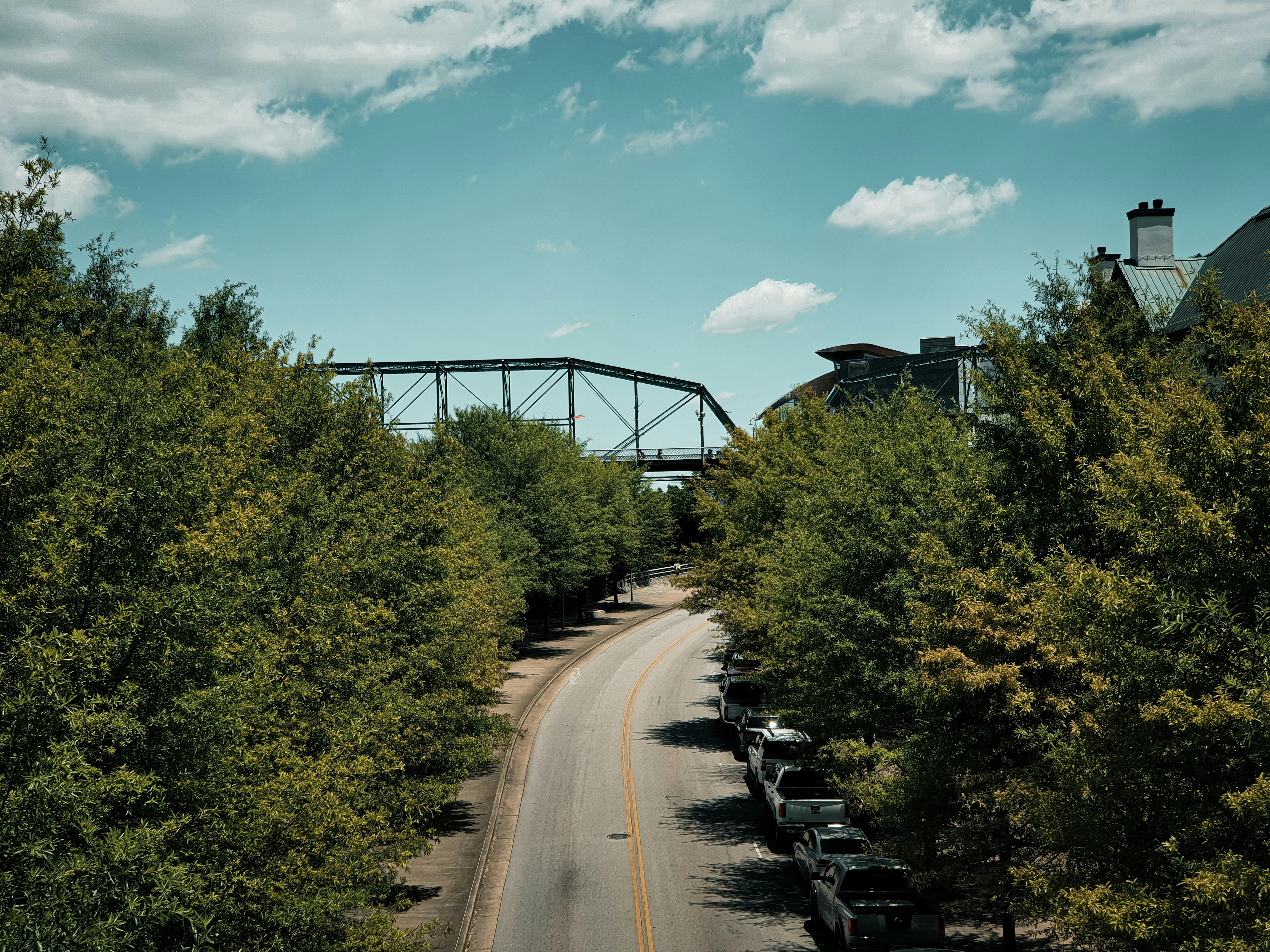
Search “how much does it cost to start an Airbnb in Chattanooga” and you will find a number that does not match anything happening on the ground for most buyers: a -a-month revenue figure that is actually a mislabeled aggregator statistic, or a purchase price built around a Lookout Mountain estate with a three-state view. That is not what most first-time hosts are working with. A typical independent listing in Chattanooga — a three- or four-bedroom house in a neighborhood like East Ridge, Red Bank, or Ooltewah, not a mountaintop trophy property — has a real, knowable cost structure. It is worth laying out plainly before you put money down.
This piece walks through what it actually takes to open one typical independent Chattanooga short-term rental in year one: the purchase price band, what that band assumes, financing structures, furnishing and setup, the permit and registration costs (which vary more than most guides admit), insurance considerations, realistic monthly revenue, ongoing expenses, and a startup timeline. For the regulatory detail behind the permit numbers below, see our full jurisdiction-by-jurisdiction breakdown in our companion post on Chattanooga's short-term rental rules. And if you are still deciding whether Chattanooga is the right market at all, our tourism market overview covers the demand side of that question.
The Real Number: What a Typical Listing Costs to Buy
Chattanooga's median home price sits in roughly the range as of 2026, with a central estimate around for a solid three- or four-bedroom home in an STR-friendly neighborhood. That is the purchase price band this piece uses — not the -plus estates on Lookout Mountain or the premium waterfront properties along the Tennessee River that tend to dominate market-report headlines elsewhere on this site. Expect meaningful variation depending on exact location: proximity to downtown, the North Shore, or Signal Mountain pushes the number toward the top of the band, while homes further from the riverfront core generally land closer to the bottom.
If you are financing with a conventional investment-property mortgage, lenders commonly require 20–25% down. On a purchase, that puts the down payment alone at roughly , before closing costs, which typically run another 2–5% of the purchase price ( on a home). These figures are planning ranges, not quotes — get current numbers from a lender who works with investment properties in Hamilton County before you commit to a purchase price.
What This Price Band Assumes — and What It Excludes
It is worth being explicit about what the band represents, because the wrong assumption here throws off every number downstream of it. This is a move-in-ready or lightly-updated single-family home in an established residential neighborhood, purchased as a standard resale rather than new construction, and sized for the typical guest group a mid-size STR market like Chattanooga actually books — usually two to three bedrooms, occasionally four. It excludes fixer-uppers that need a full renovation before they can host a guest, which can add tens of thousands of dollars and months of timeline on top of the purchase price. It also excludes anything marketed as a “luxury cabin” or “mountain estate,” since those listings are built around a materially higher nightly rate and a materially higher entry cost, and comparing your budget to that category is a common way new buyers overestimate what a typical listing needs to earn to break even.
If you are evaluating a specific property that falls well outside this band in either direction, treat every downstream number in this piece — revenue, furnishing budget, insurance premium — as a starting point to adjust from, not a fixed target. This piece walks through what it actually takes to open one typical independent Chattanooga short-term rental in year one: the purchase price band, what that band assumes, financing structures, furnishing and setup, the permit and registration costs (which vary more than most guides admit), insurance considerations, realistic monthly revenue, ongoing expenses, and a startup timeline.
Furnishing and Setup Costs
Furnishing a typical independent listing from empty to guest-ready is one of the largest variable costs in year one, and it is also the line item most cost guides get wrong by quoting a single number that does not hold up across property sizes or design tiers. A modest, durable furnish-out for a three-bedroom home costs meaningfully less than a design-forward listing built around a premium nightly rate — the gap between the two approaches can run into the tens of thousands of dollars. Rather than cite a specific total we cannot verify against your exact property, budget the honest way: get quotes from at least two furnishing services, or build a room-by-room list yourself — beds and bedding, seating, kitchen equipment, linens and towels, decor, a smart lock, a dedicated router, and safety equipment like fire extinguishers and carbon monoxide detectors.
Beyond furniture, budget separately for professional photography, an initial deep clean before the first guest, and time spent building a digital welcome guide and house manual. These are smaller line items individually, but they are the ones new hosts most often forget when penciling out a startup budget, and skipping them shows up fast in early guest reviews. It also helps to separate “must-have before opening” from “can add in month two” — a fully outfitted game room or a hot tub can wait; working locks, working WiFi, and a stocked kitchen cannot.
Financing Structures Beyond a Conventional Mortgage
A conventional investment-property mortgage is the default assumption in this piece, but it is not the only path buyers use to reach the purchase-price midpoint. Some hosts use a cash-out refinance on an existing primary residence to fund the down payment on a Chattanooga property rather than saving a separate lump sum. Others use a DSCR (debt-service coverage ratio) loan, which qualifies the property based on its projected rental income rather than the buyer's personal income — useful for buyers who already own several properties, though these loans typically carry a higher interest rate and often require a larger down payment than a standard conventional loan. Whichever structure you use, run the numbers with a lender or mortgage broker who has closed STR-specific loans in Tennessee, since not every lender underwrites short-term rental income the same way, and a lender unfamiliar with STRs can slow or complicate the process.
Permits and Registration: Three Different Cost Paths, Not One Number
This is the part most cost breakdowns oversimplify, and it matters because the real number can differ by hundreds of dollars a year depending on exactly where your property sits and whether you live in it. Chattanooga does not have a single short-term rental permit fee — it has at least three distinct cost paths:.
Owner-occupied “homestay” inside city limits: $250 application, $250 annual renewal
Non-owner-occupied “absentee” listing inside city limits: $500 application, $500 annual renewal
Property in unincorporated Hamilton County, outside city limits: $750 per year
Which path applies to you depends on the parcel's exact jurisdiction and whether you will live on-site, and the Town of Lookout Mountain, as its own separately incorporated municipality, runs a different process again. We cover the full jurisdiction-by-jurisdiction breakdown — including how to check which authority governs a specific address before you buy — in our dedicated post, Chattanooga Short-Term Rental Rules 2026: City, Hamilton County, and Lookout Mountain. For the cost model in this piece, we budget the absentee path ($500 application plus $500 a year) as the safer planning assumption, since most first-year investment purchases in this market are non-owner-occupied rather than homestays.
One practical note: confirm a property's exact jurisdiction before you write an offer, not after closing. Parcels that look like they sit inside city limits sometimes fall just outside them, and the difference changes both your permit cost and which set of rules governs how you can operate. Bring these pieces together and a realistic first-year cash picture for opening one typical independent Chattanooga listing includes: the down payment and closing costs on a roughly purchase, a furnishing and setup budget built from your own room-by-room quotes rather than a borrowed number, permit application costs of $250 to $750 depending on jurisdiction and owner-occupancy status, a first year of short-term-rental-specific insurance premiums, and enough.
Insurance Considerations
Standard homeowners insurance typically excludes short-term rental use, and operating without the right coverage is one of the more common — and more expensive — mistakes new hosts make. Plan to budget for a dedicated short-term rental or landlord policy, which generally costs more annually than a standard homeowner's policy on the same property, reflecting the added liability and turnover risk that comes with hosting paying guests rather than a long-term tenant or owner-occupant.
Exact premiums vary by carrier, coverage limits, and the specifics of the property, so get quotes from at least two insurers who explicitly underwrite short-term rental properties before finalizing your first-year budget. Do not assume your existing homeowner's policy, or a booking platform's host guarantee, is sufficient on its own — ask specifically about liability coverage, loss-of-income protection, and whether the policy is written for short-term rental use or only for standard landlord and long-term-rental use, since the two are not interchangeable. If your lender requires proof of insurance before closing, confirm the STR-specific policy satisfies that requirement, since a standard landlord policy sometimes does not.
What Realistic Monthly Revenue Looks Like
The -a-month figure that circulates in aggregator content about Chattanooga short-term rentals is not a real monthly revenue number for a typical listing — it is a mislabeled aggregate statistic, and treating it as an achievable monthly target will wreck a startup budget built around it. Based on AirDNA data pulled this week, a typical Chattanooga listing runs closer to a $172 average daily rate at named-town occupancy pins as of 2026-07-31. Multiplied out across a 30-day month: $172 × 0.57 × 30 ≈ in gross monthly revenue for a typical month.
That figure is before cleaning fees passed through to guests, platform fees, any property management costs, and the ongoing expenses covered below. Seasonality moves the number up and down — Chattanooga's calendar has genuine high and low stretches tied to festivals, weather, and regional tourism patterns, which we cover in more detail in our occupancy-by-season piece — but roughly a month is a reasonable typical-month planning baseline for a non-trophy listing, not a headline number pulled from a best-case scenario. Build your first-year budget around the typical-month figure, then treat any high-season upside as a buffer rather than the baseline you are relying on to cover the mortgage.
Ongoing Monthly Costs
Once the property is open, the recurring cost side includes utilities (often higher than a standard household given air conditioning and heating left partially on for guest comfort, plus hot water demand from frequent turnovers), internet service robust enough for remote-working guests, cleaning between every stay (typically billed per turnover rather than as a flat monthly fee, so cost scales with occupancy), pest control and routine maintenance, restocking consumables like paper products, coffee, and toiletries, lawn care or HOA dues where applicable, and the permit renewal fee amortized across the year.
Software costs — a channel manager, a dynamic pricing tool, a smart lock platform, and guest messaging software — add a modest but real recurring line as well. Property management, if you choose to use it rather than self-managing, is typically taken as a percentage of revenue rather than a flat monthly fee, and should be modeled against the realistic -a-month figure above, not against an inflated aggregator number. Add these together and it becomes clear why the gap between gross revenue and net cash flow is wider than first-time hosts often expect — which is exactly why the typical-month baseline matters more than a best-case number when you are deciding whether the math works.
Startup Timeline
Realistically, expect 60 to 120 days from purchase, or from the decision to convert an existing property, to welcoming your first guest — depending on how much renovation and furnishing the property needs and how quickly your permit application processes. Permit review timelines vary by jurisdiction and current application volume, so budget extra weeks if you are applying during a high-demand stretch. Photography, listing setup on each platform, and initial pricing calibration typically happen in the final two to three weeks before launch, once the space is fully furnished and staged. Building in a buffer beyond your target launch date is worth more than trying to compress the timeline — a rushed opening tends to show up in your first round of guest reviews, which matters more long-term than opening a few weeks earlier.
First-Year Cash Needed: Putting It Together
Bring these pieces together and a realistic first-year cash picture for opening one typical independent Chattanooga listing includes: the down payment and closing costs on a roughly purchase, a furnishing and setup budget built from your own room-by-room quotes rather than a borrowed number, permit application costs of $250 to $750 depending on jurisdiction and owner-occupancy status, a first year of short-term-rental-specific insurance premiums, and enough of an operating cash reserve to cover two to three months of ongoing costs before revenue stabilizes.
There is no single “it costs $X” answer that fits every buyer, because the purchase price band alone spans and the permit path alone can differ by $500 a year depending on where the property sits. That range is exactly why building the model with real numbers — not one appealing headline figure — is the useful exercise before you commit capital to a Chattanooga short-term rental.
Frequently Asked Questions
How much does it cost to buy a typical short-term rental property in Chattanooga?
A typical non-trophy purchase falls in the range, with a central estimate around for a three- or four-bedroom home in an STR-friendly neighborhood. That excludes Lookout Mountain estates and premium waterfront properties, which price well above this band. Chattanooga's median home price sits in roughly the range as of 2026, with a central estimate around for a solid three- or four-bedroom home in an STR-friendly neighborhood.
What is the difference between the Chattanooga homestay and absentee STR permit costs?
The owner-occupied homestay permit costs $250 to apply and $250 to renew annually. The non-owner-occupied absentee permit costs $500 to apply and $500 to renew annually. A property in unincorporated Hamilton County runs $750 per year on a separate process entirely, and Lookout Mountain has its own process again. Bring these pieces together and a realistic first-year cash picture for opening one typical independent Chattanooga listing includes: the down payment and closing costs on a roughly purchase, a furnishing and setup budget built from your own room-by-room quotes rather than a borrowed number, permit application costs of $250 to $750 depending on jurisdiction and.
Do I need a different insurance policy for a short-term rental in Chattanooga?
Standard homeowners insurance typically excludes short-term rental use. Budget for a dedicated STR or landlord policy and confirm with your insurer that liability and loss-of-income coverage are written specifically for short-term rental use, not just standard long-term-rental use. Do not assume your existing homeowner's policy, or a booking platform's host guarantee, is sufficient on its own — ask specifically about liability coverage, loss-of-income protection, and whether the policy is written for short-term rental use or only for standard landlord and long-term-rental use, since the two are not interchangeable.
How much revenue can a typical Chattanooga Airbnb realistically generate per month?
Based on AirDNA data, a typical listing runs about a $172 average daily rate at named-town occupancy pins as of 2026-07-31, which works out to roughly in gross monthly revenue for a typical month — not the inflated figure sometimes cited from aggregator sources.
How long does it take to open a short-term rental in Chattanooga from purchase to first guest?
Plan on 60 to 120 days, depending on renovation and furnishing needs and how quickly your specific permit application processes through the relevant jurisdiction. Realistically, expect 60 to 120 days from purchase, or from the decision to convert an existing property, to welcoming your first guest — depending on how much renovation and furnishing the property needs and how quickly your permit application processes.
Does it matter whether the property is inside Chattanooga city limits or in unincorporated Hamilton County?
City-limit properties fall under the homestay or absentee permit system, while unincorporated Hamilton County properties fall under a separate $750-per-year county process. Verify jurisdiction before you buy, since the boundary is not always where it appears to be on a map. We cover the full jurisdiction-by-jurisdiction breakdown — including how to check which authority governs a specific address before you buy — in our dedicated post, Chattanooga Short-Term Rental Rules 2026: City, Hamilton County, and Lookout Mountain.
What ongoing monthly costs should I budget for after opening?
Utilities, internet, per-turnover cleaning, pest control and maintenance, consumables, software subscriptions, and the amortized cost of your annual permit renewal are the core recurring line items beyond any property management fee. Once the property is open, the recurring cost side includes utilities (often higher than a standard household given air conditioning and heating left partially on for guest comfort, plus hot water demand from frequent turnovers), internet service robust enough for remote-working guests, cleaning between every stay (typically billed per turnover rather than as a flat monthly fee, so cost scales with occupancy), pest control and routine maintenance, restocking consumables like paper products, coffee, and toiletries, lawn care or HOA.
Should I use a DSCR loan or a conventional mortgage to buy a Chattanooga short-term rental?
It depends on your financial profile. A conventional investment-property mortgage is typically less expensive if you qualify on personal income, while a DSCR loan qualifies the property on projected rental income and can suit buyers who already hold several properties, usually at a higher rate and larger down payment. Talk to a lender experienced with STR financing in Tennessee before choosing.
Keep going on Crest & Cove:the Crest & Cove intro·local SEO keywords that actually book·the five elements of a converting hero·how to compare STR marketing agencies·Asheville paddling spots worth the drive·this cluster against named-town AirROI pins·Destin against AirROI, not leftover year·prior cluster against AirROI pins.
Related Reading
Keep reading in the Chattanooga market spine and nearby towns in the same region: same-cluster pages hosts can use without costume-corridor copy.
Chattanooga STR Occupancy by Season: A Guide for Independent Hosts
The 2026 Chattanooga Corridor STR Marketing State of the Region
Every Kayaking Spot in Chattanooga We'd Actually Recommend to a Friend
Chattanooga Worth Drive Overlooks: What to Put in the Listing
Chattanooga vs. Asheville: Why a Rivalry Headline Isn't a Pro Forma
Chattanooga vs. Lookout Mountain: What the AirROI Numbers Say About
Chattanooga City Hamilton Co Rules: Clerks, Not Occupancy Ranking
Work with Crest & Cove Creative
Peak occupancy is not the year. Named-town AirROI pins only.crestcove.coor(256) 998-7502.
Peak occupancy is not the year. Named-town AirROI pins only.crestcove.coor(256) 998-7502.


Comments