
Competing With Hotels and Corporate Housing on Marketing

Updated: Aug 28
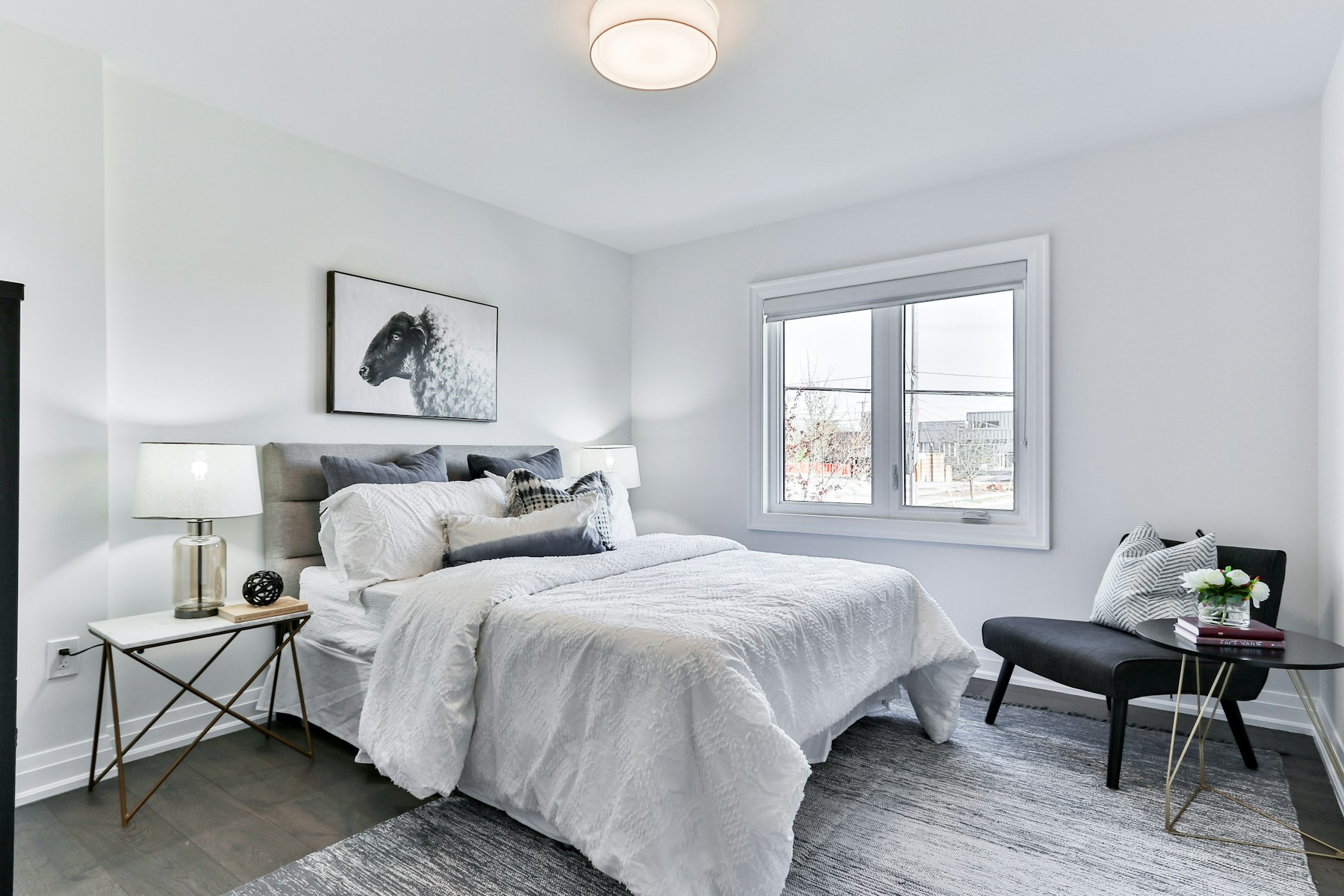
Hotels and corporate housing companies market with consistency, brand recognition, and a sales team behind every listing. An independent host has none of that, but the guests who book a private home already know they're not booking a Marriott. They're choosing a house because a house offers something a hotel brand can't standardize: real character, a kitchen, more square footage for the same money, and a person on the other end of the message thread who actually knows the property.
The mistake most hosts make is trying to out-hotel the hotel, borrowing words like "luxury," "premier," and "five-star experience" because that's what big brands use. Guests searching for a short-term rental aren't looking for hotel language; they're looking for proof that this specific house will be what the listing says it is. That proof, not polish, is what wins the booking.
Why Guests Choose You Over a Brand Name
A hotel chain sells predictability: the same bathroom layout in Nashville as in Denver. A corporate housing company sells convenience for relocating employees, furnished units, flexible leases, a help desk. Neither one sells a specific house with a specific porch and a specific neighbor two doors down who waves at guests. That specificity is the independent host's actual competitive advantage, and it shows up in the listing itself, not in a tagline.
Guests who are comparing a hotel room to a vacation rental are usually optimizing for space, privacy, or a real kitchen, not for brand trust. What convinces them to book the house instead of the Hampton Inn down the road is verifiable detail: the real number of bedrooms and beds, an honest description of parking, a house-rules section that matches what a guest will actually experience at check-in. Vague, aspirational copy reads as generic no matter how well it's written; specific, checkable copy reads as trustworthy.
This also means a host doesn't need ten different marketing decks, a rebrand, or a slogan to compete. The listing title, the photo order, the about section, and the house rules box are the entire marketing plan for most independent hosts, and they matter more than any outside promotion because that's where a guest actually decides.
What to Fix on the Listing This Week
Start with the title. It should describe the property accurately, bedroom count, a distinguishing feature, and the location or neighborhood, rather than reaching for adjectives a hotel would use. "Charming 3BR Craftsman, Walk to Downtown" out-converts "Luxury Retreat" because it tells a guest something they can verify before they arrive.
Next, check the about section against what a guest will actually experience: noise levels, parking situation, trash pickup day, quiet hours, and anything a hotel wouldn't need to explain because staff handles it there. A corporate rental or hotel guest never has to think about where to park a car or when to take out the trash, an independent host's listing has to say it plainly, because there's no front desk to ask.
Finally, look at the photo order. The first image is the one that shows up in search results, and it should be the room or feature that most matches what the title promises. A living room or exterior shot that doesn't match the headline creates the same disappointment a guest would feel checking into a hotel room that looked different online, except with no front desk to fix it on the spot.
Five Marketing Mistakes That Cost Independent Hosts Bookings
The most common mistakes aren't about doing too little marketing, they're about spending effort in the wrong place while the listing itself stays unfixed. Watch for these five:
Borrowing hotel-brand language ("boutique," "five-star," "resort-style") instead of describing what's actually true about the house. Publishing photos in an order that doesn't match the headline or amenities. Letting response time slip, both platforms and guests read a slow reply the same way a guest reads an unstaffed front desk: as a sign the stay isn't well managed. Advertising an amenity, fee, or policy inconsistently across the listing, social media, and a direct-booking site, so a guest gets three different answers to the same question. And spreading effort across too many channels at once, a new Instagram account, a paid ad, and a rewritten listing all launched in the same week, instead of fixing the one page that actually converts: the listing itself.
A Practical Example: One House, One Fix
Consider a typical case: a three-bedroom house listed with a headline calling it a "luxury family retreat," generic stock-style photos leading with a staged living room, and an about section that never mentions parking or the neighborhood's early-morning trash pickup. Guests routinely message asking where to park, and a few leave reviews noting the house wasn't quite what the photos implied.
The fix isn't a rebrand, it's specificity. The headline becomes "3BR Craftsman Near Main Street, Off-Street Parking" instead of a vague superlative. The lead photo switches to the room that best matches that headline. The about section adds two honest sentences: where to park, and that trash goes out Tuesday night. None of this costs money or requires a new logo, and it directly answers the questions guests were already asking in the inbox before check-in.
Within a few review cycles, the messages asking about parking drop off, and the reviews stop mentioning a mismatch between the photos and the house. That's the entire return on this kind of fix: fewer surprised guests, fewer repetitive inbox questions, and a listing that reads as accurate rather than aspirational.
When the Listing Is Already Doing Enough
Not every listing needs more marketing. If the title accurately describes the property, the about section names the practical details a guest needs (parking, noise, checkout process), the house rules box is complete, and the lead photo matches what's promised, the listing is already doing its job. At that point, additional marketing spend or a new social account is extra effort layered on top of something that already works, not a fix for something broken.
The better use of time at that stage is protecting what's working: keeping response times fast, keeping the listing details current when something changes (a new parking rule, a renovated bathroom), and watching reviews for the first sign that a guest's expectations didn't match reality. A listing that's accurate and responsive is already competing well against a hotel or corporate housing brand, it doesn't need to sound like one.
A 30/90-Day Marketing Check
Every 30 to 90 days, review three things without needing occupancy data to do it. First, reread the listing title and about section as if you were a guest who has never seen the house, does it still match what's true today? Second, scan the last month of guest messages for repeated questions; a question three different guests asked is a sign something belongs in the listing, not just in a reply. Third, check response time against the platform's own benchmark, since a slow average pulls down both search visibility and guest trust before a booking ever happens.
This check takes less time than writing new marketing copy, and it catches the problems that actually cost bookings: a stale photo, an outdated house rule, or a question the listing should already be answering.
Related Reading
Keep reading on same-cluster Crest & Cove pages that stay on labeled local lines without costume-corridor copy.
How to Market a Short-Term Rental in Truckee North Tahoe Competing
DIY vs. Hire in Many, LA: Why Independent Hosts Still Run Most Listings
DIY or Hire in Depoe Bay: What the Numbers Say for STR hosts
DIY vs Hire in Seattle: Independents Still Write Most Listings
Financing a Springfield, MA Rental Without a Neighbor City Year
Financing a Grove, OK Rental: What a DSCR Underwriter Actually Wants
Frequently Asked Questions
How do I market a private rental against hotel brands with bigger budgets?
You don't out-spend them, you out-specify them. A hotel brand sells consistency across hundreds of properties; a single listing can only win by being precisely accurate about this one house: real photos in the right order, a title that states what's actually true, and an about section that answers the practical questions a hotel's front desk would otherwise handle.
What should I actually fix this week if I can't compete on marketing budget?
Fix the listing itself before spending on ads or social media. Check that the title matches the property honestly, that the lead photo matches the title, and that the about section covers parking, noise, and checkout, the details a corporate housing company or hotel handles with staff that an independent host has to put in writing instead.
What are the most common marketing mistakes independent hosts make?
Borrowing hotel-style language instead of specific detail, publishing photos out of order relative to the headline, letting response time slip, giving inconsistent answers about fees or amenities across different channels, and launching several new marketing efforts at once instead of fixing the listing first.
Can you give a real example of fixing a listing instead of adding more marketing?
A three-bedroom house marketed with vague "luxury retreat" language and no mention of parking was generating repeated guest questions about where to park. Rewriting the title to be specific and adding one honest sentence about parking to the about section reduced the repeated questions without any added marketing spend.
How do I know if my listing is already good enough and doesn't need more marketing?
If the title is accurate, the lead photo matches it, the about section covers the practical details a guest needs, and response times are fast, the listing is likely already performing well. Additional marketing at that point protects the listing rather than fixing a real gap.
What should a 30 or 90-day marketing check include?
Reread the title and about section as a first-time guest would, review the last month of guest messages for any question asked more than once, and compare your average response time against the platform's benchmark. Each of these takes minutes and catches the issues that actually affect bookings.
Does responding quickly to guest messages actually affect marketing performance?
Yes. Slower response times reduce both search placement on booking platforms and guest confidence before booking. A listing with great copy but slow replies loses to a plainer listing that answers questions fast.
Do I need a logo or rebrand to compete with corporate housing companies?
No. A private rental competes on accuracy and responsiveness, not brand design. The listing title, photos, and about section carry far more weight with guests than a logo or a slogan ever will.
Work with Crest & Cove Creative
Hotel and corporate-housing competition fails when hosts chase logos instead of the stay the driveway can keep. Specific overnight facts beat brand spend you cannot match.
We help independent hosts compete on honest stay detail, reply speed, and photo truth rather than rebrand theater. Keep corporate amenity lists from overwriting what the house actually offers. Send the live listing if the about block still reads like a hotel brochure.
Reach out at crestcove.co or (256) 998-7502.


Comments