
Transit, Walkability, and Noise Honesty for Independent Hosts

Updated: Aug 28
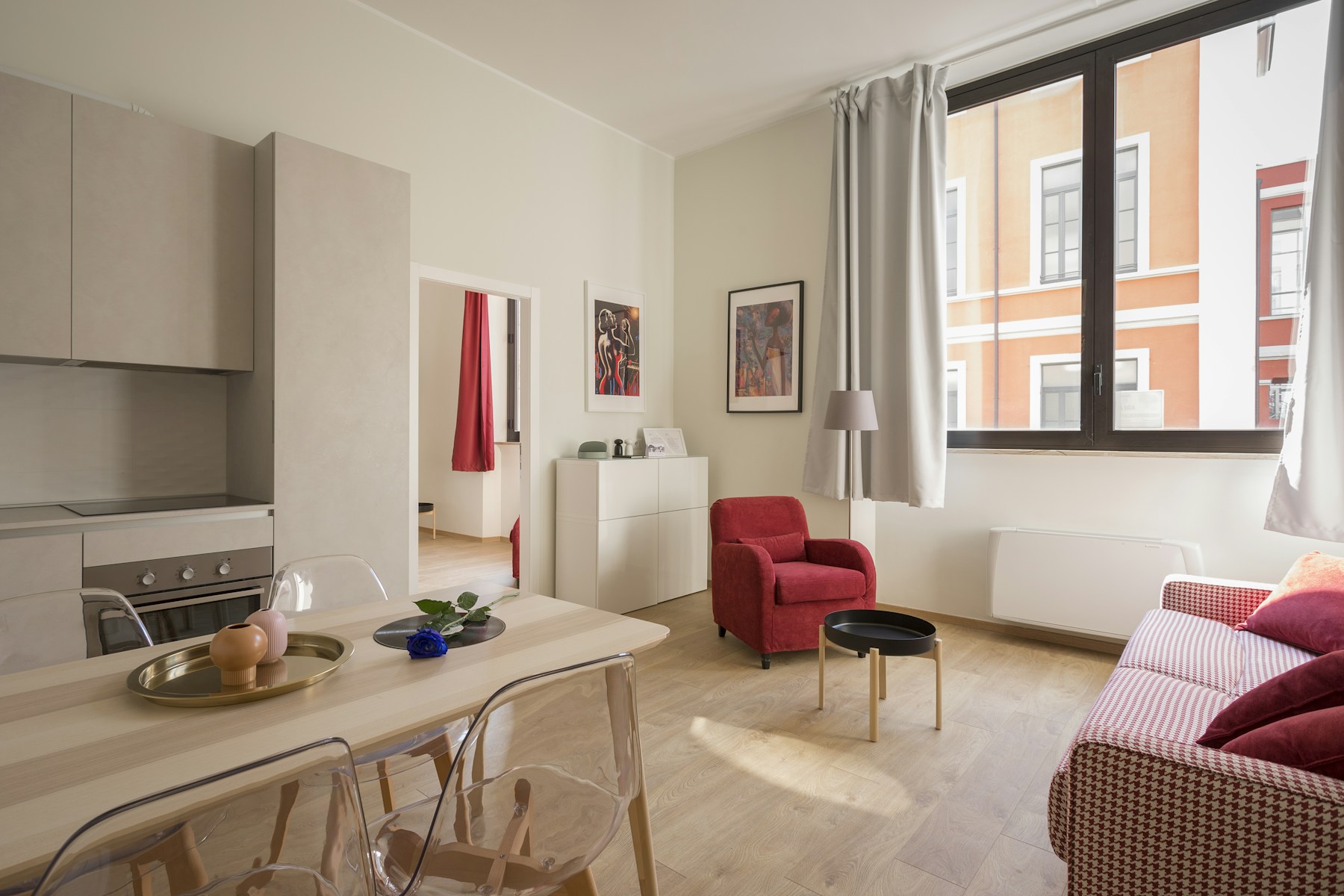
A walk line only helps a listing if it survives the guest's actual Saturday night. Independent hosts are often told to lean hard on walkability and transit access, because those are genuine drawbacks of hotel alternatives and genuine strengths of a well-placed apartment. That advice is sound. The mistake is treating a walk score or a transit stop as the whole pitch while leaving the parts of the listing that guests actually rely on, the house rules, the about section, the first photo, silent on the details that determine whether the stay matches what was promised.
Noise is the other half of this problem, and it is the half hosts avoid. A unit two blocks from a subway stop or above a lively restaurant row is genuinely convenient, but it is not automatically quiet, and pretending otherwise is what generates the review that says the listing lied. This page is about the honest version of location marketing: naming the transit access and the walkability real guests care about, while also naming the noise a guest will actually hear, so the listing and the stay match on arrival.
Write Only the Walkability Claims You Can Verify
"Walkable" and "steps from transit" are two of the most common short-term rental phrases, and two of the easiest to get away with overstating, because most guests do not check them before booking. That does not make them safe to inflate. A claim like "five-minute walk to the train" should be measured, not estimated, walk it yourself with a phone timer, at the pace an average adult with a rolling suitcase would use, not the pace of an unencumbered local who knows the shortcuts. If the honest number is nine minutes, write nine minutes.
The same discipline applies to walkability scores. Services that publish a numeric walk score are useful shorthand, but they measure proximity to amenities, not the experience of using them at night, in bad weather, or with luggage. A high walk score next to a highway on-ramp or an unlit stretch of sidewalk is not the same as a high walk score in a well-lit downtown grid. If you know the walk to the nearest grocery store crosses a road with no crosswalk for three blocks, that is worth a sentence in the listing rather than a number that hides it.
Where a claim is verified, put it where guests actually read before booking: the listing title only if there is room to keep it accurate, otherwise the first line of the description and the amenities section. A walkability claim buried in paragraph six of a long description does not do the marketing job it is meant to do.
Where the Noise Disclosure Belongs
The house rules section is not just for check-in times and pet policies. It is the natural home for the specific, factual noise information a guest needs before they book: quiet hours, whether the building or block has regular street noise on weekend nights, whether the unit sits above a bar or restaurant kitchen, and what a guest should expect to hear through the walls or windows on a typical evening. Vague language like "some city noise may be present" protects nobody. A guest cannot plan around "some noise." They can plan around "weekend nights on this block are loud until roughly 1 a.m."
Pair the noise disclosure with the walkability pitch rather than separating them. A sentence like "you're a four-minute walk from the Green Line, which also means the block stays lively past midnight on weekends" does more for booking accuracy than a glowing walkability paragraph followed by a buried, vague house rule. Guests who want the energy will book anyway and arrive with the right expectation. Guests who want quiet will self-select out before they book, which prevents the one-star review that cites noise as the reason for an early checkout.
Five Ways Location Marketing Backfires
The failure pattern repeats across independent listings in dense, walkable neighborhoods, and it usually comes down to five habits. First, publishing a walk time that was never actually walked, based on straight-line map distance instead of the real route. Second, describing transit access without naming which specific line or stop, which reads as vague marketing rather than a usable fact. Third, letting the house rules stay silent on noise while the description leans entirely on location. Fourth, copying walkability language from a neighboring listing without confirming it is accurate for this specific unit and floor. Fifth, treating a walk score number as a substitute for a plain-English sentence a guest can actually act on.
Any one of these is a minor gap. Together, they produce a listing that reads as location-forward but leaves the guest to discover the real acoustic and walking experience after check-in, which is exactly when a bad surprise becomes a bad review instead of a non-booking. The fix for all five is the same: verify what you claim, and disclose what you know.
A Composite Case: The Transit-Adjacent Listing That Kept Losing Reviews
Picture a one-bedroom unit four blocks from a light-rail stop, marketed heavily on "unbeatable walkability" and "steps to everything," with a house-rules section that mentioned only check-out time and a no-smoking policy. The inbox pattern was consistent: several guests each month asking, mid-stay, whether the street noise was normal, and a handful of reviews mentioning that the listing did not warn them the block sat above a late-closing bar.
The fix did not require lowering the walkability pitch, because the walkability was real and worth keeping. It required adding two sentences: one in the description naming the actual walk time to the rail stop, and one in the house rules naming that the block is lively until around 1 a.m. on Fridays and Saturdays. Inquiries about noise dropped because the question was already answered. Reviews mentioning noise as a complaint dropped because the guests who booked after the change already knew what they were choosing.
When the Listing Already Tells the Truth
A listing does not need a rewrite every time a new walkability trend appears. If the walk time to transit is already accurate, the house rules already name the realistic noise level, and the photos already match the actual view and floor, the listing is doing its job and additional location copy is just extra text competing for attention. The better use of time at that point is checking whether recent reviews still confirm the listing matches reality, since neighborhoods change: a quiet corner can gain a new late-night venue, and a construction project can add noise a listing description never anticipated.
The test is simple and does not require new copy for its own sake: read the last ten reviews and see whether any of them mention a surprise related to noise, walk distance, or transit access. If none do, the listing is currently honest. If one does, that is the sentence to add or correct, not a full rewrite of the location pitch.
A 30/90-Day Honesty Check
Set a recurring reminder, monthly for the first quarter after a listing goes live and then quarterly afterward, to re-walk the route to the nearest transit stop and re-read the noise disclosure against what guests have actually reported. Cities change faster than listing descriptions get updated: a new construction site, a bar that started staying open later, a transit line with reduced weekend service all shift the accuracy of claims that were true when they were written.
At each check, confirm three things: the walk time to the nearest transit stop still matches what is written, the noise disclosure in the house rules still matches what a guest would hear on a typical weekend night, and no recent review contradicts either. Update whichever one has drifted. This is a five-minute check, not a rewrite project, and it is the difference between a listing that stays trustworthy and one that slowly drifts out of date without anyone noticing until a review calls it out.
Related Reading
Keep reading on same-cluster Crest & Cove pages that stay on labeled local lines without costume-corridor copy.
EV Chargers, Transit Access, and Car-Free Guests for Independent Hosts
Messaging the Transition to Neighbors and Hoa: Independent Host Guide
DIY vs. Hire in Many, LA: Why Independent Hosts Still Run Most Listings
DIY or Hire in Depoe Bay: What the Numbers Say for STR hosts
DIY vs Hire in Seattle: Independents Still Write Most Listings
Financing a Springfield, MA Rental Without a Neighbor City Year
Financing a Grove, OK Rental: What a DSCR Underwriter Actually Wants
What It Actually Costs to Start a Grove OK STR: The One Published Fee
Frequently Asked Questions
Should I include a walk score number in my listing description?
Yes, if it is accurate for your specific unit and you pair it with plain-English context. A walk score measures proximity to amenities, not what it feels like to make that walk at night, in bad weather, or with luggage, and it says nothing about a highway on-ramp or an unlit stretch of sidewalk along the way. Give the number, then add one sentence about what the walk is actually like, including anything worth flagging on the route.
How specific should transit information be?
Name the actual line, stop, and a walk time you have personally timed with a rolling bag at an average adult's pace, not a straight-line map estimate. "Near the subway" tells a guest nothing they can plan around. "Six-minute walk to the Blue Line at Main Street" does, and if the honest number is closer to nine minutes, write nine minutes instead of rounding down.
Where should noise disclosures go in the listing?
In the house rules section, alongside quiet hours, and echoed briefly in the description if the noise is a defining feature of the location. That is where guests read specific, factual information before booking, whether the unit sits above a bar or restaurant kitchen and what to expect through the walls on a typical evening. Burying it in a single line at the bottom of a long paragraph does not count as disclosure.
What if the honest noise level might scare off bookings?
It will scare off the guests who would have left a bad review anyway, and it will not scare off guests who want the energy of a lively block. A line like being a four-minute walk from the Green Line, which also means the block stays lively past midnight on weekends, lets the right guest self-select in and the wrong guest self-select out before booking, instead of generating a mismatch and an early-checkout review after arrival.
How often should I re-verify walkability and transit claims?
Re-walk the route and re-check transit schedules monthly for the first quarter after a listing goes live, then at least quarterly afterward, and immediately after any nearby construction, a transit service change, or a new venue opening on the block. Neighborhoods change faster than most listing descriptions get updated, and a corner that was quiet when the listing was written can gain a late-night venue within a year.
Does a high walk score guarantee good reviews?
No. A high walk score describes proximity to amenities, not the experience of using them, and it says nothing about noise. A high walk score next to a highway on-ramp is not the same as a high walk score on a well-lit downtown grid, and reviews suffer when the listing oversells convenience while staying silent on what guests actually hear at night.
Can I reuse walkability copy from another listing I manage?
Only if you have personally verified it applies to this unit's exact floor, block face, and orientation. Two units on the same street can have very different noise exposure depending on which side faces the busier road, so copying walkability or noise language from another listing without checking it against this specific unit is one of the more common ways a listing drifts out of accuracy.
What is the fastest way to audit an existing listing for honesty gaps?
Read the last ten guest reviews and look for any mention of noise, walk distance, or transit access that contradicts the listing copy. If none do, the listing is currently honest and doesn't need a rewrite. If a review flags a surprise, that is the exact sentence to fix first rather than rewriting the whole location pitch.
Work with Crest & Cove Creative
Walkability copy fails when a metro score promises a quiet block the guest will not hear on arrival. Honest transit and noise lines keep the stay and the listing aligned.
We help independent hosts write walk, transit, and noise claims that match the block they can keep overnight. Re-verify seasonally when construction or routes change. Send the live listing if the about block still borrows another neighborhood's walk score.
Reach out at crestcove.co or (256) 998-7502.


Comments