
This Market Host Guide: What Guests Actually Ask for Independent Hosts

Updated: Aug 27
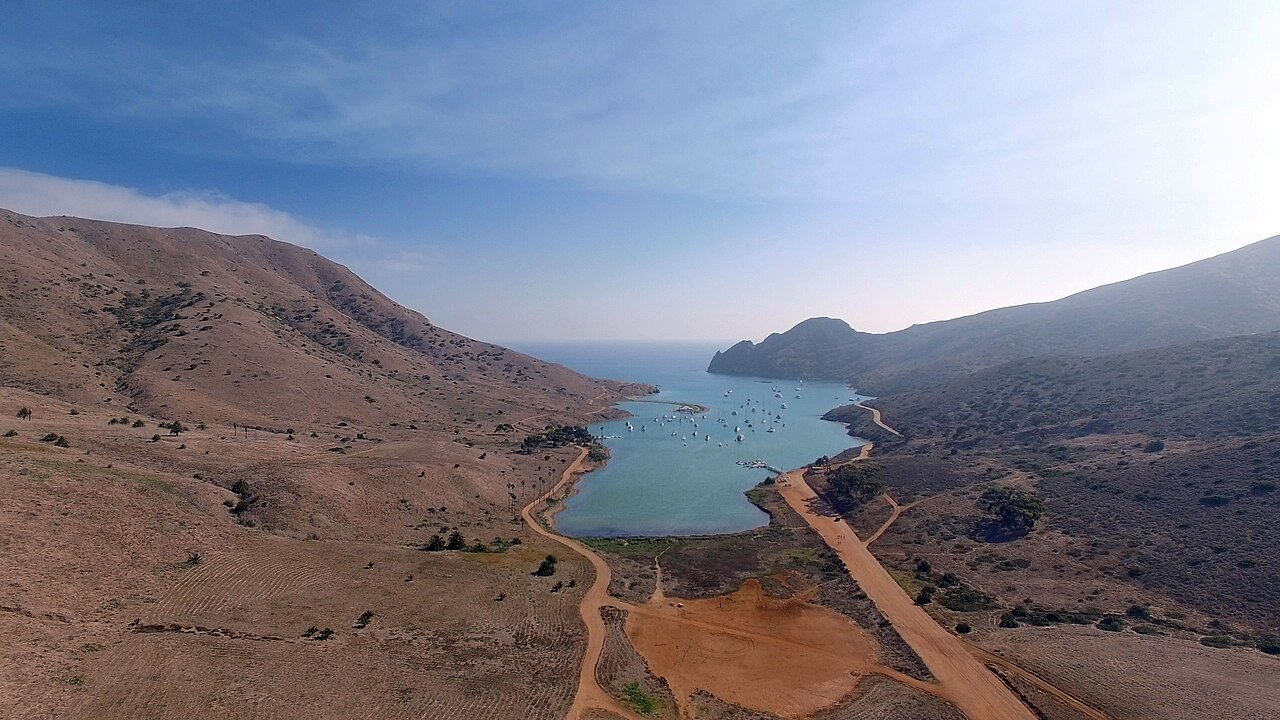
Three days on Santa Catalina Island work best when the bed is in Avalon and the itinerary stops stealing the mainland. This guide is written for a guest who sleeps in an Avalon house after the ferry, not for a Long Beach hotel day with an island sticker, and not for a Santa Barbara weekend renamed Catalina. Harbor light, Casino from a distance, Descanso water, and town scale are the product. Confirm hours, tickets, and boat schedules on each operator’s own site the week you travel. This page invents none of those prices.
Hosts can hand this language to guests as a calm base layer beside house rules and ferry logistics. It sits with theAvalon market reportfor operators who need place truth,who books an Avalon rentalfor the overnight person this itinerary serves, and thetourism spending pageso no one confuses a busy sidewalk with host revenue. We do not manage Avalon. We do write place copy that survives a screenshot.
Peak leisure density on the host calendar still clusters in August, June, and September on the AirROI extract. January, February, and December are quieter. The same three-day shape works year-round if you swap crowd expectations and weather honesty. Average stay market-wide is 3.2 nights, so a three-day frame matches how many overnight guests actually use the house.
Market context for hosts handing this guide out is simple. Overnight demand still follows a ferry calendar with peak density in August, June, and September and quieter months in January, February, and December. Occupancy in the Avalon extract is 35.2 percent, so a busy noon sidewalk does not mean every house is full. Write the itinerary for the person who booked the bed, not for the person leaving on the afternoon return.
Use an Avalon house as the bed
Pin the stay in Avalon, the only incorporated city on the island. The house is the recovery base after boat days and water days. Entire-home inventory dominates the cell at 99.2 percent, so most guests are renting a full home rather than a shared room product. Match the household to the occupancy posted on the city-issued exterior sign, typically 2 per bedroom plus 2, and do not treat day-trip friends as automatic overnight additions.
A house in Avalon is not a car-based mainland vacation. Many flats and complexes typically do not allow guest vehicles. Golf-cart and walking scale is the town truth. Grocery the stay with the ferry in mind; you are not running out to a suburban big-box store between meetings. If you are on a 30-plus stay rather than a short licensed trip, the house still works as the bed, just expect a quieter rhythm and a real desk if that is why you booked.
Hosts should say Avalon in the first line and show arrival photos that match the lockbox walk after the boat. Guests should treat the listing’s parking, occupancy, and quiet-hour rules as part of the itinerary, not as fine print after a full day on the water.
Day one: harbor, Casino light, and town
If the household includes remote workers on a short trip, still treat day one as orientation rather than a full work-plus-touring blend. The ferry already spent attention. A house that works for a laptop hour after dinner is a bonus; it is not a reason to skip the harbor walk that tells everyone they actually left the mainland. Entire-home stays dominate this market for a reason, people want a private base, not a lobby.
Day one stays in town on purpose. Land, settle the bags, and walk the harbor front so the island scale becomes real before you schedule a hard start time somewhere else. The Casino is the white circular landmark at the harbor’s edge, view it as architecture and night light from public vantage, not as a rate you invent from a blog. Town streets, water, and the sense that cars are not the default mode are the orientation.
Keep the first afternoon gentle if the boat was early or the household is tired. Glass-bottom boats, harbor walks, and simple food plans beat a packed checklist that ignores ferry fatigue. Confirm every paid activity on the operator site. This guide will not print ticket prices, boarding minutes you cannot source, or a promise that every dock plan runs every hour in January.
Evening is the product the day-tripper does not buy. When the afternoon boats thin, the harbor changes character. That quieter night is why the overnight guest paid for the house. Deck and unenclosed quiet from 10 pm to 8 am is city reality, not optional hospitality theater. Enjoy the air; keep the volume neighbor-legal.
Day two: Descanso and the water
Food plans on day one should respect island scale. You are not choosing among twenty mainland neighborhoods. You are choosing among what is open in town and what you stocked in the kitchen. Hosts help by naming a grocery reality and a few confirm-hours hedges rather than by publishing a restaurant ranking that goes stale. Guests help by not assuming late-night mainland options after the last boat energy fades.
Day two is water and Descanso-facing plans when weather and season allow. Snorkeling, beach time, and boat-based looking are the island’s obvious outdoor lane. Say Descanso as place context without inventing a private-club access story you do not hold. Say water without promising wildlife on cue. Morning light and an early start help when peak months pack the shoreline.
Build in a recovery block at the house. Average guest capacity in the market sits near 5.7 and many homes sleep six or more; small households still need shade, water, and a kitchen that works after salt and sun. If someone in the group wants a slower day, Avalon town is small enough that splitting plans is normal. Do not force every person into every water hour.
Hosts should stock basic beach-return gear language in the guidebook, where towels live, what not to track inside, how trash works, without writing a novel. Guests should re-read occupancy and quiet rules before inviting anyone who is not on the reservation to “stop by after snorkeling.” The sidewalk is public. The house is not a day-trip annex.
A third day that stays on the island
Water safety and fitness honesty belong in the guest’s own judgment. This guide will not invent conditions, rental-shop hours, or skill requirements. If someone in the group is not a water person, day two can still be a shoreline day with shade and a book while others snorkel. The house remains the meeting point. That is the advantage of an Avalon bed over a pure day-trip schedule that forces everyone onto the same boat home at the same minute.
Day three should still end at the Avalon bed unless it is a true departure morning. Use the third day for a second harbor loop, a slower town morning, a museum or indoor plan if weather turns, or a west-end conversation only if you have already booked the separate logistics Two Harbors requires. Two Harbors is not a casual add-on neighborhood; it is a different settlement with different access. Do not treat it as a free afternoon stroll from Avalon.
If the household is on a longer stay, day three becomes a template for other island days rather than a finale. Grocery, laundry, and a desk block can sit beside one outdoor plan. January quiet can be the point. August density can be the point. The constant is sleeping in Avalon rather than smuggling a mainland city into the middle of the trip.
Departure mornings need boat-buffer honesty. Catalina Express service from Long Beach is on the order of an hour; Dana Point is on the order of an hour and a half; San Pedro also serves Avalon. The Catalina Flyer is Newport. There is no regular San Diego ferry. Leave out unverified door-to-door minutes from a mainland address to the terminal. Build margin for terminal parking, boarding, and weather holds using the operator’s live guidance.
Getting here without an invented minute
You reach Avalon by boat. Catalina Express is the primary scheduled path from Long Beach, San Pedro, and Dana Point. Catalina Flyer runs from Newport. Two Harbors has its own San Pedro-oriented story. Private boats and other arrangements exist; they are not a default listing amenity. Hosts should link official ferry pages rather than paste remembered schedules into a static house manual.
Leave out unverified a drive time from downtown Los Angeles to the terminal as if it were a locked ferry fact. Terminal access is a mainland traffic problem that changes by hour and day. Leave out unverified a San Diego ferry to sound complete. Leave out unverified Casino show times or green-fee prices. Guests who want precision should open the operator site the week of travel. Hosts who invent minutes train one-star reviews when the real world disagrees.
Luggage and golf-cart reality belong in the same logistics block. Many guests will not have a private car at the house. Say how bags move from boat to door in your specific building without promising a service you do not run. If a 24/7 on-island representative is part of your compliance setup, say what they are for, emergencies and issues, not as a free concierge for every restaurant reservation.
What this town is not
Weather and sea conditions can rearrange a day without rearranging the bed. Build one indoor or town-walking backup into every itinerary so a canceled water plan does not become a support crisis. Hosts should not invent “always calm August water” language. Guests should not treat a static blog itinerary as a contract with the Pacific. The house that still feels good on a soft weather day is doing its job.
Avalon is not Long Beach, not San Diego waterfront, not Santa Barbara wine country, and not a mainland beach condo with an island name. It is not a place where you should assume a guest vehicle. It is not a 70 percent resort occupancy story; the host-market occupancy lock is 35.2 percent, which is a ferry-weekend calendar, not a promise every house is full. It is not a town where Conservancy land means zero rentals; about 88 percent protected land is a housing gate at island scale, not a ban on licensed Avalon stays.
Avalon is also not Two Harbors. Different clerk, different access, different guest expectations. Rules and tourism language that blur the two create compliance and itinerary errors. Keep Avalon nights in Avalon. If a guest wants the west end, they plan that trip as its own logistics problem.
For hosts, this town is not a place Crest & Cove manages. For guests, this town is not a party overlay on top of posted occupancy and deck hours. The exterior sign is public. Neighbors are close. The ferry gate means you cannot casually reset the night by driving home.
Guest-guide facts that survive a screenshot
It is also not a place to paste Santa Barbara wine language or Long Beach downtown itineraries into the middle of day two. Those places have their own clusters and their own beds. Avalon’s three-day shape only works if the published market year stays put. When copy wanders, guests wander, and then wonder why the ferry home feels early.
Print only facts you can defend. Ferry operators and approximate Long Beach and Dana Point durations as ordered magnitudes, not stopwatch promises. Peak host-calendar months August, June, and September and low months January, February, and December if you mention seasonality. Quiet hours on decks 10 pm to 8 am. Occupancy 2 per bedroom plus 2 as the default planning rule. No invented Casino rates. No invented visitor-spend dollars. No pairing of island arrivals with a host’s $77,042 or $6,908.
If you mention tourism at all in a guest-facing guide, keep it light and local, why the sidewalk feels busy at noon, without turning Love Catalina’s million arrivals into a flex about your house. If you mention rules, keep them accurate to the city FAQ rather than leftover myths about owners sitting in the living room every night. The locked duty hosts care about is a 24/7 on-island representative path, which is not the same sentence as a full-service property manager and not the same as owner physical presence during every rental unless a code screenshot says that exact duty.
Weather honesty survives screenshots better than hype. Marine layers, wind, and winter quiet are real. Summer density is real. Guests who arrive with the correct expectation leave better reviews than guests who were sold a mainland fantasy.
How hosts should hand this to a guest
Put the ferry link, occupancy, quiet hours, parking truth, and emergency contact above any romantic itinerary prose. Then paste a short three-day shape: town and harbor day, water and Descanso day, flexible island day, all sleeping in Avalon. Add seasonal one-liners, August is busier, January is quieter, without rewriting the extract into a guest novel. Link official activity operators rather than hosting a price list you will not update.
Rotate the guide with the product. Short licensed stays get the three-day leisure frame. Thirty-night stays get grocery, laundry, desk, and quiet-evening frames with optional outdoor days. Do not hand a pure day-trip brochure to either guest as if the house were optional. The personas page already said the day-tripper never books the house; your guide should not recruit them mid-stay as overflow sleepers.
Keep tone calm. Avalon sells itself when the logistics are honest. The Casino on the horizon, the harbor after the last boat, and a house that matches its photos are enough. Hosts who over-promise minutes and tickets create the support tickets the 24/7 path then has to absorb.
A complete Avalon visit is simple when the bed stays put.
If you also operate a 30-night product, keep a second short guide module rather than forcing remote guests to read three leisure days as their only script. Month guests still benefit from harbor orientation. They also need quiet-week language the short-stay guest may never open. Product fit is guest-guide fit.
A complete Avalon visit is simple when the bed stays put. Day one is harbor, Casino light, and town. Day two is Descanso and the water. Day three stays on the island or becomes a clean departure with real boat buffer. Getting here is a ferry problem without invented minutes or a San Diego route. The town is not the mainland. Guest-guide facts should survive a screenshot. Hand the guide with rules first and romance second, and the overnight guest gets the trip they actually paid for.
Related Reading
More Avalon, Santa Catalina Island, and Catalina Island, California reading already live on Crest & Cove.
250 Listings and a Ferry: Avalon Short-Term Rental Report 2026
Avalon STR Rules: the Transient Rental License, 12% TOT, and the 24/7 Island Rep
How to Market an Avalon Stay: Harbor, Casino Light, and the Ferry Threshold
DIY vs Hire in Avalon: Craft Against Catalina Vacations, Not a Franchise Gap
44% PM and 124 Catalina Vacations Homes: Is an Agency Worth It in Avalon?
Is Avalon a Good STR Investment in 2026? $77,042 and a License That Does Not Transfer
Catalina Island Tourism Spending and Avalon Hosts: What the Visitor Dollar Measures
What It Actually Costs to Start a Legal Rental in Avalon, CA
Financing an Avalon House: DSCR on $6,908 and a Ferry Calendar
Frequently Asked Questions
Where should visitors sleep for this Catalina itinerary?
Sleep in Avalon, the island’s only incorporated town, and use the house as the recovery base after ferry and water days. Do not treat Long Beach or another mainland city as day one of the island trip. Match the household to the occupancy on the city-issued exterior sign, typically 2 per bedroom plus 2 unless planning varies it.
What should day one include?
Day one should stay in town: settle bags, walk the harbor, and take in the Casino as a harbor landmark from public vantage without inventing ticket prices. Keep the first afternoon gentle after the boat. Evening quiet after day-trippers leave is part of what the overnight stay buys and why the house exists. The Casino is the white circular landmark at the harbor’s edge, view it as architecture and night light from public vantage, not as a rate you invent from a blog.
What should day two focus on?
Day two is water and Descanso-facing plans when season and weather allow, snorkeling, beach time, and boat-based looking with operator hours confirmed on official sites. Build a recovery block at the house. Do not treat the rental as a day-trip annex for people who are not on the reservation and not in the occupancy count. Day two is water and Descanso-facing plans when weather and season allow.
How do you get to Avalon?
Catalina Express serves Avalon from Long Beach, San Pedro, and Dana Point, with Long Beach on the order of an hour and Dana Point on the order of an hour and a half. The Catalina Flyer runs from Newport. There is no regular San Diego ferry. Ferry schedules change, so check the operator's site for current times rather than treating these minutes as fixed.
Is Two Harbors the same as Avalon?
Two Harbors is an unincorporated west-end village with different access and a different clerk. It is not a casual neighborhood stroll from Avalon. Plan it as separate logistics if you go, and keep Avalon nights in Avalon for this guide’s three-day frame so the bed and the itinerary stay aligned. Two Harbors is not a casual add-on neighborhood; it is a different settlement with different access.
What should guest guides not invent?
Leave out unverified ferry door-to-door minutes, Casino rates, activity prices, a San Diego ferry, or visitor-spend dollars. Do not pair island arrivals with host metrics like $77,042 or $6,908. Print rules and logistics you can defend on a screenshot, and link operators for anything that changes weekly on the island. No pairing of island arrivals with a host’s $77,042 or $6,908.
How should hosts deliver this guide?
Lead with ferry links, occupancy, quiet hours from 10 pm to 8 am on decks, parking truth, and emergency contact. Then offer a short three-day shape that keeps every night in Avalon. Rotate toward desk and grocery language for 30-night guests instead of pure leisure montage copy that only fits a peak weekend. Put the ferry link, occupancy, quiet hours, parking truth, and emergency contact above any romantic itinerary prose.
Should I use an Avalon house as the bed?
Three days on Santa Catalina Island work best when the bed is in Avalon and the itinerary stops stealing the mainland. This guide is written for a guest who sleeps in an Avalon house after the ferry, not for a Long Beach hotel day with an island sticker, and not for a Santa Barbara weekend renamed Catalina.
What this town is not?
This guide is written for a guest who sleeps in an Avalon house after the ferry, not for a Long Beach hotel day with an island sticker, and not for a Santa Barbara weekend renamed Catalina. Avalon is not Long Beach, not San Diego waterfront, not Santa Barbara wine country, and not a mainland beach condo with an island name.
Does a 30-night setting fill the slow month?
A 30-night minimum is a platform filter. Typical stay on these extracts is still a short trip. The filter is not a filled slow month and it is not a remote-work product you did not photograph. If the household includes remote workers on a short trip, still treat day one as orientation rather than a full work-plus-touring blend.
Work with Crest & Cove Creative
Avalon Catalina Island STR marketing in Avalon Catalina Island fails when a costume coastal packet replaces what this driveway can keep overnight. Guests deserve the stay the gallery and house rules can actually hold.
We help independent hosts keep Avalon Catalina Island stay lines in Avalon Catalina Island honest against the overnight they can deliver, with a line this driveway cannot keep left on labeled lines. Decide what you can rewrite yourself this week, then hire only the gap that remains. Send the live Avalon Catalina Island listing if the about block still could sit on the wrong town.
Reach out at crestcove.co or (256) 998-7502.


Comments