
How to Market an Avalon, CA Airbnb: Harbor, Ferry, and the Last Boat

Updated: Aug 27
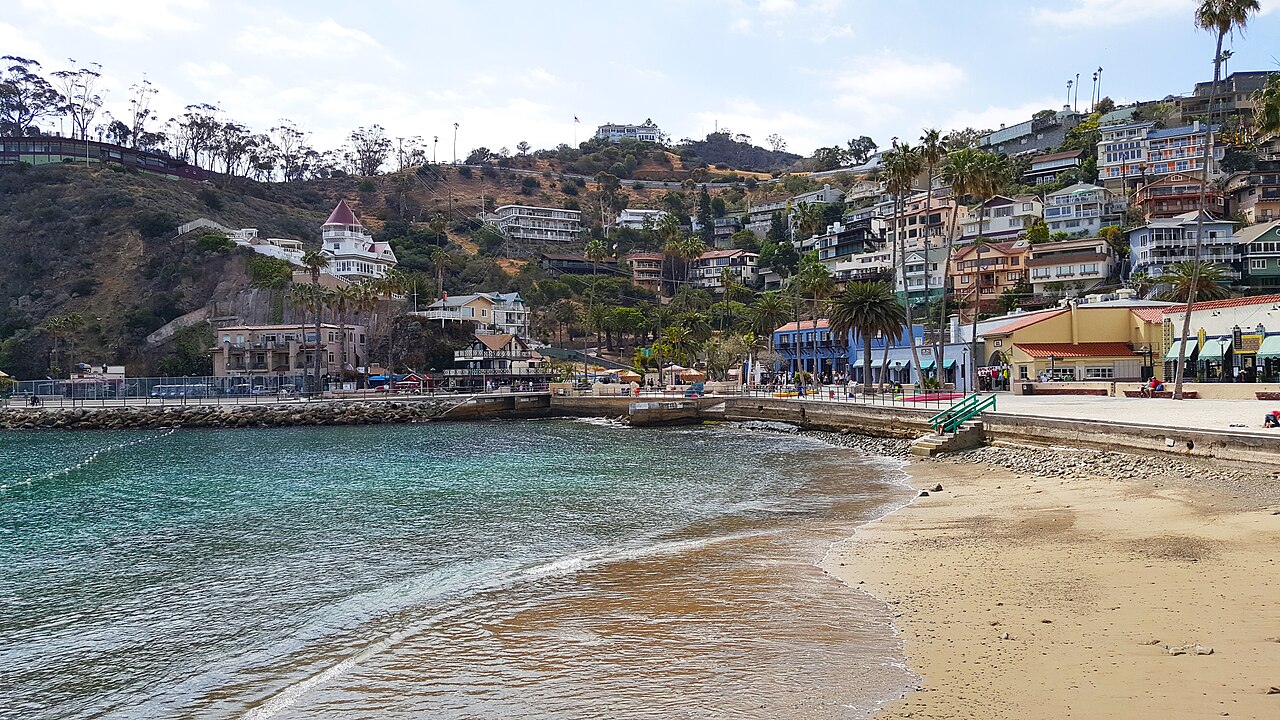
Avalon is the only incorporated town on Santa Catalina Island - a genuinely different product than a Long Beach or Orange County beach condo, even though both sometimes show up in the same guest's search when they type "California island getaway." Listing copy that borrows mainland beach-town language for an Avalon property, or that treats the harbor as a generic backdrop rather than the actual reason guests come, is describing a stay the property doesn't deliver.
This page works from the AirROI competitive-set extract dated August 8, 2026, covering 250 listings in Avalon's own market. It does not guess ferry crossing times, does not quote a portfolio-level revenue figure as if it described a typical single host, and is not legal advice on any island-specific permitting question - those belong with the City of Avalon directly. This is not legal advice.
Town Avalon, Not a Long Beach Weekend
The product being sold here is Avalon - the only incorporated town on Santa Catalina Island - not a mainland beach condo with a harbor view added for atmosphere. A listing title and opening line should say "Avalon" or "Santa Catalina Island" plainly, in the language a guest already uses when they search, rather than a vaguer "Southern California coastal getaway" framing that could describe a dozen mainland towns.
Guests booking Avalon specifically are choosing an island experience: a ferry crossing, a car-free or car-light town, and a genuinely different pace than a drive-up beach weekend. Listing copy that fails to signal that distinction upfront risks attracting a guest expecting mainland convenience who is unpleasantly surprised by the actual logistics of getting there and getting around once they arrive.
Sell the Harbor After the Last Ferry, Not Just the Daytime View
Avalon's harbor is genuinely the town's centerpiece, but most listings only photograph and describe it during the day - the boats, the beach, the Casino building in daylight. The harbor after the last ferry of the day, once the day-trip crowds have left and the town settles into its quieter evening rhythm, is a distinct and honestly more compelling version of the same view, and it's underused in most Avalon listing photography.
A host who can genuinely offer that evening view - lights on the water, a quieter Front Street, the Casino's architecture lit at night - should photograph and describe it specifically, rather than defaulting to the same daytime harbor shot every other Avalon listing already uses. This is a real differentiator that doesn't require guessing anything; it just requires photographing what's actually there after the crowds clear out.
Two-Night Copy Versus Thirty-Night Copy Are Different Documents
A guest booking a two-night Avalon weekend and a guest booking a 30-night stay are evaluating fundamentally different things, and a single piece of listing copy trying to serve both usually undersells one or the other. The two-night guest wants proximity to the harbor, restaurants, and the Casino; the 30-night guest wants a functional kitchen, laundry access, and an honest sense of what daily life in Avalon actually feels like once the novelty of the ferry ride wears off.
If a host is genuinely targeting both guest types, the listing description should address each explicitly - a short paragraph aimed at the weekend visitor, a separate paragraph aimed at the extended-stay guest - rather than one blended pitch that reads like neither guest's actual questions were considered.
Photos That Prove Harbor and House, Not Just One or the Other
The AirROI extract's $364 median cleaning fee signals a market where guests expect a professionally reset space, matching gallery-quality photography rather than a phone-camera dump. Photography should prove two separate things: that the harbor and island setting are genuinely close and genuinely as described, and that the house itself - the actual rooms, the actual kitchen, the actual bed - matches what the listing promises.
A harbor-only gallery leaves the guest unable to picture the actual rooms they're paying for; a house-only gallery leaves the setting a mystery until arrival. Professional stills sequenced the way a guest actually experiences the trip - ferry, harbor, the walk up to the property, then the house itself - carry both pieces of information in the order a guest naturally wants them.
Name the Casino Without guessing a Rate
The Casino - Avalon's landmark round building on the point, historically a ballroom and theater rather than a gambling venue - is a legitimate, specific landmark worth naming in listing copy when a property is genuinely near it. What a listing should not do is guess a walking time, an event rate, or an admission price for it; those specifics change and should come from the Casino's own current information, not from a host's guess dressed up as a fact.
Naming a real, specific landmark like the Casino does more for a listing's credibility than a vague "historic downtown" reference - it signals the host actually knows the town, as long as every claim attached to it (distance, hours, cost) is something the host has actually verified rather than assumed.
Calendar Language That Matches August, June, and September
Avalon's named peak months are August, June, and September, with the market also showing named demand in January, February, and December - a pattern consistent with both a summer island season and a distinct winter-holiday window, rather than a single uninterrupted peak. Pricing and calendar language should reflect both windows honestly: summer as the primary peak, with a genuine secondary lift around the winter holidays.
A listing that only prices toward summer and treats winter as uniformly dead is likely leaving December bookings on the table, given what the pack's own seasonal data shows. Conversely, a listing that implies year-round peak pricing without acknowledging the quieter stretches between those named months is overselling a calendar the data doesn't actually support.
Ferry Language Without guessed Minutes
The ferry crossing is the defining logistical fact of an Avalon stay, and it deserves accurate, current information in the listing - but crossing times, schedules, and terminal locations change with the operator and the season, and a host should link to or reference the actual current ferry schedule rather than quoting a specific minute count that may already be outdated by the time a guest reads it.
What a host can say with confidence, without needing a specific guessed number: that guests arrive by ferry, that the crossing is a real and enjoyable part of the trip rather than a chore, and that the listing is a specific walk or golf-cart ride from the harbor once they land. Precise minutes belong in a link to the ferry operator's own current schedule, not baked into permanent listing copy that will eventually go stale.
What Not to Advertise
Do not quote Catalina Vacations' portfolio-level revenue figure of $6,645,418 as if it describes what a typical single host earns - that number reflects an entire multi-property management company's book, not one listing's realistic outcome, and using it in any individual host's marketing or investor conversation is a straightforward misrepresentation of scale.
Do not advertise a Long Beach mainland-condo experience with an Avalon address attached, and do not guess occupancy lifts, ranking claims, or ferry-time specifics beyond what's actually verified. The market's own real figures - $721 ADR, 35.2 percent occupancy, $256 RevPAR, $77,042 typical annual revenue, and a $6,908 median month, all from the August 8, 2026 extract of 250 listings - are strong enough on their own without needing to borrow a bigger company's number or a mainland town's pitch.
Pricing Language That Matches the Extract, Not a Guess
A rate calendar built from the August 8, 2026 extract - $721 ADR against 35.2 percent occupancy - should reflect that Avalon runs a genuinely premium nightly rate at a moderate fill rate, not a high-volume, lower-rate model. A host discounting aggressively to chase occupancy above what the market's own comp set shows is competing against the actual pattern the 250-listing extract describes, not working with it.
The $6,908 median month, set against $77,042 in typical annual revenue, suggests real concentration around the named peak months rather than a flat, evenly distributed calendar. Pricing that under-charges during August, June, and September to smooth out the calendar is giving away the exact months the market's own data shows guests are willing to pay the most for.
What a Buyer Underwriting an Avalon Purchase Should Confirm
A buyer evaluating an Avalon short-term rental purchase should underwrite from the 250-listing extract's own figures - $77,042 typical annual revenue, $721 ADR, 35.2 percent occupancy - rather than from Catalina Vacations' portfolio-level number, which describes an entire company's book and would badly overstate what one property can realistically produce. Confirming which figure a pro forma is actually built on is a five-minute check that prevents a debt-service assumption the property cannot support.
A buyer should also confirm island-specific operating costs before finalizing an underwriting model: freight and supply costs for an island property typically run higher than a comparable mainland listing, and the $364 median cleaning fee reflects that reality rather than an inflated market rate. This is not legal advice on permitting - any Avalon-specific licensing question belongs with the City of Avalon directly, confirmed before closing rather than assumed from the market data alone.
Related Reading
More Avalon, Santa Catalina Island, and Catalina Island, California reading already live on Crest & Cove.
250 Listings and a Ferry: Avalon Short-Term Rental Report 2026
Avalon STR Rules: the Transient Rental License, 12% TOT, and the 24/7 Island Rep
DIY vs Hire in Avalon: Craft Against Catalina Vacations, Not a Franchise Gap
44% PM and 124 Catalina Vacations Homes: Is an Agency Worth It in Avalon?
Is Avalon a Good STR Investment in 2026? $77,042 and a License That Does Not Transfer
Catalina Island Tourism Spending and Avalon Hosts: What the Visitor Dollar Measures
The Complete Visitor's Guide to Avalon and Santa Catalina Island
What It Actually Costs to Start a Legal Rental in Avalon, CA
Financing an Avalon House: DSCR on $6,908 and a Ferry Calendar
Frequently Asked Questions
What are the verified performance numbers for an Avalon short-term rental?
The AirROI competitive-set extract dated August 8, 2026, covering 250 listings, reports an ADR of $721, occupancy of 35.2 percent, RevPAR of $256, typical annual revenue of $77,042, and a median month of $6,908. These are the market's own figures and should be cited directly rather than blended with a mainland beach town's numbers.
Is Avalon the same market as a Long Beach beach condo?
No. Avalon is the only incorporated town on Santa Catalina Island, reached by ferry, with a car-light island character genuinely different from a mainland Long Beach or Orange County beach condo. Listing copy that borrows mainland beach-town language for an Avalon property sets up a guest expecting a different, easier-access trip than the one they'll actually have.
Can a host cite Catalina Vacations' $6,645,418 revenue figure as typical earnings?
No. That figure describes an entire multi-property management company's portfolio, not what a typical single host or listing earns in Avalon. Using it to imply individual-listing earnings potential misrepresents the scale of the number and should not appear in marketing or investor conversations about a single property.
What is the median cleaning fee for an Avalon listing, and what does it signal?
The median cleaning fee across the 250-listing extract is $364, which signals a market where guests expect a professionally reset space matching gallery-quality photography rather than casual, inconsistent turnover. Hosts pricing below that median while promising professional-standard presentation should make sure their actual cleaning process can deliver on it.
Should Avalon listing copy include a specific ferry crossing time?
It's better not to quote a specific minute count, since ferry schedules and crossing times change by operator and season and a hardcoded number in listing copy will eventually go stale. Instead, describe the ferry as a real part of the trip and link to the current operator schedule, keeping the listing accurate without needing frequent manual updates.
When is Avalon's peak booking season?
August, June, and September are the named summer peak months, with the market also showing named demand in January, February, and December - a secondary winter-holiday window distinct from the summer peak. Pricing that only accounts for summer risks underpricing December, while pricing that treats the whole year as peak overstates what the calendar data actually shows.
Is it accurate to name the Casino building in Avalon listing copy?
Yes, if the property is genuinely near it - the Casino is a real, specific, historic landmark on the point, and naming it accurately signals local knowledge better than a vague "historic downtown" reference. What shouldn't be added are invented specifics like a walking time, event rate, or admission price that the host hasn't actually verified against the Casino's own current information.
How should a listing serve both a two-night guest and a 30-night guest?
With two distinct sections of copy rather than one blended pitch - a shorter paragraph for the weekend visitor focused on harbor and downtown proximity, and a separate paragraph for the extended-stay guest focused on kitchen, laundry, and daily-life logistics. Trying to answer both guests' actual questions in one generic paragraph tends to underserve both.
What should Avalon listing photography actually show?
Both the harbor and island setting and the interior of the house itself, ideally in the sequence a guest experiences arriving: ferry, harbor, the walk to the property, then the house. Showing only one half of that sequence - all scenery or all rooms - forces a guest to guess about whichever half got left out.
Is there a way to differentiate Avalon harbor photography from every other listing's shot?
Yes - most listings only photograph the harbor during the day, so an accurate evening shot, taken after the last ferry when the town quiets down, is a genuine and underused differentiator. It requires no invented claims, just photographing a real, distinct version of the same view that most competing listings skip.
Work with Crest & Cove Creative
Avalon's own August 2026 extract puts a typical listing at $721 ADR and $77,042 a year - real numbers for the only incorporated town on Catalina Island. Most listing copy here still borrows a mainland beach-condo pitch instead.
We build Avalon listing copy around the island's own verified extract instead of a bigger management company's portfolio number or a Long Beach beach-town template. Send us your current listing and we will tell you which lines are actually selling the island and which ones are selling something else.
Reach out at crestcove.co or (256) 998-7502.


Comments