
The Complete Visitor's Guide to Coeur d'Alene, Idaho

A good visitor's guide answers the questions a guest actually has, in the order they actually have them: how do I get here, what should I plan for on the first night, what's worth doing while I'm here, and when should I have booked this trip. A vague guide that could describe any Idaho lake town skips past all of that in favor of generic scenery language, and guests can tell the difference immediately.
This guide is built specifically for a Coeur d'Alene stay — not a regional Pacific Northwest getaway, not a generic Idaho lake town, but this specific place, with its own lake, its own downtown walk, its own seasonal pattern, and its own current regulatory picture for hosts who get questions about it. Most guests arrive here from the Seattle area, then from Spokane, typically staying about 4.8 nights and booking roughly 56 days ahead of arrival — details worth knowing whether you're a guest planning a trip or a host writing the copy that gets that guest to book.
What follows covers the practical arrival experience, the specific local landmarks worth naming, the real seasonal calendar this market runs on, and the regulatory basics a curious guest or a fellow host might ask about — all grounded in this town's own facts, with Spokane, Boise, and every other nearby market kept firmly on their own separate lines. This is not legal advice.
Arrive in Coeur d'Alene on Purpose
Most guests are driving in from the Seattle area first, with Spokane as the second most common origin point. That matters for how a visit actually unfolds: a Seattle-origin guest has typically committed to a longer regional trip and arrives having compared Coeur d'Alene against other Northwest lake and mountain destinations, while a Spokane-origin guest is often making a shorter, more spontaneous trip given the closer drive. Either way, the arrival experience — parking, the walk from the car to the door, the first view of the lake — sets the tone for the whole stay.
A first-night walk matters more than it might seem. Guests who've just finished a multi-hour drive want a clear, simple plan for their first evening: where to park, how far the walk into downtown or toward the water actually is, and what's realistically open by the time they arrive. A host who spells this out clearly in a listing or welcome guide saves a tired guest from wandering around trying to figure it out themselves, and that small kindness tends to shape the whole tone of a review.
Do not promise Spokane from a Coeur d'Alene driveway. It sounds like an obvious rule, but it happens more than it should when hosts reuse regional copy without editing it fully — describing an experience, a landmark, or a drive time that actually belongs to a different city. A listing that still names generic Idaho scenery instead of Coeur d'Alene specifically is already behind for guests who did their homework before booking.
What to See: The Lake and Tubbs Hill
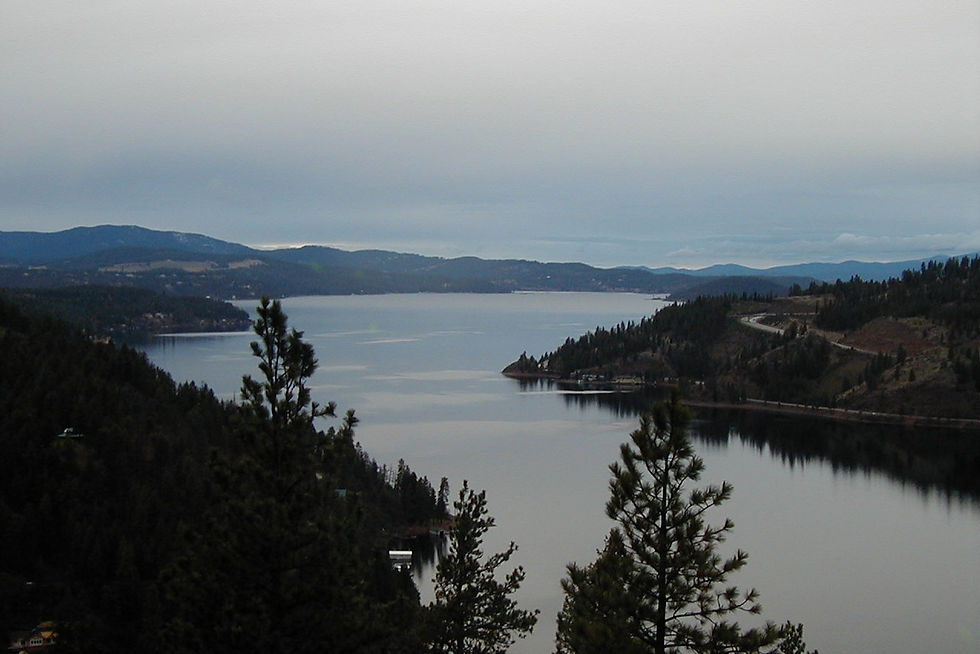
The lake itself is the obvious centerpiece of a Coeur d'Alene visit, and Tubbs Hill is one of the specific, recognizable local landmarks worth naming directly rather than describing vaguely as 'nearby trails' or 'scenic areas.' Naming these places specifically in a listing, a welcome guide, or a guest itinerary does real work: it tells a guest that whoever wrote this content actually knows the town, and it gives them something concrete to research and plan around before they arrive.
A good day for a visiting guest typically centers on the water and the walkable stretch of downtown near it — the kind of day that starts with a walk, includes time near or on the lake, and doesn't require a long drive to reach a genuine highlight of the trip. That's a meaningfully different visitor experience than a town where the best attractions require significant travel time, and it's worth spelling out clearly for guests who are trying to plan their limited time efficiently.
Named local event weekends are a real driver of demand throughout the year, even though a single market-wide dataset doesn't break out occupancy by individual event. If a guest is planning a trip around a specific weekend, encourage them to book well ahead of that weekend given how far in advance this market typically fills, and if you're a host, make sure your calendar and pricing reflect the demand spike a known event weekend can bring rather than treating every summer weekend as identical.
The Real Seasonal Calendar
August stands out as the strongest month on the extract, with June and July also performing well as part of the broader summer peak season, while January is the clear low point for the year. That seasonal shape should shape a visitor's expectations just as much as a host's marketing calendar: a summer visit means a livelier, busier lake town with more competition for tables and parking, while a January visit means a quieter, more intimate version of the same place, with its own appeal for guests looking for something less crowded.
Occupancy across the full year runs around 40.0 percent, with an average nightly rate near $327 producing a RevPAR close to $131. For a guest, that translates into a practical booking tip: the strongest summer months fill up meaningfully more than the annual average suggests, so booking well ahead of an August trip — ideally around or before the market's typical 56-day lead time — gives a much better chance at securing a well-located property than waiting until the last minute.
It's worth being honest about the market's current trajectory too. Year over year, revenue on the extract is down about 7.3 percent while supply is up about 7.1 percent, meaning there are more choices for guests than there were a year prior, even as the overall demand picture has softened slightly. For a visitor, that's actually good news — more listing stock generally means more options and potentially more competitive pricing, even during the strongest months of the year.
Do Not Promise Spokane From This Driveway
Spokane is a genuinely different city, with its own typical annual revenue of about $21,989 across 826 active listings on the same extract window, compared to Coeur d'Alene's own $29,149 across 766 listings. The two towns share a regional guest pool and sit close enough together that some visitors cross between them during a single trip, but they are not the same destination, and a visitor's guide — or a listing — that blends them together does a disservice to guests trying to plan a trip around one specific place.
If a listing or guest guide still names Spokane as part of the walk it's describing, the day being sold isn't actually this driveway. Keep Coeur d'Alene's own landmarks, its own lake, its own downtown walk as the center of any Coeur d'Alene-specific content, and if Spokane genuinely is part of a guest's broader regional trip, describe that as a separate day or a separate excursion rather than folding it into the core Coeur d'Alene experience.
What Hosts and Guests Should Know About Local Rules
A curious guest occasionally asks a host about permits or local short-term rental rules, and it's worth having an accurate, current answer rather than repeating outdated information. As of current law, Idaho Code 67-6539, amended by House Bill 583 and effective July 1, 2026, says a city cannot require a license, fee, permit, certification, or registration to operate a short-term rental, and Coeur d'Alene's own City Resolution 26-067 removes the city's remaining permit fees to match.
This pass deliberately does not guess a specific Coeur d'Alene STR permit dollar figure, since current law has moved toward removing remaining fees rather than setting a specific amount. Confirm remaining zoning, special-use, or lodging tax questions directly at cdaid.org or with the City of Coeur d'Alene, and check current Kootenai County pages for remaining lodging tax details, rather than relying on any secondhand summary for something that matters to your specific situation.
Planning a Multi-Night Stay Around the Lake
With the typical stay running about 4.8 nights, most visitors have enough time to settle into a real rhythm rather than rushing through a single-day checklist. A comfortable multi-night itinerary usually spreads across a slower first day to recover from travel, a full day centered on the lake and the walk near Tubbs Hill, and a more flexible final day or two for whatever caught a guest's interest along the way — a return trip downtown, more time on the water, or simply relaxing at the property itself.
Guests traveling from the Seattle area, having already committed to a longer regional trip, often benefit from this slower pace more than a rushed itinerary that tries to pack in every possible activity. A Spokane-origin guest on a shorter visit may compress the same rhythm into a tighter window, but the same basic structure — an easy first evening, a full day on the water, flexible time after that — tends to work well regardless of how long the total stay runs.
Weather and season should shape how a guest paces that itinerary. A summer visit during the June-through-August peak means longer daylight hours and warmer water, supporting a more active, outdoor-focused schedule, while a winter visit built around the market's quieter January stretch favors a slower pace with more time spent enjoying the property itself and the town's quieter version of its usual charm.
A Few Practical Notes for First-Time Visitors
Parking and walkability are worth understanding before arrival, since a guest who knows exactly where to park and how far the walk into downtown or toward the lake actually is will have a much smoother first evening than one figuring it out after a long drive. Hosts who spell this out clearly in their welcome materials are doing new guests a real favor, and guests booking a stay should look for that kind of practical detail in a listing description before assuming it will simply be obvious on arrival.
Booking timing matters as much for a good experience as it does for price. Since this market's strongest months fill up meaningfully more than the annual average occupancy figure suggests, and the typical guest books about 56 days ahead, waiting until the last minute for a summer trip often means settling for a less ideal location or a higher price for whatever remains. Planning ahead, particularly for an August visit, tends to produce a noticeably better outcome than booking on short notice.
Finally, keep expectations calibrated to the season you're actually visiting in. A guest expecting a bustling, packed-full August atmosphere during a January trip will likely be disappointed by how quiet things are, just as a guest expecting a quiet, uncrowded retreat during peak August season may find the lake town busier than anticipated. Understanding the real seasonal calendar ahead of time — rather than a generic, undated mental picture of what an Idaho lake town should feel like — sets up a much better and more satisfying trip from the very first day onward.
Related Reading
More The Complete Visitor's Guide to Coeur d'Alene, Idaho host reading on desks, calendars, and listing clarity.
Frequently Asked Questions
Where do most Coeur d'Alene visitors travel from?
Most guests arrive from the Seattle area first, with Spokane as the second most common origin. Seattle-origin guests tend to be on a longer regional trip and have often compared Coeur d'Alene against other Northwest destinations, while Spokane-origin guests, being closer, often plan shorter and more spontaneous visits. Both patterns are worth knowing whether you're planning a trip or writing listing copy meant to reach the right traveler.
How long does the typical visitor stay in Coeur d'Alene?
The typical stay runs about 4.8 nights, suggesting most visits are multi-night getaways rather than quick overnight stops. That's enough time to explore the lake, walk near Tubbs Hill, and settle into the town's pace without feeling rushed. Guests planning a shorter or longer trip than that average should still budget enough time to actually enjoy the lake rather than just passing through.
How far ahead should I book a Coeur d'Alene stay?
Guests typically book about 56 days ahead of arrival on average, and this market's strongest months — August, June, and July — tend to fill up meaningfully more than the annual average occupancy figure of around 40.0 percent suggests. Booking well ahead of a summer trip, ideally around or before that 56-day window, gives a much better chance at securing a well-located property during the peak season.
What's the single must-see landmark for a first-time visitor?
The lake itself is the obvious centerpiece, and Tubbs Hill is a specific, well-known local landmark worth building a day around. A good visit typically centers on the water and the walkable stretch of downtown near it, without requiring a long drive to reach a genuine highlight, which makes it a relatively efficient destination for guests trying to make the most of a limited-time trip.
Is Coeur d'Alene the same destination as Spokane?
No. Spokane is a separate city with its own typical annual revenue of about $21,989 across 826 listings, compared to Coeur d'Alene's roughly $29,149 across 766 listings on the same extract window. The two towns sit close together and share some regional guest traffic, but they have distinct character, landmarks, and local rules, so a trip planned specifically around Coeur d'Alene should treat it as its own destination.
When is the quietest time to visit Coeur d'Alene?
January stands out clearly as the market's low point for occupancy on the extract, meaning a January visit offers a noticeably quieter, less crowded version of the town compared to the busy summer peak. For visitors who prefer smaller crowds and easier access to restaurants and activities, a winter trip can be genuinely appealing, even though it's a different experience than the lively summer atmosphere most visitors associate with the lake.
Do short-term rental hosts in Coeur d'Alene need a city permit?
Under current Idaho law, Idaho Code 67-6539 as amended by House Bill 583 and effective July 1, 2026, a city cannot require a license, fee, permit, certification, or registration to operate a short-term rental. Coeur d'Alene's City Resolution 26-067 removes the city's remaining permit fees to match. Confirm any remaining zoning or special-use questions directly with the city before relying on secondhand information.
Does more competition among rentals mean better prices for visitors?
Possibly. Year over year, revenue on the extract is down about 7.3 percent while supply is up about 7.1 percent, meaning there are more active listings competing for guests than a year prior. For visitors, more listing stock generally translates into more choices and potentially more competitive pricing, even during the market's strongest summer months, though individual property pricing still varies significantly.
Are named local events worth planning a trip around?
Yes, named event weekends are a real driver of demand throughout the year, even though a broad market dataset doesn't break out occupancy by individual event. If you're planning a trip around a specific known weekend, book well ahead given the market's typical 56-day average lead time, since desirable properties near an event weekend tend to book up faster than an average weekend on the calendar.
What should a first-night arrival plan include?
A clear first-night plan should cover parking instructions, the actual walking distance from the car to the door or to downtown, and what's realistically open by the time a guest arrives after a multi-hour drive. Guests coming from Seattle or Spokane appreciate this kind of specific, practical detail far more than generic scenery descriptions, since it removes the guesswork from an already tiring first evening.
Work with Crest & Cove Creative
The lake, the walk, the first evening — Coeur d'Alene has its own rhythm, and it isn't Spokane's. Plan the visit this town actually offers.
Use the seasonal and arrival details here to plan a trip that fits the real Coeur d'Alene calendar rather than a generic assumption about Idaho summers. If you're a host who wants guest-ready copy built around this town's actual landmarks and seasons, reach out and let's put it together.
Reach out at crestcove.co or (256) 998-7502.


Comments