
Condo Photography: Views Versus Honest Unit Scale for STR hosts

Updated: Aug 27
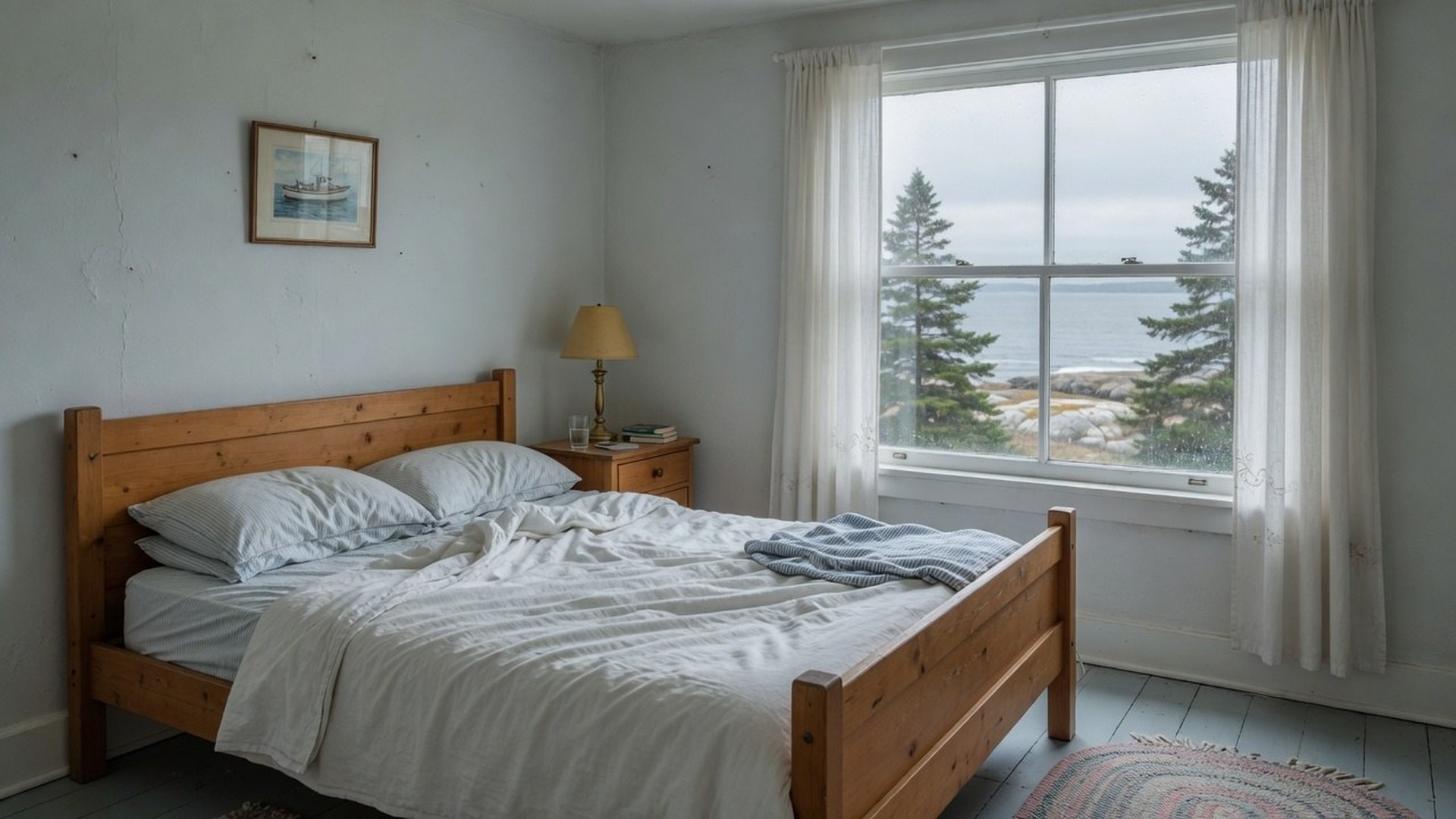
Condo photography has one advantage no farmhouse or cabin listing gets for free: a view. Ocean, skyline, golf course, mountain ridge , point the camera out the window and the photo does half the selling on its own. That advantage becomes a liability the moment the interior shots use the same wide-angle lens and low camera angle to make a compact one-bedroom read as spacious as the view outside it. Guests book the photo, not the square footage disclosure buried three paragraphs down, and the gap between the two is where condo reviews go sideways.
This page is about the specific mismatch between view-led photography and honest unit scale , not photography technique in general, and not a claim about how much a better photo set is worth in bookings. It won't guess at occupancy lifts from a reshoot, and it isn't legal advice about square-footage disclosure requirements, which vary by state and platform. Confirm any disclosure obligation with the platform's current listing policy or a qualified professional. This is not legal advice.
The View Sells the Click, Not the Stay
A balcony shot with an ocean horizon behind it earns the click because it answers the question every scroller is actually asking themselves: what would it feel like to wake up here. That's a legitimate emotional sell, and no host should apologize for leading with it. The problem starts when the same emotional promise gets carried into the interior shots , a bedroom photographed from a doorway with a 16mm lens to make an 11-foot-wide room look twice its size, or a kitchenette cropped tight enough that the guest never sees there's no full-size stove.
The view is honest. It's genuinely there, genuinely photographable, and genuinely part of what the guest is paying for. The distortion happens specifically in the interior photography, where a lens choice engineered to flatter a hotel suite gets applied to a unit that's a fraction of that size. Guests don't resent the view for being real. They resent discovering, after they've unpacked, that the rest of the unit was photographed to imply a scale it doesn't have.
What 'Honest Unit Scale' Actually Means in a Photo
Honest scale isn't about using a worse camera or a less flattering angle out of some sense of penance. It's about including reference points a guest's eye can actually calibrate against , a full-height door frame in the shot, a bed shown at a normal eye-level angle instead of from a corner near the ceiling, a kitchen photographed wide enough to show the counter run rather than a single flattering foot of it. A guest who can see the whole counter and the door frame next to it can estimate the real size of the room before they book, which is exactly the information a distorted wide shot is designed to hide.
This doesn't mean the interior photos have to look worse. A well-lit, well-composed photo of a genuinely compact space can still be an attractive photo , clean lines, good light, a made bed. The difference between attractive and misleading isn't lighting quality; it's whether the lens and angle choices are working to represent the space accurately or to imply a size the space doesn't have. A guest can forgive small; a guest rarely forgives small dressed up as spacious.
Where Guests First Notice the Gap
The moment of discovery is almost always physical, not verbal , a guest opens the door, takes two steps, and recalibrates everything they thought they knew about the unit in about four seconds. That recalibration happens before they've even set down a bag, and it colors every subsequent interaction with the space, including ones that have nothing to do with square footage. A guest who feels tricked by scale starts looking for other things that don't match, and condos give them plenty of candidates: a parking spot smaller than expected, a balcony that's really a Juliet balcony, a second bedroom that's actually a sleeper sofa in an alcove.
None of those secondary complaints are really about the balcony or the parking spot. They're downstream of the first four seconds, when the guest's trust in the listing's honesty took a hit it never fully recovered from. A host trying to diagnose why an otherwise decent unit collects review comments about "smaller than pictured" should look first at the interior lens choices, not at the amenities the reviews are nominally complaining about.
The Floor Plan Guests Don't Get But Should
A simple floor plan sketch , not an architect's drawing, just a labeled rectangle showing room dimensions and furniture placement , does more to prevent scale disappointment than any amount of careful photo composition. It gives a guest a number to anchor against instead of an impression to guess from. Condo hosts who add one tend to see fewer "smaller than expected" comments specifically, because the guest who books after seeing a floor plan has already made peace with the actual dimensions before arrival, rather than discovering them at the door.
This costs almost nothing to produce and directly answers the question wide-angle photography is otherwise being asked to answer on its own. A host does not need a professional measured survey to include one; a hand-drawn or app-generated sketch with approximate dimensions is enough to set honest expectations, and it reads as more trustworthy to a skeptical guest than another glamour shot of the same living room from yet another angle.
Views and Scale Are Not the Same Marketing Claim
Treat the view and the interior scale as two separate claims the listing is making, because guests evaluate them separately even when the photos blur them together. "Ocean view from the living room" is a claim about what's outside the window and it's either true or it isn't , easy to verify, easy to keep honest. "Spacious living area" is a claim about the interior, and it's the one that gets stretched when a host assumes the view's wow factor will carry the whole listing's credibility.
A listing can make the view claim as strongly as it wants, because a real view is genuinely a selling point with no downside to stating plainly. The interior scale claim needs the opposite treatment , understate it slightly, or describe it in concrete terms ("queen bed with about two feet of walking space on either side") rather than adjectives like "spacious" or "generous." Separating the two claims keeps the view's honesty from lending false credibility to an interior description that can't back it up.
What Parking and Access Add to the Scale Problem
Condo buildings compound the scale-honesty problem with two more variables that rarely make it into the photo set at all: parking and building access. A guest who books expecting a spacious unit and then also discovers the building's one guest parking spot is a tandem space three blocks away is absorbing two disappointments that reinforce each other, even though they're unrelated facts. Address both in the same pass , accurate interior scale and accurate parking and access instructions , because guests experience them as a single impression of whether the listing told the truth.
Elevator access, key fob logistics, and quiet-hours rules specific to the building (not just the unit) belong in the same honesty audit. A condo host reviewing photography for scale accuracy should use the same pass to confirm the building-level logistics are current, since both categories of information get checked by the same skeptical first-time guest in the same five minutes before they book.
When a Reshoot Is Worth the Cost
A reshoot is worth doing when the current photos actively misrepresent scale , when a guest standing in the unit would say "this doesn't look like the listing" rather than just "this is smaller than I pictured." The first is a trust problem; the second is a normal function of any photo failing to fully convey three-dimensional space, and no amount of reshooting eliminates it entirely. Prioritize the reshoot budget on the rooms where the current photos are doing the most work to imply scale the unit doesn't have , usually the bedroom and the main living area, less often the bathroom or the entry.
A host with limited budget should not treat this as an all-or-nothing rebuild of the entire photo set. Fix the two or three photos doing the most distorting first , often the wide bedroom shot and the tightly cropped kitchen , add a simple floor plan, and leave the view photography exactly as it is, since that part of the listing was never the problem.
Related Reading
More independent-host reading on honest listing copy, distribution, and when hiring help is worth it.
Frequently Asked Questions
Does a wide-angle lens count as misleading on its own?
Not by itself. Wide-angle lenses are standard in real estate and rental photography because they let a photographer show a whole room without backing into a wall. The problem is a specific combination: a low, close angle paired with an extreme wide-angle setting used deliberately to remove visual reference points a guest would otherwise use to judge scale. A wide shot that still includes a door frame or a person-height reference stays honest; one composed to hide every scale cue does not.
Should the listing state square footage directly?
Where the host actually knows the number, yes — a stated square footage gives guests a concrete figure instead of an impression built from photo angles. This page won't tell a host what disclosure rules apply on any given platform, since those requirements shift and vary; check the current listing policy on each platform being used. What's true regardless of policy is that a stated number, even an approximate one, reduces scale-related complaints more than any photography adjustment alone.
What's the fastest fix if a full reshoot isn't in the budget?
Add a simple floor plan sketch and rewrite the one or two sentences in the description that use unquantified size adjectives like 'spacious' or 'roomy.' Replace them with a concrete detail — bed size, walking space, counter length. That combination addresses the expectation-setting problem directly without touching the photo set at all, and it's the cheapest lever available to a host who can't afford new photography right away.
Do guests actually read the amenity list closely enough to catch scale mismatches there?
Rarely before booking, which is exactly why photos and captions carry more weight than the amenity checklist. Most guests skim the amenity list for presence or absence of specific items — washer, parking, air conditioning — not for scale information. That means the burden of honest scale representation falls almost entirely on the photos and the first few lines of the description, not on a bulleted list further down the page.
How does a scale mismatch affect reviews that aren't specifically about size?
It tends to lower the guest's tolerance for every other small friction during the stay. A guest who already feels the listing oversold the space is more likely to mention a slow WiFi connection, a noisy neighbor, or a missing kitchen item in their review than a guest who arrived with accurate expectations and encountered the same minor issue. The scale mismatch doesn't cause those other problems; it removes the guest's willingness to overlook them.
Is it worth photographing the view from multiple rooms if only one room actually has it?
Only if the caption is specific about which room. A shared building view photographed from a common rooftop deck and captioned ambiguously can read as if it's visible from the unit itself, which is a different honesty problem than interior scale but causes a similar arrival disappointment. Caption every view photo with exactly where it was taken from — the unit's own balcony, a shared deck, or a building amenity space.
Should the listing title mention the view, the size, or neither?
Lead the title with whatever is genuinely the strongest true selling point, and let that usually be the view when there is one worth naming. Don't use the title to imply size ('Spacious Ocean-View Retreat') unless the size claim can survive a guest standing in the room. A view-led title paired with an honest, specific interior description does more consistent work than a title trying to sell both size and view at once.
What should a host do about old, distorted photos already generating bookings?
Replace them in order of how much distortion they're carrying, starting with whichever room is generating the most 'smaller than expected' comments in reviews. A host doesn't need to pull down a whole photo set that's still driving bookings; swap the worst offenders first, add the floor plan, and watch whether the specific complaint pattern in new reviews changes before deciding whether a full reshoot is worth the cost.
Can accurate photography actually increase bookings, not just reduce complaints?
This page won't claim a booking lift from accurate photography, because that number isn't something a listing description can honestly measure without the host's own before-and-after data. What's observable without guessing is that guests who book with accurate expectations are less likely to request early checkout or leave a review centered on the mismatch, which protects the listing's rating over time even without a claimed increase in bookings.
Work with Crest & Cove Creative
A view sells the click in half a second; a distorted interior photo sells a disappointment that arrives the moment the guest opens the door. Photograph the view honestly and the unit at its real scale, and let the two.
We help condo hosts separate the view shot from the scale problem so both stay true on arrival. Send us the current photo set and we'll flag exactly which frames are doing the misleading work before you spend money on a full reshoot.
Reach out at crestcove.co or (256) 998-7502.


Comments