
Hire a Photographer Only After Your Listing Copy Is Honest

Updated: Aug 26
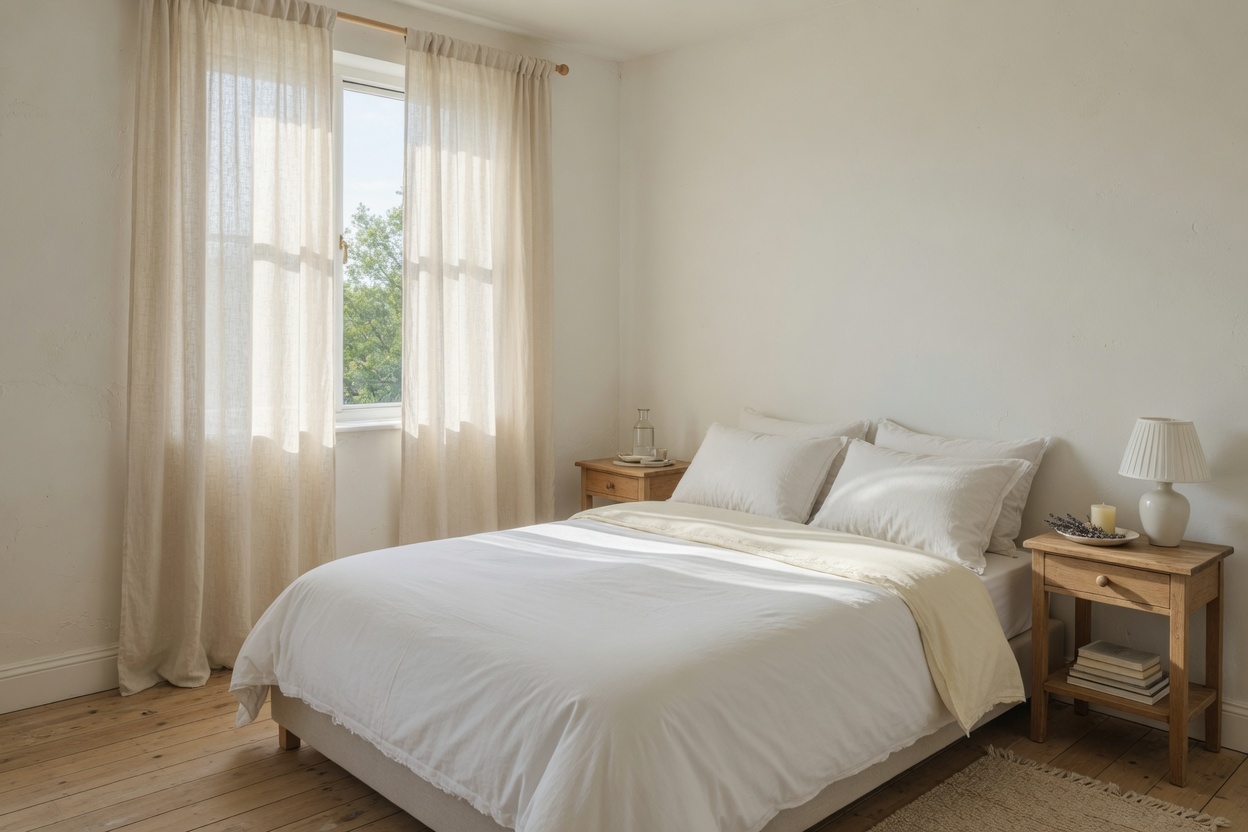
A beautiful photo shoot cannot rewrite a parking sentence that was never written, and it cannot fix a first photo that shows a room guests won't actually get. Hiring a photographer or a creative studio before the listing copy, house rules, and access details already match arrival is spending money to make an unfinished page look finished, which usually just means the mismatch gets discovered in higher resolution.
This page is about sequencing, not about photography quality. A genuinely good photographer earns their fee when the underlying listing is already honest; the same photographer's work gets wasted when it's layered on top of copy that oversells the stay. Evaluate a studio's portfolio, but evaluate your own listing first, because that's the piece a stranger to your market can't do for you.
None of what follows is legal advice, and nothing here promises a booking lift, a ranking improvement, or a revenue outcome from any specific vendor choice. It's a description of the order operations should happen in, and the questions worth asking a studio before signing anything. This is not legal advice.
Finish the Public Object Before You Shop for a Vendor
Before contacting a single photographer, walk through the listing as a guest would: title, first photo, about section, house rules. If any of those four already contradicts what a guest will actually experience, that's the project to finish this week, not the photo shoot to book next month. A new gallery layered on top of an inaccurate parking line or a vague access description just makes the gap look more credible. That walk-through takes fifteen minutes and costs nothing, which makes it the cheapest diligence step in this entire process.
This ordering isn't about delaying good photography forever. It's about not paying a studio to photograph a version of the house that the listing copy hasn't caught up to yet. If the about section still promises a private hot tub that was removed last winter, fix that sentence before you schedule anyone to shoot the backyard.
A host who finishes the public object first gets more value from every dollar spent on a studio afterward, because the photos are reinforcing claims that are already true instead of covering for ones that aren't.
Write the Brief Against Guest Questions, Not a Mood Board
The most useful photography brief isn't a Pinterest board of aspirational interiors; it's a list of the questions guests actually asked in the last month. If three different bookings asked how many steps lead to the front door, that's a shot list item, not an afterthought. A studio that only shoots for atmosphere will miss the practical images that actually reduce pre-arrival questions. Skipping that check is the single most common way hosts waste a photography budget.
Bring the inbox to the first vendor conversation. A studio worth hiring will ask what guests keep getting confused about, because those are the photos that do double duty: they look good and they answer a real question a stranger has before booking.
Finish one specific object with this brief, whether that's the parking area, the entry sequence, or the kitchen guests keep asking about, before expanding the shoot list into every room in the house. A tightly scoped brief produces sharper, more useful results than a wide one.
What a Photographer's Brief Should Actually Match
A photographer or studio brief needs to match the listing's operable parking, access, and first-photo claims, not the aspirational version of the house a host wishes were true. If the driveway holds two cars, the brief should note that so the photographer doesn't accidentally shoot an angle that implies more parking than exists. Skipping that sequencing step is the fastest way to overspend on a shoot that never needed to happen yet.
The first photo carries more weight than any other single image on the listing, because it's the one every guest sees before deciding whether to click further. It should match the about section and the house rules exactly; a mismatch here is the fastest way to generate a confused first message from a new booking.
Gate the vendor hire on this brief being accurate. A studio can only photograph what a host tells them is true, so an inaccurate brief produces inaccurate photos no matter how skilled the photographer is.
Anti-Patterns That Waste a Photography Budget
Five patterns show up repeatedly when hosts hire creative help before the listing is ready: vanity polish charts that measure production value instead of guest usefulness, portfolio-only pitches that never ask about the actual property, generic regional decks recycled across unrelated towns, shoots scheduled before parking and access copy get fixed, and photo captions that never get updated once the shoot is delivered.
Watch for a studio that leads with its portfolio before asking a single question about your specific house. A portfolio shows what a studio can do in general; it says nothing about whether they'll ask the right questions about your parking, your access, or your quiet hours before they show up with a camera.
Send back any proposal built as a generic regional template rather than something scoped to your listing's actual gaps. A studio that proposes the same shot list for every host in a region hasn't actually looked at what your listing needs.
Season the Shoot to the Month You're Actually Selling
Match photos to the season currently for sale, not to whatever month photographed best last year. A gallery shot in June peak foliage looks dishonest attached to a listing being marketed for a January stay, and guests notice the mismatch the moment they arrive to a different-looking property.
If a host only has budget for one seasonal shoot, prioritize the season that generates the most bookings and the most guest confusion when photos don't match. A studio worth hiring will ask which season the listing is actively selling before proposing a shoot date.
Photo seasonality is a small detail that compounds. A gallery that consistently matches the month being sold builds the kind of trust that reduces cancellation risk and pre-arrival anxiety far more than a single dramatic hero shot ever will.
Ask for References Tied to a Similar Property
A studio's portfolio shows their best work in general; a reference from a host with a similarly sized, similarly styled property shows how they perform on a project like yours specifically. Ask for one, and actually call, rather than accepting a curated testimonial pulled from the studio's own website.
The question worth asking that reference isn't "were the photos nice"; it's "did the studio ask about your parking, your access, and your quiet hours before they showed up." That question separates a studio that treats each shoot as a generic aesthetic exercise from one that treats it as documenting a specific, real property.
A studio that can't produce a comparable reference, or that seems surprised by the question, is worth a second look before signing anything. This isn't about distrust; it's about confirming the studio's process matches what this page describes as the sequence that actually produces useful results.
It's fine for a studio to be newer or to lack a perfectly matched reference; plenty of skilled photographers are still building their portfolio in this specific niche. What matters more than tenure is whether they're willing to ask the specific, practical questions this section describes, regardless of how many prior STR shoots they've completed.
If a reference call isn't feasible, ask instead to see one full, unedited shot list from a past STR project alongside the delivered gallery. Comparing the two shows whether the studio's planning process actually anticipated the practical questions a guest would have, or whether the shot list was built purely around visual variety.
Price the Shoot Against the Gap It Actually Closes
The right budget for a photography or creative studio project is tied to how much guest confusion the resulting images will actually resolve, not to a generic per-room or per-hour rate a studio quotes by default. A small, targeted shoot that fixes three specific guest-confusion points is worth more than an expansive full-property shoot that photographs everything except the parking area guests keep asking about.
This reframing helps hosts avoid both overpaying for polish the listing doesn't need and underpaying for a gap that's actually costing bookings or generating repeat questions. Bring the inbox data into the pricing conversation, not just the square footage of the house.
A studio quoting confidently without asking what problem the shoot is meant to solve is pricing a generic service, not this specific listing's actual need. Push for a conversation about the gap before agreeing to a number.
What Happens After Delivery Matters As Much As the Shoot
A photo delivery is not the finish line; the finish line is the moment the new images and captions are actually live on the listing, matched correctly to the rooms and claims they represent. A folder of beautiful images sitting unused in a downloads folder has the same practical value as no shoot at all.
Update captions to match the new photos exactly, and remove any old image that no longer reflects the current season or the current state of the property. A gallery that mixes old and new photos inconsistently can look more disjointed than one that was never updated at all.
Set a date to revisit the gallery each season, the same discipline that applies to every other seasonal claim on the listing. A studio relationship worth keeping is one a host can return to for that seasonal refresh, not just a single one-time project.
Questions Worth Asking on the First Vendor Call
Ask directly whether the studio has photographed a property with similar access constraints before, a walk-up unit, a shared driveway, a building with a managed entry. Their answer reveals whether they think about a shoot as documentation of a real property or purely as an aesthetic exercise disconnected from how a guest actually experiences the space.
Ask what happens if the shoot reveals something the listing copy got wrong, a room that photographs smaller than described, an angle that shows more clutter than the host expected. A studio worth hiring will flag that honestly rather than quietly shooting around the problem to deliver a flattering gallery that doesn't match reality.
Ask how captions get handled, whether the studio provides them or expects the host to write them separately. A gap here is common, and it's exactly where a beautiful photo ends up paired with a stale or inaccurate caption because nobody was clearly responsible for keeping the two in sync after delivery.
Budget Doesn't Have to Mean an All-or-Nothing Shoot
A full-property professional shoot isn't the only way to close a photography gap. A host can hire a studio for a single targeted session, the entry sequence and gear storage, for instance, while handling the rest of the gallery with well-lit phone photos taken during good afternoon light.
This kind of scoped hire often produces better results than an unfocused full shoot anyway, because the studio's attention goes entirely toward the images that actually needed professional lighting and composition, rather than being spread thin across every room in the house.
Revisit the scope each season rather than assuming one full shoot needs to cover every future need. A targeted follow-up session addressing whatever's changed, a renovated bathroom, a repainted exterior, keeps the gallery current without requiring a full re-shoot every time something small changes.
What Vendor Evaluation Can Genuinely Claim
A well-evaluated photographer or studio can genuinely claim images that match the listing's real parking, access, and seasonal reality, and a shot list built from actual guest questions rather than a generic aesthetic brief. That's a real, measurable improvement in how well the listing sets expectations.
What this page will not claim is a booking lift, a search-ranking improvement, or a revenue outcome tied to any specific vendor or shoot. Those numbers aren't something a photography brief can promise, no matter how the pitch is worded, and a host should be skeptical of anyone who claims otherwise.
When the listing already matches arrival and the shoot reinforces that accuracy, stop adding more vendor spend. Additional polish on top of an already-honest listing is optional, not required.
What to Finish This Week Before Any Vendor Call
Rewrite one access or parking line from the last three guest questions, publish it on the listing today, and date the change. That single edit, done before a photography brief even exists, sharpens every conversation with a vendor afterward because the brief now reflects something true.
Keep the inbox running while this happens. Fixing the listing and answering guest threads aren't sequential tasks that require pausing one for the other; they happen in the same week, and the inbox is often where the next fact worth writing into the listing shows up.
Stop the pre-vendor cleanup once the public listing no longer contradicts itself. At that point, a photography or creative studio conversation is worth having, because the money will be reinforcing something real instead of dressing up a gap. That sequencing, listing first, vendor second, is the whole difference between a shoot that pays for itself and one that just photographs a problem more attractively.
Related Reading
More independent-host reading on honest listing copy, distribution, and when hiring help is worth it.
Frequently Asked Questions
When should a host actually hire a photographer or creative studio?
After the listing copy, photos, and house rules already match what a guest will experience on arrival — not before. Hiring first and fixing the listing later usually means paying to photograph a version of the house the copy hasn't caught up to. Finish the public object, then bring in a vendor to reinforce what's already true.
What should go into a photography brief besides a shot list?
The last month of guest questions. If guests keep asking about steps, parking, or a specific room, that's what the brief should prioritize, because those images do double duty: they look good and they answer something a stranger actually needed to know before booking. A mood board alone misses that.
What's a warning sign when evaluating a creative studio?
A pitch that leads entirely with a portfolio and never asks a specific question about your property, its parking, or its access details. A strong portfolio proves general skill; it says nothing about whether the studio will ask the right questions about your specific listing before they show up to shoot it.
Should a photography shoot happen in the current selling season?
Yes. Photos should match the month currently being marketed, not whichever season photographed most dramatically. A gallery shot in peak summer attached to a listing actively selling winter stays creates a mismatch guests notice the moment they arrive, which undermines the trust the photos were meant to build.
Does better photography improve search ranking or booking odds?
This page makes no such claim, and no vendor conversation should either. Photography quality can make an honest listing communicate more clearly, but a booking lift or ranking improvement isn't something a shot list can promise. Treat any vendor pitch that guarantees those outcomes with real skepticism.
What's the composite failure this page is trying to prevent?
A host hires a soft creative studio and pays for a polished deck while the parking sentence and access copy still misrepresent the property, and the first photo still surprises arriving guests. The shoot looked successful on delivery, but the underlying mismatch that generates complaints was never actually addressed.
Should the inbox pause while a host prepares for a photo shoot?
No. Guest threads keep running regardless of what vendor project is in progress, and pausing replies to focus on planning a shoot just creates a second problem while the first one is still unresolved. Handle both in the same week; they aren't in competition for the same hour.
What is the single most useful pre-shoot edit a host can make?
Rewrite one access or parking line pulled directly from recent guest questions, publish it, and date the change. That edit alone sharpens the eventual photography brief and often resolves the guest confusion faster than waiting for a full shoot to be scheduled and delivered.
How does a host know the listing is ready for a vendor conversation?
When the title, about section, first photo, and house rules no longer contradict what a guest actually experiences on arrival. At that point a photographer's work reinforces something true instead of covering a gap, which is where the spend on professional creative help actually pays off.
Can a generic regional photography package be trusted for a specific listing?
Send it back. A studio proposing the same shot list and pitch deck across unrelated towns hasn't looked at what your specific listing needs, whether that's a step count, a parking angle, or a seasonal match. Ask for a brief scoped to your property's actual guest questions before signing anything.
Work with Crest & Cove Creative
A gorgeous photo shoot can't rewrite a parking sentence nobody wrote, and it definitely can't fix a first photo that surprises arriving guests. Pay for polish only after the listing itself already tells the truth.
We help independent hosts sequence the work correctly, fixing listing copy, access claims, and parking language first, then pointing you toward photography that reinforces what's already true rather than covering for what isn't. Send the live listing and the last month of guest questions before your next vendor call.
Reach out at crestcove.co or (256) 998-7502.


Comments