
Underwrite Massanutten Mega-Home: DSCR on $5,328 and 39.5% Occupancy

Updated: Aug 30
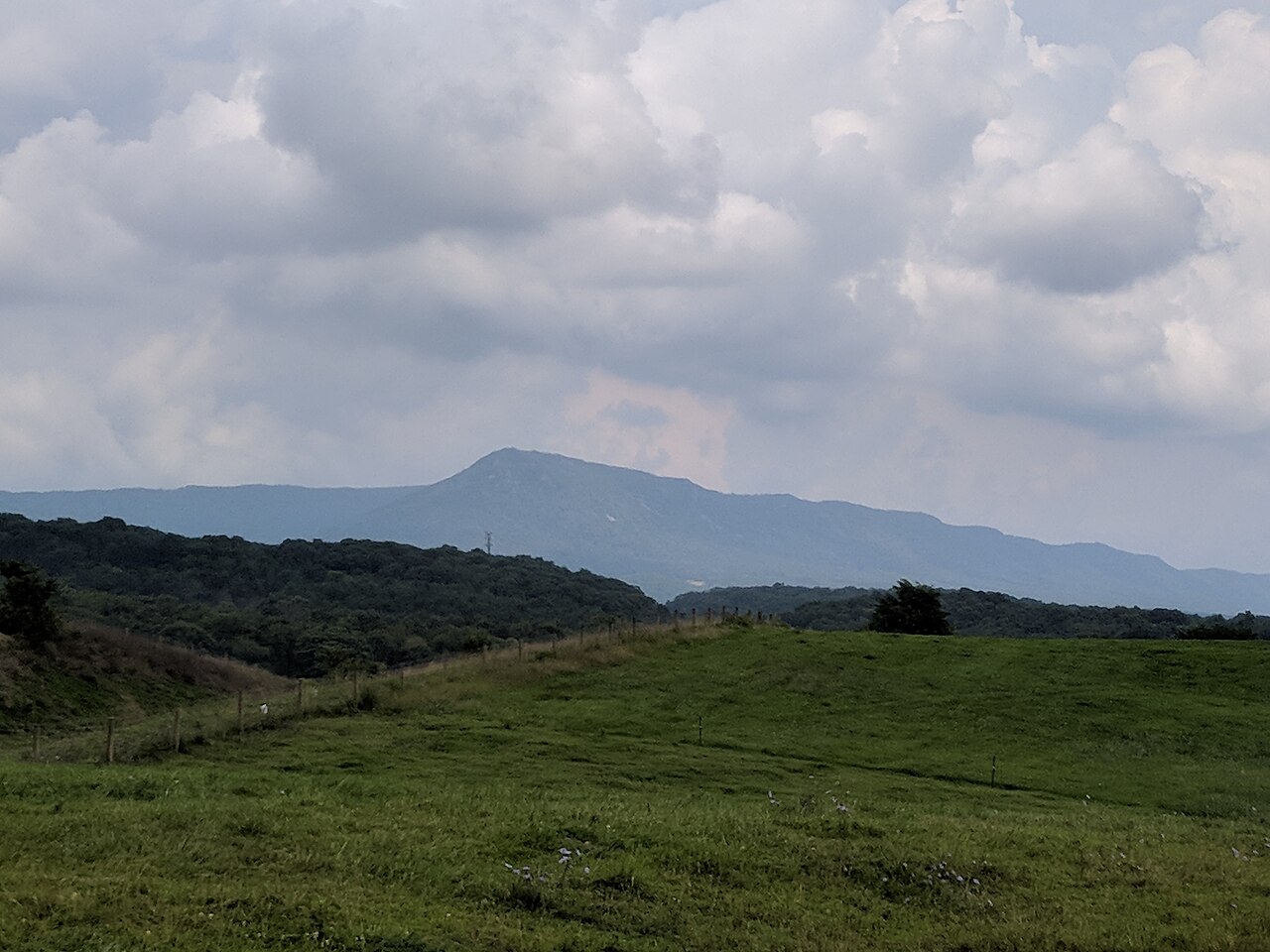
Financing a large-format short-term rental near Massanutten in McGaheysville, Virginia means building a debt-service-coverage-ratio file around what the property actually earns across a full year, not around one strong December weekend. AirROI's McGaheysville snapshot, updated 2026-08-08, locks trailing year revenue at $62,240, ADR at $471, occupancy at 39.5 percent, and RevPAR at $208.
Median monthly cash in that same snapshot sits at $5,328, with peak months stacking December, August, and November. Peak-season averages run closer to $8,788 at roughly 50.8 percent occupancy and an ADR near $465 - a meaningfully different number than the annual average, and one a lender's underwriter will separate from the full-year figure rather than let a borrower conflate.
This is a mega-home file specifically - large bedroom count, group-oriented, likely priced and marketed differently than a standard two- or three-bedroom cabin - and the underwriting has to reflect that scale, not a generic Massanutten-area comp. This is not legal advice.
Second-Home Financing for DC, Richmond, and Harrisonburg Owners
A buyer purchasing a McGaheysville mega-home with personal use in mind - a DC, Richmond, or Harrisonburg-area owner who wants ski-season and summer weekends for their own family, with rental income as a secondary offset - has a genuinely different financing path than an investor buying purely for rental income.
Second-home loan programs typically offer better rates and lower down payments than investment-property loans, but they carry real occupancy restrictions on how much the property can be rented out, and lenders will scrutinize a file that shows heavy rental marketing alongside a second-home loan application.
The file needs a clean, consistent story: second home with occasional rental, or investment property with limited personal use - not both framed simultaneously to try to capture the better terms of one while running the business model of the other.
DSCR Products Where Rent Pays the Note
A DSCR loan qualifies primarily on the property's projected or trailing rental income relative to its debt obligation, rather than the borrower's personal income - which makes it the more natural product for an investor-positioned mega-home purchase where the rental income is genuinely the point.
For a property with McGaheysville's trailing numbers, the DSCR lender's core question becomes whether $62,240 in annual revenue (or a conservative haircut of it) covers the note at whatever purchase price and down payment the borrower brings, not whether the borrower's W-2 or personal debt-to-income supports the loan.
Because DSCR underwriting leans so heavily on the property's own income data, the quality and conservatism of that income projection matters far more here than on a standard owner-occupied mortgage - which is exactly why the market snapshot's annual-versus-peak-season distinction has to be handled carefully.
Reading $62,240, $471 ADR, and 39.5 Percent Occupancy for a Loan File
$62,240 is trailing annual revenue for the McGaheysville snapshot - a market-level figure, not a projection built for this specific mega-home's bedroom count or amenity package. $471 ADR and 39.5 percent occupancy are the components that produced that revenue figure across the sampled properties.
A borrower's own pro forma should start from this trailing figure as a baseline, then adjust deliberately for how their specific property compares - more bedrooms and larger group capacity can support a materially different ADR than the market average, but that adjustment needs a defensible basis (comparable large-format listings, an actual booking history) rather than an assumed multiplier.
39.5 percent occupancy is the number that should drive the stress-test conversation, not the peak-season 50.8 percent figure - a lender reading this file conservatively will weight the annual number more heavily than the best-season number when deciding what income the note can actually rely on.
The 20-25 Percent Lender Expense Haircut Is Not Your Fee Stack
DSCR lenders commonly apply a 20-25 percent expense haircut to a property's gross rental income before calculating the debt-service ratio - a standard underwriting practice meant to account for property management, cleaning, maintenance, vacancy, and other operating costs the gross revenue figure doesn't reflect.
This haircut is a lender underwriting tool, not a management fee, a Rockingham County transient occupancy tax line, or a platform commission - it exists purely to give the lender a more conservative net-income figure to test against the debt obligation, independent of whatever actual expense structure the borrower runs.
A borrower should ask their specific DSCR lender what haircut percentage they apply and confirm whether it's a fixed policy or a case-by-case underwriting judgment, since a file that clears comfortably at a 20 percent haircut might not clear at 25 percent.
Supply Plus 846.7 Percent Is the Watch a Conservative Desk Will Use
The AirROI extract shows supply up 846.7 percent alongside revenue up 271.8 percent year-over-year - both figures belong in the same risk section of any underwriting file, not on opposite sides of a pitch that highlights the revenue growth while ignoring the supply flood that could be driving future ADR and occupancy pressure.
A supply increase of this magnitude signals a market that's rapidly adding competing listing stock - which a conservative underwriter, or a borrower doing their own diligence, should treat as a genuine watch item for whether current ADR and occupancy levels hold, soften, or improve as that new supply absorbs into the market.
Evolve showing three listings in the extract is a market-share data point, not a liquidity story - a national brand having a small local footprint isn't proof a mega-home owner can exit in ninety days at last year's ADR if conditions change. Underwrite hold-period cash flow, not flip theater.
Vacancy, Seasonality, and Why February, March, and September Matter
Peak months in the extract stack December, August, and November - but the months that will actually test a DSCR file's real-world durability are the quieter ones: February, March, and September, where occupancy drops well below the peak-season 50.8 percent figure and closer to, or below, the 39.5 percent annual average.
A borrower's own cash-flow model should explicitly account for these lower-demand months rather than assuming the peak-season pattern holds year-round - a mega-home with a large mortgage payment needs to service that debt through the quiet months, not just the strong ones.
This is also where the mega-home format itself carries specific risk: a large property's higher nightly rate and higher fixed costs (utilities, cleaning for a bigger footprint) both cut harder during low-occupancy months than they would for a smaller, cheaper-to-carry property.
How Lenders May Treat 30-Plus-Night Stays, Covenants, and Legal Use
Parcel jurisdiction - unincorporated Rockingham County versus the City of Harrisonburg versus one of the seven incorporated towns - affects the short-term rental administrative path if the owner rents, but it does not change the DSCR underwriting math itself; the lender cares about legal permissibility and income durability, not which specific office issues the permit.
A borrower should confirm the parcel's actual jurisdiction and whatever short-term rental registration or permitting that jurisdiction requires before closing, since a lender may condition the loan on confirmed legal rental use, and any HOA or community covenants specific to the McGaheysville/Massanutten area development need the same confirmation.
30-plus-night stays sometimes get treated differently by both local ordinances and lender occupancy classifications than shorter-term rentals - a borrower planning a mix of short-term and extended-stay bookings should clarify with both the jurisdiction and the lender how that mix affects permitting and loan classification before assuming either applies uniformly.
Choosing a Path and Stress-Testing the Note
A borrower weighing this purchase should model at least three scenarios: the trailing annual figure ($62,240, 39.5 percent occupancy) as a base case, a downside case reflecting the supply-flood risk (softer ADR or occupancy than trailing data shows), and a realistic mega-home-adjusted case that accounts for the property's actual bedroom count and comparable large-format listings rather than the market-wide average.
The note should clear comfortably in the base case after a standard 20-25 percent expense haircut - if it only clears in an optimistic case that assumes peak-season occupancy holds year-round, that's a fragile file, not a financeable one.
The path forward is choosing a clean legal and financing story upfront - second home or investment, DSCR or conventional - confirming jurisdiction and covenant rules for legal rental use, and stress-testing the note against the quiet months and the supply-growth risk before committing to a purchase price.
Related Reading
More Mc Gaheysville, Massanutten, and Rockingham County, Virginia reading already live on Crest & Cove.
142 Mega-Homes on Massanutten: Mc Gaheysville VA Short-Term Rental Report 2026
Mc Gaheysville STR Rules: Rockingham County, Massanutten POA, and the City of Harrisonburg
How to Market a Massanutten Airbnb: Ski Week and Water Park Week, Not a Shenandoah Valley Cabin
DIY vs Hire in Mc Gaheysville: Photo Craft for an 8-Guest Mega-Home
Bri, Chris, Jeremy, and Evolve: Is an Agency Worth It in Mc Gaheysville?
Is Mc Gaheysville a Good Short-Term Rental Investment in 2026? The Supply Flood Is the Risk
Mc Gaheysville Shoulder Season: Why December and August Are Different Products
A 28-Night Massanutten House for DC and Richmond Remote Workers
Who Books a Mc Gaheysville House: Ski Week, Water Park Week, Friendsgiving
Rockingham County Tourism Spending and Mc Gaheysville Hosts: What the VATC Number Measures
The Complete Visitor's Guide to Mc Gaheysville and Massanutten
What It Actually Costs to Start an Airbnb in Mc Gaheysville, VA
Massanutten Water Park vs the Ski Hill: Two Calendars, One Mc Gaheysville House
A Mc Gaheysville Weekend From D.C.: I-66, US-33, and Friday at 5
Massanutten POA and the Village Map: Which Amenities Guests Can Actually Use
Frequently Asked Questions
What does the McGaheysville AirROI snapshot show for annual performance?
Trailing year revenue of $62,240, ADR of $471, occupancy of 39.5 percent, and RevPAR of $208, updated 2026-08-08. Median monthly cash sits at $5,328, with December, August, and November as the peak months -- figures that describe the underwriting year, not a purchase price or a finished coverage ratio.
Why is the peak-season occupancy figure different from the annual figure?
Peak-season averages run near 50.8 percent occupancy and $465 ADR, producing roughly $8,788 in peak months -- meaningfully higher than the 39.5 percent annual occupancy figure. A lender should weight the conservative annual number rather than the peak-season figure when stress-testing whether the note actually clears across a full twelve-month calendar, not just the strongest quarter.
What is the 20-25 percent lender expense haircut?
A standard DSCR underwriting practice that reduces gross rental income before calculating the debt-service ratio, accounting for management, cleaning, maintenance, and vacancy. It's a lender tool applied during underwriting, not a management fee or a tax line, and it shouldn't be confused with either when a borrower is reading a term sheet.
Why does an 846.7 percent supply increase matter to a financing decision?
That scale of new competing listing stock is a genuine watch item for whether current ADR and occupancy hold as new supply absorbs into the market. It belongs in the same risk conversation as the 271.8 percent revenue growth figure, not ignored in favor of the more flattering number alone -- a lender comparing both figures side by side gets a much more honest read on where the market is heading.
Should this be financed as a second home or an investment property?
That depends on actual use. Meaningful rental income paired with active marketing typically calls for investment-property or DSCR underwriting, while heavy personal use with occasional rental fits second-home programs better. Whichever path applies, keep one consistent story across the loan file rather than switching framing to suit whichever number looks better.
Does having only three Evolve-managed listings in the extract signal easy liquidity?
No. A national brand's small local footprint is a market-share data point, not proof of a fast exit at last year's ADR. Underwrite hold-period cash flow using the market's actual annual figures, not an assumed quick flip based on how few professionally managed comparables happen to exist nearby, since a thin management market says nothing about resale timing or price.
Does McGaheysville's jurisdiction affect DSCR underwriting?
Parcel jurisdiction -- unincorporated county, City of Harrisonburg, or an incorporated town -- affects the short-term rental permitting path, not the DSCR math directly, but a lender may still condition the loan on confirmed legal rental use. Confirm which jurisdiction actually governs the parcel before assuming a permit is available, since the three jurisdictions each run their own separate approval process.
What should a borrower stress-test before committing to a purchase price?
Model the trailing annual figure as a base case, a downside case reflecting supply-growth risk, and a mega-home-adjusted case using comparable large-format listings. The note should clear in the base case, not just in an optimistic peak-season scenario built around the strongest three months of the year, since a downside case built on the actual annual number is what a conservative lender will underwrite to.
Work with Crest & Cove Creative
39.5 percent occupancy and an 846.7 percent supply flood are the files a McGaheysville mega-home buyer brings to a lender, not a December screenshot. Underwrite hold-period cash flow, not flip theater.
We help buyers and hosts build DSCR-ready underwriting files for large-format properties that hold up against the market's actual annual numbers, not just its best season. Reach out at crestcove.co or (256) 998-7502. Send the live listing draft and the facts you can actually cite.
Reach out at crestcove.co or (256) 998-7502.


Comments