
Rockingham County Tourism Spending and McGaheysville Hosts: What the VATC Number Measures

Updated: Aug 28
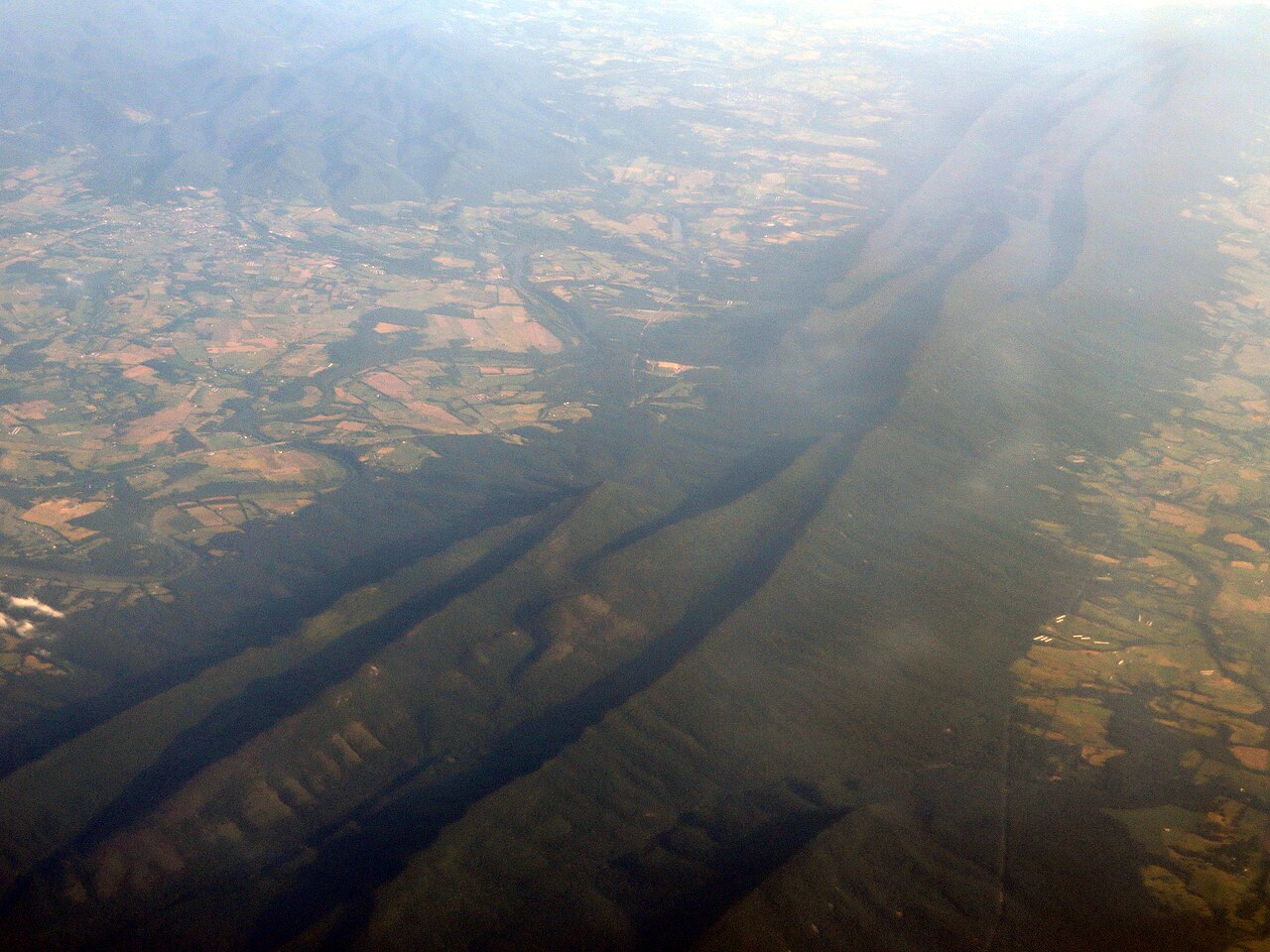
Rockingham County and Harrisonburg city visitor spending are what travelers spend in those localities. They are not what a McGaheysville listing earns. Harrisonburg Tourism’s September 10, 2024 reprint names city visitor spend of $243 million, 2,677 jobs, and local tourism-related taxes that “topped $13 million.” That is a city figure. A Rockingham comprehensive-plan reprint this cluster can date cites $177,725,728 for 2021 — year-label it if you use it. Do not invent a 2024 county dollar on this page. Do not paste Page County, Luray, or Shenandoah National Park visitor dollars even as a nearby comparison. Do not put $243 million next to $62,240, $5,328, or $471.
This page is the tourism wall for McGaheysville hosts, not a market report and not a rate card. AirROI’s McGaheysville file, updated August 8, 2026, is a separate H2: 142 listings, 39.5 percent occupancy, ADR $471, median month $5,328, typical annual revenue $62,240. Those vendor sentences describe host inventory on a pin. They do not measure locality-level visitor spend. County TOT at 5 percent of gross on lodging of 30 consecutive days or less is public finance, not the spend study. Joshua Gooden, Economic Development and Tourism Manager, , is the county tourism desk this cluster names — reconfirm title and phone the week of draft. Hard-link themarket reportfor host numbers. Hard-link thevisitor guidefor guest itinerary. Hard-link theshoulderpost for the hole calendar. Never pair visitor dollars with rental income on a slide.
Visitor spend is not host revenue
Visitor spend is a locality-level estimate of what travelers spend on lodging, food, transport, recreation, and retail under the methodology the source uses — for Virginia locality tables, that often tracks Virginia Tourism Corporation methods. Host revenue is what one listing or a market median earns after guests book nights. Those are different columns. A deck that puts Harrisonburg’s $243 million beside a McGaheysville ADR of $471 is arguing that a city economy is a nightly rate. It is not. A deck that divides $243 million by 142 listings is inventing a share no study assigned.
McGaheysville is unincorporated Rockingham next to Massanutten Resort. Harrisonburg is an independent city west. Elkton is an incorporated town east. County tourism figures, when you have a year-labeled reprint, describe Rockingham. City figures describe the city. Do not mash them into one “valley tourism” total and call it the host thesis. Do not import Page, Luray, or park-unit dollars to fatten a slide. This cluster’s tourism file is Rockingham County and Harrisonburg city only. Everything else is a different locality and a different clerk.
Hosts underwrite permits, photos, cleaning, and February occupancy. They do not underwrite a city visitor-spend total as if it cleared into their bank account. Superhost share on the AirROI file is 70.4 percent. Professionally managed share is 24.6 percent. Supply is up 846.7 percent year over year. Those are host-field facts. They live next to the tourism figures only as context that people travel here — not as a multiplier you apply to $5,328.
Harrisonburg’s $243 million is a city figure
Harrisonburg Tourism’s September 10, 2024 materials this cluster reprints name $243 million in visitor spend, 2,677 jobs, and local tourism-related taxes that “topped $13 million.” Confirm the reprint the week of draft. That package is city-level. It is not Rockingham County. It is not McGaheysville. It is not Massanutten’s private amenity ledger. When a guest eats dinner in Harrisonburg from a McGaheysville bed, some of that check can sit inside city spend. That still does not make $243 million a host revenue number.
What does the $243 million figure measure? Locality-level direct travel spending by visitors — lodging, food, transport, recreation, and retail under VATC-style methodology as the city materials present it — not host revenue, not AirROI median month, not ADR. FAQ language on this cluster must ask that question in plain words. Answer it the same way every time. Never pair the city total with $62,240, $5,328, or $471 on the same slide. Never caption a listing “share of $243 million.”
Harrisonburg is dinner and coffee infrastructure for many McGaheysville stays. That is a geography sentence. It is not permission to treat city tourism marketing as your STR pro forma. City homestay and STR-SUP rules apply only if GIS puts the parcel inside the city. Unincorporated McGaheysville uses the Rockingham path. Do not apply a city registration sentence to a county pin because the guest drove west for dinner. Parcel first. Spend study second. Host file third.
When you brief a partner, label every dollar. Say “City of Harrisonburg visitor spend, September 2024 tourism reprint” before you say $243 million. Say “Rockingham comprehensive-plan reprint, 2021” before you say $177,725,728. Say “AirROI McGaheysville, updated August 8, 2026” before you say $5,328 or $62,240. Labels are how you avoid the pairing error this page exists to stop. Unlabeled big numbers are how a mega-home purchase gets sold on the wrong spreadsheet.
Rockingham’s 2021 comprehensive-plan reprint
A Rockingham comprehensive-plan reprint this cluster can date cites $177,725,728. Year-label it as 2021 if you use it. Do not invent a 2024 county dollar because a statewide spreadsheet would not open this draft week. Do not upgrade 2021 into “current” without a source you can screenshot. Do not blend the 2021 county reprint with Harrisonburg’s $243 million into one fake total.
What would a Rockingham visitor-spend figure measure if you quote it? The same category of answer as the city figure: locality-level travel spending by visitors under the study’s methodology, not what a McGaheysville mega-home clears in a median month. Ask the question in any FAQ that cites the number. Separate the sentence from AirROI. Separate it from TOT. Separate it from a DSCR model.
County tourism context can still matter to a host. It explains why US-33 carries weekend traffic and why Massanutten’s two calendars pull D.C. and Richmond households. It does not replace 39.5 percent occupancy, a September floor, or an 846.7 percent supply flood on the host file. Use the county number once, labeled, if you need public-sector context. Then return to the house. Theshoulderpost is when the house is quiet. Tourism spend does not fill a dark February calendar by itself.
Elkton is grocery infrastructure for many McGaheysville stays. It is not a second tourism study you paste into the deck. Harrisonburg is dinner infrastructure and a separate city spend figure. McGaheysville is the unincorporated pin where the bed sits. Keep those three geographies in separate sentences. Guests can cross all three in a weekend. Your underwriting still has to know which number describes which place. Parcel first. Spend study second. Host file third. That order does not change because a slide template had only one chart placeholder.
Joshua Gooden and the tourism desk
Joshua Gooden, Economic Development and Tourism Manager, , is the Rockingham contact this cluster names for tourism and economic-development questions. Reconfirm title and phone the week of draft. Write the email. Keep the reply. A blog is not a substitute for the desk when you need a current study link, a logo use rule, or a referral to the right county form.
Do not treat the tourism manager as the STR permit desk. Annual administrative permit questions on the Rockingham path this cluster uses go through Kendrick Smith and Community Development contacts on the rules page — hedge application fee, December 31, 2026 path. TOT questions go to the Commissioner of the Revenue at 20 East Gay Street,. Zoning Administrator is a separate approval path from the CD permit. Tourism can explain visitor economy. Tourism does not issue your short-term rental paper.
Hosts who want a public-facing partnership should ask what the county actually offers — research links, media lists, event calendars that are real — and screenshot the answer. Do not invent a host grant. Do not invent a co-op ad buy. Do not invent a POA amenity subsidy. The tourism desk is a phone number and a job title until the email says otherwise. That honesty belongs on a host education page more than a glossy total.
named-town listing counts is a separate file
AirROI’s McGaheysville snapshot, updated August 8, 2026, prints, occupancy 39.5 percent, ADR $471, RevPAR $208, typical annual revenue $62,240, median month $5,328. Peak-three is December, August, and November. Lows are February, March, and September. Eight-plus guest share is 82.4 percent. Thirty-plus night share is 48.6 percent. Supply is up 846.7 percent year over year. Revenue is up 271.8 percent. Those sentences are host-inventory sentences. Put them in their own H2. Do not weave them into a VATC paragraph as if they were the same study.
Themarket reportowns the full underwrite. This page only needs the separation: visitor spend is demand context; AirROI is supply and host performance context. A host who only knows $243 million will overbuy furniture. A host who only knows $5,328 will ignore why restaurants west of the pin stay busy. Hold both thoughts. Never multiply them. Never divide them. Never average them into a fake “true” ADR.
Professionally managed share at 24.6 percent and Superhost share at 70.4 percent describe the competitive field a new listing enters. They are not tourism jobs figures. The 2,677 jobs number in the Harrisonburg reprint is a city tourism-related employment figure, not a count of McGaheysville Superhosts. Keep the labels. Search-title collisions are how bad decks get built — open the source name, not the autocomplete suggestion that says “valley tourism” and pastes the wrong county.
Professionally managed share at 24.6 percent and Superhost share at 70.4 percent tell you the host field is already graded. They do not tell you the size of the visitor economy. The 2,677 jobs figure in the Harrisonburg reprint is city tourism-related employment context. It is not a count of cleaners on your ridge. It is not a reason to skip a Responsible Agent. It is not a reason to skip TOT. Public-sector employment totals and private STR compliance are different conversations that happen to share a region.
County TOT is public finance, not the spend study
Rockingham TOT is 5 percent of gross on lodging of 30 consecutive days or less, quarterly, through the Commissioner of the Revenue. Reconfirm the form. That tax is how the county collects on short lodging stays. It is not a measure of visitor spend. It is not AirROI revenue. It is not Harrisonburg’s $243 million. A host who remits TOT is not “capturing” a share of the city tourism total. They are filing a county tax return on taxable lodging gross.
Platforms may collect some pieces on platform bookings. Direct bookings are your return. Ask which pieces still sit on you. AirROI Low is a vendor badge, not the ordinance. A zero-licensed label on a third-party site does not mean TOT is optional. Keep TOT in the compliance folder next to the annual permit path and the Responsible Agent contact. Keep tourism PDFs in a different folder labeled “context only.”
When stays cross 30 consecutive days, the TOT line on the form is the question — hedge. Theremotepost is that product. This tourism page will not invent the exemption. It will not treat a monthly stay as a way to claim visitor-spend credit. Public finance and visitor-spend studies can both be true in the same county. They still do not share a spreadsheet cell labeled “income.”
What hosts should do with the figures
Use Harrisonburg’s $243 million once, labeled as city visitor spend, when you need to explain why dinner west of the pin exists as infrastructure. Use Rockingham’s 2021 $177,725,728 once, year-labeled, if you need county context and you have the reprint. Then open AirROI and underwrite $62,240, $5,328, 39.5 percent occupancy, and the September floor. Price December ski, August WaterPark, and November Friendsgiving as products. Price February, March, and September as the hole. Theshoulderpost is that calendar.
Use tourism figures to brief a lender on demand context only if the lender asked for locality travel impact. Do not use them to replace a rent roll. Do not use them to justify a purchase price this startup page will not invent. Do not use them to argue that supply up 846.7 percent is fine because “tourism is huge.” Huge city spend and a flooded host file can coexist. They coexist here.
Call Joshua Gooden’s desk when you need a current public source. Call Community Development when you need permit paper. Call the Commissioner of the Revenue when you need TOT. Call a photographer who shoots McGaheysville when you need a first frame that matches the month. Different phones. Different jobs. Thevisitor guideis what guests do for three days. This page is what hosts must not confuse on a slide.
If a lender asks for tourism proof, give them the labeled city reprint and the year-labeled county reprint if you have it, then give them AirROI and your own trailing twelve months when you have any. Do not give them a mash-up chart. Do not give them Page or Luray. Do not give them a caverns attendance number. Do not give them a national-park fee total as a proxy for McGaheysville nights. Demand context is allowed. Fantasy geography is not. Themarket reportremains the host underwrite. This page remains the wall that keeps visitor dollars from dressing up as rent.
Never pair, never paste Page or Luray
Never pair visitor dollars with rental income. Never put $243 million next to $62,240. Never put $177,725,728 next to $5,328. Never put any locality travel total next to $471 ADR as if the nightly rate were a share. Never paste Page County, Luray, or Shenandoah National Park visitor dollars into a McGaheysville host deck even as “nearby comparison.” Wrong locality. Wrong product. This cluster’s tourism scope is Rockingham County and Harrisonburg city only.
McGaheysville is unincorporated Rockingham on US-33 at Massanutten. Ski winter, WaterPark summer. Guests are 92 percent domestic, Washington then Richmond. Those origin facts explain drive demand. They do not license a stolen tourism table from a caverns town. One national-park sentence is enough anywhere in this cluster and does not belong as a spend-study substitute. Caverns copy is refused.
Visitor spend is not host revenue. Harrisonburg’s $243 million is a city figure that measures locality-level direct travel spending by visitors, not listing income. Rockingham’s 2021 comprehensive-plan reprint is year-labeled context, not a 2024 invention. Joshua Gooden’s desk is tourism, not your STR permit. named-town listing counts is a separate H2. County TOT is public finance. Hosts underwrite the house, the hole, and the supply flood. Everything else is a brochure that needed a different spreadsheet. Facts lock August 17, 2026. Recheck city and county sources the week you brief a lender or a partner. Snapshots move. Supply up 846.7 percent with revenue up 271.8 percent is the host-market condition under any tourism headline. A city that prints strong visitor spend can still host a flooded STR shelf. Your job is the shelf: photos, calendar honesty, permit, TOT, and a reserve through the hole. Tourism PDFs do not clean the house. They do not answer the Responsible Agent phone. They do not reprice September. Use them once, labeled, then go back to work on the pin.
Related Reading
More McGaheysville, Massanutten, and Rockingham County, Virginia reading already live on Crest & Cove.
142 Mega-Homes on Massanutten: McGaheysville VA Short-Term Rental Report 2026
McGaheysville STR Rules: Rockingham County, Massanutten POA, and the City of Harrisonburg
How to Market a Massanutten Airbnb: Ski Week and WaterPark Week, Not a Shenandoah Valley Cabin
DIY vs Hire in McGaheysville: Photo Craft for an 8-Guest Mega-Home
Bri, Chris, Jeremy, and Evolve: Is an Agency Worth It in McGaheysville?
Is McGaheysville a Good Short-Term Rental Investment in 2026? The Supply Flood Is the Risk
McGaheysville Shoulder Season: Why December and August Are Different Products
A 28-Night Massanutten House for DC and Richmond Remote Workers
Who Books a McGaheysville House: Ski Week, WaterPark Week, Friendsgiving
The Complete Visitor's Guide to McGaheysville and Massanutten
What It Actually Costs to Start an Airbnb in McGaheysville, VA
Financing a Massanutten Mega-Home: DSCR on $5,328 and 39.5% Occupancy
Massanutten WaterPark vs the Ski Hill: Two Calendars, One McGaheysville House
A McGaheysville Weekend From D.C.: I-66, US-33, and Friday at 5
Massanutten POA and the Village Map: Which Amenities Guests Can Actually Use
Elkton Grocery and Harrisonburg Dinner: A Drive From McGaheysville
Frequently Asked Questions
What does Harrisonburg’s $243 million visitor-spend figure measure?
It measures locality-level direct travel spending by visitors in the City of Harrisonburg — lodging, food, transport, recreation, and retail under VATC-style methodology as city materials present it. It is not AirROI’s $5,328 median month, $471 ADR, or $62,240 typical annual revenue. Never pair the city total with listing income on a slide. Locality-level direct travel spending by visitors — lodging, food, transport, recreation, and retail under VATC-style methodology as the city materials present it — not host revenue, not AirROI median month, not ADR.
Is Harrisonburg’s $243 million a Rockingham County number?
It is a city figure from Harrisonburg Tourism materials this cluster reprints from September 10, 2024 — confirm the week of draft. McGaheysville is unincorporated Rockingham. Do not mash city and county into one valley total. Do not treat city visitor spend as what a Massanutten mega-home earns on the host file. Harrisonburg Tourism’s September 10, 2024 materials this cluster reprints name $243 million in visitor spend, 2,677 jobs, and local tourism-related taxes that “topped $13 million.” Confirm the reprint the week of draft.
What about Rockingham’s $177,725,728 figure?
That is a comprehensive-plan reprint this cluster can date for 2021 — year-label it if you use it. Do not invent a 2024 county dollar. Like the city figure, it is locality visitor-economy context under the study’s methodology, not host revenue and not a substitute for AirROI’s McGaheysville snapshot. A Rockingham comprehensive-plan reprint this cluster can date cites $177,725,728 for 2021 — year-label it if you use it.
Can I compare McGaheysville hosts to Page or Luray tourism dollars?
This page's scope is Rockingham County and Harrisonburg city only. Never paste Page County, Luray, or Shenandoah National Park visitor dollars even as a nearby comparison. McGaheysville is US-33 at Massanutten, not a caverns-town deck and not a Page County underwrite for any host slide. Never paste Page County, Luray, or Shenandoah National Park visitor dollars into a McGaheysville host deck even as “nearby comparison.” Wrong locality.
How does AirROI fit next to VATC or city tourism numbers?
AirROI's August 8, 2026 McGaheysville file is host inventory:, 39.5 percent occupancy, ADR $471, median $5,328, year $62,240. Visitor-spend studies measure traveler spending in a locality. Do not weave them into one paragraph, one chart axis, or one fake average ADR for the listing. Keep the studies in separate folders forever. AirROI’s McGaheysville file, updated August 8, 2026, is a separate H2: 142 listings, 39.5 percent occupancy, ADR $471, median month $5,328, typical annual revenue $62,240.
Is county TOT the same as visitor spend?
Rockingham TOT is 5 percent of gross on lodging of 30 consecutive days or less — public finance filed quarterly with the Commissioner of the Revenue. It is not the spend study and not AirROI revenue. Remitting TOT does not mean you captured a share of Harrisonburg’s $243 million city total. County TOT at 5 percent of gross on lodging of 30 consecutive days or less is public finance, not the spend study.
Who is the Rockingham tourism contact?
Joshua Gooden, Economic Development and Tourism Manager, — reconfirm title and phone the week of draft. Tourism is not the STR permit desk and not the TOT clerk. Permit path and TOT path are separate county offices. Write the right phone for the right question and keep the email. Joshua Gooden, Economic Development and Tourism Manager, , is the county tourism desk this cluster names — reconfirm title and phone the week of draft.
How should a host use tourism figures in underwriting?
As labeled demand context only. Underwrite the house with AirROI: $62,240 typical, $5,328 median, 39.5 percent occupancy, September floor, and supply up 846.7 percent year over year. Do not divide city visitor spend by listing count. Do not replace a rent roll with a tourism total or tax headline. Keep visitor dollars off the rent roll.
What number does DSCR start on here?
Rockingham County and Harrisonburg city visitor spending are what travelers spend in those localities. This cluster’s tourism scope is Rockingham County and Harrisonburg city only. This cluster’s tourism file is Rockingham County and Harrisonburg city only. Harrisonburg Tourism’s September 10, 2024 materials this cluster reprints name $243 million in visitor spend, 2,677 jobs, and local tourism-related taxes that “topped $13 million.” Confirm the reprint the week of draft.
What hosts should do with the figures?
Rockingham County and Harrisonburg city visitor spending are what travelers spend in those localities. Use Harrisonburg’s $243 million once, labeled as city visitor spend, when you need to explain why dinner west of the pin exists as infrastructure. Say “City of Harrisonburg visitor spend, September 2024 tourism reprint” before you say $243 million. Harrisonburg Tourism’s September 10, 2024 reprint names city visitor spend of $243 million, 2,677 jobs, and local tourism-related taxes that “topped $13 million.” That is a city figure.
Work with Crest & Cove Creative
Need the VATC figure without treating it as host revenue?
Reach out at crestcove.co or (256) 998-7502.


Comments