
Underwrite S DSCR on This Year Only

Updated: Aug 30
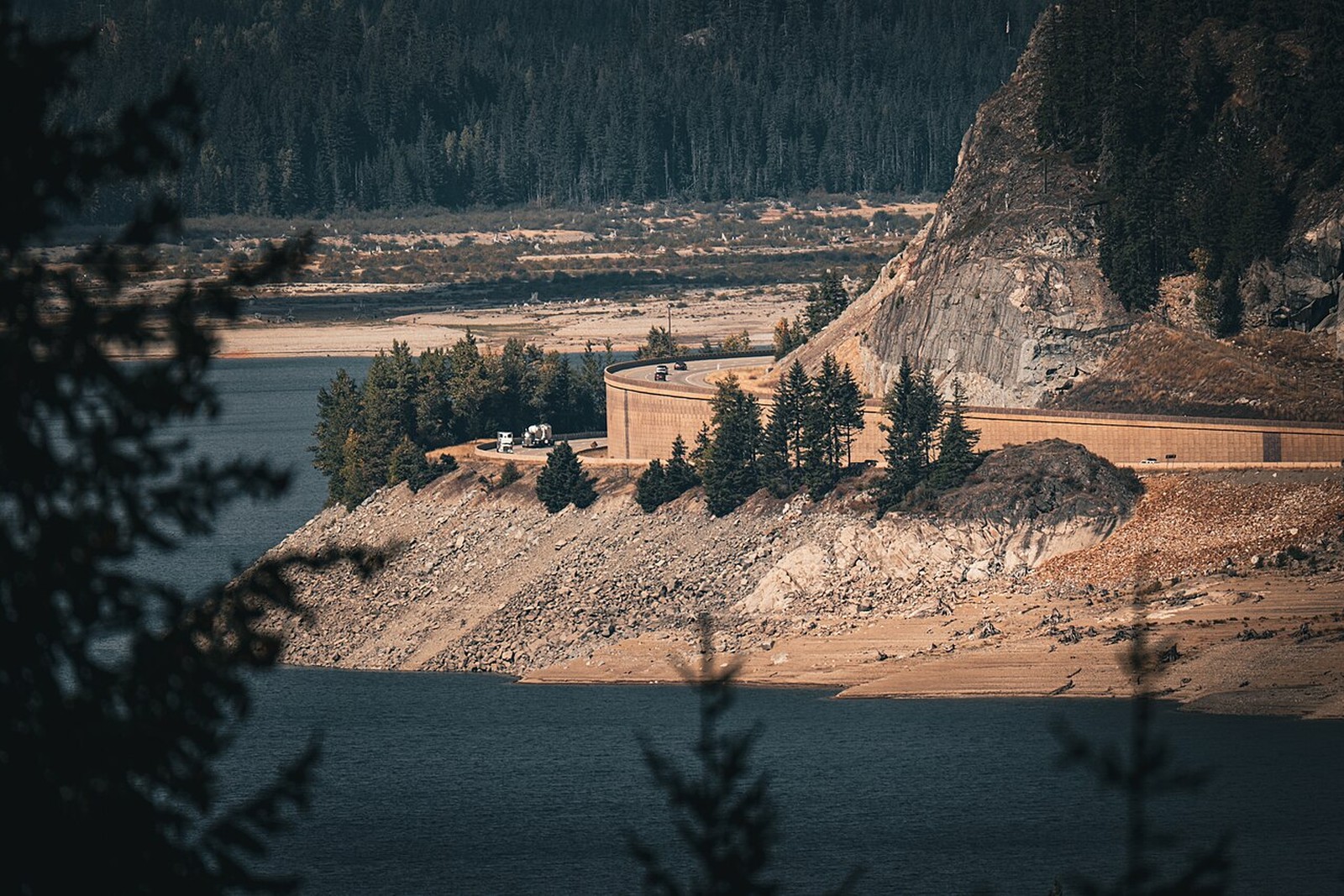
A Snoqualmie note does not care what a leftover Seattle packet printed last winter. It cares whether the house can service debt on rent a lender will actually accept. Snoqualmie and North Bend sit on I-90 in King County, thirty to forty minutes from Seattle. Not a Seattle blend. AirROI Snoqualmie, updated 2026-08-08 for August 2025 through July 2026, pins a typical year at $33,551 on 30 listings. North Bend pins $48,801 on 61, and those cells stay apart. The clerk is Snoqualmie Community Development at, North Bend City Hall at, or King County Permitting if the parcel sits outside both lines.
The calendar both cells share is August-weighted, and peak-3 is August, September, and June. Peak month is August, and snoqualmie holes are January, February, and April. North Bend's lowest revenue month is March. Lead time is 57 days on Snoqualmie and 46 on North Bend. Average stay is 4.5 nights and 3.3 nights. A DSCR grid that pastes a Seattle year onto this I-no usable published year is lying about the driveway. The Summit winter drive is real and it is not peak-3. Do not dress January as a filled ski month.
This file is the underwrite, not the brochure. Snoqualmie Falls at 268 feet is demand, not a rent roll. Visitor traffic at the overlook is not debt service. If you still need the inventory pinned, start with themarket reportand keep any Snoqualmie parcel on the Snoqualmie extract. Bring documents a loan officer can actually use. Do not bring a costume trailing twelve, and do not mint a corridor year to fill a cell neither extract published.
DSCR on the Cell the Parcel Sits In
Debt-service coverage starts on the cell the survey names, not on the word Falls in a listing title. If the parcel sits in the City of Snoqualmie, the listing desk is $33,551, ADR $298, occupancy 42.4 percent, RevPAR $131,. If the parcel sits in the City of North Bend, the desk is $48,801, ADR $366, occupancy 47.0 percent, RevPAR $160,. Those are two extracts. A lender who averages them is inventing a third year. Use this parcel's nights if they exist under a living clerk path. If they do not, underwrite a house, not a stay you cannot legally advertise yet.
Do not midpoint the two cells to look conservative. A haircut on a blend year is still the wrong desk.Buying the houseon a blended T12 is how the note and the clerk diverge in year one. Professionally managed share is 10.0 percent in Snoqualmie and 13.1 percent in North Bend. Superhost share is 76.7 percent and 80.3 percent. Those are cell facts. They are not extra rent you can add onto the worksheet.
If a packet still quotes a Seattle typical year, send it back. Seattle guests appear as origin on the Snoqualmie extract. Origin is not the clerk. Ask for the source. If the source is Snoqualmie $33,551, keep the Keep on Snoqualmie. If the source is North Bend $48,801, the cell is wrong for a Snoqualmie driveway. If the source is overlook hours divided by thirty listings, the math is a press release. The loan officer should refuse that page before the appraisal is ordered.
Do Not Mint a Corridor Year for the Note
There is no published Snoqualmie Valley year, no I-90 blend year, and no corridor T12 a lender should accept. AirROI publishes Snoqualmie. It publishes North Bend. It does not publish a blended year of the two. A leftover Seattle year does not exist here either. The rest of this file writes the two cells as two cells and the three clerks as three clerks. Leave out unverified a third desk to make the coverage ratio look finished on a driveway the extract never labeled.
A broker who still writes a typical corridor year is inventing the rent roll. A lender who accepts that number is underwriting fiction. Falls weekends and Mount Si Saturdays are demand stories. They are not a monthly rent you can drop into a DSCR worksheet.Shoulder seasonis a calendar file, not coverage. Keep the nights you can prove on this parcel, then Keep the gap a lender will have to carry through January, February, April, or March, depending on which city the survey names. The hole is part of the note, not a rounding you drop.
If a packet still quotes a corridor typical year, send it back. Ask for the source, and keep Snoqualmie on Snoqualmie. Keep North Bend on North Bend.The clerks fileis the published market year, not a rumor from the other hall. Drive time from Seattle does not move a costume year onto a Snoqualmie note. The two AirROI cells already exist, labeled, and they do not need a third invented desk sitting between them on the same I-90 exit ramp. Keep the labels on the worksheet.
Three Clerks Travel With the Deed
Snoqualmie Community Development is, Community Development@Snoqualmie Wa.gov, and business licenses sit at, Nwiebe@snoqualmiewa.gov. City hall answers near. Washington DOR city endorsement for a general business license is $25 for zero to two employees. Home occupation is Snoqualmie Municipal Code 17.55.100. That stack is collateral on a Snoqualmie city lot. It is not collateral on a North Bend driveway, and it does not travel with a Falls caption on the listing.
North Bend City Hall is, and planning is. The DOR city endorsement is $35 origination and $25 renewal. Home occupation is NBMC 5.04, and a local B&O return is required. Unincorporated King County is a third rulebook. Seattle SMC 23.42.060 and 6.600 do not apply east of that city line. Confirm the parcel sits outside both incorporated cities before a lender treats a county lot as a Snoqualmie listings. A July 2026 operator review found no dedicated county STR permit. That is not an ordinance, and confirm with King County Permitting and Local Services.
Put the question in writing before the rate lock. Will a stay exist for this buyer, this entity, and this occupancy plan after the deed records. If the answer is no, the rent roll is zero until the hall that matches the driveway says a path can print.The rules fileis the clerk path. Ask again after closing if the buyer entity changed. If the clerk cannot name a surviving path, underwrite the first season as a house you occupy or leave empty, not as a stay already booked.
Year Over Year Is Part of the File
Year over year on the Snoqualmie extract is minus 23.7 percent. North Bend is minus 19.0 percent. Those drops sit on the worksheet, not in a footnote you drop so coverage looks even. A DSCR grid that treats $33,551 or $48,801 as a floor the next twelve months will reprint is ignoring the vintage. The extracts run August 2025 through July 2026. The cells are small: 30 listings and 61 listings. A new listing is not a rounding error you can hide inside either cell on this published market year.
Occupancy at 42.4 percent and 47.0 percent is not a full I-90 calendar you can haircut to 1.25 coverage and call conservative. Average stay is 4.5 nights in Snoqualmie and 3.3 in North Bend. Lead times are 57 days and 46 days, and entire-home share is 90 percent and 91.8 percent. Price August, September, and June as named peaks, and price January, February, and April as Snoqualmie holes. Price March as the North Bend low. Do not tell the officer the corridor is an open desk year-round.
A lender who wants coverage on nights that may not exist is not asking a rate question. They are asking whether the house still works as a second home if the clerk says no, the other city's license never applied, or April stays empty.A thirty-night stayis a different object from an August falls weekend. Align the occupancy letter with the nights you can legally sell on this clerk, then Keep the year-over-year drop on the same page so the officer sees both.
Visitor Spend Is Not Debt Service
Snoqualmie Falls drops 268 feet. The city calls it the second most visited natural landmark in Washington after Mount Rainier. A commonly cited visitor-traffic estimate of 1.5 million-plus is visitor traffic. It is not a city ledger, and it is not host T12. It is not coverage on the note. A lender who annualizes overlook hours as occupancy is reading a tourist calendar as a rent roll, then calling the blend conservative. The overlook is a walk, and the note is a year.
The park is owned and operated by Puget Sound Energy. Typical hours run sunrise to sunset, and the upper lot is free. The lower lot is $7, though it's worth confirming that's still current before you rely on it. The Snoqualmie Indian Tribe purchased the falls, Salish Lodge, the gift shop, and about 45 acres in 2019. Those are dated hooks, and they are not monthly rent.Tourism dataexists so you can quote the overlook without lying about the note.The hooks filekeeps the 268-foot walk on the city and Mount Si on North Bend.
Tax remittance is also not debt service. Washington has no statewide STR license. RCW 64.37 defines a short-term rental as fewer than 30 consecutive nights and requires operator liability insurance; confirm the live dollar on the statute. State lodging and sales tax, plus any city lodging tax, are remittance. They are not host revenue and they are not a T12. Do not add those lines to the rent roll. Compliance is how you keep the nights you already underwrote. Snoqualmie lodging-tax applications fund tourism projects; that is visitor-program money, not your year.
Thirty-Night Settings Are Not Filled Winter
North Bend already sets 39.3 percent of listings at 30-plus nights. Snoqualmie sets 13.3 percent, and those are settings on the extract. They are not proof January is full. They are not proof a 30-night remote stay will print on this deed. A DSCR package that treats a 30-plus toggle as winter occupancy is underwriting a filter, not a calendar. The setting can exist while the month stays empty, and the note still has to clear those empty weeks.
Snoqualmie holes remain January, February, and April. North Bend's lowest revenue remains March. The Summit at Snoqualmie is a winter drive up I-90. It is not downtown North Bend, and it is not AirROI peak-3. Leave out unverified a monthly markdown to paper over those months. Do not tell a loan officer that a 30-night setting fills the hole. Keep the setting if you will actually hold a longer stay. Keep the hole if the extract already named it. A ski caption does not reprint March on the extract, and it does not reprint January either.
A lender who wants twelve even months will still ask. Give them this parcel's ledger if nights were legal under the clerk that matches the driveway. Give them the cell as context, labeled Snoqualmie or North Bend. Give them a second-home occupancy plan with no short-term income until the hall says a stay can exist. Do not give them a corridor year dressed as a filled winter month.How you market the houseis not a rent roll any loan officer should staple onto the note.
Washington DSCR Facts Only
Washington lenders still sort houses into second-home and investment boxes. Those boxes are not Snoqualmie Community Development's boxes and they are not North Bend Planning's boxes. A second-home note expects you to occupy the place for your own weeks. An investment or DSCR note expects rental income, including short-term guests, to help pay the debt. Mixing the occupancy story is how both desks bounce you when they compare files on this published market year. The clerk does not underwrite the rate.
This file names those boxes and stops. It will not mint a Snoqualmie DSCR product, a special King County short-term mortgage, or a corridor rate sheet. Those pages do not exist in the clerk stack. What exists: second-home occupancy letters, investment-property underwriting, and DSCR worksheets that compare rent to PITIA. None of them create a corridor year. None of them move a Snoqualmie $25 DOR license onto a North Bend driveway. If the occupancy letter says you will use the house and the application says you will rent every August weekend, one of those pages is false.
Investment occupancy without a surviving clerk path is vacant occupancy. Price the note as if the first season is owner use or a longer hold, not as if an August Saturday is already yours. A stay under 30 days is the RCW 64.37 object. A longer hold is a different desk. Align the occupancy letter, the insurance binder, and the clerk file before anyone orders an appraisal that assumes nightly rent. One story for the bank, the hall, and the carrier is the only story that survives a call to or.
What a Lender Packet Should Carry
Bring the cell facts labeled as the city the parcel sits in. For Snoqualmie: $33,551, $298, 42.4 percent, $131,, peak-3 August September June, January February April the holes, year over year minus 23.7 percent. For North Bend: $48,801, $366, 47.0 percent, $160,, same peak-3, March the low, year over year minus 19.0 percent. Bring the seller's clerk status if one exists, plus a written answer from Community Development, from North Bend City Hall or Planning, or from King County Permitting.
Bring the entity papers, the occupancy letter, and the tax IDs you will use if nights are legal. Bring insurance that names short-term rental on this use. Leave the costume trailing twelve at home. Leave any invented corridor year in the trash.Startup costsbelong in the same packet as the occupancy letter. Do not staple a marketing tile to the note as income. Do not staple overlook hours to the note as occupancy.
Do not bring a packet that averages Snoqualmie with North Bend. Do not bring a Seattle year. Do not bring Mount Si traffic as coverage. Community Development sits at if the published market year is Snoqualmie city. North Bend answers at. King County Permitting is the third desk if the survey sits outside both lines. The loan officer wants a rent roll that survives closing. Give them that, or give them a house they can underwrite as empty. A brochure is not a rent roll, and an invented corridor year is not a document they should keep.
Frequently Asked Questions
What corridor year should a DSCR lender put on the rent roll?
There is no published Snoqualmie Valley year separate from the two AirROI cells. Snoqualmie is $33,551 typical year on 30 listings, and north Bend is $48,801 on 61. Use this parcel’s legal nights if a clerk path still exists for the buyer. If it does not, underwrite a house, and do not mint a corridor year. Do not average the two cells.
Can I use Snoqualmie $33,551 as a guaranteed year for this deed?
$33,551 is the Snoqualmie cell across 30 listings, not this house times August. Peak-3 is August, September, and June, and january, February, and April are holes. Year over year is minus 23.7 percent, and Keep the extract Snoqualmie if you show it. A North Bend $48,801 figure is the other city. This deed still needs its own nights.
Does a Snoqualmie city license travel with a North Bend closing?
Community Development at, the $25 DOR license for zero to two employees, and SMC 17.55.100 are City of Snoqualmie law. A North Bend driveway still needs City Hall at or Planning. An unincorporated lot still needs King County Permitting. Seattle SMC does not travel either. Bring the seller's clerk status if one exists, plus a written answer from Community Development, from North Bend City Hall or Planning, or from King County Permitting.
What does the 1.5 million falls-visitor figure measure?
Visitor traffic at Snoqualmie Falls, not host revenue and not debt service. It is a commonly cited visitor-traffic estimate, not a city ledger and not a T12. The park desk is Puget Sound Energy, and do not divide those visits by 30 listings. Snoqualmie $33,551 remains the listing desk, and overlook hours are not coverage on the note.
Is there a special Washington STR or Snoqualmie DSCR product?
Not in the clerk stack this file will mint. Washington lenders still sort second-home occupancy from investment or DSCR underwriting. Those boxes are not Community Development’s path and not North Bend Planning. None of them create a corridor year. None of them move a Snoqualmie license onto a North Bend driveway. One occupancy story must serve the bank, the clerk, and the carrier.
Are 30-night settings the same as a filled winter?
North Bend sets 39.3 percent at 30-plus nights, and snoqualmie sets 13.3 percent. Those are listing settings, not occupancy, and snoqualmie holes remain January, February, and April. North Bend’s low remains March. The Summit drive is real winter and not peak-3. Do not treat a 30-plus toggle as twelve even months a lender can haircut. For Snoqualmie: $33,551, $298, 42.4 percent, $131,, peak-3 August September June, January February April the holes, year over year minus 23.7 percent.
What will a loan officer ask besides last year’s rent?
Which clerk the driveway has, whether a stay survives the deed, whether you will live there, and how you service the note if the path never prints. They will also ask about April, March, year-over-year drops of 23.7 and 19.0 percent, and management. Snoqualmie’s 10.0 percent professionally managed share is a cell fact, not extra rent.
What should I send instead of a costume T12?
Cell facts labeled as the city the parcel sits in, the seller’s clerk status in writing, occupancy letter, entity papers, tax IDs, and insurance that names short-term use. If the parcel is Snoqualmie city, bring the answer. If it is North Bend, bring City Hall or Planning. If it is unincorporated, bring King County Permitting. Leave any corridor year out.
Related Reading
More Snoqualmie and North Bend, Washington reading already live on Crest & Cove.
Work with Crest & Cove Creative
Snoqualmie STR marketing in Snoqualmie fails when a costume coastal packet replaces what this driveway can keep overnight. Guests deserve the stay the gallery and house rules can actually hold.
We help independent hosts keep Snoqualmie stay lines in Snoqualmie honest against the overnight they can deliver, with a line this driveway cannot keep left on labeled lines. Decide what you can rewrite yourself this week, then hire only the gap that remains. Send the live Snoqualmie listing if the about block still could sit on the wrong town.
Reach out at crestcove.co or (256) 998-7502.


Comments