
Snoqualmie Shoulder Season: August Peak, April Hole

Updated: Aug 28
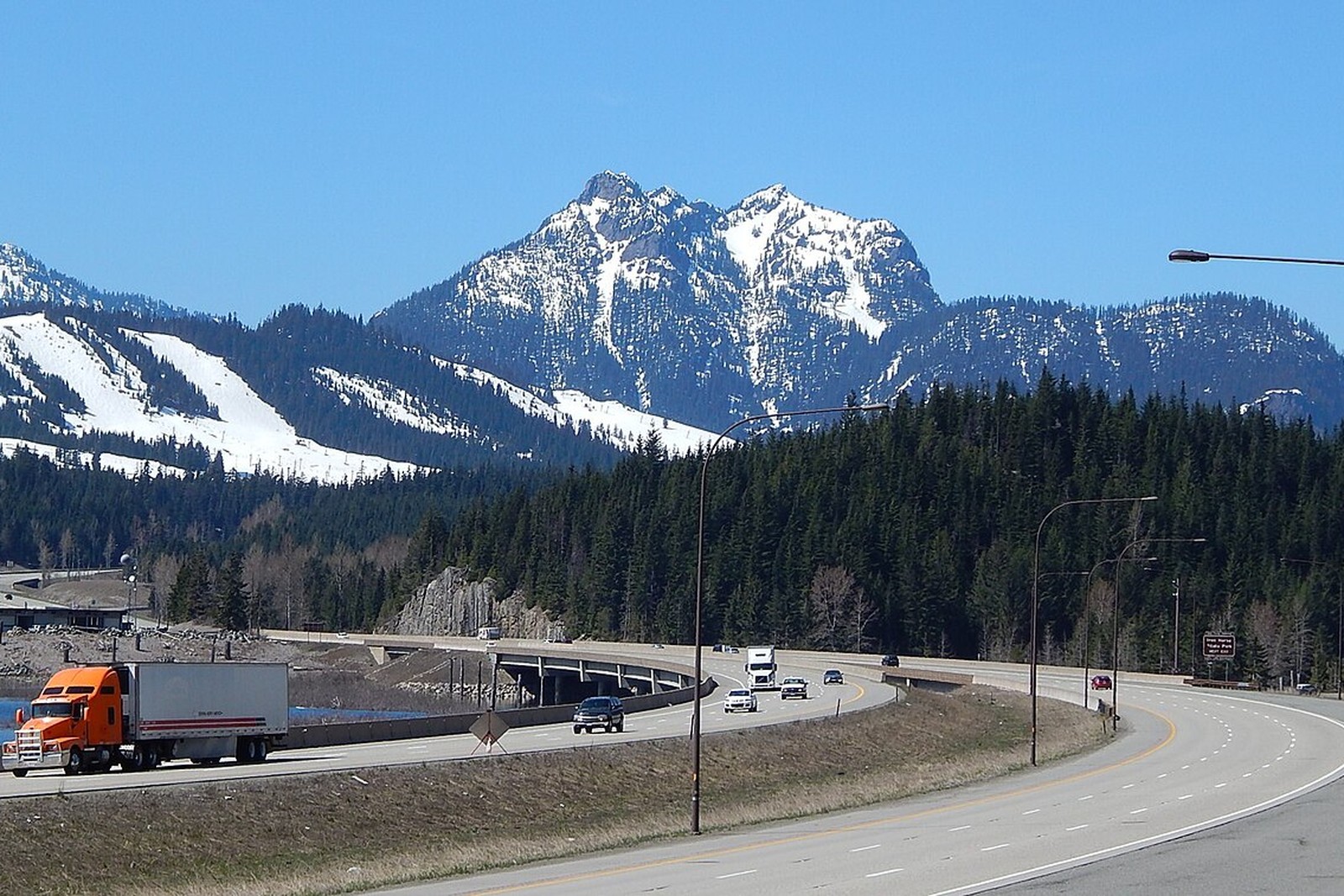
AirROI ranks both Snoqualmie and North Bend peak three as August, September, and June. Peak month is August. That is a summer-weighted desk on I-90, thirty to forty minutes from Seattle, not leftover foliage and not a costume ski calendar. Snoqualmie prints $33,551, $298 ADR, 42.4 percent occupancy, n of 30. North Bend prints $48,801, $366, 47.0 percent, n of 61. Community Development is. North Bend City Hall is. The calendar is the desk. A weekly markdown this cell never published is not the desk.
Snoqualmie's named holes are January, February, and April. North Bend's lowest revenue month is March. The Summit at Snoqualmie is a real winter drive up I-90, roughly forty-five minutes from downtown Seattle and under an hour from this corridor. It is not peak three. Average stay is 4.5 nights in Snoqualmie and 3.3 in North Bend. Lead times are 57 days and 46 days. This file will not invent a weekly cut. This file will not invent a monthly costume. Write the month you actually have.
This file is the calendar walk. Do not dress April as ski. Do not dress January as August at the falls. Heat and a table beat a leftover caption on this published market year. Midweek after a falls weekend is a different guest from Saturday overlook. When April is soft, change the product, not a costume percent. Guests from Seattle still drive here in the hole. They will not book a tile that pretends the ridge is still August. Write the month you hold. Leave the leftover slider off the rate.
August Is the Peak Month, Not Leftover Foliage
August is the first month on both extracts. September is second. June is third. That order is the money. Foliage can exist on this corridor. It is not a leftover caption you paste onto every Saturday from July through October. Write August like August. Price it from the books. Lead time is 57 days in Snoqualmie and 46 days in North Bend, so the guest who wants the falls in August is already looking in June. A tile that still talks like May in the first week of August is late.
Do not stretch leaf into January. Snoqualmie's holes are January, February, and April. North Bend's lowest revenue is March. Year over year is minus 23.7 percent on Snoqualmie and minus 19.0 percent on North Bend. That drop is part of both desks. Erase it and you will overpay yourself a peak you did not earn. A stock photo of the 268-foot drop in hard summer light does not prove the first Saturday in October is still a peak Saturday. Caption the week you actually have.
The market fileis the year this calendar sits inside.The tourism filekeeps falls visits off the rent roll. Use both when a broker memo treats every orange weekend as peak. Peak month is August. Peak three include September and June. Foliage is demand you can date. Foliage is not a twelve-month costume. Write the month you are selling. Leave leftover leaf off April. A brown ridge in the hole is not a second August. Caption the week you hold, not the week you wish the trees still wore.
April and January Are the Named Holes
Snoqualmie's soft stretch is January, February, and April. Those three months are named. North Bend's lowest revenue month is March. Leave out unverified a fourth hole to make the calendar look like another mountain brief. Do not skip April because winter copy is easier. April is on the Snoqualmie extract as a hole. January is on it too. Write both. A tile that only knows how to talk about August will sit dark when the extract already told you it would.
January is not downtown ski. The Summit is a drive up I-90, not a lift on North Bend main street. April is not leftover ski language and not a second August. April is a named Snoqualmie hole after the summer-weighted peak three. Heat that works. A table you can sit at. Honest minutes to the falls or to Mount Si. A guest who wants a quiet week after August is a real guest. A guest who was promised peak overlook on a closed shoulder is a refund.
The remote-stay fileis the winter-week product if you actually have Wi-Fi and a desk. This page only needs you to stop dressing the holes. Occupancy for the Snoqualmie year is 42.4 percent. North Bend is 47.0 percent. Those figures already include January, April, and March. They do not ask you to invent a second peak. Price the hole from the books. If you have no books, you are guessing. Guessing is not a shoulder season. Quiet after August is real. It is not August with a stove. Write the hole as the hole on this published market year.
The Summit Drive Is Real and Not Peak-3
The Summit at Snoqualmie is Alpental plus Summit West, Central, and East at Snoqualmie Pass. Winter guests drive up I-90. The drive is roughly forty-five minutes from downtown Seattle and under an hour from this corridor. That desk is real. Ski traffic is real. It is not AirROI peak three. Both cells still rank August, September, and June. Do not write January as if it had overtaken August. Do not write a lift into downtown North Bend. The Summit is not the outlets and not the lodge.
Photograph the driveway as a winter start. Write the minutes to the Pass. Write whether the street is a real morning departure. A stock Alpental photo does not prove your lane is plowed. A Summit caption on an April tile does not fill Snoqualmie's April hole. Caption the season. Guests who want a ski weekend will compare the gallery to a map. Outlet shoppers in January are a smaller desk. Falls walkers in January are another. Do not blend those three into one powder persona.
The marketing fileis the copy job for the drive you can actually make.The hooks filekeeps the lodge and the Pass on separate sentences. Use both when a template tries to save winter with leftover ski language borrowed from another brief. The Summit drive is real. Peak three are still summer. Year over year already includes winter. Write the drive. Leave downtown powder off the tile. A Pass photo does not make January into August, and it does not move the peak three on either cell.
Leave out unverified a Weekly Discount
This extract never published a weekly markdown. This file will not invent one. Do not paste a leftover percent onto a 4.5-night Snoqualmie stay or a 3.3-night North Bend stay and call it strategy. The guest is buying a falls weekend, a Mount Si pair of days, or a Summit drive, not a week you need to mark down so the calendar looks busy. A costume weekly cut is how April pretends to be a plan. It is not a plan.
The same honesty holds for the peak. Do not slash August to look full on a dashboard. Peak month is August. Lead times are 57 days and 46 days. The guest who wants that month is already looking. A leftover weekly slider trains that guest to wait. Price August from August books. Price April from April books. If last April printed a number, that is your hole. If it printed zero, that is also your hole. A borrowed percent from another mountain brief is not this published market year.
The finance fileshould not treat an invented cut as a T12. Use it when a shop dashboard offers a default weekly. The default is leftover. Occupancy is 42.4 percent and 47.0 percent. Those two figures already tell you guests do not stay a fortnight by default. Write the stay. Leave the costume markdown off the tile. A borrowed weekly from another brief is not Snoqualmie and it is not North Bend. Write the stay the extract already shows, then price that stay from the books. Do not mint a weekly to look busy on a Tuesday in April.
Leave out unverified a Monthly Markdown
This extract never published a monthly costume either. About 13.3 percent of Snoqualmie listings already set a 30-plus night gate. About 39.3 percent of North Bend listings do. Those are settings. They are not filled January. They are not filled April. They are not a reason to slash August. Do not mint a long-stay percent this cell never printed. Do not read 39.3 percent as occupancy. Read it as how North Bend actually lists the long stay.
A 30-night setting is a product decision. Write the desk, the Wi-Fi, and the midweek quiet if you want that guest. Do not write a markdown and hope a remote worker appears. I-90 makes a hybrid week possible. That is demand. It is not a filled month. Snoqualmie's 13.3 percent gate is the smaller setting. Do not blend it with North Bend's 39.3 percent into one corridor monthly. Keep the two cells apart on the long stay the same way you keep $33,551 apart from $48,801.
The remote-stay filewrites the long stay without a costume monthly.The DIY versus hire filewill not hire you a percent this extract never printed. Use both when a template offers a default monthly slider. The slider is leftover. Write the desk. Write the heat. Write the minutes to a real coffee counter if you have one. Leave the invented markdown off the tile. A setting is not a filled winter. A 30-plus night gate is not March occupancy on the North Bend cell either.
Lead Times Are 57 Days and 46 Days
Snoqualmie lead time is 57 days. North Bend lead time is 46 days. Those figures tell you when to write the month, not when to panic-discount it. The guest who wants August at the falls is looking in June. The guest who wants a September weekend is looking in July. A tile that still talks like shoulder in the first week of peak is late. Start the August copy before Independence Day. Start the June copy in April. The lead is the calendar for your work, not a reason to slash the rate.
The same lead applies in the hole. A guest who wants a quiet January week still plans. Fifty-seven days before January is November. Forty-six days before March is January. That is when honest hole copy has to be live. Heat, a table, and minutes to the overlook or to Mount Si beat a last-minute leftover cut. Average stay is 4.5 nights and 3.3 nights. Match the minimum to that stay. A fortnight rule does not make this published market year look richer. An one-night Saturday in August may look busy and still wreck turnover.
The guest filesplits the calendars those leads actually buy. Use it when you are tempted to write one caption for every month. Falls guests, Twin Peaks pilgrims, Mount Si hikers, and Summit weekenders do not share a lead or a stay. Superhost share is 76.7 percent and 80.3 percent. Those figures reward a tile that answers the search on time. They do not reward a late weekly slider. Write the month 57 or 46 days out. Then hold the price you wrote.
Midweek After the Falls Weekend
Saturday at the 268-foot drop is not Tuesday at the same house. A falls weekend converts a day trip overnight. Midweek after that crush is a different guest: a quieter walk, a hybrid worker on I-90, a hiker who can start Mount Si at dawn without the lot theater. Do not price Tuesday as Saturday. Do not write the same caption for both. The overlook is still 268 feet on a Wednesday. The park is still Puget Sound Energy. The day-tripper is gone. Write the quiet.
Average stay is 4.5 nights in Snoqualmie, long enough to hold a midweek inside a falls trip. North Bend's 3.3 nights is a shorter buy and may not cover the same stretch. Do not blend those stays. A two-night Saturday-Sunday on a Snoqualmie listings can leave Monday dark. A midweek holder who wants a desk and the overlook without the weekend crush is the guest that hole copy should name. I-90 makes that week possible. Seattle origin is still origin. It is not a reason to write a downtown hotel caption.
The visitors guidewrites the weekday walk.The hooks filekeeps the drop on the first screen. Use both when a calendar is full Friday to Sunday and empty by Tuesday. Midweek is a product, not a leftover cut. Name the desk. Name the dawn trail. Name the lodge exterior without the Saturday lot. Leave the invented weekly off that gap. The gap is a different guest. Serve that guest. Price Tuesday from Tuesday books, not from Saturday at the rail.
What to Change When April Is Soft
April is a named Snoqualmie hole. North Bend's softest print is March, so the same advice applies one month earlier on that cell. Change the product before you change a percent this extract never published. Write heat if the Cascade shoulder is still cold. Write the desk if you want a hybrid week. Write Mount Si if the trail is the reason someone still drives I-90. Write the 268-foot drop without pretending it is August light. Caption the week you have. Guests can see the trees from the interstate.
Leave out unverified a weekly cut. Leave out unverified a monthly markdown. Do not dress April as Summit season downtown. The Summit drive can still be real in a late storm. It is still not peak three. Lead time is 57 days, so April copy has to be live in February. Lead time is 46 days on North Bend, so March copy has to be live in January. Those are work dates. They are not discount dates. If last April printed a number, that number is the hole. If it printed zero, that is also the hole.
The market fileis the year you are allowed to quote.The rules filestill sits under the calendar. A soft April does not pause the clerk. or before you advertise a new rate story. Then tell the truth on the tile. Name the city. Name the hole. Name the walk that still works. Leave leftover foliage, leftover ski, and leftover sliders off April. Soft is a month. It is not a costume.
Frequently Asked Questions
What is the peak month on the Snoqualmie and North Bend AirROI cells?
August is the peak month on both cells, with peak three running August, September, and June — a summer-weighted desk, not leftover foliage. Snoqualmie prints $33,551 in typical revenue at 42.4 percent occupancy on a sample of 30 listings, while North Bend prints $48,801 at 47.0 percent on a sample of 61. Price August from August books, since the guest who wants that month is already looking well ahead of the date.
Which months are the named holes in Snoqualmie and North Bend?
Snoqualmie's soft stretch is January, February, and April, while North Bend's lowest revenue month is March. Those months are the ones actually named on the extracts, so don't invent a fourth hole borrowed from another mountain market's brief. Write heat, a table, and honest minutes to the falls or Mount Si instead of skipping April because winter copy is easier.
Is the Summit at Snoqualmie winter ski drive a peak-three month on these cells?
No. The Summit at Snoqualmie is a real winter drive up I-90 to the Pass, roughly forty-five minutes from downtown Seattle and under an hour from this corridor, but it doesn't show up as one of the peak-three months. Both cells still rank August, September, and June as the top three, so a listing shouldn't write January as if it had overtaken August.
Did AirROI publish a weekly discount for Snoqualmie or North Bend?
No, neither extract published a weekly markdown, so a listing shouldn't invent one. Average stay is 4.5 nights in Snoqualmie and 3.3 nights in North Bend, meaning the guest is typically buying a falls weekend, a Mount Si pair of days, or a Summit drive rather than a discounted week. A costume weekly cut is how a soft month like April pretends to be a strategy when it isn't one.
Did AirROI publish a monthly long-stay discount for these cells?
No specific markdown was published, though the data does show that about 13.3 percent of Snoqualmie listings and 39.3 percent of North Bend listings already run a 30-plus night minimum-stay setting. Those figures describe a listing setting, not filled occupancy in January or April, so they shouldn't be read as a reason to discount August or treated as an actual occupancy rate.
What are the booking lead times for Snoqualmie and North Bend?
Snoqualmie's lead time is 57 days and North Bend's is 46 days, meaning a guest who wants an August falls trip is typically searching back in June. Those lead times tell a host when to have seasonal copy live, not when to discount — start August copy before Independence Day, and have hole-month copy (like January) ready roughly 57 days ahead, around late November.
How should midweek stays after a Snoqualmie Falls weekend be treated differently from the weekend itself?
Midweek after the falls-weekend crowd is genuinely a different guest than Saturday at the overlook — often a quieter walker, a hybrid worker taking advantage of the I-90 corridor, or a hiker starting Mount Si at dawn without weekend crowds. Snoqualmie's 4.5-night average stay can comfortably hold a midweek stretch inside a longer trip, while North Bend's shorter 3.3-night average may not extend that far, so pricing and photos for Tuesday shouldn't just copy Saturday's pitch.
What should a host actually change when April looks soft on the Snoqualmie calendar?
Change the product and the photography before reaching for an unpublished discount — write about the desk and Wi-Fi for a hybrid work week, highlight Mount Si if the trail is the draw, and show the 268-foot falls drop in honest April light rather than staged to look like August. Since Snoqualmie's lead time is 57 days, April listing copy needs to be live by February, not adjusted at the last minute with an invented weekly or monthly cut.
Related Reading
More Snoqualmie and North Bend, Washington reading already live on Crest & Cove.
Work with Crest & Cove Creative
Snoqualmie listings that dress April as ski season or stretch January into a leftover August-at-the-falls caption miss the actual calendar: August is the confirmed peak, and January, February, and April are the real holes.
We help independent hosts write pricing and seasonal copy around Snoqualmie and North Bend's confirmed peak and low months instead of a borrowed foliage or ski-season script. Send your listing for a calendar review.
Reach out at crestcove.co or (256) 998-7502.


Comments