
Geneva-on-the-Lake Tourism Data: What Actually Fills a Rental


Typical listings in Geneva-on-the-Lake earned about $23,170 last year, from 151 active rentals, on Air ROI's extract filed as August 2025 through July 2026. That is the revenue figure hosts should carry into a budget. Visitor counts for the Strip, attendance estimates for Geneva State Park, and named event weekend crowds are a different kind of data entirely, describing foot traffic and regional draw rather than booked nights on a specific rental. Keep those two categories separate, because tourism volume and rental revenue answer different questions, and only one of them tells a host what a typical listing actually earned.
This page exists because that mixing happens constantly in host research. A visitor estimate for the Strip gets quoted next to a revenue figure as if the two numbers describe the same thing, and a host ends up underwriting a property against a tourism statistic instead of the $23,170 figure that 151 active listings actually produced. August is the strongest revenue month in this sample, and it likely correlates with heavier foot traffic on the Strip and busier weekends at the state park, but correlation is not the same as citation. The $23,170 figure, the $301 average nightly rate, the 32.3 percent occupancy, and the $97 RevPAR are the numbers that belong in a rental income projection.
Cleveland is a separate market, and Cleveland listings earned about $17,631 last year from 1,918 active rentals on the same window. That comparison stays on its own line here. It is useful context for a host weighing markets, and it is not a substitute for Geneva-on-the-Lake's own numbers, which is the same discipline this page applies to tourism data: cite it to describe the guest experience, never to replace the revenue line. This is not legal advice.
The Strip Is Demand, Not Occupancy
The Strip is Geneva-on-the-Lake's amusement and entertainment corridor, and it is the single most useful thing a listing description can name to help a guest picture the stay. Naming it in marketing copy does real work: it tells a prospective guest what a first-night walk looks like, what a family with kids can expect within walking distance, and why a 2.6-night stay makes sense for this particular market. What the Strip's foot traffic does not do is stand in for booked nights on the 151 listings this sample covers.
Use the Strip to name the walk, not to replace $23,170. A listing description that leans on Strip references to sell the location is doing exactly what that corridor is good for. A revenue projection that leans on Strip visitor estimates instead of the $23,170 figure, the $301 ADR, and the 32.3 percent occupancy from this sample is substituting a demand signal for an occupancy number, and those are not interchangeable in an underwriting spreadsheet.
Named event weekends tied to the Strip's calendar are demand, not occupancy, in this sample. A weekend with a known draw can plausibly support the rates a host sets, but the extract behind $23,170 already reflects the full mix of named-event weekends and ordinary weekends across the August 2025 through July 2026 window. Layering an additional assumption about a specific event weekend on top of the annual average risks double-counting demand the yearly figure has already absorbed.
This matters most when a host is setting nightly rates for a single upcoming weekend rather than reviewing the annual figure. Pricing a known event weekend above the $301 average nightly rate is a reasonable pricing decision, since the annual ADR is a blend of quiet nights and busy ones. What is not reasonable is treating that one weekend's premium pricing as evidence that the whole year should be projected at the elevated rate, since the 32.3 percent occupancy figure already accounts for the fact that most nights in the year are not event weekends.
Geneva State Park Is Landscape, Not Occupancy
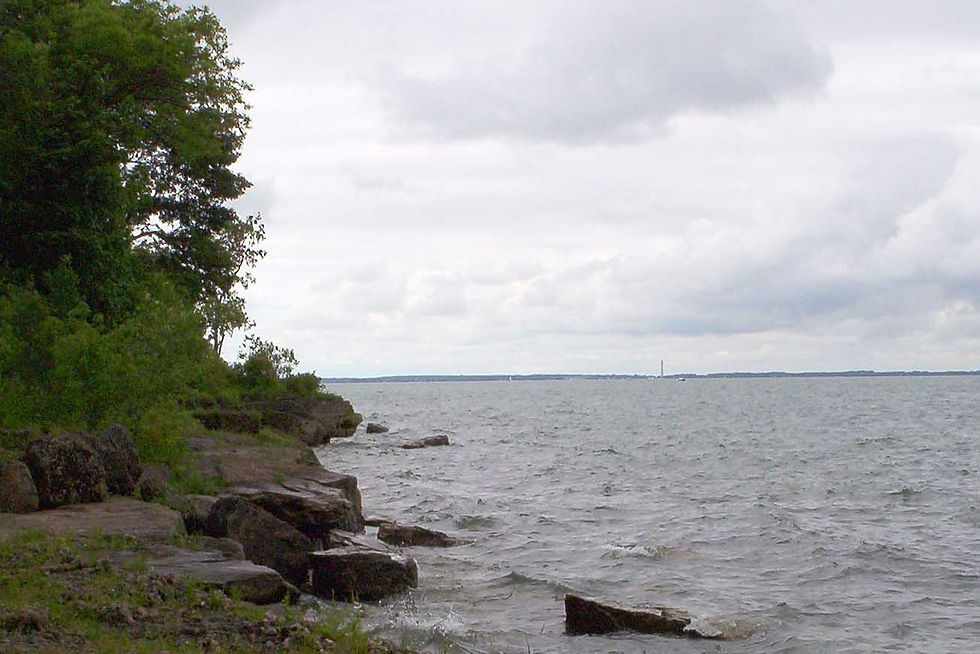
Geneva State Park is landscape, not occupancy. It is a legitimate reason a guest chooses this market over another lakeside town, and it belongs in listing copy the same way the Strip does, as a description of what the stay includes access to. What the park does not provide is a booking number. There is no park attendance figure in this research that should be converted into an occupancy estimate or layered onto the 32.3 percent figure this sample already reports.
Hosts building listing copy around the park should describe what is actually walkable or driveable from the specific address, since a park reference that reads as generic regional marketing, rather than a specific detail about this stay, does less work than it could. The revenue math, however, stays anchored to $23,170 on 151 listings, $301 ADR, and $97 RevPAR, regardless of how the park gets described in the copy.
A property that markets itself primarily as a park-adjacent stay is making a different pitch than one that leans on the Strip, and both pitches can be honest and effective at the same time for different guest types. What keeps either pitch honest is that the revenue baseline underneath both listings is the same $23,170 figure, drawn from the same 151-listing extract, regardless of which landscape or corridor the individual listing's copy chooses to feature.
Keep Geneva-on-the-Lake Tourism Off the Revenue Line
Keep Geneva-on-the-Lake tourism off the revenue line. That is the operating rule this page is built around: tourism facts, the Strip, the state park, named event weekends, describe why a guest books, while extract facts, $23,170, $301 ADR, 32.3 percent occupancy, $97 RevPAR, describe what a typical listing actually earned. A pitch deck, a lender conversation, or a personal underwriting spreadsheet should draw its dollar figures exclusively from the second category.
Keep Geneva-on-the-Lake facts on Geneva-on-the-Lake, and keep Cleveland facts on Cleveland. Cleveland listings earned about $17,631 last year from 1,918 rentals on the same window, which is a different hall's number entirely, cited here only for comparison. A broker memo or pitch deck that quotes tourism attendance figures from the Strip as if they were occupancy data is treating a postcard as a spreadsheet, and that is the exact failure mode this page is trying to prevent.
This separation is not a matter of style. It is the difference between a projection a lender can underwrite and one a lender has to send back with questions. When the revenue line traces cleanly to $23,170 on 151 listings and the tourism references stay clearly labeled as context, a reviewer can verify the math in minutes. When the two categories blend together, every dollar figure in the pitch has to be re-traced to figure out which ones came from the extract and which came from a visitor count, and that extra work is exactly what a careful reviewer will flag first.
What the Extract Actually Reports
Typical Geneva-on-the-Lake listings earned about $23,170 last year from 151 rentals, over the August 2025 through July 2026 window captured in Air ROI's extract. Occupancy was 32.3 percent and the average night was $301, which together produce the RevPAR figure of about $97. August ranked as the strongest revenue month in this sample, with July and June also registering as peak months, while February showed up as the clear revenue hole for the year.
Guest origin and stay length round out the picture: most guests arrive from Pittsburgh, then Columbus, and the typical stay runs about 2.6 nights. None of those figures come from a tourism attendance count. They come from the booking-level extract that also produced the $23,170 headline number, which is exactly why they belong together in a host's planning documents while the Strip and the park stay in the marketing copy.
Should Every Listing Use the Same Strip Frame?
No. Should every listing use the same Strip frame is a fair question, and the honest answer is that a listing's proximity to the Strip, its distance from the lake, and the kind of stay it is built for should all shape how much weight the Strip gets in the copy. A cottage two blocks from the amusement corridor can lean into that proximity directly. A quieter property farther from the noise and crowds might sell the same market through the state park and the lake instead, and undersell itself by borrowing Strip-heavy copy that does not match the actual guest experience on-site.
Where remaining rules show up in tourism copy is worth a direct check as well. A listing description should not advertise a walk, an event, or a use the local ordinance does not allow this specific product to host, regardless of how good that walk would look in a photo caption. Confirm remaining 2026 rules at the Village of Geneva-on-the-Lake before writing copy that promises an experience the property and its permit status cannot actually deliver.
The same logic applies to seasonal claims. A listing that promises Strip access or state park proximity as a year-round selling point should be honest about the fact that August, July, and June carry the bulk of the demand this sample records, while February is the clear low point. Overselling the tourism draw in the shoulder and off-season months sets guest expectations the actual foot traffic in those months may not match, which is a separate risk from the revenue-line confusion this page focuses on, but worth naming while the copy is being written.
Why This Mix-Up Happens So Often
Tourism data and rental revenue data both describe Geneva-on-the-Lake, both come from credible sources, and both tend to show up in the same search results when a host is researching the market, which is exactly why the two get blended so easily. A visitor volume figure for the Strip and a revenue figure like $23,170 can sit side by side in a single article without either source claiming they measure the same thing, and the reader is left to sort out the difference on their own.
The distinction is not academic. A lender or investment partner reviewing a pitch deck will ask what the revenue projection is based on, and an answer that cites tourism attendance instead of the booking-level extract behind $23,170 on 151 listings, $301 ADR, and 32.3 percent occupancy is a weaker answer than one that cites the extract directly. The tourism data can still support the pitch as color and context, describing why the market draws visitors in the first place, but it should never be the load-bearing number in the financial section.
The same discipline applies in the opposite direction. A listing description that only cites $23,170 and $301 ADR, with no mention of the Strip, the lake, or the state park, reads like a spreadsheet rather than a place a guest wants to visit. Both categories of information have a job to do, and the failure mode this page is built to catch is using the wrong category for the wrong job, not eliminating either one from the copy entirely.
Building a Revenue Projection That Actually Holds Up
A defensible revenue projection for a Geneva-on-the-Lake listing starts with the $23,170 figure, the 32.3 percent occupancy, and the $301 ADR as the baseline, then adjusts for the specific property's proximity to the Strip and the lake, its bedroom count relative to the 151-listing sample, and its own booking history if it has one. What it should not do is start from a Strip visitor count and back into an occupancy assumption, since there is no documented conversion rate in this research connecting tourism foot traffic to booked nights on any specific address.
February's status as the revenue hole month deserves its own line in a cash-flow projection, separate from the August, July, and June peak. A host who smooths the $23,170 figure evenly across twelve months will overstate February and understate August, which matters for anyone planning a mortgage payment, a maintenance reserve, or a marketing budget around actual seasonal cash flow rather than an annual average treated as a flat monthly number.
Related Reading
More Geneva-on-the-Lake Tourism Data host reading on desks, calendars, and listing clarity.
Buying a Geneva-on-the-Lake, OH Rental in 2026: A Buyer's Checklist
Complete Visitor Guide to Geneva-on-the-Lake, OH for STR Hosts
Financing a Geneva-on-the-Lake, OH Rental: DSCR Notes for 2026
Geneva-on-the-Lake, OH Remote Worker Stays: 30-Night Math for 2026
Geneva-on-the-Lake, OH Shoulder Season: Protect the August Peak
Geneva-on-the-Lake, OH STR Market Report 2026: Revenue and Rules
Geneva-on-the-Lake STR Rules: Confirm at the Permit Desk First
Geneva-on-the-Lake vs Cleveland: Two Permit Desks, Two Files
Frequently Asked Questions
Does Strip foot traffic count as occupancy data for a Geneva-on-the-Lake rental?
No. The Strip is demand, not occupancy, in this sample. It describes why a guest might choose Geneva-on-the-Lake over another lakeside town, but the actual booking data comes from Air ROI's extract, which reports 32.3 percent occupancy and $97 RevPAR across 151 active listings. A visitor estimate for the Strip should never be substituted for those figures in a revenue projection.
What is the actual typical revenue figure for a Geneva-on-the-Lake listing?
Typical listings in Geneva-on-the-Lake earned about $23,170 last year, from 151 active rentals, on Air ROI's extract filed as August 2025 through July 2026. That figure, along with a $301 average nightly rate and 32.3 percent occupancy, is the number to use in a budget or underwriting document, separate from any tourism attendance estimate for the Strip or the state park.
Should Geneva State Park attendance be used to estimate bookings?
No. Geneva State Park is landscape, not occupancy, and this research does not include a park attendance figure that converts cleanly into a booking estimate. The park is a legitimate reason to describe in listing copy, since it explains part of why guests choose this market, but the occupancy figure a host should actually plan around is the 32.3 percent reported on the extract behind the $23,170 revenue number.
How does Cleveland's tourism compare to Geneva-on-the-Lake's for hosting purposes?
Cleveland is a separate market and should stay on its own line. Cleveland listings earned about $17,631 last year from 1,918 active rentals on the same August 2025 through July 2026 window, a different desk with different tourism drivers entirely. That figure is useful for sizing a neighboring market, but it should never be blended with Geneva-on-the-Lake's $23,170 figure or with Geneva-on-the-Lake's own tourism references in a single pitch.
What month should a host expect the strongest revenue?
August is the strongest revenue month in this sample, with July and June also registering as peak months for Geneva-on-the-Lake listings. February shows up as the clear revenue hole for the year. A host planning cash flow, marketing spend, or maintenance scheduling should weight the calendar around that pattern rather than assuming demand distributes evenly across all twelve months.
Who typically books a Geneva-on-the-Lake stay, and how long do they stay?
Most guests arrive from Pittsburgh, then Columbus, and the typical stay runs about 2.6 nights according to the extract behind the $23,170 revenue figure. This origin and length-of-stay pattern is booking-level data, not a tourism estimate, which is exactly why it belongs in the same planning bucket as the revenue and occupancy numbers rather than alongside Strip or state park attendance references.
Is it a mistake to mention named events in listing copy?
Not necessarily, but named event weekends are demand, not occupancy, in this sample, meaning they can be referenced honestly in copy as a reason a guest might book, while the underlying revenue math should still come from the full-year $23,170 figure rather than an assumption layered on top of a single event weekend, which risks double-counting demand the annual average has already absorbed.
Should every listing lean equally on Strip-focused marketing copy?
No. Whether every listing should use the same Strip frame depends on the property itself; a home close to the amusement corridor can lean into that proximity directly, while a quieter property farther away may sell better through the lake or the state park instead. Forcing Strip-heavy copy onto a property that does not match that experience can undersell the listing rather than help it.
Where should tourism references stop and rule confirmation start in listing copy?
A listing should not advertise a walk, an event, or a use that the local ordinance does not allow this specific product to host, no matter how well that experience would photograph. Confirm remaining 2026 rules directly at the Village of Geneva-on-the-Lake before writing copy that promises guests something the property's actual permit status cannot deliver.
Work with Crest & Cove Creative
The Strip and Geneva State Park explain why a guest books a Geneva-on-the-Lake stay, but they are not the revenue number. That number is $23,170 on 151 listings, and it belongs in the underwriting spreadsheet, not the postcard.
Crest & Cove Creative writes listing copy that uses the Strip and the state park to sell the guest experience, while keeping the $23,170 revenue figure, the $301 ADR, and the 32.3 percent occupancy anchored to what the extract actually reports, so a pitch deck never mistakes foot traffic for booked nights. If your current listing copy or investor materials already blend tourism attendance with occupancy data, we can help separate the two before that mix-up reaches a.
Reach out at crestcove.co or (256) 998-7502.


Comments