
Great Barrington MA Startup Peak Occupancy Is Not the Year

Updated: Aug 28
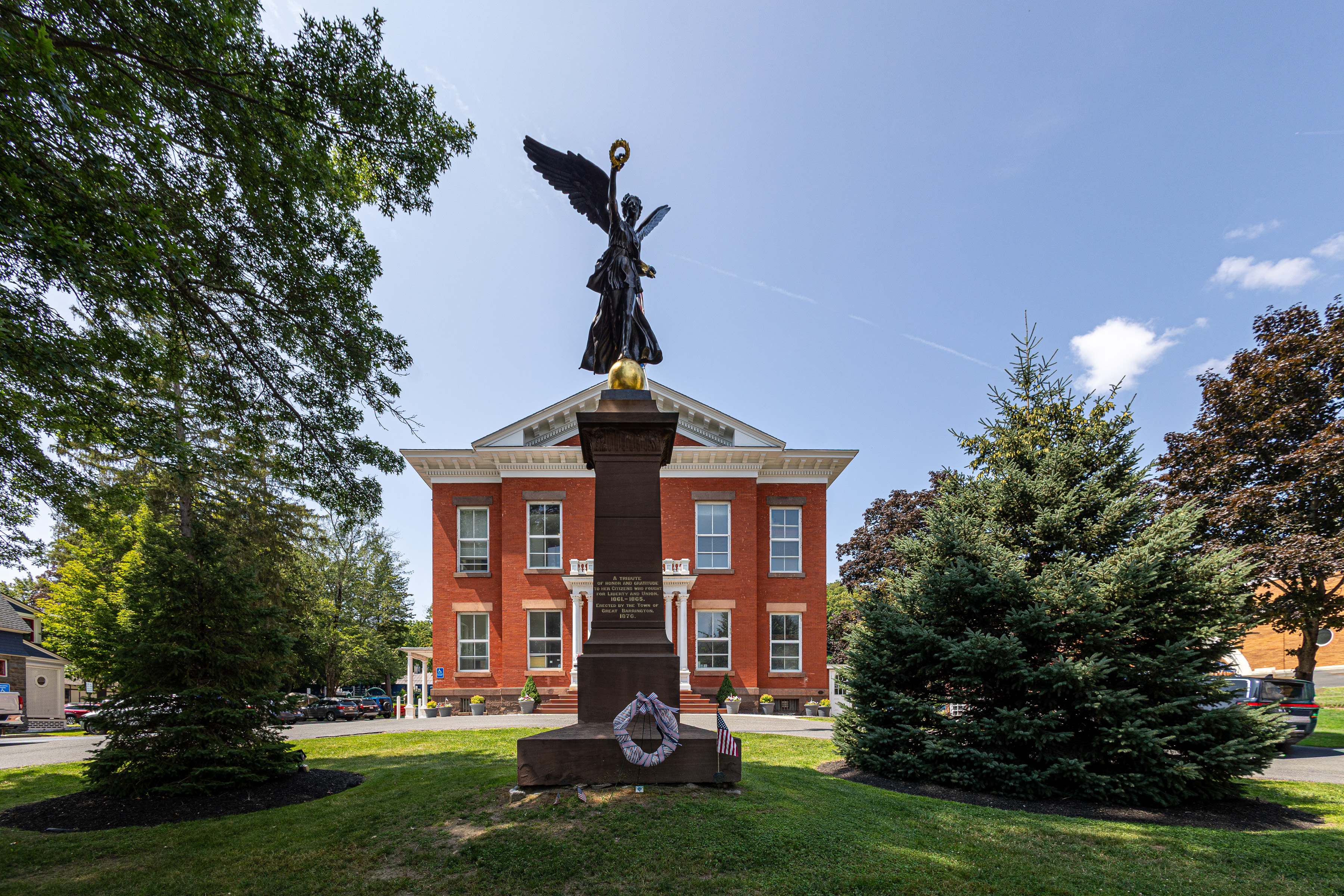
Startup costfor a Great Barrington, MA short-term rental is not a furniture catalog and it is not a Berkshire County tourism brochure. It is the cash you need before the first registered night: the house, the Article 25 registration, the Massachusetts rooms-tax account, the safety gear the bylaw actually names, the photographs, and the empty weeks the locked AirROI extract already showed you.
This page is a sequence, not a price list. We will not invent a Great Barrington median sale price, a contractor bid, or a furniture total. We will put the town’s one-unit rule and the 150-day off-premises cap in front of every dollar you are tempted to spend. Themarket reportholds the locked extract: ADR $399, occupancy 37.4 percent, median per month, peak August at ,. Theregulation postholds Article 25. If you cannot register the unit you are about to furnish, the rest of this page is a second-home budget.
Great Barrington is not Lenox and not Stockbridge. Do not copy a Lenox startup spreadsheet onto a Railroad Street walk-up. Do not annualize August. The rest of this Great Barrington cluster is built to be used with this page: themarket reportand theregulation post,tourism data, thevisitor’s guideand theoverlooks guide,startup costand thefinancing post, andhow to marketthe listing without moving Tanglewood onto Railroad Street.
What Startup Cost Means in This Town
Startup cost here means money that leaves your account before a guest can legally occupy the unit as a short-term rental. Purchase or down payment. Closing. Immediate repairs that keep the house from failing an inspection. Smoke detectors, carbon monoxide alarms, and a charged multi-purpose extinguisher — the safety items the town’s own materials tell operators to have. Photographs. Listing copy that names Railroad Street and Monument Mountain instead of Tanglewood. The town registration fee the GovOS FAQ listed at $200 when we checked it in August 2026, which the Selectboard can change. The time to get a Massachusetts Department of Revenue rooms-tax account. None of that is optional color. A sofa without a registration number is still a second-home sofa.
Startup cost does not mean “what AirBNB hosts spend on throw pillows.” It does not mean a county visitor-spend line from thetourism data. $839.3 million in 2024 1Berkshire direct visitor spending will not pay a plumber on Castle Street. The locked extract’s two-unit annual of is a sample construct. Article 25 lets an owner register only one dwelling unit. You do not get a second Great Barrington STR by buying another house in your own name. Plan one unit. If you want two towns, that is two registrations in two governments. Professionally managed share in the sample is 12.7 percent. Most of is independent. Your startup budget should assume you are buying photos, writing copy, and hiring a cleaner in your own name. The bylaw allows a management company to list and manage. The registration stays in the owner’s name.
Buy the Envelope Before You Buy the Sofa
Article 25, adopted at Annual Town Meeting in June 2022 and effective January 1, 2023, is the operating envelope. One dwelling unit per owner. Unlimited days if the owner is residing on premises at the time of the rental. 150 days if not. Corporations banned. LLC or Trust only when every member is a natural person. No affordable or income-restricted units. No offering an unit already under a long-term lease. Hotels and licensed B&Bs already licensed with the town are told they do not need this STR registration.
If the house you want cannot fit that envelope, do not spend on a staging plan. A 200-night off-premises calendar is not a product this town sells. Count 150 days against the locked peak-three — August, October, July — and decide whether the remaining nights you are allowed to take are the ones that actually pay. Views do not add nights. Theoverlooks guidewill not repeal the cap. Read the primary text on townofgbma.gov before you make an offer. The Registration Hub says even one night a year requires registration. The portal is townofgb.munirevs.com. Assistance is the Selectboard office, sbtm@townofgbma.gov or. If the PDF, the hub, and the clerk disagree, the town wins. A purchase-and-sale that assumes 200 off-premises nights is not a negotiation. It is a document that does not match the bylaw. A large-house listing matches the sample’s mode — eight-plus bedrooms at 34.9 percent, six-plus at 54.8 percent. A two-bedroom over a shop is a different startup. Do not buy eight-bedroom furniture for a two-bedroom because the mode is large.
Registration, Rooms Tax, and the Fees You Must Look Up
Two registrations, not one. The town requires annual registration through the Selectboard-approved process. The Commonwealth requires registration with the Department of Revenue. The hub is blunt: register even if you will only rent one night. The GovOS FAQ, checked August 2026, listed a $200 fee and said the registration number must appear in every online advertisement and in a conspicuous place in the unit. The bylaw assigns fee-setting to the Selectboard. Confirm the current fee in the portal or at before you put $200 on a spreadsheet as eternal. Credit-card convenience fees the FAQ listed at 2.75 percent are portal mechanics, not bylaw text.
Massachusetts room occupancy excise is 5.7 percent at the state level (mass.gov). Cities and towns may add a local option up to 6 percent. Confirm Great Barrington’s current local option on the Division of Local Services Municipal Databank. Do not invent 4 percent or 6 percent because a neighboring town uses one of those. Do not copy a 2017 newspaper sentence as the 2026 rate. Cleaning fees and guest fees often sit inside the taxable rent. DOR technical information, not a host forum, is the source for the base. If you are not sure, ask the department or a Massachusetts tax professional. This page will not invent a cleaning-fee rule. Budget time as well as money. Portal documents, a DOR account, and a week when the inspector can actually walk the unit are part of startup. A furnished house you cannot yet advertise is still a second home. Build that idle month into the cash you hold, not into a hope that the portal will clear in four days.
Photographs, Safety, and Cash After You Open
The sample is independent and large. Photographs have to show the house you have, not the eight-bedroom next door. Hire a photographer or do not — the DIY-versus-hire post in this cluster will go deeper — but do not open with phone snapshots of a Stockbridge street. Heroes on this cluster are Great Barrington frames. Yours should be too. Safety is not optional color. The town’s materials call for working smoke detectors, carbon monoxide alarms, and a charged multi-purpose extinguisher. Confirm the current posted list on the hub and in the bylaw before you buy. Inspections happen. Three violations in a twelve-month period is the enforcement stair theregulation postalready walked. Startup that skips detectors is not lean. It is a fine.
Listing copy is a startup cost because bad copy delays the first booked night. Thevisitor’s guideis the name list: Railroad Street, the Mahaiwe at 14 Castle Street, Monument Mountain, the River Walk, Ski Butternut at 380 State Road when it is open. The overlooks guide is the view list: Peeskawso Peak, Flag Rock, William Stanley Overlook. Tanglewood is Lenox. Ice Glen is Stockbridge. Put the Article 25 number in the advertisement. Walkability is a measured sentence, not a slogan.
Do not spend launch week writing a county tourism paragraph. $24.2 billion statewide and $839.3 million in 1Berkshire are already on the tourism-data page. They do not belong in your amenity bullets. 37.4 percent occupancy on the locked TTM is a season story. August is in the extract. January is not. If you underwrite as if every month is August, you will run out of cash in the shoulder. Hold a reserve for the months that are not in the peak-three. Theseasonality postin this cluster will walk the calendar. This page only needs the instruction: startup is not over on the night you first go live.
Cleaning, linens, restocking, and a local person who can meet a guest are operating costs, not startup — unless you buy the first inventory before opening. Buy what the first month needs. Do not warehouse a year of shampoo because a blog said so. Professional management at 12.7 percent means most of your comparable set is also writing their own listing and hiring their own cleaner. A 25 percent coastal PM pitch is not a Great Barrington default. If you hire help, hire it for photos, copy, or cleaning you cannot do. Do not hire it because the county visitor-spend number felt large. The two-unit annual in the extract is not your year-one net. After one registered unit, after 150 days if you are off-premises, after 5.7 percent state rooms tax and whatever local option the databank shows, after the portal fee — the remainder is the business. Model that remainder before you buy the sofa. If the remainder only works when you pretend February is August, the house is a second home with occasional guests, not a startup.
What This Page Will Not Price — Including Insurance and Winter
We will not publish a Great Barrington median sale price. We will not publish a contractor’s per-square-foot. We will not publish a furniture package. Those numbers change by street and by week. A blog that invents them is not a source. We will not publish Crest & Cove pricing. We will not tell you a photographer’s rate. We will not tell you a cleaner’s rate. Ask three locals who already work Great Barrington houses. Write the bids down. The town’s number is for the Selectboard office, not for a vendor referral. A rate from the Cape or from Lenox is a different labor market.
We will not treat Lenox’s separate CLEAR median of as a Great Barrington input. We will not treat Stockbridge as a cheaper version of this town. Different bylaws, different extracts, different walks. We will not treat $839.3 million in county visitor spending as a rent roll. We will not treat VisitMA’s $24.2 billion as proof your first August will clear. That August cell is an extract peak, not a guarantee. If a broker’s deck fills those blanks for you, ask which year, which source, and which geography. If the answer is “the Berkshires,” you do not have a source. You have a story. A startup budget built on a story is how people furnish a house they cannot register.
Carriers treat short-term rentals as a different product than a primary home. Confirm, in writing, that the policy you are buying actually covers paying guests for stays of thirty days or less. A homeowner’s policy that excludes business use is not a startup savings. It is an uninsured night. This page will not invent a premium. Ask two Massachusetts agents who already write Berkshire lodging and compare the exclusions, not just the binder price. Utilities in a large-house town do not look like a studio. The sample’s mode is eight-plus bedrooms at 34.9 percent. Heat, electric, and water on a Monument Mountain–adjacent house in January are a line item even if you are not in the peak-three. If you are off-premises and dark for the nights you cannot rent, you still heat to keep pipes intact. Budget the empty weeks as occupancy-plus-utilities, not as zero.
Winter is also when Ski Butternut, at 380 State Road, is the in-town amenity if it is open — confirm on skibutternut.com. It is not a reason to staff as if February were August. Monument Mountain’s lot is not maintained in winter. The River Walk’s official page is spring through fall. Your first-year reserve should assume guests still come, just not at August density. Do not skip a local person who can meet a lockout at 11 p.m. on a foliage Saturday. Independent hosts are 87-plus percent of the extract. Someone still has to hold a key. That person is part of startup if you pay a deposit or a first-month retainer before you open.
A Ninety-Day Sequence That Respects the Bylaw
Days 1–14: Read Article 25 and the Registration Hub. if the PDF and the portal disagree. Confirm you can be the one registered owner. Confirm on-premises versus 150 days. Confirm the house is not income-restricted and not under a long-term lease. If any of those is a no, stop spending. Days 15–45: Start the town portal and the DOR rooms-tax account. Confirm the current registration fee in the portal. Pull the local option rate from the Municipal Databank. Schedule whatever inspection the town is actually requiring this year — do not invent a form number. Buy the detectors and the extinguisher the hub names.
Days 46–75: Photograph the house you have. Write the listing with Great Barrington place names and the registration number. Measure the walk to Railroad Street. Measure the drive to Monument Mountain. Do not lead with Tanglewood. Build a 150-day calendar if you will not be on premises, and park it on the peak-three first. Days 76–90: Go live only when the registration number can sit in the advertisement. Hold cash for the first empty week.The market reportis the demand check. The bylaw is the envelope. Everything else is furniture. If the portal is still pending, you wait. You do not advertise “coming soon” as if the hub allowed it. If day 90 arrives and you still cannot register, you do not have a startup delay. You have a house that is not this product. That is cheaper to learn in week two than in month four.
The rest of this Great Barrington cluster is built to be used with this page: themarket reportand theregulation post,tourism data, thevisitor’s guideand theoverlooks guide,startup costand thefinancing post, andhow to marketthe listing without moving Tanglewood onto Railroad Street. Listing copy that names Railroad Street and Monument Mountain instead of Tanglewood. Hire a photographer or do not — the DIY-versus-hire post in this cluster will go deeper — but do not open with phone snapshots of a Stockbridge street.
Frequently Asked Questions
What is the Great Barrington STR registration fee?
The town’s GovOS FAQ, checked August 2026, listed $200. The bylaw lets the Selectboard set fees, so that figure can move. Confirm in the portal (townofgb.munirevs.com) or at before you treat $200 as permanent. Portal card fees the FAQ listed at 2.75% are checkout mechanics, not bylaw text. The town registration fee the GovOS FAQ listed at $200 when we checked it in August 2026, which the Selectboard can change.
Can I start two units if I buy two houses?
Article 25 lets an owner register only one dwelling unit as a short-term rental. The locked AirROI two-unit annual of is a sample construct, not permission for a second registration in your name. If you own two properties, or own one and manage a second, you still choose one. Two towns means two governments.
Do I have to register before I advertise?
The Registration Hub says the bylaw requires registration even for one night a year, and the portal FAQ says a registration is required before advertising and renting. The number must appear in every online advertisement and in a conspicuous place in the unit. Advertising without it is the violation the town’s own FAQ describes. The GovOS FAQ, checked August 2026, listed a $200 fee and said the registration number must appear in every online advertisement and in a conspicuous place in the unit.
What rooms tax should I put in the startup model?
Start with the state room occupancy excise of 5.7% from mass.gov. Then look up Great Barrington’s current local option on the Division of Local Services Municipal Databank (up to 6%). Cleaning and guest fees often sit inside the taxable rent — confirm on DOR guidance, not a host forum. Confirm Great Barrington’s current local option on the Division of Local Services Municipal Databank.
Is named-town occupancy pins as of 2026-07-31 a reason not to open?
It is a reason not to annualize August. The locked TTM peaks in August, October, and July. Occupancy of 37.4% means nights cluster in those months and sit quieter in others. Hold cash for the months that are not in the peak-three. The extract’s August cell of is not your January, and it is not a town promise.
What safety items belong in the startup budget?
The town’s materials call for working smoke detectors, carbon monoxide alarms, and a charged multi-purpose extinguisher. Confirm the current posted list on the hub and in Article 25 before you buy. Three violations in twelve months is the enforcement stair. Skipping detectors is not a lean launch. Smoke detectors, carbon monoxide alarms, and a charged multi-purpose extinguisher — the safety items the town’s own materials tell operators to have.
Should I use Berkshire County visitor spending to size the budget?
Dean Runyan’s 2024 1Berkshire cell is $839.3 million for the whole county. VisitMA’s statewide 2024 total is $24.2 billion. Neither is a Great Barrington rent roll. Use the locked AirROI extract for the town-attributed sample and your own folio for cash after tax and the 150-day cap. We will not treat $839.3 million in county visitor spending as a rent roll.
When is startup actually finished?
When the town registration number can sit in the advertisement, the DOR account exists, the detectors are in, and you have cash for the first empty week. A furnished unregistered house is still a second home. Day 90 without a registration is not a delay. It is the cash you need before the first registered night: the house, the Article 25 registration, the Massachusetts rooms-tax account, the safety gear the bylaw actually names, the photographs, and the empty weeks the locked AirROI extract already showed you.
Keep going on Crest & Cove:the Crest & Cove intro·local SEO keywords that actually book·the five elements of a converting hero·how to compare STR marketing agencies·OTA fees without leftover occupancy lifts·this cluster against named-town AirROI pins·Destin against AirROI, not leftover year·prior cluster against AirROI pins.
Related Reading
Keep reading in the Great Barrington market spine and nearby towns in the same region: same-cluster pages hosts can use without costume-corridor copy.
Great Barrington MA Report: AirROI Pins, Not Leftover Occupancy
Great Barrington MA Marketing: AirROI Pins, Not Leftover Occupancy
Is Great Barrington MA Agency Math: Costs Without Invented Occupancy
Great Barrington MA Airbnb DIY Ceiling: AirROI Pins, Not Leftover
Financing a Great Barrington, MA Rental: DSCR Without Invented Years
Winning Great Barrington MA Remote Stays: AirROI Pins, Not Leftover
Great Barrington MA Shoulder: Peak Occupancy Is Not the Year
This Market Host Guide: What Guests Actually Ask for Independent Hosts
Great Barrington MA 150 Investment: AirROI Pins, Not Leftover Year
DIY vs Hire Marketing for Mad River Valley Vacation Rental Marketing
How to Market a Provincetown STR: Selling the Town, Not the Beach
Work with Crest & Cove Creative
Peak occupancy is not the year. Named-town AirROI pins only.crestcove.coor(256) 998-7502.
Peak occupancy is not the year. Named-town AirROI pins only.crestcove.coor(256) 998-7502.
Peak occupancy is not the year. Named-town AirROI pins only.crestcove.coor(256) 998-7502.
Peak occupancy is not the year. Named-town AirROI pins only.crestcove.coor(256) 998-7502.
A Great Barrington, MA startup that skips Article 25 is just a furnished second home.
Crest & Cove Creative works with independent short-term rental hosts who want marketing built around how their specific property and market actually work — not a franchise playbook. See what we do atcrestcove.co, or call (256) 998-7502 to talk through your situation. Reach out at crestcove.co or (256) 998-7502.


Comments