
Gulf Coast STR Marketing: Keep the Overnight Local

Updated: Aug 27
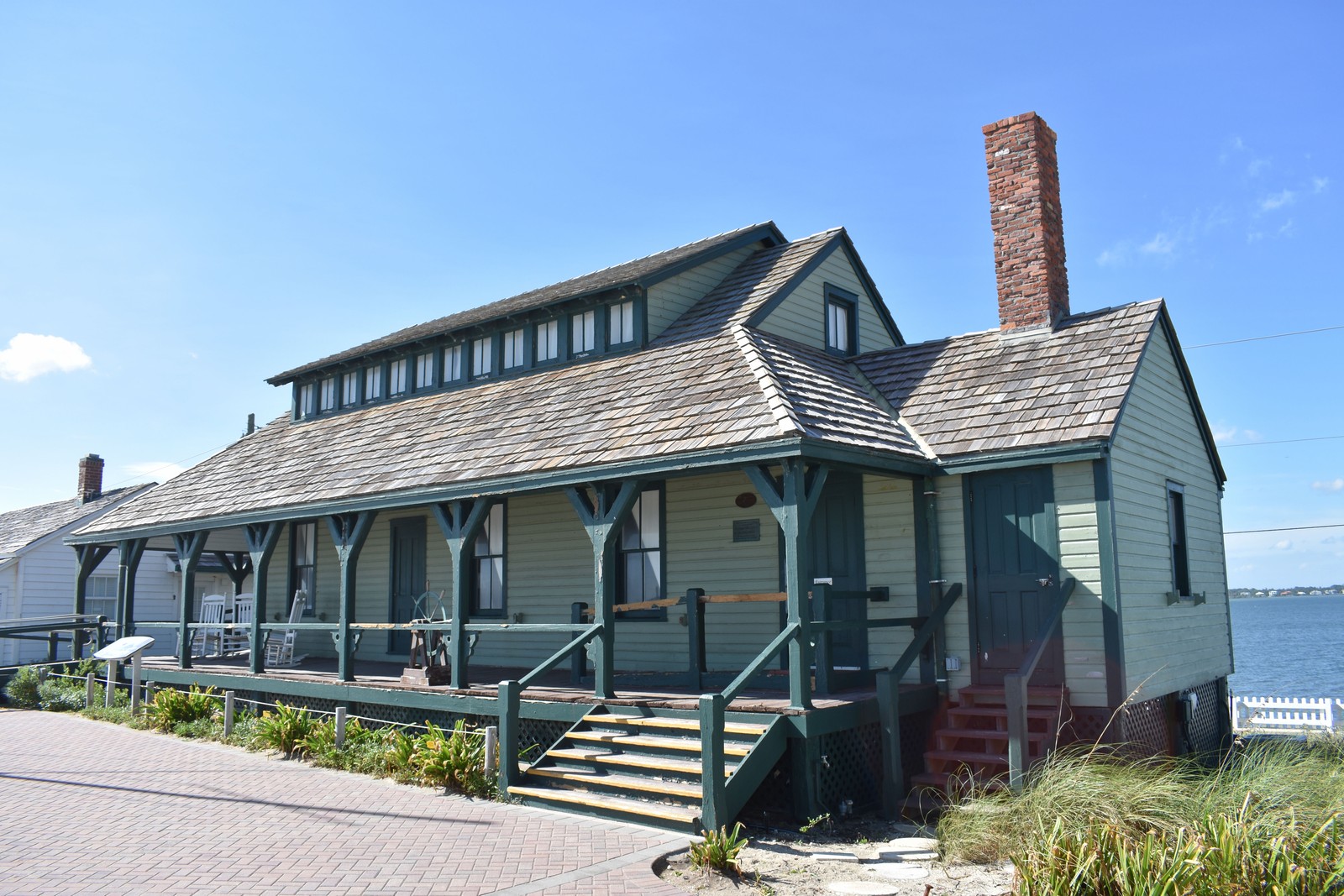
A Gulf Coast host loses more bookings to a listing that borrows the wrong state's beach photo than to a weak ad budget. A driveway in Boca Grande photographed to look like a generic 30A beach house, or an Islamorada listing captioned with vague "Florida Keys paradise" language that could describe forty different islands, teaches the exact guest who searched for that specific place that they may have landed somewhere else.
This hub anchors Crest & Cove's Gulf Coast coverage, and it's honest about its own limits: live, market-specific work exists today for Boca Grande, Florida and the Village of Islamorada, Florida only. Destin, 30A, and Galveston are not yet covered with market-specific data on this site, and nothing here guesses an ADR, occupancy rate, or booking lift for those markets. If a market isn't published, it isn't sourced, and this page won't pretend otherwise.
None of this is legal advice, and no revenue lift or ranking boost is guessed anywhere in this hub. What follows is what's actually verified: two real, differently shaped Gulf Coast markets, and a set of listing-level disciplines , title, photos, About, house rules, response time , that apply to any independent host on this coast regardless of which town she's in. This is not legal advice.
Two Live Markets, Nothing Else Guessed
Boca Grande and Islamorada are the only two Gulf Coast markets this hub currently backs with published, market-specific figures. That's a narrower claim than a reader might expect from a "Gulf Coast" hub page, and it's deliberately narrow: publishing a real number for two towns is more useful than publishing a plausible-sounding guess for five.
Destin, 30A, and Galveston are real, well-known Gulf Coast markets, and leaving them off this hub isn't a judgment about their importance , it reflects that this site doesn't yet have sourced, market-specific data to publish for them. A host operating in one of those markets should treat any regional Gulf Coast average she encounters elsewhere with real skepticism, for the same reason this page refuses to manufacture one.
The failure mode this hub is built to prevent is specific: a host pastes a beach-town aesthetic borrowed from a different Gulf state onto a driveway that keeps a genuinely different overnight, while the actual house rules still don't say where guests park or which night trash goes out. A prettier photo doesn't fix a hidden logistics gap , it just makes the mismatch more polished-looking when a guest discovers it at check-in.
Boca Grande's Own Numbers, on Their Own Line
Boca Grande, an unincorporated Lee County village at the south end of Gasparilla Island, published a typical year of $70,857 across 39 active listings for the August 2025 through July 2026 vintage, with an average daily rate of $816, occupancy at 34.8 percent, and RevPAR at $266. Year-over-year, this vintage shows revenue growth of about 6.6 percent alongside supply growth of about 8.3 percent , a market growing steadily on both sides, without the sharper swings some neighboring markets show.
That $816 ADR is a genuinely high number for a 39-listing sample, and it reflects a specific kind of product: a small, low-density village market, not a high-volume beach-town average. A host in this market citing her own comps should use Boca Grande's own figures, not a generic "Gulf beach" benchmark that would understate what this specific village actually commands.
Tampa shows up as this market's leading guest-origin city in the published data , a genuinely useful fact for understanding where demand travels from, but not a description of the product itself. A guest driving down from Tampa chose this specific village, not a generic Gulf getaway, and a listing that fails to confirm she found the right place loses a booking that was otherwise hers to keep.
With occupancy at 34.8 percent across a 39-listing market, every guest who specifically searched for Boca Grande and then bounced to a different listing because the photos and copy failed to confirm she'd found the right village represents a real, avoidable cost , not a small stylistic complaint about brand tone.
Islamorada's Own Numbers, Kept Separate From Its Neighbors
The Village of Islamorada, a chain of islands along the Overseas Highway in the Florida Keys, published a typical year of $46,255 across 368 listings for the same August 2025 through July 2026 vintage, with an average daily rate of $650, occupancy at 30.4 percent, and RevPAR at $193. Peak months run March, February, and April, with September as this market's clear hole , a specific, sourced seasonal shape that belongs to Islamorada alone.
This figure is specific to the Village of Islamorada's own incorporated boundary and should never get blended with Key Largo's separate published figure of about $45,955 across 833 listings, even though the two markets sit on the same highway corridor. They're genuinely different samples with genuinely different listing counts, and folding one into the other would misrepresent both.
Year-over-year, Islamorada's vintage shows revenue growth of about 1.4 percent against a notably larger supply growth of about 16.8 percent , considerably more new listings entering the market than matching revenue growth, which is a real competitive-pressure signal any host in this market should weigh, not something a generic Keys-wide slogan would ever surface.
A host marketing an Islamorada property well names the actual mile marker, the actual named dock, or a specific stop along the Overseas Highway, rather than settling for "Florida Keys" as if the whole 125-mile chain were interchangeable. Robbie's Marina and its tarpon feeding are a genuine visitor draw worth mentioning, but they describe a nearby attraction, not evidence of a listing's own occupancy.
Bridge to the Town Pages, Never to a Blended Gulf Number
The right way to use these two figures is as doorways to their own dedicated town coverage, not as ingredients in a combined Gulf Coast statistic. A $70,857 Boca Grande year and a $46,255 Islamorada year describe two structurally different markets , different listing counts, different ADRs, different seasonal patterns , and averaging them would produce a number that describes neither place accurately.
This discipline matters most in a financing or underwriting conversation, where a rounder, blended regional number can look more reassuring than either town's own real figure. A lender or partner asking for Gulf Coast context deserves Boca Grande's own line and Islamorada's own line, named separately, rather than a mash-up number that erases what makes each market distinct.
The same rule protects Destin, 30A, and Galveston from being backfilled with borrowed numbers from the two markets that do have coverage. Boca Grande's $816 ADR says nothing about what a 30A listing commands, and using it as a stand-in , even informally, even as a "similar Gulf market" estimate , would be guessing a figure this hub explicitly won't publish.
The Surfaces an Independent Host Actually Controls
Regardless of which of these markets a host operates in, the same five surfaces are where independent hosts actually compete: the listing title, photo order, the About section, house rules, and response time. These are the assets a host can change herself, this week, without waiting on a platform algorithm or a paid campaign to do the work.
Independent hosts on this coast tend to win less through ad spend and more through listing accuracy and responsiveness during peak season, when the corridor is crowded and guests are choosing quickly between many similar-looking options. A host who keeps these five surfaces honest and current is competing on exactly the dimension guests are actually deciding on, rather than trying to outspend a professional management company on visibility.
None of these five surfaces require a marketing budget to fix. They require the same hour of attention this page has argued for elsewhere: read the listing the way a first-time guest would, and correct whatever doesn't match what she'd actually experience on arrival.
Write a Title That Names a Feature, Not a Postcard
A title that says "walk to the beach," "covered parking," or "screened porch" tells a guest something specific and checkable about the actual property. A title built from paradise language , "tropical getaway," "beachfront paradise" , could belong to almost any listing on almost any coast, and it does nothing to help a guest confirm she's found the right house for her trip.
The first photo carries the same responsibility. It should set an accurate expectation about the property, not simply showcase the most dramatic available angle. A stunning sunset shot that hides a public parking lot next door, or crops out a busy road the house actually sits on, sets a guest up for a surprise that a more honest, less flattering photo would have prevented.
This is a low-cost, immediately actionable fix: a host can rewrite her own title and swap her own lead photo in the time it takes to read this section. There's no reason that fix should wait for a broader marketing project when it's available today, for free, on the platform's own listing editor.
About and House Rules Have to Carry the Peak-Season Facts
The About section should state the operable distance to water, honest weekend road-noise expectations, what parking looks like during peak-month crowds, and whether the layout genuinely fits the group size a guest is picturing. These are the facts a guest actually needs to decide whether this house works for her trip, and they're facts only the host , not a generic template , can supply accurately.
House rules carry a parallel, non-negotiable set of logistics: quiet hours, where to park, which night trash goes out, and what check-in actually involves. On a crowded Gulf Coast corridor during peak season, a guest who doesn't know where to park before she arrives is a guest circling a packed street at 9 p.m. looking for a spot nobody told her about.
Peak season on this coast means real congestion , full roads, full lots, full inboxes , and a listing that leans on costume language instead of operable facts makes all of that worse, not better. Honesty about the crowded moment beats a prettier description of an uncrowded one that doesn't exist on the actual weekend a guest is booking.
Response Time Is Part of the Marketing System, Not a Separate Task
Pre-booking questions in a crowded peak season are a direct brand test: a guest comparing several similar-looking Gulf Coast listings at once will often book whichever host answers first with a clear, useful reply, all else being roughly equal. Treating the inbox as separate from "marketing" undersells how much it actually shapes booking outcomes.
A soft, well-photographed listing paired with a slow or vague reply habit consistently loses ground to a plainer listing with a fast, specific one. Accuracy on the page gets a guest interested; a fast, accurate reply is often what actually closes the booking once a real question comes in.
Keeping the inbox staffed during peak weeks , even just checking it more frequently during the exact days demand spikes , is a marketing decision with a measurable payoff, not an operational afterthought that happens after the real marketing work is done.
What to Finish Before Spending on Paid Reach
Before any Gulf Coast host considers paid advertising, the more productive checklist is: one checkable title feature, an honest first photo, an About section with real distances and honest peak-season parking language, and house rules that actually cover logistics a guest needs before arrival. Each of these can be finished and checked within a single sitting.
Once those are live, the next step is watching actual peak-season inquiries for a week or two before spending anything on ads , that period tells a host directly whether her listing-level fixes changed anything, which is a clearer signal than any campaign metric a paid platform will report back.
If those surfaces already match what Saturday actually delivers, additional marketing spend is optional polish, not a requirement. The Gulf Coast markets with real, sourced data behind them , Boca Grande and Islamorada , show that a small, honest, well-run listing can hold its own in a crowded corridor without guessing a bigger story than the house itself can back up.
Related Reading
More independent-host Gulf Coast marketing reading already live on Crest & Cove.
Frequently Asked Questions
Which Gulf Coast markets does this hub currently cover with real numbers?
Boca Grande and the Village of Islamorada, both in Florida. That's a deliberately short list for a hub with "Gulf Coast" in its name, and it will only grow when there's an actual sourced dataset to publish behind a new town, not before — a host is better served by two real numbers than by five reassuring-sounding guesses.
What does Boca Grande's published market year actually show?
A typical year of $70,857 across 39 active listings for the August 2025 through July 2026 vintage, with an average daily rate of $816, occupancy at 34.8 percent, and RevPAR at $266. Revenue grew about 6.6 percent year-over-year alongside about 8.3 percent supply growth.
What does Islamorada's published market year actually show?
A typical year of $46,255 across 368 listings for the same vintage, with an average daily rate of $650, occupancy at 30.4 percent, and RevPAR at $193. Peak months are March, February, and April, with September as the clear seasonal hole.
Should Boca Grande and Islamorada figures ever be averaged into one Gulf number?
No. They're structurally different markets — different sample sizes, different price points, different seasonal patterns — and blending them would produce a number that accurately describes neither place. Each town's figure belongs on its own labeled line.
Is Key Largo the same market as Islamorada?
No. Key Largo has its own separate published figure, about $45,955 across 833 listings, and shares only the same highway corridor with Islamorada. The two should never be quoted as a single combined Keys figure.
Can a host estimate Destin, 30A, or Galveston numbers using Boca Grande or Islamorada as a proxy?
No. Those are genuinely different markets with their own supply, pricing, and seasonal dynamics, and using a covered market's figures as a stand-in would be inventing a number this hub deliberately doesn't publish. Wait for sourced, market-specific data rather than borrowing a neighbor's.
What five surfaces should an independent host actually focus on?
Listing title, photo order, the About section, house rules, and response time. These are the assets a host directly controls and can improve without a marketing budget, and on a crowded Gulf Coast corridor they matter more to bookings than most paid advertising does.
What should a listing title say instead of paradise language?
A specific, checkable feature — walk to the beach, covered parking, a screened porch — rather than generic phrasing like "tropical getaway" that could describe dozens of unrelated listings. A checkable claim helps a guest confirm she's found the right property; a slogan doesn't.
Why does response time count as marketing rather than just customer service?
In a crowded peak season, guests are often comparing several similar listings at once, and a fast, specific reply to a pre-booking question is frequently the deciding factor between two otherwise comparable options. A beautifully written listing with a slow inbox still loses bookings it should have won.
What should a Gulf Coast host finish before spending money on ads?
A checkable title feature, an honest first photo, an About section with real distances and peak-season parking detail, and house rules covering quiet hours, parking, and trash night. Watching a week or two of peak-season inquiries after those fixes go live is a clearer signal than any ad campaign metric.
Work with Crest & Cove Creative
Hosts keep dressing a Boca Grande or Islamorada listing in generic Gulf beach language borrowed from a different state's coastline. The guest who searched for that specific place notices the mismatch before she ever calls.
We help independent Gulf Coast hosts rewrite the title, About section, and house rules around what their specific market and property actually deliver, using only the published figures that exist. Bring your current listing to crestcove.co/audit or call (256) 998-7502, and we'll separate what's real from what's borrowed before anything goes back live.
Reach out at crestcove.co or (256) 998-7502.


Comments