
Market the Gulf Coast Season You're In, Not the Postcard Version

Updated: Aug 26
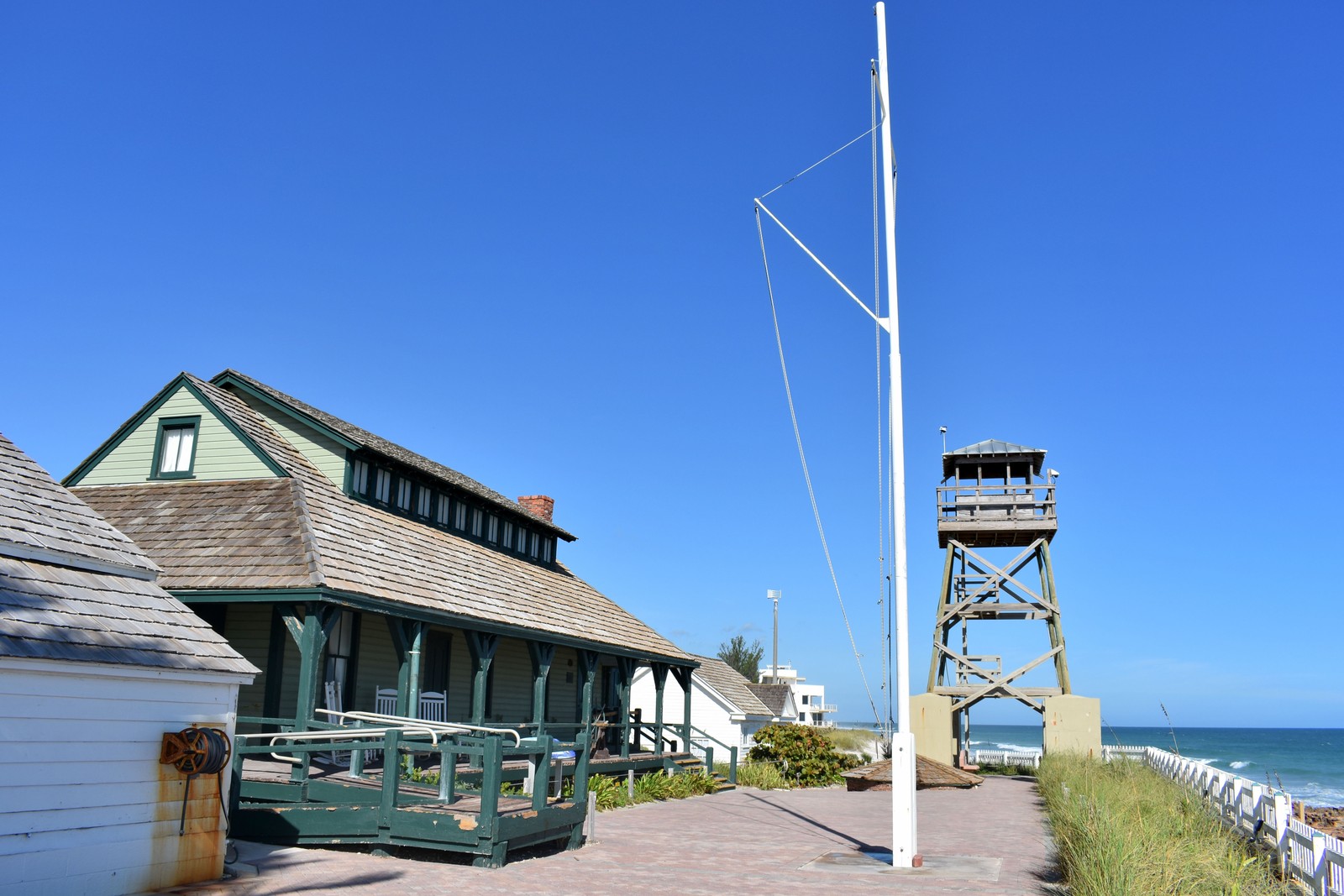
A Gulf Coast listing has a version of the seasonality problem that looks different from almost any other US region, because the biggest seasonal swing is not really about temperature — the Gulf stays warm most of the year by national standards — it is about risk, crowding, and demand patterns that shift dramatically across the calendar. Spring break brings a specific, intense crowd. Summer brings heat, humidity, and the peak of Atlantic hurricane season. Fall is the quiet shoulder nobody markets well. Winter, especially in the more southern reaches of the Gulf, is a genuine high-demand snowbird season that behaves almost like a second peak.
The "always sunny" postcard version of Gulf Coast marketing — palm trees, blue water, endless summer — is not wrong exactly, but it flattens four genuinely different seasons into one photo set and one set of assumptions, and that flattening causes real problems specifically around hurricane season, when a guest needs practical, current information far more than they need another beach photo.
This page covers what a Gulf Coast seasonal calendar should actually communicate across the year: spring break's specific logistics, hurricane season's honest disclosure needs, the quieter fall shoulder, and winter's real snowbird demand. It stays on operable, checkable facts and does not estimate booking or revenue outcomes, since those depend on a specific market and year this page has no way to see. This is not legal advice.
Spring: Spring Break Logistics Deserve Their Own Section
Spring break season on much of the Gulf Coast is not a vague "busy season" note — it is a specific, dated window that brings a specific kind of guest and a specific set of local conditions worth naming directly. Certain beach towns see substantially higher noise levels, traffic, and crowding during peak spring break weeks than at any other point in the year, including summer, and a family booking a quiet getaway without knowing this can end up badly mismatched with the actual week they chose.
The honest approach is naming the pattern plainly for properties in towns where it is a real factor: which weeks tend to be busiest, what that means for noise and parking near the property, and whether the property itself is in a quieter pocket or right in the middle of the activity. This is genuinely useful information for two different kinds of guest — the one who wants to be in the middle of it and the one who specifically wants to avoid it — and a listing that stays silent serves neither well.
Local ordinances around spring break behavior — noise curfews, alcohol restrictions, parking enforcement — vary by municipality and change periodically. This page will not state specific current rules, since they vary by town and change over time; hosts should confirm current local ordinances directly with their municipality rather than relying on general guidance. This is not legal advice.
Summer: Heat, Humidity, and the Start of Hurricane Season
Summer on the Gulf Coast is genuinely hot and genuinely humid in a way that surprises some inland or northern travelers, and a listing benefits from naming this plainly rather than assuming everyone already knows what Gulf Coast summer actually feels like. Air conditioning reliability becomes a real, checkable fact worth stating clearly — not just that the property has AC, but that it is adequate for the specific heat and humidity levels the region actually sees in July and August.
Summer is also, unavoidably, the start of the Atlantic hurricane season, which runs annually from June through November per NOAA's standard hurricane season window. This does not mean every summer booking involves storm risk — most weeks pass with no direct impact — but it does mean a Gulf Coast listing has a genuine, recurring reason to maintain current evacuation and storm-response information, distinct from the year-round listing copy, that can be activated quickly if a storm actually threatens the area.
Pool and outdoor amenity availability is worth double-checking specifically for summer, since intense heat sometimes affects usable hours for uncovered pools or outdoor spaces differently than a guest from a milder climate might expect. A listing that notes realistic usable hours, rather than assuming a pool photo speaks for itself, sets a more accurate expectation.
Hurricane Season Disclosure Is a Marketing-Honesty Issue, Not Just a Safety One
Because Gulf Coast hurricane season runs a full six months of the year, listings in the region have an ongoing obligation — practical, not strictly legal — to keep storm-related information current rather than treating it as a one-time addition to the listing. This includes a clear, current cancellation and refund policy specifically for storm-related disruptions, stated in plain language a guest can find before booking, not buried in a general terms page they are unlikely to read closely.
During an active storm watch or warning, response speed matters more than almost anything else in the listing. A guest trying to decide whether to evacuate a planned trip needs a fast, clear answer, and a host who can update the listing or respond to inquiries quickly during an active weather event protects both the guest's trust and their own reputation far better than one who goes quiet during exactly the moment guests need information most.
This is explicitly not the place for legal guidance on evacuation orders, mandatory closures, or insurance requirements — those are local-authority and insurance-provider matters, and hosts should confirm current requirements directly with the relevant authorities and their own insurance provider rather than relying on general marketing guidance. This is not legal advice, and it does not guess local ordinance details this page has no way to verify for a specific property or town.
Fall: The Genuinely Underrated Shoulder Season
Fall on the Gulf Coast is, in a lot of ways, the best-kept secret of the regional calendar — hurricane risk generally tapers through October and November, crowds thin out considerably after Labor Day, and temperatures often become more comfortable than the peak of summer without losing much beach-worthy weather. Marketing that treats fall as an afterthought, simply running the same summer copy through the season, misses a genuine opportunity to attract a traveler specifically looking for that combination of good weather and lighter crowds.
The honest fall pitch names the tradeoff directly: hurricane risk, while lower than peak season, has not reached zero until the season officially closes at the end of November, and a listing that states this plainly rather than implying fall is entirely risk-free is being more accurate, not less appealing. Most fall travelers booking a Gulf Coast trip already understand this general tradeoff and respond well to a host who states it clearly rather than glosses over it.
Fall is also frequently a strong window for value-oriented marketing — genuinely lower rates than summer or winter peak, genuinely fewer crowds, without the deep-winter cold that affects other US coastal regions. A listing that makes this case specifically, rather than defaulting to generic year-round beach language, tends to attract exactly the traveler this season is well suited for.
Winter: The Snowbird Peak Most Hosts Undermarket
Winter on much of the Gulf Coast, particularly its more southern stretches, functions as a genuine second peak season, driven heavily by snowbird travelers — often retirees or remote workers from colder climates booking extended stays to escape winter weather up north. This audience has different needs from a typical week-long vacation booker: longer stay lengths, more interest in kitchen functionality and workspace than in beach-adjacent nightlife, and more interest in a stable, predictable environment than in an action-packed itinerary.
Marketing that stays locked on short-stay vacation language all winter misses this audience almost entirely. A listing that explicitly addresses extended-stay guests — noting monthly or multi-week discount structures if the host offers them, describing kitchen and workspace amenities in real detail, and being direct about typical winter temperatures and conditions for guests unfamiliar with a Gulf Coast winter specifically — speaks directly to exactly the traveler most likely to book a long, high-value winter stay.
Winter is also, for many Gulf Coast markets, genuinely outside hurricane season entirely, which is worth stating as a real point in the listing's favor for travelers who specifically avoided a summer or fall booking over storm concerns. A guest choosing winter partly to sidestep hurricane risk benefits from the listing confirming that reasoning rather than leaving it unstated.
Five Seasonality Mistakes Gulf Coast Hosts Should Drop
The first mistake is generic "always sunny" marketing that never distinguishes spring break crowds, summer heat and hurricane risk, fall's quieter value window, or winter's snowbird demand — treating all four as one interchangeable season. The second is letting hurricane-season storm policy information go stale, leaving outdated cancellation terms live during an active season when a guest actually needs current, accurate information the most.
The third mistake is silence around spring break week-to-week variation in busy Gulf Coast towns, leaving both the guest who wants the energy and the guest who wants to avoid it equally unprepared. The fourth is marketing winter purely as vacation-week language when a large share of actual winter demand is extended-stay snowbird travelers with entirely different needs from amenities and stay-length options.
The fifth is invoking hurricane season only as a vague, unhelpful disclaimer — a single generic sentence — rather than as a real, checkable, current policy a guest can find and understand before booking. Any one of these mistakes creates a mismatch between what a guest expects and what they actually get; during hurricane season specifically, that mismatch can escalate from a bad review into a genuinely difficult situation for a guest trying to make a real decision about their safety.
A Composite Case: The Stale Storm Policy During an Active Watch
Consider a fairly typical Gulf Coast beach property whose listing includes a general cancellation policy written when the listing was first created, with no specific mention of storm-related cancellation terms. Two years later, during an active hurricane watch for the region, a guest with a booking the following week messages asking what happens if the storm makes landfall near the property before their arrival date.
The host, caught without a clear, pre-written answer, has to research the platform's own storm-related policies in real time while also fielding the same question from two other upcoming guests, all while trying to track the storm's actual path for planning purposes. The delay in responding, more than the storm itself, is what generates the guest frustration in this scenario — not because the host did anything wrong intentionally, but because the information a guest needed in an urgent moment did not already exist anywhere they could find it.
The fix is preparing this content well before hurricane season starts, not during an active watch: a clear, plainly worded storm-cancellation policy stated directly in the listing, confirmed against the platform's own current storm policies, and reviewed at the start of each hurricane season to make sure it still reflects both platform rules and the host's own current approach.
Run a Seasonal Check Timed to Hurricane Season, Not a Fixed Calendar Date
For most Gulf Coast listings, the single most important seasonal review is not a generic 30 or 90-day check — it is a pre-season review done before June 1st each year, confirming the storm-cancellation policy is current, confirming contact and response plans for an active weather event, and confirming the listing's general copy has not drifted into implying hurricane risk doesn't exist.
A second useful checkpoint sits around Labor Day, when spring-break-adjacent and peak-summer copy should shift toward the fall value pitch, and a third around late November or early December, when the listing should pivot toward extended-stay snowbird framing for the winter season ahead. These three checkpoints roughly track the region's actual demand shape better than a fixed 30/90-day cycle would.
The through-line across all three checkpoints is the same discipline that governs every seasonal listing: match the marketing to the actual current season and its actual current risks, rather than defaulting to a single flattering photo set that gets left in place year-round. A Gulf Coast listing that gets this right reads as run by someone who genuinely understands the region's real calendar, not just its postcard version.
Writing Hurricane-Season Copy That Informs Without Alarming
There is a real balance to strike in hurricane-season listing copy between honest disclosure and unnecessary alarm, and hosts sometimes overcorrect in one direction or the other — either avoiding the topic entirely out of fear it will scare off bookings, or over-explaining it in a way that makes a routine seasonal reality sound like a constant emergency. Neither serves the guest well. The goal is matter-of-fact, practical language: this region has a hurricane season, here is the current policy if one affects your dates, here is how quickly we respond if conditions change.
Framing matters here as much as content. A sentence like "our region sees hurricane season from June through November; here's exactly what happens to your booking if a storm is declared for our area" reads as competent and reassuring, because it demonstrates the host has already thought this through. The same information delivered as a vague, ominous warning with no actual policy attached reads as alarming without being useful, which is the worst combination for a guest trying to make an informed decision.
Guests booking Gulf Coast trips during hurricane season are, in the large majority of cases, already aware in general terms that the season exists — this is not new information for most travelers considering the region. What they actually need from the listing is the specific, current policy detail that turns general awareness into an actionable plan, which is exactly the gap a well-written storm-cancellation section is meant to close.
Related Reading
More independent-host reading on honest listing copy, distribution, and when hiring help is worth it.
Frequently Asked Questions
Why doesn't 'always sunny' marketing work well for a Gulf Coast listing?
Because it flattens four genuinely different seasons — spring break crowds, summer heat and hurricane risk, a quiet fall shoulder, and a real winter snowbird peak — into one interchangeable pitch. A guest booking based on generic postcard language has no way to anticipate the specific conditions of the actual week they chose, which is exactly where seasonal mismatches and negative reviews come from.
When does Atlantic hurricane season officially run?
NOAA's standard Atlantic hurricane season runs from June 1 through November 30 each year. This doesn't mean every week in that window carries active storm risk — most pass with no direct impact — but it does mean Gulf Coast listings should maintain current storm-related policy information throughout that entire six-month window, not just during an active watch or warning.
What should a Gulf Coast listing's storm-cancellation policy actually include?
A clear, plainly worded, current statement of what happens to a booking if a hurricane threatens the area, confirmed against the host's platform's own current storm-related policies, stated somewhere a guest will actually see it before booking rather than buried in general terms. This should be prepared and reviewed before hurricane season starts each year, not written for the first time during an active watch.
Is spring break a real factor to mention on a Gulf Coast listing?
In many Gulf Coast beach towns, yes — certain weeks bring substantially higher noise, traffic, and crowding than any other point in the year. Naming this plainly, including whether the property sits in a busier or quieter pocket of town, serves both the guest looking for that energy and the guest specifically trying to avoid it. Local ordinances around spring-break behavior vary by municipality; confirm current specifics with your local authority. This is not legal advice.
Who is the typical Gulf Coast winter guest, and how should marketing address them?
A large share of Gulf Coast winter demand comes from snowbird travelers, often retirees or remote workers, booking extended stays to escape colder climates. This guest cares more about kitchen functionality, workspace, and extended-stay discount structures than about short-trip vacation language, and a listing that speaks directly to those needs tends to convert this audience far better than generic weekly-vacation copy.
Is fall a good season to market on the Gulf Coast?
Often yes — hurricane risk generally tapers through October and November, crowds thin considerably after Labor Day, and temperatures are frequently more comfortable than peak summer. The honest pitch names the real tradeoff directly: lower risk than summer, but not zero risk until the season officially closes at the end of November.
How fast should a host respond to guest questions during an active hurricane watch?
As fast as realistically possible — this is the single moment where response speed matters most across the entire Gulf Coast seasonal calendar. A guest deciding whether to evacuate a planned trip needs a clear, current answer quickly, and a host who has already prepared storm-policy language in advance can respond far faster than one starting from scratch during the event itself.
Does Gulf Coast summer heat affect what a listing should say about the pool or outdoor space?
It can — intense summer heat sometimes affects realistic usable hours for uncovered pools or outdoor amenities differently than a guest from a milder climate might assume from a photo alone. Stating realistic conditions plainly, rather than letting a pool photo imply all-day comfortable use, sets a more accurate expectation for summer bookings specifically.
What's the biggest mistake in how Gulf Coast hosts handle hurricane season in their marketing?
Treating it as a single vague disclaimer sentence rather than a real, current, checkable policy. A guest facing an actual storm threat needs specific, current, findable information — not a generic line acknowledging that storms can happen, which provides no actual guidance when a guest most needs it.
When should a Gulf Coast host review their seasonal listing copy?
Three checkpoints track the region's real demand shape better than a fixed calendar cycle: before June 1st, to confirm storm policy and response plans ahead of hurricane season; around Labor Day, to shift toward the fall value pitch; and around late November or early December, to pivot toward extended-stay snowbird framing for winter.
Work with Crest & Cove Creative
Market the Gulf Coast Season You're In, Not the Postcard Version only works when the listing shows operable facts guests can check. Cut soft slogans that hide the real stay.
We help Gulf Coast independent hosts build a real seasonal calendar into their listing — spring break logistics, honest hurricane-season policy language, the underrated fall value window, and winter's genuine snowbird demand — so the marketing matches the season a guest is actually booking into. If hurricane season is approaching and your storm-cancellation policy hasn't been reviewed in a while, that's worth fixing before the next watch, not during it.
Reach out at crestcove.co or (256) 998-7502.


Comments