
200 Listings and an $89,368 Year: Healdsburg STR Report 2026

Updated: Aug 28
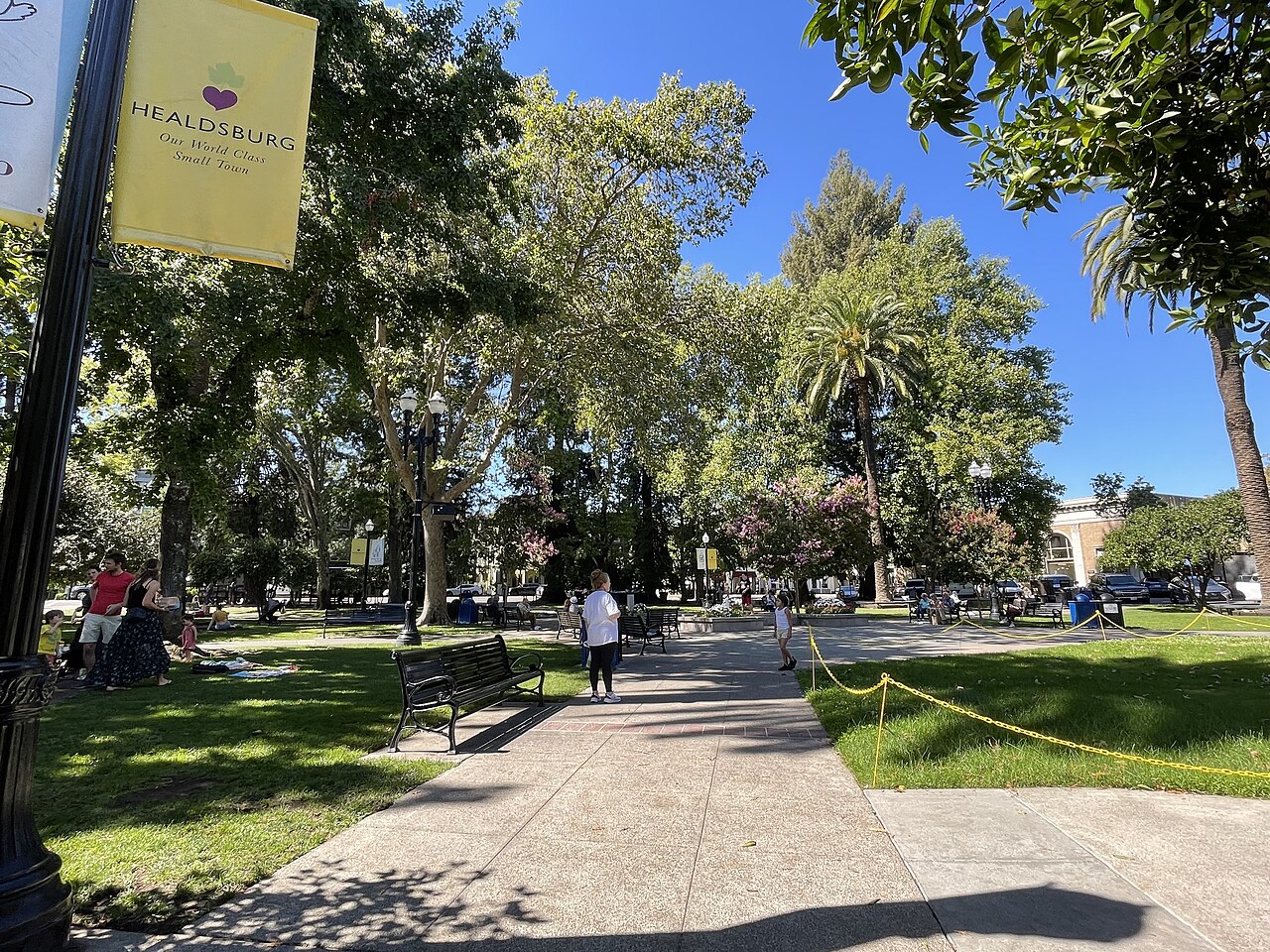
Healdsburg, California is a two-hundred-listing Plaza town on the AirROI extract dated 2026-08-08. The pin is the incorporated City of Healdsburg in Sonoma County. The Plaza, Dry Creek Valley, and the Russian River as a named drive sit on that city product. Guerneville is a river and redwood pin, not this cell. The City of Sonoma and the City of Napa are neighbor extracts, not a second Healdsburg year. Annual revenue for a typical active unit lands at $89,368 with a median month of $6,849, an ADR of $783, occupancy of 39.0 percent, and RevPAR of $298. Those figures sit on a clear line. They belong to Healdsburg city.
Hosts who invent a Napa year, a Sonoma city year, or a leftover harvest-only peak will underwrite a calendar this pull does not print. Peak month is August. The three strongest months are August, June, and May. The hole is January, February, and March. February is the lowest revenue month. Occupancy is lowest in January. ADR peaks in July and is lowest in February. Revenue moved plus 13.6 percent. Supply stayed steady. Superhost share sits at 72.0 percent. Professional management is 18.0 percent. Licensed share sits near 26 percent.
This report names what the numbers say, how the Healdsburg calendar runs, what the product looks like, and what this market is not. The city CUP path and the purchase thesis get full treatment in later pieces. If you need the ordinance path before you list, start with thestartup cost file. If you are underwriting a purchase against these clear figures, use theinvestment underwrite. For the soft months in more depth, see theshoulder-season calendar.
What the Healdsburg extract says
The AirROI Healdsburg page, updated 2026-08-08, reports two hundred active listings. Average daily rate sits at $783. Occupancy is 39.0 percent. RevPAR is $298. Annual revenue for the typical active unit lands at $89,368, and the median month is $6,849. Both cash figures sit on a clear line. Those figures are the locked inputs for every later post. They are not Sonoma County visitor-spend totals, and they are not a single operator’s portfolio year. They describe the competitive set a new host would join if the parcel can list.
Superhost share sits at 72.0 percent. Professional management is 18.0 percent. Thirty-plus-night minimums already cover 45 percent of the set. Two-night minimums are 39.5 percent. Entire homes are 93.5 percent. Hotel and boutique stock is 12.5 percent. Average stay length is five nights and average lead time is seventy-three days. Cleaning fees show a median of $350 and an average of $1,251. Guests come from San Francisco first and New York second. Licensed share sits near 26 percent. Revenue moved plus 13.6 percent while supply stayed steady.
Treat the extract as a competitive set, not a promise. AirROI’s Moderate label is a product label, not City of Healdsburg law and not a Conditional Use Permit. The ordinance path is a clerk map, not a vendor badge. The extract is the marketplace path. The numbers below assume an active, bookable unit in the current set. They do not assume you can join that set tomorrow without a city CUP in the CD district, or, on a county parcel, a Permit Sonoma file that is a different clerk entirely.
$89,368 clears; the median $6,849 clears
An $89,368 year is real money in a 200-listing Plaza cell and it sits on a clear line, not a watch line. The median month of $6,849 is the same sentence in monthly form. Do not annualize an August screenshot and call it a year. Do not round the clear year up to a number that feels more investable, and do not round it down because a leftover harvest story said spring was only a second peak. Build the base case on $89,368 and $6,849 for one active Healdsburg city unit, then decide whether the expense stack still stands when January, February, and March go dark.
Napa city’s $41,517 and Sonoma city’s $110,370 are comparison cells only. They are not a Healdsburg year and they are not permission to invent a wine-country average. This cluster will not blend those three extracts. Healdsburg is the Plaza clerk: a downtown-commercial CUP town with Dry Creek and Alexander Valley as named drives. Those places are real. They are not this extract’s neighbors mashed into one rent roll. Print the Healdsburg cell only. Keep Napa and Sonoma city in the comparison file.
If you need the tourism distinction, $89,368 is a host year, not visitor spend. Do not invent a Healdsburg-only visitor dollar and do not divide a $2.4 billion county tourism total by two hundred. The tourism file owns that sentence. This market report only needs you to lock the clear year as a Healdsburg host line. A leftover blended range is not a substitute for the dated extract, and a harvest postcard is not a second AirROI cell.
August, June, and May carry this cell
The seasonal spine of this cell is simple and locked. Peak month is August. The three strongest months are August, June, and May. The three weakest months are January, February, and March. February is the lowest revenue month. Occupancy is lowest in January. ADR peaks in July. That order is not a marketing suggestion. It is the calendar hosts should price against when they build a year of rates and minimum stays. Late summer and late spring carry the year. Winter into early spring is the reserve season you fund.
Notice that May is a peak month, not a discounted afterthought. Leftover copy that said harvest from late August through October is the peak, with spring as a second peak, is wrong on this file. Hosts who imported that story will treat May as a clearance month and then watch the extract prove them wrong. Harvest weeks can be busy. They are not the three-month spine. June and May sit with August. January, February, and March are the hole. Do not invent a 15 to 20 percent or 30 to 40 percent discount to paper over that hole.
For a deeper cut on the soft months, use theshoulder-season calendar. This market report only needs you to lock the peak-three and low-three labels before you write a rate card. Do not invent a second August in February. Do not invent a crush carnival that fills January the way August fills. Plaza light, Dry Creek tasting rooms, and a planned trip from San Francisco are honest August, June, and May products. They are not adjectives pasted onto a winter hole.
Occupancy at 39 percent is a wine weekend, not a 70 percent resort
Thirty-nine percent occupancy means well under half the available nights clear and more than half do not, on average, across the year. In a resort with conference demand and year-round leisure, operators often underwrite toward the high sixties or low seventies. Healdsburg city is not that product. The Plaza, the tasting rooms, and the highway from San Francisco pull strong August, June, and May weekends. They do not fill every midweek night in February at the same rate. Wine weekend with a real January-February-March hole is the honest frame.
RevPAR of $298 is the bridge between ADR and occupancy. At $783 ADR and 39.0 percent occupancy, the math is consistent with a market that earns real money on the nights it books and leaves real gaps on the nights it does not. Annual revenue of $89,368 and a median month of $6,849 describe a blended year, not twelve Augusts. Both sit on a clear line. If your expense stack assumes full-year resort occupancy, the model will break in the first January and it will break again in February when Plaza demand thins.
Read Superhost at 72.0 percent next to occupancy, not instead of it. Quality share is already high for a two-hundred-listing set. Guests who do book still have options that look polished, including a 12.5 percent hotel and boutique slice. Filling the remaining dark nights is not a matter of dropping the house into a harvest story and waiting. It is a matter of matching the calendar to the demand that actually exists, then defending rate on the May-June-August months that carry the year, inside a legal product that may split between weekend stays and thirty-plus minimums.
Product mix: 45 percent already set 30-plus
Forty-five percent of the 200 listings already show a thirty-plus-night minimum. That is a listing-setting share, not booked winter occupancy. It does not mean 45 percent of February nights are filled by remote workers. It means a real slice of the competitive set has already chosen a monthly or midterm gate. Two-night minimums are 39.5 percent. The volume conversation is weekend versus monthly, not a thick weekly-rental middle and not a harvest carnival invented to fill the hole.
Entire homes are 93.5 percent of the extract. Hotel and boutique stock is 12.5 percent. Average stay is five nights and average lead time is seventy-three days. Cleaning fees sit at a $350 median and a $1,251 average. Guests come from San Francisco first and New York second. The volume product for this cell is the well-presented entire home aimed at a couple or small group coming for Plaza nights, not a Guerneville river cabin and not a Napa city hotel dressed as Healdsburg. Floor plans have to match the group you actually allow and the clerk you actually have.
Thirty-night copy still has to match the clerk. A monthly setting on the channel is not a substitute for a city CUP, and the city prints a 29-day maximum on vacation rentals. The30-night remote-worker postowns desk, upload, and the 29-day collision. This report only needs you to lock the 45 percent figure as structure inside the 200, then underwrite one house against $89,368 rather than against a fantasy that monthly settings fill the February hole by themselves.
Superhost 72 percent and 12.5 percent boutique
Seventy-two percent Superhost share is a craft bar, not a participation trophy. In a two-hundred-listing set, most of what a guest sees already looks finished. Photo depth, review count, and response speed are not optional extras you add after harvest. They are the table you sit at if you want $783 ADR nights to hold. The 12.5 percent hotel and boutique slice raises that bar again. Guests can book a designed room on the Plaza sidewalk and still walk to dinner. A house that photographs like a leftover wine-country template will lose those nights without the extract ever changing.
On the operator side, Debi at WC Lodging appears with seventeen listings and combined revenue of $2,087,675. Healdsburg Vacation Homes appears with eight listings and $1,028,041. AvantStay Sonoma appears with one listing and $126,375. Those are their books on this pull, not your pro forma, not a median you can divide by listing count, and not a franchise vacuum. Professional management share sits at 18.0 percent across the cell. Vacasa and AvantStay presence is real here. Do not print a zero-franchise line.
Name concentration matters because photo quality and review depth in a two-hundred-unit set can be driven by a few strong operators and by boutique hotels that already own the sidewalk. It does not mean a new host must hire the same name to reach the median. It means the visual bar is already set by people who know Plaza light, not by a national template pasted onto a Dry Creek drive or a Guerneville river story dressed as Healdsburg. Underwrite one unit against $89,368 and $6,849, then decide whether marketing support belongs in the expense stack.
City CD plus CUP is not AirROI Moderate
AirROI Moderate is a vendor product label on the extract. It is not Healdsburg Municipal Code 20.28.310. It is not a Conditional Use Permit under HMC 20.08.145 Table 10. It is not permission to list in a residential zoning district. A live Airbnb pin is not a city CUP and not a city business license. Treating Moderate as a ban can make you walk from a legal CD house. Treating Moderate as permission can make you open an illegal residential one. Both mistakes start with skipping the clerk.
Inside city limits, a vacation rental is a complete residential unit with bedroom, kitchen, and bath, rented for fewer than thirty days, with no on-site management. It is permitted only in the CD Downtown Commercial zoning district, and only with a CUP. It is not permitted in residential zoning districts. The rental period maximum is 29 days. No additional parking is required. City TOT is 14 percent, assessed on lodging inside city limits. Zoning is. Planning is , planning@healdsburg.gov, 401 Grove Street. Guests should be able to ask for the CUP and the annual fire and safety inspection.
When the dashboard and the clerk appear to disagree, the clerk wins. Unincorporated Sonoma County is a different clerk at Permit Sonoma, with a different TOT and a different cap. Do not print city 14 percent on a Dry Creek or Westside parcel outside city limits. Put the extract in the left column of the deal file and the permit path in the right column. Never let a strong left column authorize a blank right column. Confusing the two is how operators underwrite a listing that cannot legally open, then blame February for a problem that started at the parcel.
What this extract is not
This is not a Napa AirROI cell, not a Sonoma city cell, and not a Guerneville river-redwood cabin market. Listing copy that treats the Plaza as Napa, or Fitch Mountain as a Guerneville walk, is writing for a guest who will wake up in the wrong place. The demand origin is San Francisco first and New York second, coming for a city Plaza house or, separately, for a Dry Creek drive if the parcel actually sits there and can clear its own clerk. Keep the product language on the pin you can defend. ThePlaza walk fileowns the proximity claim.
This is also not the investment memo and not the tourism memo. A house can sit on $783 ADR and still fail if the parcel cannot show a CUP, if the owner advertises a residential lot as a weekend rental, or if the model only works on twelve Augusts. $89,368 is a host year. It is not visitor spend. Thethree-cell comparisonowns Napa’s $41,517 and Sonoma’s $110,370. This report owns the competitive set: two hundred listings, $783 ADR, 39.0 percent occupancy, $298 RevPAR, $89,368 annual, $6,849 median month, peak three of August, June, and May.
If you remember only one frame from the extract, remember this. Healdsburg is a mid-size, high-ADR, moderate-occupancy Plaza cell with a real February hole, a real Superhost bar, a 45 percent thirty-plus slice, a 12.5 percent boutique competitor, supply steady against revenue up 13.6 percent, and a city clerk that AirROI Moderate does not replace. Price the calendar you have. Market the city you actually sit in. Leave the ordinance and the purchase thesis to the posts built for them.
Related Reading
More Healdsburg and northern Sonoma wine-country reading already live on Crest & Cove.
18% PM and a $6,849 Month: Is an Agency Worth It in Healdsburg?
How to Market a Healdsburg Stay: Plaza Walk, Not Generic Wine Country
Is Healdsburg a Good STR Investment in 2026? CUP First, Then $89,368
Sonoma County Tourism and Healdsburg Hosts: $2.4B Is Not $89,368
What It Actually Costs to Start a Legal Rental in Healdsburg, CA
Financing a Healdsburg House: DSCR on $6,849 and a February File
Frequently Asked Questions
What are the locked AirROI numbers for Healdsburg on the 2026-08-08 extract?
Two hundred active listings show $783 ADR, 39.0 percent occupancy, $298 RevPAR, an $89,368 clear year, and a $6,849 clear month. Peak three are August, June, and May. Lows are January, February, and March. Revenue moved plus 13.6 percent and supply stayed steady. Use those figures as the competitive set, not as a promise for a new listing.
Can I underwrite a blended wine-country year with Napa or Sonoma city?
$89,368 and $6,849 belong to the Healdsburg city cell. Napa city’s $41,517 and Sonoma city’s $110,370 are comparison extracts only. Guerneville is a different pin. Do not invent a blended wine-country average. Print Healdsburg only and keep the neighbor cells in the comparison file. Hosts who invent a Napa year, a Sonoma city year, or a leftover harvest-only peak will underwrite a calendar this pull does not print.
Is 39 percent occupancy a weak Healdsburg market?
It is a wine weekend market, not a seventy percent resort. Nights that book carry ADR near $783 and RevPAR of $298. Nights that do not leave a real January, February, and March hole. Underwrite the blended clear year of $89,368 and the $6,849 median month, not twelve Augusts. February is the revenue low. January is the occupancy low.
Does AirROI Moderate mean Healdsburg allows short-term rentals on any house?
AirROI Moderate is a vendor product label on the extract. It is not a city CUP, not HMC 20.28.310, and not permission to list in a residential district. Vacation rentals are permitted only in the CD Downtown Commercial district with a Conditional Use Permit. A live Airbnb pin is not that CUP. AirROI’s Moderate label is a product label, not City of Healdsburg law and not a Conditional Use Permit.
What does the 45 percent thirty-plus share actually mean?
It is a listing-setting share, not booked winter occupancy. Forty-five percent of the 200 listings already show a thirty-plus-night minimum. Two-night minimums are 39.5 percent. A monthly gate does not mean 45 percent of February nights are filled, and it does not replace the city CUP or the 29-day vacation-rental maximum. Healdsburg is a mid-size, high-ADR, moderate-occupancy Plaza cell with a real February hole, a real Superhost bar, a 45 percent thirty-plus slice, a 12.5 percent boutique competitor, supply steady against revenue up 13.6 percent, and a city clerk that AirROI Moderate does not replace.
Why not treat WC Lodging’s seventeen listings as my year?
Named operator totals on the extract are their books, not transferable income. WC Lodging shows seventeen listings and $2,087,675 combined. Healdsburg Vacation Homes shows eight and $1,028,041. AvantStay Sonoma shows one and $126,375. Your underwrite is one unit against $89,368 and $6,849. Professional management share across the cell is 18.0 percent. Professional management share sits at 18.0 percent across the cell.
Who books Healdsburg and how far ahead?
Guests come from San Francisco first and New York second. Average stay is five nights and average lead time is seventy-three days. Plan for message-gated, planned Plaza trips rather than same-week impulse volume across a two-hundred-listing set with Superhost share already at 72.0 percent and a 12.5 percent hotel and boutique slice. Average stay length is five nights and average lead time is seventy-three days.
Is $89,368 what Healdsburg visitors spend in a year?
The $89,368 figure is a host clear year on the Healdsburg AirROI extract. It is not visitor spend, not a county tourism total, and not a number you may treat as a destination economy. Keep $89,368 on the host line and keep the $2.4 billion Sonoma County visitor figure in the tourism file. Do not invent a Healdsburg-only visitor dollar and do not divide a $2.4 billion county tourism total by two hundred.
What this extract is not?
Healdsburg, California is a two-hundred-listing Plaza town on the AirROI extract dated 2026-08-08. The AirROI Healdsburg page, updated 2026-08-08, reports two hundred active listings. Healdsburg is a mid-size, high-ADR, moderate-occupancy Plaza cell with a real February hole, a real Superhost bar, a 45 percent thirty-plus slice, a 12.5 percent boutique competitor, supply steady against revenue up 13.6 percent, and a city clerk that AirROI Moderate does not replace.
Which months are strongest on this extract?
The three strongest months are August, June, and May. Price those months as the peak the extract named. Do not copy a neighbor calendar onto this driveway. This report owns the competitive set: two hundred listings, $783 ADR, 39.0 percent occupancy, $298 RevPAR, $89,368 annual, $6,849 median month, peak three of August, June, and May.
Work with Crest & Cove Creative
Need a Healdsburg market report that does not invent a blended wine-country year?
Reach out at crestcove.co or (256) 998-7502.


Comments