
Healdsburg vs Napa vs Sonoma: Three Wine-Country Rental market

Updated: Aug 27
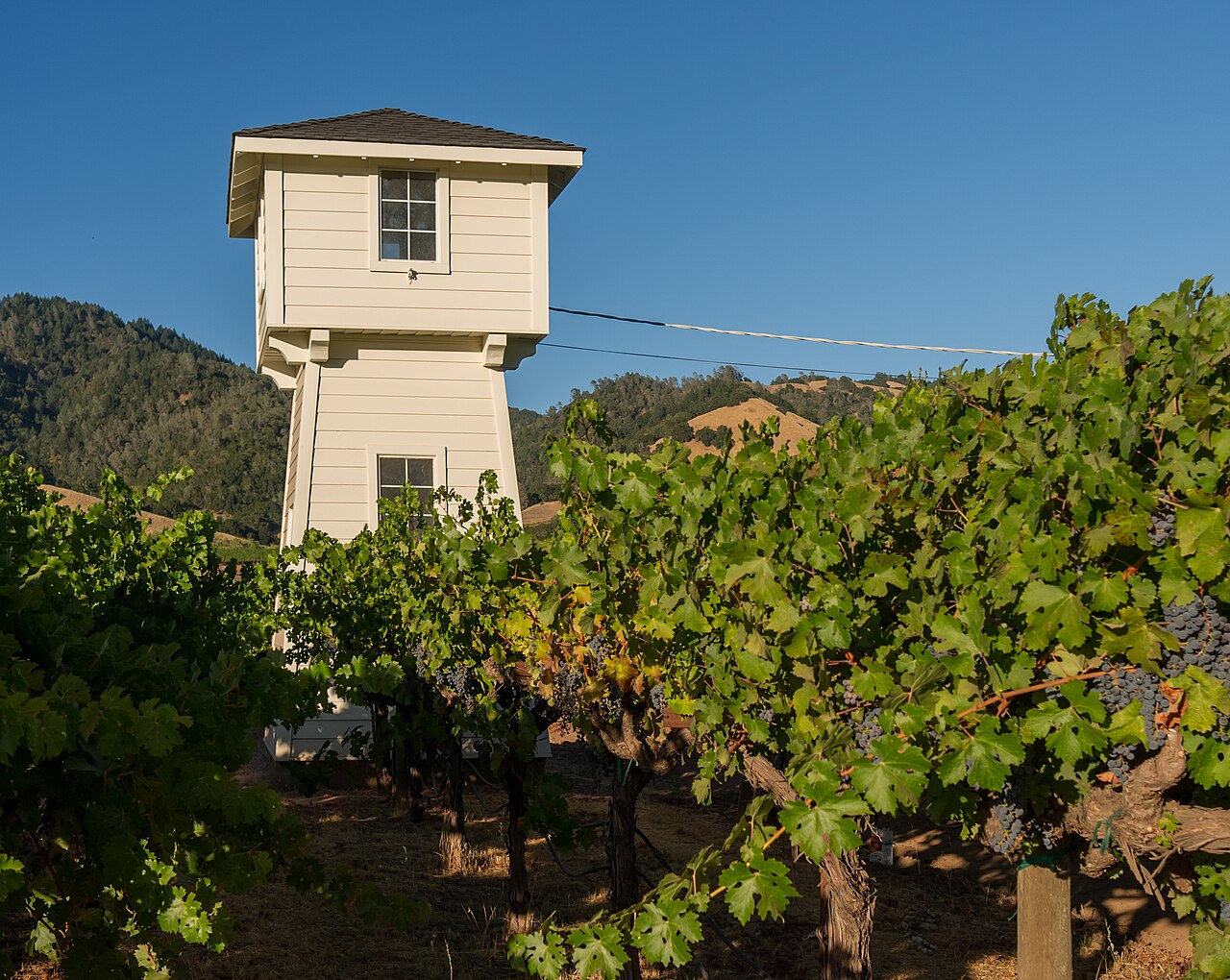
Healdsburg, Napa, and Sonoma all sell themselves to guests as wine country, but each city's AirROI extract, dated 2026-08-08, publishes a genuinely different typical year: Healdsburg clears $89,368, Napa city sits at $41,517, and Sonoma city prints $110,370.
Each of these figures also sits behind its own separate permitting process - a different city clerk, a different conditional-use-permit path, a different set of local rules - so a property's eligibility to even operate legally depends on which specific city line it sits within.
This is not legal advice. It is a practical framework for a buyer, host, or agent working across this region: which of these three market a specific parcel actually fits, and why the three figures should stay on three separate lines rather than blending into one wine-country average.
Three Extracts, Never One Wine-Country Average
The single biggest mistake in marketing or underwriting a Sonoma County wine-country rental is treating Healdsburg, Napa, and Sonoma as one blended identity, when their extracts show meaningfully different performance figures and operate under different permitting systems.
Healdsburg's 200-listing sample shows $783 ADR, 39.0 percent occupancy, and RevPAR near $298, clearing $89,368 for a typical unit - the strongest of the three market in this sample.
Napa city's extract shows $447 ADR and 33.2 percent occupancy, landing at $41,517 - a genuinely different, more modest profile than either Healdsburg or Sonoma.
Sonoma city's 239-listing sample shows $827 ADR and 40.9 percent occupancy, the highest occupancy of the three and the highest typical year at $110,370.
Healdsburg Is the Plaza-and-CUP File
A property fits Healdsburg's $89,368 year only if it sits inside the city limits and can clear the city's community development and conditional-use-permit process specific to short-term rentals.
Healdsburg's identity centers on its walkable plaza and northern Sonoma wine-country setting, and its permit path is genuinely its own - a host cannot assume Napa or Sonoma's permit process applies simply because all three markets share a wine-country tourism identity.
A buyer evaluating a Healdsburg-specific parcel should confirm CD and CUP status directly with the city before treating the $89,368, $783 ADR, and 39.0 percent occupancy figures as reachable for that specific property.
This city-specific figure should never be cited for a property that actually sits in unincorporated county land nearby, even if that property is a short drive from Healdsburg's plaza.
Napa City Is $41,517 and a Different Permit Story
Napa city's $41,517 typical year, $447 ADR, and 33.2 percent occupancy describe a market with real but more modest short-term rental performance compared to Healdsburg or Sonoma, and Napa runs its own distinct permitting process separate from either.
A buyer should not assume Napa's broader wine-country fame translates into Healdsburg or Sonoma-level short-term rental performance - the city's own extract is the figure that actually applies to a Napa city parcel.
Napa's permit story is its own: a host or buyer needs to confirm current requirements with Napa's specific city office, not assume Healdsburg's CUP process or Sonoma's local rules carry over.
The gap between Napa's $41,517 and Sonoma's $110,370, despite both being called 'wine country,' is exactly the kind of difference a blended regional average would hide.
Sonoma City Is $110,370 and a Different Identity
Sonoma city's $110,370 typical year, $827 ADR, and 40.9 percent occupancy across 239 listings make it the strongest performer of the three market in this sample, with the highest occupancy alongside a high ADR.
Sonoma's identity - its historic plaza, mission history, and its own distinct wine-country character - differs from both Healdsburg's and Napa's, and marketing copy should reflect that specific identity rather than a generic 'wine country' brand shared across all three.
A buyer or host targeting Sonoma city specifically should confirm this city's own current permitting rules, since a strong headline figure like $110,370 means nothing if the specific parcel cannot clear Sonoma's own permit process.
This figure belongs specifically to Sonoma city's 239-listing sample and should not be cited for a property in unincorporated Sonoma County or a neighboring town that happens to share the county name.
Unincorporated County Is a Fourth Clerk
Unincorporated Sonoma or Napa county land does not have a city-level extract on this page at all - it falls under Permit Sonoma or the relevant county planning department, a genuinely fourth regulatory path distinct from any of the three city extracts above.
A parcel in unincorporated county land should never borrow Healdsburg's, Napa's, or Sonoma's city-specific typical year, since none of those figures describe the county's own unincorporated listing performance.
If a parcel sits in unincorporated county land, the honest marketing approach is to describe the actual valley or river the property can reach, and leave any specific city's typical year off the page entirely.
Start at the parcel, not at the vibe - confirming which of these four regulatory paths (Healdsburg, Napa, Sonoma, or unincorporated county) actually applies is the necessary first step before any marketing or underwriting work begins.
Which Property Fits Which Town
A house fits Healdsburg's year only if it is inside the city and can clear CD plus CUP; it fits Napa or Sonoma city only if it sits in that specific city and can clear that city's own clerk and permit process.
County land fits Permit Sonoma or the relevant county process, not any city's extract - a buyer should use the assessor's parcel map before writing a single word of listing copy or underwriting memo.
One property, one town, one clerk: a buyer or host who tries to claim more than one of these identities for a single parcel is setting up a marketing or compliance mismatch that will surface eventually, whether in a guest's own research or a permit office's review.
Choosing which of the three city towns - or the county's fourth path - your parcel actually fits should happen before any revenue projection is built, not after.
How to Choose Without Blending the Years
A buyer comparing opportunities across Healdsburg, Napa, and Sonoma should build three separate one-page files, each carrying its own city's typical year, ADR, occupancy, and permit-path status, rather than one combined wine-country memo.
Averaging the three figures to make a deal feel safer misses the point - a parcel's actual location determines which single figure applies, and blending $89,368, $41,517, and $110,370 into a rounder number describes none of the three market accurately.
Whichever town a buyer ultimately chooses, the underwriting file should reflect that specific city's confirmed figures and confirmed permit status, with the other two market kept in the comparison column for context only.
This discipline - one parcel, one clerk, one confirmed figure - is the single most important habit for anyone marketing or underwriting a Sonoma or Napa County wine-country short-term rental in 2026.
What the Press Already Sold the Guest
Travel media has spent decades selling a single, blended Napa-Sonoma-Healdsburg wine-country identity to travelers, which gives all three cities a real marketing tailwind if the actual listing copy still stays honest about the specific city and specific amenities.
The risk is letting that shared media identity substitute for property-specific accuracy - a guest who books expecting Sonoma's plaza character and arrives at a Healdsburg-area property with a different feel is set up for a mismatched first impression regardless of how good the actual stay is.
The strongest listings across all three cities use the shared wine-country draw as an opening hook, then immediately ground the copy in the specific city, the specific walk to town, and the specific view the guest will actually experience.
This same discipline protects a host's reviews: guests notice quickly when marketing oversold a shared regional identity instead of describing the actual property and its actual city.
Related Reading
More Healdsburg and northern Sonoma wine-country reading already live on Crest & Cove.
200 Listings and an $89,368 Year: Healdsburg STR Report 2026
18% PM and a $6,849 Month: Is an Agency Worth It in Healdsburg?
How to Market a Healdsburg Stay: Plaza Walk, Not Generic Wine Country
Is Healdsburg a Good STR Investment in 2026? CUP First, Then $89,368
Sonoma County Tourism and Healdsburg Hosts: $2.4B Is Not $89,368
What It Actually Costs to Start a Legal Rental in Healdsburg, CA
Financing a Healdsburg House: DSCR on $6,849 and a February File
Frequently Asked Questions
Can Healdsburg, Napa, and Sonoma's short-term rental figures be averaged together?
No - each city publishes its own extract with meaningfully different figures: Healdsburg at $89,368, Napa city at $41,517, and Sonoma city at $110,370. Averaging these into one wine-country figure describes none of the three markets accurately and should never appear in a marketing or underwriting file. Each parcel's actual city line determines which single figure applies.
Does a property need a different permit for each of these three cities?
Yes - Healdsburg requires clearing its community development review and conditional-use-permit process, while Napa and Sonoma each run their own separate city permitting systems. A buyer or host must confirm the current requirements directly with the specific city where the parcel sits, since none of these processes transfer between cities.
What happens if a property sits in unincorporated county land near these cities?
Unincorporated land falls under Permit Sonoma or the relevant county planning department, a fourth regulatory path distinct from any of the three city extracts. None of the city-specific typical years - Healdsburg's, Napa's, or Sonoma's - describe unincorporated county performance, and marketing copy for such a parcel should reference the actual valley or river it can reach rather than borrowing a city's figure.
Which of the three cities has the strongest short-term rental performance in this sample?
Sonoma city shows the highest typical year at $110,370 with 40.9 percent occupancy and $827 ADR across 239 listings, ahead of Healdsburg's $89,368 and Napa's $41,517. This reflects each city's own listing sample and does not mean every individual property in that city will match the typical figure.
Why does Napa city show a lower typical year than Healdsburg or Sonoma despite Napa's fame?
Napa's broader wine-country name recognition does not automatically translate into higher short-term rental performance - the city's own extract shows $41,517, $447 ADR, and 33.2 percent occupancy, a genuinely more modest profile than Healdsburg or Sonoma city specifically. Regional fame and city-specific rental performance are two different things.
How should a buyer confirm which of these regulatory paths applies to a specific parcel?
Start with the county assessor's parcel map to confirm whether the property sits inside Healdsburg, Napa, or Sonoma city limits, or in unincorporated county land. That determination should happen before any marketing copy or underwriting figure is finalized, since it determines which single city's extract and permit process actually apply.
Is it safe to market a property as generic 'Sonoma County wine country' without naming a specific city?
It can work as an opening hook, but the listing copy and any performance claims should still be grounded in the specific city or unincorporated status the parcel actually falls under. A guest doing real research, or a lender reviewing a file, will expect the specific city-level facts to match the actual address.
What is the safest way to compare all three cities for an investment decision?
Build three separate one-page files, each with its own city's confirmed typical year, ADR, occupancy, and permit status, and compare them side by side rather than blending them. Choose the town the actual parcel fits, then keep the other two cities' figures in the comparison column purely for context.
Work with Crest & Cove Creative
Healdsburg, Napa, and Sonoma all sell wine country, but their extracts print three genuinely different years: $89,368, $41,517, and $110,370. Pick the town your parcel actually fits before you build the pro forma.
We help Sonoma and Napa County hosts and buyers keep these three cities' figures and permit paths on separate labeled lines instead of one blended wine-country pitch. Send the parcel and we will confirm which city's extract and clerk actually apply.
Reach out at crestcove.co or (256) 998-7502.


Comments