
Cohutta Hiking: Remote Wilderness Trails From a Cabin Base

Updated: Aug 28

The Cohutta Mountains of northwestern North Georgia — the southern extension of the Blue Ridge geologic province that runs from Alabama through the Carolinas — contain the Cohutta Wilderness, a 36,977-acre roadless wilderness area that is the most remote and least-visited of the major North Georgia outdoor recreation destinations. Where the Appalachian Trail corridors in Fannin, Union, and Lumpkin Counties draw tens of thousands of visitors annually, the Cohutta Wilderness and its approximately 95 miles of maintained foot trails see a fraction of that traffic — a fact that is the defining characteristic of the Cohutta hiking experience: genuine wilderness solitude in mountain terrain that is as dramatically beautiful as anything in the more famous North Georgia trail corridors, accessible to guests staying in the Murray County, Gilmer County, and Ellijay corridors without the parking lot crowds and trail congestion that peak-season Appalachian Trail hiking in the Blue Ridge area produces.
For cabin guests staying in the Ellijay, Blue Ridge, or Chatsworth corridors, the Cohutta Mountains represent a day-hike alternative to the more accessible but more crowded AT corridor — the option for the returning North Georgia visitor who has done Blood Mountain and the waterfall hikes and is ready for the more demanding, more remote experience that the Cohutta provides. This guide covers the specific trails, trailhead access, river-crossing logistics, and the local knowledge that make a Cohutta hiking day the most distinctive outdoor experience in the northwest Georgia mountain corridor.
The Cohutta Wilderness: Rules of the Road
The Cohutta Wilderness designation imposes specific use rules that differ from those in standard National Forest recreation areas — and that guests accustomed to the maintained trail infrastructure of state parks or the AT corridor need to understand before arriving. The Cohutta is a designated wilderness area under the Wilderness Act of 1964, which means: no motorized equipment (no ATVs, no dirt bikes, no mechanized transport of any kind including e-bikes); no mechanized trail maintenance (trails in the wilderness are maintained by hand tools and volunteer labor, producing a more natural and sometimes more overgrown trail character than mechanized-maintenance trails); no established campsites with facilities (camping is dispersed, and campers must follow Leave No Trace principles including camping at least 50 feet from water and trails); and fire restrictions apply during designated dry periods.
The practical implications for day hikers: the Cohutta trails are more demanding than their mileage suggests because the lack of mechanized maintenance produces more blowdowns, root tangles, and stream ford challenges than comparable-length AT or state park trails. The river crossings that characterize the Jacks River and Conasauga River trails are real crossings — wet crossings in most seasons that require appropriate footwear (water shoes or old trail runners, not hiking boots that will remain wet for hours after crossing). And the remoteness of the wilderness interior means that guests who venture into the Cohutta should be self-sufficient for the day: navigation capability (the Forest Service trail maps are available free at the Conasauga Ranger District office in Chatsworth), water filtration (the Cohutta streams are generally clean but not potable without treatment), and a first aid kit appropriate for a remote wilderness day.
The Jacks River Trail: The Cohutta's Signature Experience
The Jacks River Trail — 17 miles one-way from the Dally Gap trailhead on the northern end to the Hemp Top Trail junction at the southern end, with 39 river crossings of the Jacks River — is the Cohutta Wilderness's most distinctive and most demanding trail. The crossings are the trail's signature feature and the reason many hikers remember it as the most memorable trail they have done in the Southeast: the Jacks River is a clear, cool mountain stream that the trail crosses frequently in a rapid series through the gorge section, producing the experience of walking in and out of the river repeatedly through a forested mountain canyon. In summer, the water is refreshing and the crossings are ankle-to-knee deep in most conditions; in spring high-water, some crossings can be waist-deep and swift, making the trail significantly more challenging and potentially dangerous for inexperienced hikers.
The day-hiking approach to the Jacks River that is most accessible for cabin guests: enter from the Cohutta Wilderness southern boundary via the Jacks River Trail from the Hemp Top trailhead (accessible from a USFS forest road south of the wilderness boundary) and hike north into the gorge section for 3-5 miles before turning back. This approach puts the hiker into the river-crossing section quickly (the gorge begins within 2 miles of the southern trailhead) and allows a 6-10-mile round-trip day hike that includes a representative sample of the river-crossing experience without the full 17-mile one-way commitment. The full 17-mile one-way traverse requires either a vehicle shuttle (leaving a car at both trailheads) or a multi-day backpacking permit — appropriate for experienced wilderness backpackers but not for the casual day hiker from a mountain cabin base.
The Conasauga River Trail: River Beauty Without the Crossings
The Conasauga River Trail — running along the Conasauga River through the western portion of the Cohutta Wilderness — provides a gentler introduction to the wilderness than the Jacks River Trail, without sacrificing the wilderness character or the river beauty that makes the Cohutta special. The trail follows the Conasauga River upstream through old-growth forest, with periodic river views, and crosses the river far less frequently than the Jacks River Trail, providing a more consistent forest-hiking experience. The river itself is visually stunning in the upper section — clear water over a boulder and gravel streambed, with the mountain laurel and rhododendron that line the North Georgia mountain streams in spectacular bloom during May and early June.
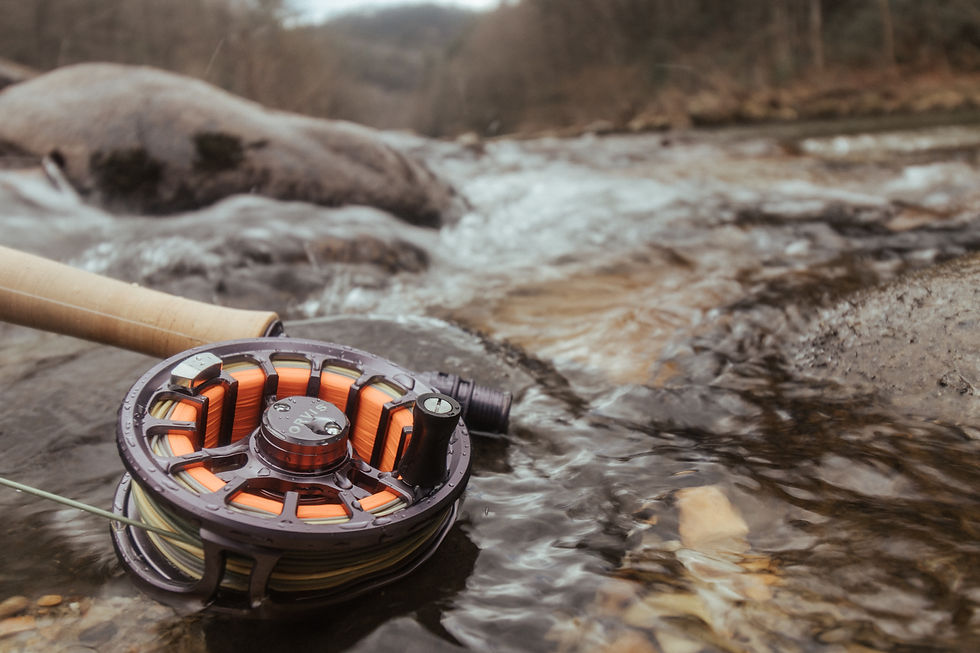
The Conasauga River Trail is also the primary access route to some of the Cohutta's best brook trout fishing — the upper Conasauga supports a self-sustaining population of wild brook trout (the only native trout species in the southern Appalachians) in conditions that are increasingly rare across the region. A guest who hikes the Conasauga Trail with a fly rod (a Georgia fishing license is required, available online through Georgia DNR) and works the upper section for wild brook trout has had an experience that is genuinely irreplaceable — wild brookies in a North Georgia wilderness stream are not available anywhere else in the state with the same combination of remoteness and habitat quality.
Fort Mountain State Park Trails: The Accessible Gateway
For cabin guests who want the Cohutta Mountains experience without the backcountry trail demands, Fort Mountain State Park provides an accessible gateway — with maintained trails, trailhead parking, and state park infrastructure that makes the mountain experience available to guests with less outdoor recreation experience. The Gahuti Backcountry Trail (an 8.2-mile, moderately strenuous loop around the summit of Fort Mountain) is the park's signature trail and offers the most complete mountain-hiking experience within the state park boundary. The Cool Springs Overlook Trail (2.2 miles, easier) offers mountain views from a designated overlook without the full-circuit commitment of the Gahuti.
The Fort Mountain stone wall — the mysterious prehistoric structure that runs along the mountain summit for approximately 855 feet, built of dry-stacked stone by an unknown culture in an unknown period — is accessible via a short trail from the park road and provides the cultural-heritage touchpoint that no other North Georgia hiking destination offers in the same form. The wall's archaeological mystery (researchers have proposed Cherokee, Woodland period, and even pre-Columbian Norse builders without conclusive evidence for any theory) is the conversation piece that guests bring back to the cabin from a Fort Mountain day — the 'did you know there is a 2,000-year-old stone wall on top of a mountain in Georgia and nobody knows who built it?' discovery that makes the experience memorable rather than generically scenic.
For Cabin Hosts: The Cohutta Guidebook Section
The Cohutta Mountains section is the most important hiking guidebook content for cabin operators in the Murray County, northern Gilmer County, and western Fannin County corridors — and the section that most differentiates a locally knowledgeable host from one who relies on generic recommendations. The guidebook entry should distinguish between the wilderness trails and the state park trails, calibrate the recommendation to the guest's likely fitness level, and include the one piece of logistics that most guests do not anticipate: 'The Jacks River crossings require water shoes or trail runners you are comfortable getting wet — do not attempt in hiking boots you want to keep dry; the USFS trail map for the Cohutta is available free at the Conasauga Ranger District office in Chatsworth, or download the PDF from the Forest Service website before you lose cell service.' That practical specificity is what converts the guest interested in the Cohutta from vague intent into an actual wilderness day — and that day into the review comment that brings the next guest.
Ready to reposition? Start with our free visibility audit — a complete read on where your listing wins and where it leaves money on the table.
Keep going on Crest & Cove: the Ellijay AirROI market file · Murray County against adjacent AirROI · the Crest & Cove intro · local SEO keywords that actually book · the five elements of a converting hero · North Georgia trout streams worth the drive · how to compare STR marketing agencies · Asheville paddling spots worth the drive.
Frequently Asked Questions
How long is the Jacks River Trail in the Cohutta Wilderness?
The Jacks River Trail runs 17 miles one-way from the Dally Gap trailhead to the Hemp Top Trail junction, with 39 river crossings. A more accessible day-hike option enters from the southern Hemp Top trailhead and hikes 3-5 miles into the gorge section for a 6-10-mile round trip. The day-hiking approach to the Jacks River that is most accessible for cabin guests: enter from the Cohutta Wilderness southern boundary via the Jacks River Trail from the Hemp Top trailhead (accessible from a USFS forest road south of the wilderness boundary) and hike north into the gorge section for 3-5 miles before turning back.
Do I need special footwear to hike in the Cohutta Wilderness?
Yes -- the Jacks River and Conasauga River trails involve real wet river crossings in most seasons, so water shoes or old trail runners are recommended rather than hiking boots you want to keep dry. The guidebook entry should distinguish between the wilderness trails and the state park trails, calibrate the recommendation to the guest's likely fitness level, and include the one piece of logistics that most guests do not anticipate: 'The Jacks River crossings require water shoes or trail runners you are comfortable getting wet — do not attempt in hiking boots you want to keep dry; the USFS trail map for the Cohutta is available free at the.
Are motorized vehicles or e-bikes allowed in the Cohutta Wilderness?
No -- the Cohutta Wilderness is a designated wilderness area under the Wilderness Act of 1964, which prohibits all motorized and mechanized equipment, including ATVs, dirt bikes, and e-bikes, and trails are maintained only by hand tools. The Cohutta is a designated wilderness area under the Wilderness Act of 1964, which means: no motorized equipment (no ATVs, no dirt bikes, no mechanized transport of any kind including e-bikes); no mechanized trail maintenance (trails in the wilderness are maintained by hand tools and volunteer labor, producing a more natural and sometimes more overgrown trail character than mechanized-maintenance trails); no established campsites with facilities (camping is dispersed, and campers must follow Leave.
What is the easier alternative to the Cohutta Wilderness backcountry trails?
Fort Mountain State Park offers a maintained-trail gateway to the same mountain range, including the 8.2-mile Gahuti Backcountry Trail loop and the shorter 2.2-mile Cool Springs Overlook Trail, plus the mysterious 855-foot prehistoric stone wall along the summit. The Fort Mountain stone wall — the mysterious prehistoric structure that runs along the mountain summit for approximately 855 feet, built of dry-stacked stone by an unknown culture in an unknown period — is accessible via a short trail from the park road and provides the cultural-heritage touchpoint that no other North Georgia hiking destination offers in the same form.
Can I fish for trout in the Cohutta Mountains?
Yes -- the upper Conasauga River Trail provides access to a self-sustaining population of wild brook trout, the only native trout species in the southern Appalachians. A Georgia fishing license is required and available online through Georgia DNR. The Conasauga River Trail is also the primary access route to some of the Cohutta's best brook trout fishing — the upper Conasauga supports a self-sustaining population of wild brook trout (the only native trout species in the southern Appalachians) in conditions that are increasingly rare across the region.
Where can I get a trail map for the Cohutta Wilderness?
Free Forest Service trail maps are available at the Conasauga Ranger District office in Chatsworth, or as PDF downloads from the Forest Service website -- worth downloading before you lose cell service in the wilderness interior. And the remoteness of the wilderness interior means that guests who venture into the Cohutta should be self-sufficient for the day: navigation capability (the Forest Service trail maps are available free at the Conasauga Ranger District office in Chatsworth), water filtration (the Cohutta streams are generally clean but not potable without treatment), and a first aid kit appropriate for a remote wilderness day.
Do short-term rental licenses transfer with the deed?
Do not invent a town permit fee this page did not confirm. Crest & Cove Creative is a nationwide short-term rental marketing agency founded by Thomas Garner and Jacob Mishalanie. Crest & Cove Creative — Cohutta Wilderness guest experience and cabin host guidebook research.
How should a host read this: Fort Mountain State Park Trails: The Accessible Gateway?
Fort Mountain State Park Trails: The Accessible Gateway. For cabin guests who want the Cohutta Mountains experience without the backcountry trail demands, Fort Mountain State Park provides an accessible gateway — with maintained trails, trailhead parking, and state park infrastructure that makes the mountain experience available to guests with less outdoor recreation experience. Where the Appalachian Trail corridors in Fannin, Union, and Lumpkin Counties draw tens of thousands of visitors annually, the Cohutta Wilderness and its approximately 95 miles of maintained foot trails see a fraction of that traffic — a fact that is the defining characteristic of the Cohutta hiking experience: genuine wilderness solitude in mountain terrain that is.
Related Reading
Keep reading on same-cluster Crest & Cove pages that stay on labeled local lines without costume-corridor copy.
North Georgia Hiking: Blue Ridge, Ellijay, and Blairsville Trails
The Chattanooga Hiking Guide: Gorge Trails, Prentice Cooper, and the
DIY vs. Hire in Many, LA: Why Independent Hosts Still Run Most Listings
DIY or Hire in Depoe Bay: What the Numbers Say for STR hosts
DIY vs Hire in Seattle: Independents Still Write Most Listings
Financing a Springfield, MA Rental Without a Neighbor City Year
Financing a Grove, OK Rental: What a DSCR Underwriter Actually Wants
Work with Crest & Cove Creative
Write this town's year. Do not file another market's number as this stay.
Reach out at crestcove.co or (256) 998-7502.

Comments