
Market Dewey Beach for the Guest Who Actually Books

Updated: Aug 30
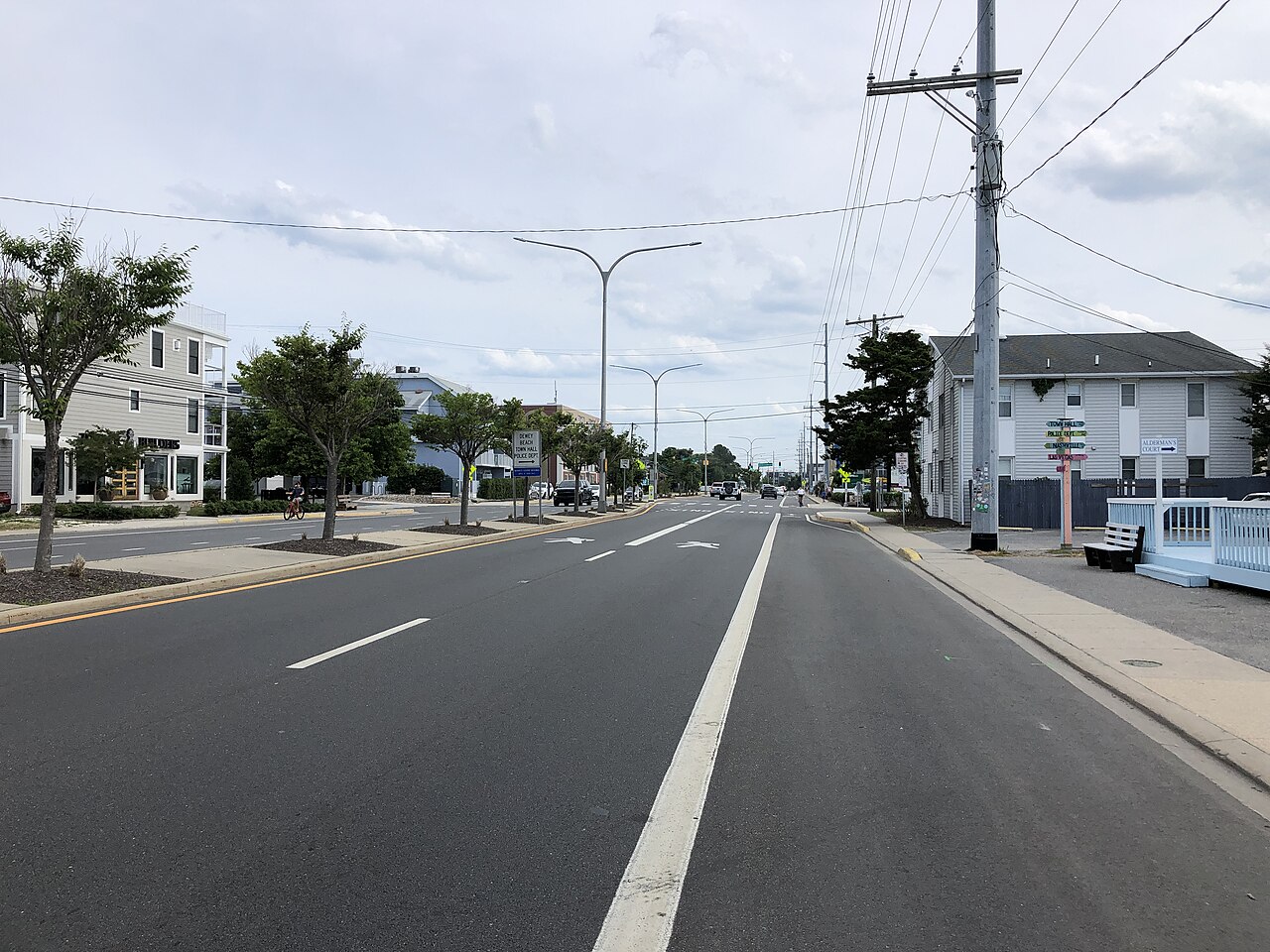
Dewey Beach, Delaware's own short-term rental market shows 223 listings publishing a $45,748 typical year, ADR near $530, and occupancy near 37.4 percent, with a peak season concentrated in August, June, and July - a specific, sizable market that supports its own honest listing copy without needing to borrow anything from a neighboring town.
Dewey sits between Rehoboth Beach's boardwalk and the bay side, and a listing here can genuinely sell both ocean and bay access if the property actually has it - but the marketing has to describe this specific town, not a stolen Rehoboth boardwalk frame or a Delaware-wide visitor-spend figure that has nothing to do with this listing's occupancy.
This is a practical marketing guide for a Dewey Beach host: what photos and calendar language actually match this market's own numbers, how to name Rehoboth honestly without stealing its identity, and what not to advertise. This is not legal advice.
Town Dewey, Not a Rehoboth Boardwalk Walk
Search and maps teach a guest where they're actually sleeping, and a Dewey Beach listing that leans on Rehoboth's boardwalk in its title or lead photo is selling a walk this specific house may not deliver, even though the two towns sit close together on the same stretch of Delaware coast.
A guest who wanted the Rehoboth boardwalk experience and books a Dewey listing under that impression is a guest who will notice the mismatch on arrival, and a guest who wanted Dewey's quieter, narrower strip and skipped it because the listing photos looked like Rehoboth is a lost booking for the wrong reason.
Named local operators have already set a fairly high visual bar for this market, which means a listing that borrows a neighbor's identity instead of showing its own actual ocean or bay access will read as generic next to the competition, not distinctive.
The practical rule: town the listing to Dewey Beach specifically in the title and the first photo, and reserve any Rehoboth mention for a clearly labeled, honest day-trip note rather than the primary identity.
Sell Ocean, Bay, and the Actual Nightlife Block
Dewey Beach genuinely offers both ocean-side and bay-side access depending on the specific property, and a listing should name whichever one it actually has rather than implying both - a bay-side unit sold as an ocean listing will disappoint a guest checking the map on arrival.
The town's nightlife strip is a real feature for some guests and a reason to avoid for others, so naming the specific block and being honest about noise level helps the right guest self-select rather than booking blind and leaving a review about something the listing didn't mention.
This market is usually selling space for a group or a family rather than a couple's hotel-style room, which the average 4.4-night stay length and typical group size around 6.8 guests both support - photos and copy should reflect a multi-bedroom stay, not a romantic getaway pitch.
The practical rule: name the specific water access (ocean or bay) the property actually has, be direct about proximity to the nightlife strip, and frame the listing for the group or family stay this market's own numbers actually describe.
DC and Wilmington Are the Feeder Markets
Washington DC and Wilmington sit within a reasonable drive of Dewey Beach, and naming that drive-market context honestly - a weekend escape from DC, a short trip from Wilmington - helps a listing speak to the actual guest who's likely to book, rather than a vague coastal-getaway pitch aimed at no one in particular.
This feeder-market framing works as supporting context in a listing description, not as the headline; the property and the specific beach access still have to carry the actual selling argument, with the drive-market note simply making the practical case for who's likely to make that drive.
A listing that leans too hard on drive-time convenience risks reading as generic - plenty of Delaware and Maryland coastal towns can make the same DC-proximity claim - so pairing it with something specific to this Dewey property keeps the copy from blending into every other beach listing making the same drive-time pitch.
The practical rule: mention DC or Wilmington proximity as a supporting, honest detail, and keep the property's own specific ocean or bay access as the actual headline.
Photos That Prove Dewey Sand, Not a Stolen Boardwalk
Photos should prove the actual Dewey sand or bay view this property has, the bedrooms as they actually exist relative to the floor plan, and a kitchen that reads as functional for a group near the market's typical 6.8-guest size - not a staged shot that implies more space or a different view than the listing delivers.
A cleaning standard around the market's $200 median clean should show up visibly in the photos - reset bathrooms, made beds, empty sinks - since a guest evaluating several similar Dewey listings will notice which ones look genuinely guest-ready versus which ones look like a stock photo taken once at listing setup.
Borrowing a Rehoboth boardwalk frame for a Dewey listing's hero photo is a specific and avoidable mistake: it misrepresents what a guest will actually see stepping outside this property, and named competitors in this market are already showing their own real access points clearly.
The practical rule: every hero and gallery photo should show this property's actual, current condition and actual water access - no borrowed boardwalk frames, no photos that oversell space the floor plan doesn't have.
Calendar Language That Matches August, June, and July
This market's own peak season runs August, June, and July, and calendar and pricing language in the listing should reflect that pattern honestly rather than implying a flatter, more even demand curve across the whole season.
A listing that treats every summer week as equally in-demand risks pricing itself out of slower shoulder weeks and underpricing the genuine peak, when the market's own occupancy and ADR data already show where the real demand concentrates.
Average stay length here runs around 4.4 nights, which suggests most bookings look like a long weekend or a short week rather than a full-week minimum - calendar-availability language should reflect that typical stay pattern rather than assuming every guest wants a Saturday-to-Saturday week.
The practical rule: build calendar and pricing copy around this market's actual peak-three pattern (August, June, July) and its typical 4.4-night stay length, not an assumed even-demand summer season.
How to Name Rehoboth Without Stealing the Town
Rehoboth Beach publishes its own separate typical year of roughly $33,284, a genuinely different figure from Dewey's $45,748 - worth citing only as a clearly labeled neighbor-town comparison, never as a substitute for Dewey's own performance numbers in a listing or a marketing packet.
A Dewey listing can honestly mention Rehoboth as a nearby day-trip - the boardwalk, additional dining and shopping - without claiming that boardwalk experience as part of what this specific property delivers directly outside its own door.
Neighbor towns work as day-trip context in a listing description; they aren't the sleep town, and a listing that steals a neighbor's identity to rank for the wrong search term loses the guest who actually wanted Dewey while confusing the guest who wanted Rehoboth.
The practical rule: name Rehoboth only as an honest, clearly separate day-trip mention, and keep the property's own Dewey-specific access and numbers as the actual identity of the listing.
Thirty-Night Copy Only If That's the Actual Product
A 30-night minimum is a platform filter setting, not evidence of a filled slow month or a remote-work product a host hasn't actually built and photographed - a listing shouldn't imply monthly-stay readiness (dedicated workspace, long-stay amenities) it doesn't genuinely have just because the calendar allows it.
This market's typical stay length of 4.4 nights suggests most of Dewey's actual revenue comes from short weekend and week-long stays, not month-long bookings, so a host considering a long-stay pivot should treat it as a distinct product decision requiring its own setup and its own honest marketing, not a calendar toggle.
If a property genuinely is set up for a longer remote-work stay - real desk space, reliable wifi, a kitchen built for daily cooking rather than vacation takeout - that's worth photographing and describing specifically, rather than assuming the 30-night filter alone communicates it.
The practical rule: only market a long-stay or remote-work angle if the property is genuinely set up and photographed for it; otherwise, let the calendar filter be a filter, not a marketing claim.
What Not to Advertise
Delaware's statewide visitor-spend figure - reported around $7 billion - describes tourism activity across the entire state, not this specific Dewey Beach listing's occupancy or revenue potential, and citing it in marketing copy as if it reflected this property's booking performance is a category error a guest or a lender could easily catch.
Rehoboth's boardwalk, Rehoboth's typical year, and any implied walkability this property doesn't actually have are all things a Dewey listing shouldn't claim - each is a specific, checkable fact that a returning or research-minded guest can verify against the actual address.
A cleaning standard, an amenity, or a water-access claim that doesn't match what the property actually delivers on arrival creates the kind of mismatch that shows up in reviews rather than bookings, and is more expensive to fix after the fact than to simply describe honestly up front.
The practical rule: keep every specific claim - water access, walkability, cleaning standard, amenities - checkable against what a guest will actually find at this address, and leave statewide or neighbor-town figures out of this listing's own marketing entirely.
Related Reading
More Dewey Beach and Delaware beach reading already live on Crest & Cove.
223 Listings and a $45,748 Year: Dewey Beach STR Report 2026
Dewey Beach STR Rules: Town License, 3% Tax, and Delaware 4.5%
24.7% PM and a $4,372 Month: Is an Agency Worth It in Dewey Beach?
Is Dewey Beach a Good STR Investment in 2026? The License Is the Thesis
Dewey Beach vs Rehoboth Beach: Two Markets, Not One Blended Town
Delaware Tourism Spending and Dewey Hosts: What $7 Billion Measures
What It Actually Costs to Start a Legal Rental in Dewey Beach, DE
Financing a Dewey Beach House: DSCR on $4,372 and a February File
Frequently Asked Questions
What does Dewey Beach's own market actually support for a listing?
Dewey Beach's market shows 223 listings with a $45,748 typical year, ADR near $530, and occupancy near 37.4 percent, peaking in August, June, and July. That's the honest anchor for pricing and marketing claims, not a Rehoboth or statewide figure.
Can a Dewey Beach listing mention Rehoboth's boardwalk?
Only as a clearly labeled, honest day-trip note, not as this property's own identity. Rehoboth publishes its own separate $33,284 typical year, a genuinely different market, and claiming its boardwalk access for a Dewey listing misrepresents what a guest will find at this address.
Should I use Delaware's statewide visitor-spend figure in my listing marketing?
No. The roughly $7 billion statewide visitor-spend figure describes tourism activity across all of Delaware, not this specific Dewey Beach listing's occupancy or revenue. It has no place in a listing's marketing or pricing copy.
What guest size and stay length should Dewey Beach photos and copy target?
This market's typical group size runs around 6.8 guests with an average stay of 4.4 nights, which points toward a group or family stay rather than a couple's getaway. Photos and copy should show multi-bedroom space and a functional kitchen, not a romantic hotel-room pitch.
Is a 30-night minimum evidence of remote-work demand at this listing?
No. A 30-night minimum is a platform filter setting, not proof of a slow month filled or a genuine remote-work product. Only market a long-stay angle if the property is actually set up and photographed for it, dedicated workspace, daily-use kitchen setup, reliable wifi.
How should DC and Wilmington proximity be used in marketing copy?
As honest supporting context, not the headline. Naming the drive from DC or Wilmington helps the right guest self-select, but the property's own specific ocean or bay access should still carry the actual selling argument.
What cleaning standard should Dewey Beach photos reflect?
This market's median clean runs around $200, and that standard should be visible in photos, reset bathrooms, made beds, empty sinks, rather than a single staged photo taken once at listing setup that doesn't reflect ongoing turnover quality.
When should calendar pricing reflect Dewey's peak season?
Pricing and availability language should follow this market's actual peak-three months, August, June, and July, rather than assuming even demand across the whole summer. The typical 4.4-night stay length also suggests weekend and short-week availability matters more than full-week-only blocks.
Work with Crest & Cove Creative
Dewey's own listing set publishes a $45,748 typical year, but a listing that borrows Rehoboth's boardwalk photo or Delaware's statewide visitor-spend figure is selling a stay this house doesn't actually deliver. Market the town you actually have.
We help Dewey Beach hosts build listing copy that matches this market's own numbers - not a neighbor's boardwalk or a statewide tourism headline. Send us the listing and we'll show you what the photos and calendar language should actually prove.
Reach out at crestcove.co or (256) 998-7502.


Comments