
Dewey Beach STR Rules: Town License, 3% Tax, and Delaware 4.5%

Updated: Aug 27
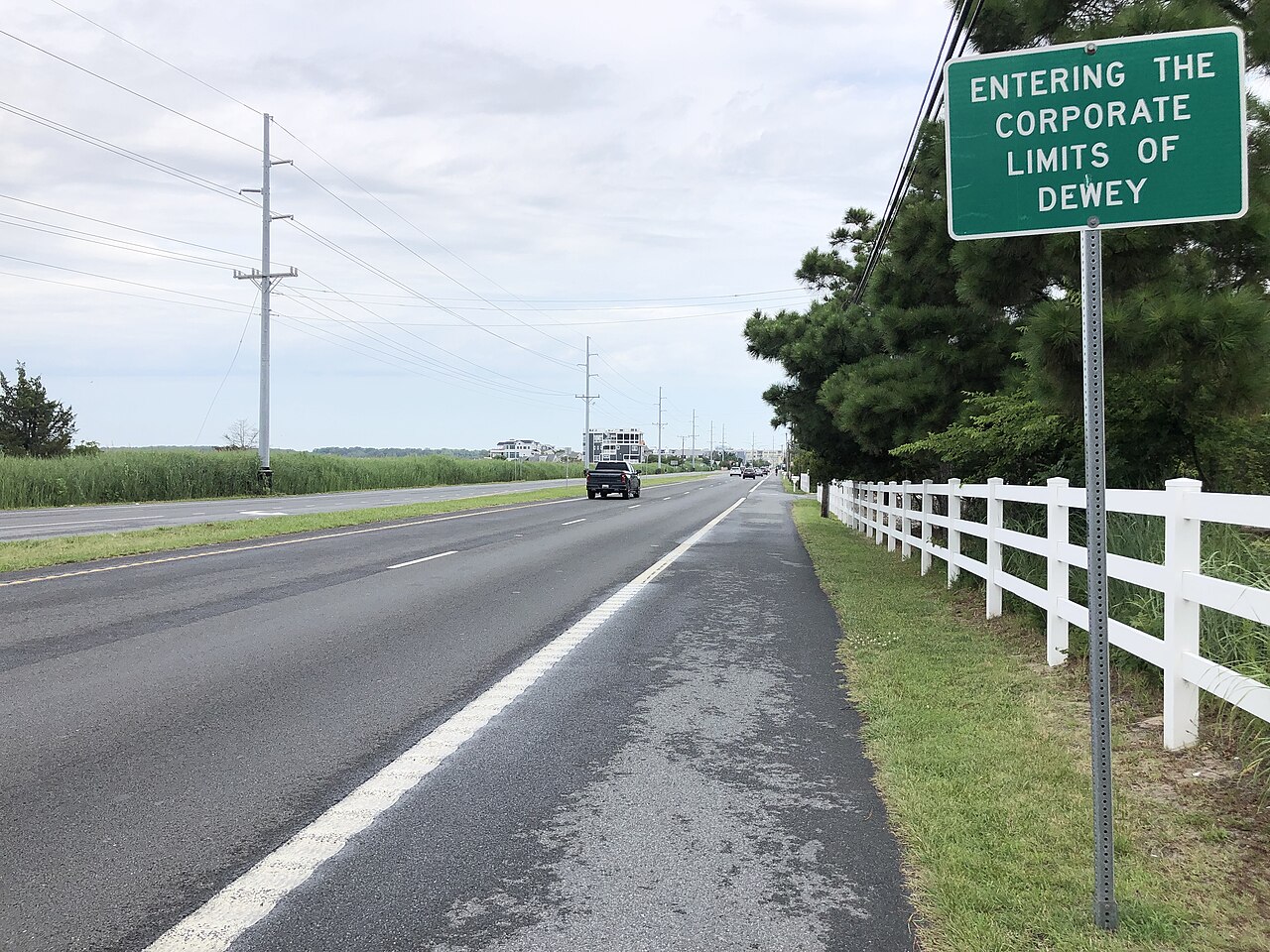
Town of Dewey Beach is not Rehoboth Beach and not the State of Delaware. If you are reading Rehoboth’s rental license and seven percent local rental tax and applying them to a parcel inside Dewey, you are already on the wrong map. Inside Dewey, anyone renting any portion of a property needs a Town Residential Rental License from townofdeweybeach.gov. The license year runs May 1 through April 30. Occupancy is two per bedroom plus two. Town accommodations tax is three percent. Delaware’s 4.5 percent lodging tax is a second tax. Sussex County’s defeated three percent is not Dewey law. Confusing those desks is how buyers underwrite a house they cannot legally open.
This guide is the license map for hosts and buyers who need the ordinance path before they Keep a rate card. It names the clerk, the license year, the occupancy cap, the two taxes that actually apply, and the county tax that does not. It also separates AirROI’s Low Keep from the town license so a vendor badge never substitutes for the cling in the window. For the competitive set those rules sit next to, use theDewey Beach market report. For startup cost without an invented purchase price, seewhat it costs to start. For purchase underwriting against the license, use theinvestment underwrite.
Nothing here is a substitute for the live ordinance text, the town clerk, or counsel. Screenshot the current rental application and tax pages the week you underwrite. The market medians, $530 ADR, 37.4 percent occupancy, $45,748 year, $4,372 median month, only matter after the parcel can legally list. Peak three of August, June, and July and lows of January, February, and March are pricing files, not license files. Keep them in separate folders in your head. A live Airbnb published market year is not a Dewey license, and AirROI Low is not the clerk.
Town of Dewey Beach is not Rehoboth and not the state
Dewey is an incorporated Delaware town in Sussex County, a narrow strip with Atlantic ocean east and Rehoboth Bay west, immediately south of Rehoboth Beach. Town short-term rules live on townofdeweybeach.gov. Anyone renting any portion of a property needs the Residential Rental License. That is the desk for Dewey parcels. Treat that as non-negotiable when a seller says the neighbor town already allows it, or when a platform listing looks live and therefore legal. Marketplace density is not a jurisdiction stamp.
Rehoboth Beach runs its own rental license and a seven percent local rental tax. That neighbor path is comparison context only, and it does not paper a Dewey house. The State of Delaware runs a 4.5 percent short-term lodging tax on stays of thirty-one nights or fewer. That state tax is real and it stacks. It still does not replace the town license or the town three percent. Unincorporated Sussex is a third map, and dewey is not unincorporated Sussex. Buyers who treat “the beach” as one stamp will mis-file the first application and mis-price the first year.
When you search listings and underwrite comps, separate the published market year from the clerk. A house that looks like Dewey on a map may still sit outside town limits. A house inside Dewey is not governed by Rehoboth’s clerk and not governed by a defeated county lodging tax. Confirm jurisdiction on the parcel before you model nights, taxes, or a management split. The two-hundred-twenty-three-listing AirROI cell is a marketplace set. It is not a single licensing district with Rehoboth and not proof that every listing sits under the same cling. Screenshot the boundary the same week you screenshot the application.
The rental license year is May 1 through April 30
The Town Residential Rental License runs May 1 through April 30. That is the town year, not the calendar year and not the AirROI extract year. Apply by April 30 if you want a license dated May 15. One application covers one property or one unit, and long-term tenants still renew. A one-year lease on file at Town Hall exempts accommodations tax only. It does not erase the license duty. Plan the renewal the way you plan August, not the way you plan a forgotten February chore.
A window cling must be visible from the street. That cling is part of the product, not a decoration you stash in a drawer after the first guest. Casella handles trash at (302) 934-1364. Put that number in the house book next to the occupancy rule so a summer group does not invent its own dumpster story. The 1-2 bedroom license line on the application PDF revised 2026-05-01 is $250. Hedge other bedroom-tier fees unless you re-read the current PDF line. Leave out unverified a fee schedule from memory.
Purchase contracts should not assume the seller’s cling transfers as a free stamp. Rebuild the paper path. Underwrite time to apply, time for the May 15 date if you file by April 30, and time to get the cling in the window before you advertise nights. The license is the gate for listing copy as much as it is the gate for Town Hall. Marketing that promises summer weekends without a current Dewey license is advertising a product you cannot legally sell. Keep the application packet and the listing file in the same week of work.
Occupancy is two per bedroom plus two
Dewey occupancy is two people per bedroom plus two in the living space. Children five or younger do not count, and do not advertise over the limit. That sentence is the listing rule and the house-rule rule. A floor plan that sleeps a fantasy twelve in a three-bedroom house is not a Dewey product if the posted cap is eight. Group houses dominate the extract, and average guests land near 6.8. Homes that sleep six or more are 83.0 percent of stock. The ordinance still wins the argument.
Keep the posted occupancy on the listing, in the house book, and in any message thread that asks “can we bring two more.” Hosts get hurt when the photos imply a bunk-room party and the cling implies a legal cap. Entire homes are one hundred percent of the extract and houses are 54.7 percent, so the typical product is a whole house aimed at a group. Groups still have to fit the formula. Quiet hours and parking rules belong next to the number, not buried after an amenity list that reads like a hotel.
The occupancy cap is also a marketing constraint. If you are writinglisting copy for a Dewey stay, the first honest line is the legal headcount, not the air mattress count. Instant Book sits at only 13.0 percent in this cell, which means most hosts still have a chance to confirm group size before the stay locks. Use that chance. A citation on an August weekend costs more than a declined booking in May. Two per bedroom plus two is the product, and everything above it is a problem you advertised.
Town accommodations tax is 3 percent
Town accommodations tax is three percent on gross rental proceeds under §167-15. That is Dewey law. It is not optional because a platform already collected something else. Remit October 1 through March 31 by April 15. Remit April 1 through September 30 by October 15. Those two windows sit on top of the May 1 through April 30 license year. Put both calendars on the same wall. A host who remembers August rates and forgets the October 15 remittance is running half an operation.
A one-year lease on file at Town Hall exempts accommodations tax only. It does not exempt the rental license. Do not treat a long-term tenancy story as a free pass on every town duty. Do not treat the three percent as Delaware’s tax, and do not treat Delaware’s tax as the three percent. They stack. Platforms may collect one or both depending on the channel. Owner-direct stays still need a remittance plan. Gross rental proceeds means you need a clean book of what counted as rent.
Three percent of a $4,372 median month is a planning line, not a rounding error you ignore because the year clears $45,748. Three percent of a peak August is larger. Three percent of a dark February is smaller and still due on the schedule if you had proceeds. Build remittance into the underwrite next to cleaning at a $200 median and next to any management split. Tax is not income, and tax is remittance. Keep it in the expense file so a lender or a partner does not confuse a cleared year with a net year.
Delaware 4.5 percent is a second tax
Delaware’s 4.5 percent short-term lodging tax under 30 Del. C, and ch. 62 applies to rent for stays of thirty-one nights or fewer on agreements on or after January 1, 2025. Cleaning, linen, insurance, and deposits are excluded. Platforms collect when the stay is booked through a platform. Owner-direct stays need a $25 accommodations-intermediary business license. This state tax does not replace the town three percent. Two taxes, and two files, and one house.
The thirty-one-night line matters because 49.8 percent of Dewey listings already show a thirty-plus-night minimum. That setting is a listing choice, not booked winter occupancy. A stay of thirty-one nights or fewer is inside the state tax box. A longer stay may sit outside it. Leave out unverified a tax story to match a calendar story. Read the stay length against the statute and keep counsel in the loop if your product mixes weekend nights with month-long winter holds. The extract average stay is still 4.4 nights.
Owner-direct hosts who skip the $25 intermediary license while collecting rent outside a platform are building a second problem next to any missing town cling. Platform collection is convenient. It is not a substitute for knowing what was collected and what you still owe the town. Stack the 4.5 percent next to the three percent in every underwrite. If a broker’s OM shows only one lodging tax, the OM is incomplete. Dewey is a two-tax town for short stays, plus the license, plus Casella, plus the cling.
Sussex 3 percent is not Dewey law
Sussex County considered a three percent unincorporated lodging tax. That proposal was defeated in December 2024, and it is not Dewey law. Do not add a phantom county three percent to a Dewey underwrite. Do not tell a guest they will pay a county lodging tax that the county did not adopt. Do not treat unincorporated Sussex rules as the Dewey clerk. Dewey is an incorporated town. The town three percent is the local tax that applies here.
This mistake shows up in two directions. Some hosts over-collect a county tax that is not owed and then cannot explain the line on a guest invoice. Some hosts underwrite a Dewey house as if they were in unincorporated county and skip the town license. Both errors start with a blended beach map. Keep Dewey, Rehoboth, unincorporated Sussex, and the state on four labels. Only two of those labels charge Dewey short-stay hosts today: the town three percent and the state 4.5 percent.
If a seller, an agent, or a Facebook thread cites “the Sussex three percent” as a Dewey cost, ask for the ordinance and the date. The locked fact in this cluster is defeat in December 2024. Until a future county action changes unincorporated land, it still does not change Dewey. Screenshot that distinction into the same folder as the town application. Future-you will thank present-you when a lender asks which taxes you modeled and why the county line is zero.
What AirROI Low does not mean
AirROI Low is a vendor product Keep on the Dewey extract. It does not mean the town banned short-term rentals. It does not mean the 223 listings are illegal. It does not replace the Residential Rental License, the May 1 through April 30 year, the cling, or the occupancy formula. It does not tell you whether a given published market year paid the $250 line for a 1-2 bedroom unit. A live Airbnb published market year is not a Dewey license. A Low badge is not a clerk.
Treating Low as a ban will make you walk from houses that can be licensed. Treating Low as permission will make you open houses that cannot. The extract can show $530 ADR, 37.4 percent occupancy, and a cleared $45,748 year while your parcel still fails for lack of a cling. Marketplace math and ordinance path are separate files.market reportowns the math. This page owns the path. Do not let a vendor color-code collapse them.
Low also does not tell you how to price August, June, and July, and it does not tell you how to survive January, February, and March. Those are calendar facts. Low does not tell you that Rehoboth’s $33,284 year is your year. That is a different cell. If you remember only one legal sentence from this cluster, remember this: AirROI Low is not the Town of Dewey Beach, and the town license is not a marketplace badge. Screenshot the clerk, and then open the extract.
What to screenshot before you list
Screenshot the parcel map that proves the house sits in Town of Dewey Beach and not in Rehoboth and not in unincorporated Sussex. Screenshot the current Residential Rental License application, including the May 1 through April 30 year and the $250 line for 1-2 bedrooms. Screenshot the occupancy rule of two per bedroom plus two, with children five or younger excluded. Screenshot the cling requirement and the Casella trash note. Put those images in a folder dated the week you underwrite.
Screenshot the town three percent remittance calendar: October 1 through March 31 due April 15, and April 1 through September 30 due October 15. Screenshot the Delaware 4.5 percent lodging-tax page for stays of thirty-one nights or fewer, including the $25 owner-direct intermediary license if you will collect outside a platform. Screenshot a one-line note that Sussex’s three percent was defeated in December 2024 and is not Dewey law. If you will compare the neighbor, screenshot Rehoboth’s separate license and seven percent as a neighbor file only.
Then screenshot the AirROI Dewey spine so the legal folder and the cash folder stay honest together: 223 listings, $530 ADR, 37.4 percent occupancy, $221 RevPAR, $45,748 year, $4,372 median, peak three of August, June, and July. Add a note that Low is not the license. If you want the neighbor contrast after the clerk is clear, openDewey versus Rehoboth. List only after the cling can go in the window. Paper first, and published market year second, and rate card third.
Related Reading
More Dewey Beach and Delaware beach reading already live on Crest & Cove.
223 Listings and a $45,748 Year: Dewey Beach STR Report 2026
How to Market a Dewey Beach Stay: Ocean, Bay, and a Legal House
24.7% PM and a $4,372 Month: Is an Agency Worth It in Dewey Beach?
Is Dewey Beach a Good STR Investment in 2026? The License Is the Thesis
Dewey Beach vs Rehoboth Beach: Two Markets, Not One Blended Town
Delaware Tourism Spending and Dewey Hosts: What $7 Billion Measures
What It Actually Costs to Start a Legal Rental in Dewey Beach, DE
Financing a Dewey Beach House: DSCR on $4,372 and a February File
Frequently Asked Questions
Does a Dewey Beach rental need a town license?
Yes. Anyone renting any portion of a Dewey Beach property needs a Town Residential Rental License, and the license year runs May 1 through April 30. Apply by April 30 to have coverage in place for the new license year, since one application covers one property or one unit and a visible window cling is required.
What is the occupancy limit on a Dewey Beach rental?
Occupancy is capped at two people per bedroom plus two in the living space, and the listing shouldn't advertise above that limit. Children five or younger don't count toward the total. Group houses are common in this market, but the town's formula still governs both the listing and the house rules regardless of typical group size.
How much does a Dewey Beach rental license cost for a small house?
The 1-2 bedroom license line on the current application is $250. Check the current application PDF for other bedroom-tier fees rather than assuming this rate applies to a larger property. The license fee is separate from both the town's lodging tax and Delaware's state lodging tax.
What taxes apply to a Dewey Beach short-term stay?
Town accommodations tax is 3 percent on gross rental proceeds, and Delaware's state lodging tax adds 4.5 percent for stays of thirty-one nights or fewer. Platforms collect the state tax automatically when used, but owner-direct hosts need a $25 accommodations-intermediary license, and neither tax replaces the town's rental license.
Does Sussex County's lodging tax apply in Dewey Beach?
No. Sussex County's proposed 3 percent unincorporated lodging tax was defeated in December 2024, so it never took effect. Dewey Beach hosts owe the town's 3 percent tax and the state's 4.5 percent tax on qualifying stays — don't add a phantom county line to a guest invoice or underwriting file.
Does an AirROI market-data label mean Dewey Beach banned short-term rentals?
No. A marketplace analytics label is a vendor data product, not the town's Residential Rental License, not the May 1 through April 30 license year, and not a ban. Use market extracts for revenue and seasonality research, and confirm actual registration status directly with the town.
Does Rehoboth Beach's tax rate apply to a Dewey Beach property?
No. Rehoboth Beach has its own separate rental license and its own local rental tax rate, which doesn't apply to a Dewey Beach parcel. Dewey Beach's local tax is 3 percent — confirm which town's ordinance actually governs your specific parcel before filing.
What should I confirm before listing a property in Dewey Beach?
Confirm with a parcel or tax map that the property sits within the Town of Dewey Beach rather than in Rehoboth Beach or unincorporated Sussex County, since a nearby address doesn't guarantee the same town's rules apply. Some hosts mistakenly underwrite a Dewey Beach property as if it were in unincorporated county land and skip the required town license.
Do short-term rental licenses transfer with the deed?
No, licenses generally don't transfer with a property sale. Confirm current license status directly with the town office for your specific parcel before purchasing, since only the town's 3 percent tax and the state's 4.5 percent tax currently apply to Dewey Beach short-term stays — the license itself must be reapplied for by a new owner.
Work with Crest & Cove Creative
Dewey Beach's 3% local tax and town license are separate from Rehoboth Beach's — confirming which town's ordinance actually applies to a parcel matters more than a nearby address suggests.
We help Dewey Beach hosts turn confirmed town-specific tax and license facts into listing copy that doesn't blur into Rehoboth Beach or the wrong stretch of Sussex County.
Reach out at crestcove.co or (256) 998-7502.


Comments